 プレビュー
プレビュー
 プリントを購入
 シェアする
シェアする シェアする
シェアする
 詳細を見る
詳細を見る

 ダウンロード
 似ている作品
 X線調査
X線調査 スライドショー
crucifixion, 1965 right


 詳細を見る
詳細を見る




P118B $10

P118H $10

P118W $10

P438Z $10

P508JH $12

P508YH $12

P805H $10

P805Z $10

P919BZ $10

P919G $10

P919XJ $10

P959ZH $10

P968JZ $12

W106C $8

W218G $10

W218JH $8

W218Y $10

W307PJ $10

W316G $10

W316PJ $8

W316Y $10

W398PJ $8

W4111J $10

W500HY $15

W500JH $15

W692G $12

W849H $8

W940BG $15

W953PJ $8




作品のオリジナル比率に合わせた、当店の規定サイズからお選びください。

特定のフレームやスペースに合わせて、ご希望のサイズをご入力いただけます。選択されたサイズが元の画像の比率と異なる場合、アートワークをトリミングするか、手描きで要素を追加して絵画を拡張いたします。デジタルモックアップ を制作し、制作開始前にご確認(承認)をいただきます。
画面上のプレビューは、実際のトリミングや拡張を正確に反映しているものではありません。最終的な構図は、モックアップによってのみ正確にご確認いただけます。
カスタムサイズもご利用いただけますが、元の比率を維持するためには、あらかじめ用意されたリストからサイズを選択することをお勧めいたします。
ご注文後、ArtsDot.com チームより詳細な指示をお送りするとともに、仕上がりイメージ(モックアップ)をご提供いたします。


 ガラスオプションは、110cm未満のサイズでのみご利用いただけます。

crucifixion, 1965 right
複製技法
複製画のサイズ
-


合計金額
$ 288
A Vision of Modern Anguish
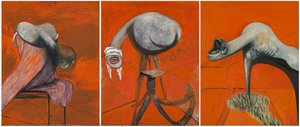
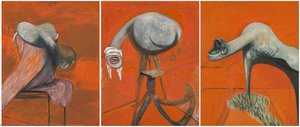
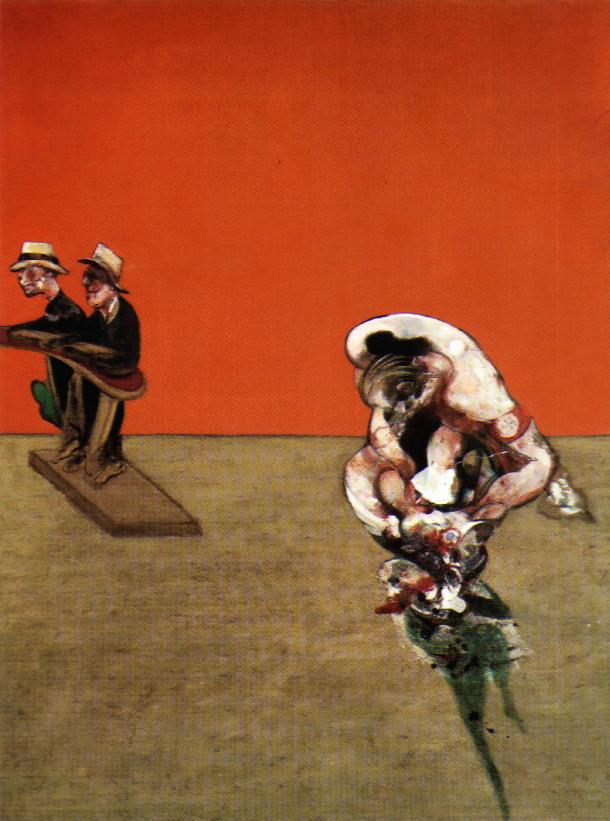
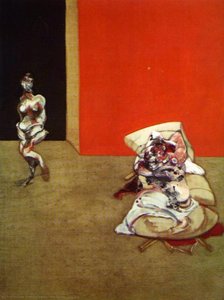
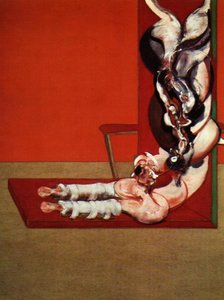
Francis Bacon’s *Crucifixion* (1965) is not an invitation to religious reverence, but rather a brutal and visceral confrontation with the human condition stripped bare. This triptych – a format Bacon returned to repeatedly throughout his career – presents three harrowing panels that dismantle traditional representations of suffering. It doesn't offer solace or redemption; instead, it thrusts viewers into raw physicality and existential dread. Painted in the shadow of post-war anxieties and the looming Cold War, the work stands as a powerful statement on violence, power dynamics, and the fragility of life in an increasingly fragmented world. It’s a challenging piece, undeniably, but one that resonates deeply with those drawn to art that dares to explore the darkest corners of human experience.Deconstructing Form and Technique
Bacon's style is immediately recognizable for its distorted figures and turbulent brushwork, and *Crucifixion* exemplifies this approach with unsettling force. He employs an aggressive palette dominated by searing reds – a color historically associated with blood, passion, and danger, but here imbued with a sense of raw, animalistic pain. The composition itself is fragmented and chaotic; forms are blurred and contorted, barely resembling recognizable anatomy. Oil paint is applied in layers, often scraped and reworked, creating a textured surface that amplifies the feeling of unease and instability. Notice the stark contrast between the rigidly posed figure on the left panel – seemingly an observer or perhaps even a perpetrator – and the agonizing figures within the central and right panels. The flattened perspective further intensifies the claustrophobic atmosphere, trapping the viewer within this nightmarish scene. Bacon’s technique isn't about precise representation; it is fundamentally about conveying *feeling*, about translating internal turmoil onto the canvas with brutal honesty. He wasn’t interested in depicting what things looked like, but rather how they *felt* to exist within a world saturated with pain and uncertainty.Historical Context and Subverted Symbolism
While referencing the biblical story of Christ’s crucifixion, Bacon deliberately strips away any conventional religious connotations. He famously stated that for him, the image of the crucifixion was merely “a magnificent armature” – a structural framework upon which to explore his own feelings about human behavior and suffering. The imagery within the triptych—the suggestion of butchered meat, bandages resembling butcher’s frills, and animalistic forms—alludes to slaughterhouses and the dehumanizing aspects of industrialization. The very format of the triptych itself, traditionally reserved for religious altarpieces, is subverted here, becoming a stage not for spiritual devotion but for existential torment. Bacon's work consistently grapples with themes of isolation, mortality, and the inherent violence within human nature – all powerfully present in *Crucifixion*. He wasn’t attempting to offer answers or provide comfort; he was holding a mirror up to humanity, reflecting back its own capacity for cruelty and despair.Emotional Resonance and Interior Impact
*Crucifixion* is not an easy painting to live with; it demands attention and provokes strong reactions. However, its emotional intensity can also be profoundly captivating. For collectors seeking a statement piece that sparks conversation or for interior designers aiming to create a space that challenges conventional aesthetics, this work offers a unique opportunity. While the subject matter is undeniably dark, the vibrant color palette and dynamic composition prevent it from feeling oppressively bleak. A high-quality reproduction can bring Bacon’s powerful vision into a contemporary setting, serving as a constant reminder of the complexities and contradictions inherent in the human experience. It's a piece that rewards contemplation and invites viewers to confront their own anxieties about existence—a testament to the enduring power of art to disturb, provoke, and ultimately, illuminate the depths of our shared humanity.関連作品
アーティストの略歴
激動の時代を映し出す魂:フランシス・ベーコンの世界
フランシス・ベーコン。その名は、20世紀美術における感情の奔流、人間の内面の深淵を覗き込むような作品群と切り離すことはできないでしょう。1909年、アイルランドのダブリンで生まれ、イギリスで芸術家としての道を歩んだベーコンは、伝統的な絵画表現を打ち破り、激しい感情と存在不安を具現化した独自のスタイルを確立しました。彼の作品は、見る者に強烈な衝撃を与え、人間の本質に深く問いかける力を持っています。幼少期をアイルランドとイングランドの間で過ごしたベーコンは、不安定な家庭環境の中で、自身のアイデンティティを模索し続けたと言われています。競馬やギャンブルといった放浪生活を送る中で、彼は社会の暗部や人間の脆弱性を目の当たりにし、それが後の作品に深く影響を与えたのでしょう。正式な美術教育を受けたわけではありませんが、パブロ・ピカソの形態変形、エゴン・シーレの表現主義的な人間描写、そしてセルゲイ・エイゼンシュテイン監督の映画『戦艦ポテムキン』における人間の苦悶を象徴する顔のクローズアップなど、様々な芸術作品からインスピレーションを得て、独自の視覚言語を構築していきました。苦悩と孤独が織りなす表現:ベーコンの画風
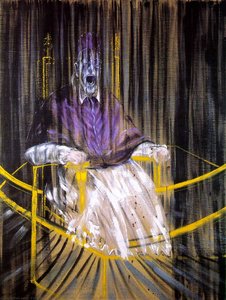
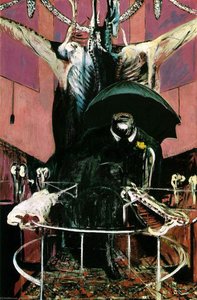
ベーコンの絵画は、しばしば歪んだ人体、閉塞的な空間、そして強烈な色彩によって特徴づけられます。彼の作品に登場する人物たちは、まるで檻の中に閉じ込められたかのように、孤立し、苦悩を抱えています。それは、人間の存在そのものが持つ脆弱性、孤独感、そして死の不可避性を表現しているかのようです。『三位一体像』(1944年)は、ベーコンの画風を決定づけた重要な作品として知られています。十字架の下に横たわる人物たちは、宗教的な殉教者ではなく、人間の苦しみそのものを象徴する存在として描かれています。彼らの肉体は歪み、断片化され、背景となる空間は狭く閉塞的です。ベーコンは、伝統的な絵画における美の概念を完全に否定し、人間の内面に潜む暗い感情を赤裸々に表現することで、見る者に強烈な衝撃を与えました。また、彼はしばしばヴェロネーゼの『インノケンツ10世教皇の肖像』をモチーフに、自身の作品を制作しました。しかし、ベーコンの手による教皇の姿は、威厳と権力を象徴するものではなく、絶望と狂気を孕んだ叫び声を上げる存在へと変貌しています。生と死、愛と憎しみ:ベーコンのテーマ
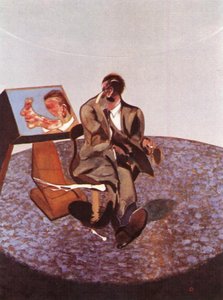
ベーコンの作品には、人間の生と死、愛と憎しみといった普遍的なテーマが繰り返し登場します。彼の描く肖像画は、単なる外見の再現ではなく、被写体の内面を深く掘り下げた心理描写として評価されています。特に、恋人であったジョージ・ダイアーの姿を描いた作品群は、二人の複雑な関係性、そしてその悲劇的な結末を暗示しているかのようです。ベーコンは、自身の作品を通して、人間の存在に内在する苦悩や不安を表現することで、見る者に自己の内面と向き合うことを促しました。彼の作品は、決して安易な慰めを与えるものではありませんが、人間の本質に深く触れることで、新たな気づきを与えてくれるでしょう。現代美術への影響:ベーコンの遺産
フランシス・ベーコンは、20世紀を代表する表現主義者の一人として、その後の現代美術に多大な影響を与えました。彼の作品は、抽象表現主義やポップアートといった様々な芸術運動に影響を与え、多くのアーティストにインスピレーションを与え続けています。また、彼の絵画における人間の内面への探求は、心理学や哲学といった分野にも影響を与え、人間の精神世界に対する理解を深める一助となっています。ベーコンの作品は、オークション市場においても高値で取引され、その芸術的価値と歴史的重要性を示しています。今日に至るまで、彼の作品は世界中の美術館に収蔵され、多くの人々に感動を与え続けています。フランシス・ベーコンは、人間の本質を深く探求し、激しい感情を具現化した作品を通して、現代美術の新たな地平を切り開いた偉大な芸術家であると言えるでしょう。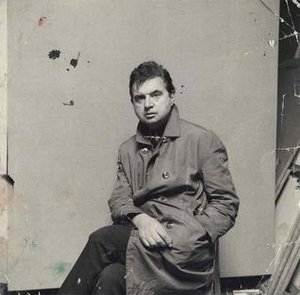
フランシス・ベーコン
1909 - 1992 , アイルランド
基本情報
- フルネーム: フランシス・ベーコン
- 主な作品:
- Three Studies...
- Pope series
- George Dyer portrait
- 出生地: ダブリン、アイルランド
- 国籍: アイルランド系イギリス人
- 影響を与えたアーティスト: ['戦後表現主義']
- 影響を受けたアーティスト:
- パブロ・ピカソ
- エゴン・シーレ
- 死亡年月日: 1992年4月26日
- 生年月日: 1909年10月28日
- 芸術運動またはスタイル: 表現主義
関連記事
フランシス・ベーコン傑作25選:魂を揺さぶる絵画の世界 | ArtsDot
フランシス・ベーコンの傑作25選。魂を揺さぶる表現主義絵画の世界へ。人物画、三面図、ポープ・インノケンティウス10世など、美術史に残る名作をArtsDotで高精細複製画としてご紹介。インテリアに深みと個性を。今すぐコレクションをご覧ください。
The Existential Anguish of Francis Bacon: Trauma, Form & the Post-War Condition
Explore the profound existential anguish of Francis Bacon's art. Discover how trauma shaped his iconic paintings & lasting influence on modern expressionism. A guide for discerning collectors.

Crimson Threads of Narrative: Exploring Symbolism & Representation in Artworks Featuring the Red Dress
Explore the rich symbolism of the red dress in art history! From ancient power displays to iconic portraits like Cézanne’s 'Madame Cezanne', discover the cultural and artistic significance behind this captivating color. Expert analysis & insights.
マーク・ロスコ傑作25選:色彩が織りなす深遠な世界|ArtsDot
マーク・ロスコの傑作25選。抽象表現主義を代表する巨匠、色彩が織りなす深遠な世界を探求します。絵画の背景や技法、感動的なストーリーを紐解き、ArtsDotで高品質なアートプリントをお楽しみください。リビングやオフィスにモダンアートを飾るなら!
German Expressionism's 10 Defining Masterpieces | Art for Your Home
Explore 10 defining German Expressionism masterpieces – from Munch's 'The Scream' to Kandinsky’s abstracts. Discover the artists, stories & bold colors behind this powerful art movement. Find museum-quality reproductions at ArtsDot.com.