

 プレビュー
プレビュー
 プリントを購入
 シェアする
シェアする シェアする
シェアする
 詳細を見る
詳細を見る

 ダウンロード
 似ている作品
 X線調査
X線調査 スライドショー
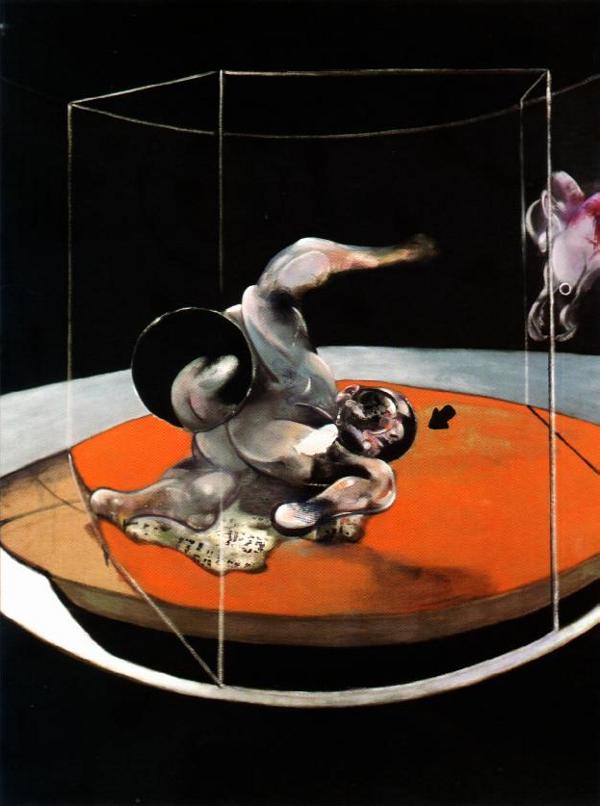
figures in movement, 1976

 詳細を見る
詳細を見る
オンラインプレビューをはるかに凌ぐ、高解像度で鮮明なデジタル画像をご購入いただけます。
各ファイルは、社内の専門家が高度なツールと熟練した手作業によるレタッチを用いて、細心の注意を払って準備されています。すべての画像において、卓越した鮮明度、正確な色彩再現性、そして繊細なディテールを保証いたします。
最終ファイルは、プロフェッショナルな編集・印刷環境ですぐにご利用いただけるよう最適化された状態で、72時間以内にメールにてお届けいたします。これは、一流のデザインスタジオ、出版社、ギャラリーから信頼されているものと同等の品質です。
デジタル画像のご注文に付随する特典
高品質なデジタル画像配信を、確かな品質で。
ArtsDot.com を選ぶことは、単に画像を手に入れることではありません。それは、プロの手によって精密に仕上げられ、満足保証が付いた高品質なデジタルアートワークを受け取ることを意味します。ご注文いただいた際に自動的に付随する内容は、以下の通りです:

メールですぐにお届け
ご注文から72時間以内に、高解像度のデジタル画像ファイルがメールでお手元に届きます。すぐにそのままご利用いただけます。

AI技術で最適化されたデジタルファイル
お客様の作品は、高度なAIツールと専門家による手作業の編集を組み合わせてプロフェッショナルに最適化されており、細部のディテール、鮮明さ、そして正確な色再現性を最大限に引き出しています。

一生涯無料の再送サービス
ファイルを誤って削除したり、紛失してしまったりしましたか?ご安心ください。いつでも無料で再送いたします。

輸入手数料は一切かかりません
関税や手数料、配送料を気にすることなく、お気に入りのアートワークをすぐにお楽しみいただけます。デジタルダウンロードは常に免税です。

色彩再現の保証
プロ仕様のツールとカラーマネジメント技術を用いることで、デジタル画像が元の色を最大限に忠実に再現することを保証いたします。

100日間満足保証
ご購入いただいたデジタル画像にご満足いただけない場合は、100日以内であれば、修正または100%の返金(理由を問う必要はありません)をさせていただきます。

100% 返金保証
ご満足いただけない場合は、デジタルファイルを受け取ってから100日以内であれば、理由を問わず全額返金いたします。

まとめ買い割引
3枚購入で10%OFF - 5枚購入で15%OFF - 10枚以上購入で20%OFF。クリエイティブなプロジェクト、ギャラリー、エージェンシーに最適です。
A Visceral Dance of Dislocation: Exploring ‘Figures in Movement,’ 1976
Francis Bacon’s “Figures in Movement,” painted in 1976, isn't merely a depiction of human form; it’s an excavation of the psyche – a raw and unsettling portrait of existential anxiety rendered with his signature brutal honesty. The painting immediately confronts the viewer with a central figure, contorted into a series of impossible poses within a claustrophobic cage. This structure, reminiscent of both confinement and performance, speaks to themes of entrapment, vulnerability, and the struggle for agency in a world increasingly devoid of meaning. Bacon’s deliberate distortion of anatomy – elongated limbs, exaggerated features, and a sense of perpetual motion – rejects traditional notions of beauty and realism, instead prioritizing emotional truth over aesthetic representation.
The background figures, partially obscured yet undeniably present, add layers of complexity to the scene. They aren't passive observers but seem to participate in, or perhaps even exacerbate, the central figure’s turmoil. Their positioning suggests a cycle of witnessing and being witnessed, amplifying the sense of isolation and unease. Bacon frequently employed this dynamic interplay between subject and observer within his work, creating a dialogue that forces the viewer to confront their own anxieties about existence and connection.
The Language of Distortion: Technique and Style
Bacon’s technique is notoriously challenging, demanding both immense skill and an unwavering commitment to expressing inner turmoil. “Figures in Movement” exemplifies this perfectly. The paint application is thick and gestural, built up in layers that create a palpable sense of texture and movement. Notice the aggressive brushstrokes, particularly around the figure's torso – they convey not just physical strain but also a desperate attempt to maintain control amidst chaos. The color palette is deliberately muted, dominated by dark browns, ochres, and bruised reds, contributing to the painting’s overall atmosphere of dread and decay. This restricted range of colors further emphasizes the claustrophobic nature of the scene and heightens the emotional impact.
Bacon's use of color isn't arbitrary; it’s deeply symbolic. The dark backdrop serves as a void, representing the unknown or perhaps the subconscious – a space where anxieties fester and nightmares take form. The flashes of red suggest violence, pain, and suppressed passions, while the muted earth tones evoke a sense of mortality and decay.
A Reflection of the Post-War Condition
To understand “Figures in Movement,” it’s crucial to consider the historical context in which Bacon was working. The 1970s were a period of profound social and political upheaval, marked by economic instability, the lingering trauma of World War II, and a growing sense of disillusionment with traditional values. Bacon's art directly reflects this atmosphere of anxiety and uncertainty. His figures are often depicted as damaged, vulnerable, and stripped bare – embodiments of the human condition in the face of existential dread.
Bacon’s early life, marked by instability and a strained relationship with his father, undoubtedly informed his artistic vision. The recurring themes of isolation, violence, and psychological distress within his work can be interpreted as attempts to grapple with these personal experiences. His art became a vehicle for exploring the darkest corners of the human psyche – a space where trauma, fear, and loneliness find expression.
Collecting an Echo of Intensity
A reproduction of “Figures in Movement” offers a powerful way to engage with Bacon’s intensely emotional world. ArtsDot provides meticulously crafted hand-painted reproductions that capture not only the visual details of the original but also its underlying atmosphere and psychological depth. This artwork is more than just decoration; it's an invitation to contemplate profound questions about human existence, vulnerability, and the enduring power of art to confront our deepest fears. Consider this piece as a window into the mind of one of the 20th century’s most significant and unsettlingly brilliant artists – Francis Bacon.
関連作品
作家の略歴
激動の時代を映し出す魂:フランシス・ベーコンの世界
フランシス・ベーコン。その名は、20世紀美術における感情の奔流、人間の内面の深淵を覗き込むような作品群と切り離すことはできないでしょう。1909年、アイルランドのダブリンで生まれ、イギリスで芸術家としての道を歩んだベーコンは、伝統的な絵画表現を打ち破り、激しい感情と存在不安を具現化した独自のスタイルを確立しました。彼の作品は、見る者に強烈な衝撃を与え、人間の本質に深く問いかける力を持っています。幼少期をアイルランドとイングランドの間で過ごしたベーコンは、不安定な家庭環境の中で、自身のアイデンティティを模索し続けたと言われています。競馬やギャンブルといった放浪生活を送る中で、彼は社会の暗部や人間の脆弱性を目の当たりにし、それが後の作品に深く影響を与えたのでしょう。正式な美術教育を受けたわけではありませんが、パブロ・ピカソの形態変形、エゴン・シーレの表現主義的な人間描写、そしてセルゲイ・エイゼンシュテイン監督の映画『戦艦ポテムキン』における人間の苦悶を象徴する顔のクローズアップなど、様々な芸術作品からインスピレーションを得て、独自の視覚言語を構築していきました。苦悩と孤独が織りなす表現:ベーコンの画風
ベーコンの絵画は、しばしば歪んだ人体、閉塞的な空間、そして強烈な色彩によって特徴づけられます。彼の作品に登場する人物たちは、まるで檻の中に閉じ込められたかのように、孤立し、苦悩を抱えています。それは、人間の存在そのものが持つ脆弱性、孤独感、そして死の不可避性を表現しているかのようです。『三位一体像』(1944年)は、ベーコンの画風を決定づけた重要な作品として知られています。十字架の下に横たわる人物たちは、宗教的な殉教者ではなく、人間の苦しみそのものを象徴する存在として描かれています。彼らの肉体は歪み、断片化され、背景となる空間は狭く閉塞的です。ベーコンは、伝統的な絵画における美の概念を完全に否定し、人間の内面に潜む暗い感情を赤裸々に表現することで、見る者に強烈な衝撃を与えました。また、彼はしばしばヴェロネーゼの『インノケンツ10世教皇の肖像』をモチーフに、自身の作品を制作しました。しかし、ベーコンの手による教皇の姿は、威厳と権力を象徴するものではなく、絶望と狂気を孕んだ叫び声を上げる存在へと変貌しています。生と死、愛と憎しみ:ベーコンのテーマ
ベーコンの作品には、人間の生と死、愛と憎しみといった普遍的なテーマが繰り返し登場します。彼の描く肖像画は、単なる外見の再現ではなく、被写体の内面を深く掘り下げた心理描写として評価されています。特に、恋人であったジョージ・ダイアーの姿を描いた作品群は、二人の複雑な関係性、そしてその悲劇的な結末を暗示しているかのようです。ベーコンは、自身の作品を通して、人間の存在に内在する苦悩や不安を表現することで、見る者に自己の内面と向き合うことを促しました。彼の作品は、決して安易な慰めを与えるものではありませんが、人間の本質に深く触れることで、新たな気づきを与えてくれるでしょう。現代美術への影響:ベーコンの遺産
フランシス・ベーコンは、20世紀を代表する表現主義者の一人として、その後の現代美術に多大な影響を与えました。彼の作品は、抽象表現主義やポップアートといった様々な芸術運動に影響を与え、多くのアーティストにインスピレーションを与え続けています。また、彼の絵画における人間の内面への探求は、心理学や哲学といった分野にも影響を与え、人間の精神世界に対する理解を深める一助となっています。ベーコンの作品は、オークション市場においても高値で取引され、その芸術的価値と歴史的重要性を示しています。今日に至るまで、彼の作品は世界中の美術館に収蔵され、多くの人々に感動を与え続けています。フランシス・ベーコンは、人間の本質を深く探求し、激しい感情を具現化した作品を通して、現代美術の新たな地平を切り開いた偉大な芸術家であると言えるでしょう。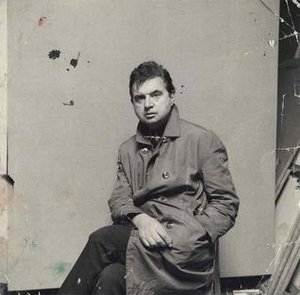
フランシス・ベーコン
1909 - 1992 , アイルランド
プロフィール概要
- フルネーム: フランシス・ベーコン
- 主な作品:
- Three Studies...
- Pope series
- George Dyer portrait
- 出生地: ダブリン、アイルランド
- 国籍: アイルランド系イギリス人
- 影響を与えたアーティスト: ['戦後表現主義']
- 影響を受けたアーティスト:
- パブロ・ピカソ
- エゴン・シーレ
- 死亡年月日: 1992年4月26日
- 生年月日: 1909年10月28日
- 芸術運動またはスタイル: 表現主義