 プレビュー
プレビュー
 プリントを購入
 シェアする
シェアする シェアする
シェアする
 詳細を見る
詳細を見る

 ダウンロード
 似ている作品
 X線調査
X線調査 スライドショー
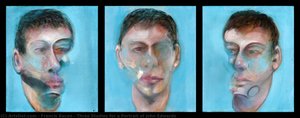
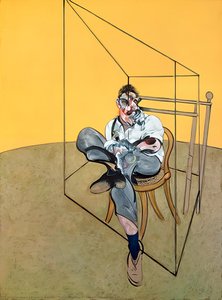
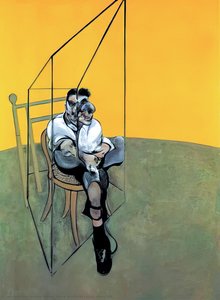
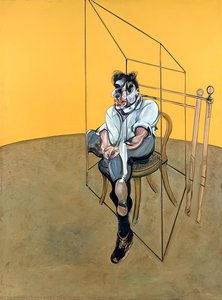
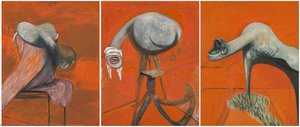
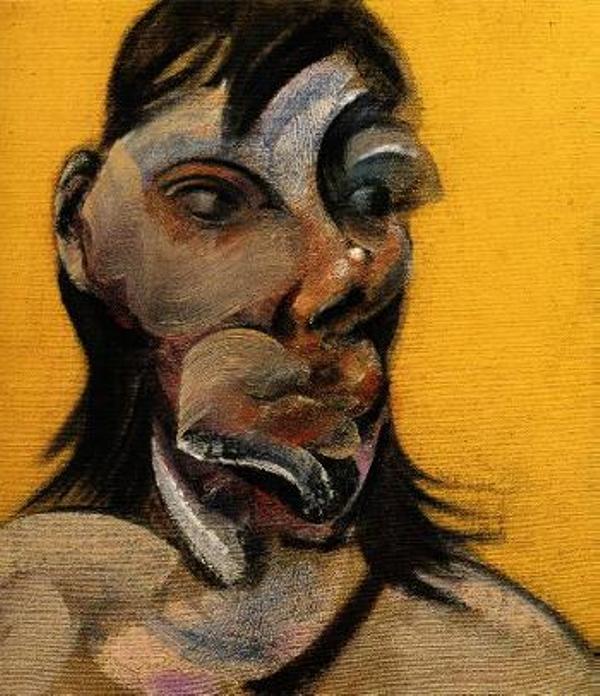
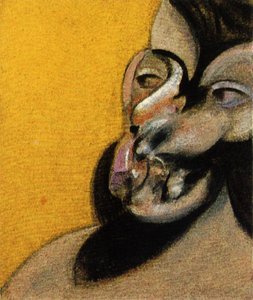
three studies of henrietta moraes ii, 1969 b


 詳細を見る
詳細を見る




P118B $10

P118H $10

P118W $10

P438Z $10

P508JH $12

P508YH $12

P805H $10

P805Z $10

P919BZ $10

P919G $10

P919XJ $10

P959ZH $10

P968JZ $12

W106C $8

W218G $10

W218JH $8

W218Y $10

W307PJ $10

W316G $10

W316PJ $8

W316Y $10

W398PJ $8

W4111J $10

W500HY $15

W500JH $15

W692G $12

W849H $8

W940BG $15

W953PJ $8




作品のオリジナル比率に合わせた、当店の規定サイズからお選びください。

特定のフレームやスペースに合わせて、ご希望のサイズをご入力いただけます。選択されたサイズが元の画像の比率と異なる場合、アートワークをトリミングするか、手描きで要素を追加して絵画を拡張いたします。デジタルモックアップ を制作し、制作開始前にご確認(承認)をいただきます。
画面上のプレビューは、実際のトリミングや拡張を正確に反映しているものではありません。最終的な構図は、モックアップによってのみ正確にご確認いただけます。
カスタムサイズもご利用いただけますが、元の比率を維持するためには、あらかじめ用意されたリストからサイズを選択することをお勧めいたします。
ご注文後、ArtsDot.com チームより詳細な指示をお送りするとともに、仕上がりイメージ(モックアップ)をご提供いたします。


 ガラスオプションは、110cm未満のサイズでのみご利用いただけます。

three studies of henrietta moraes ii, 1969 b
複製技法
複製画のサイズ
-


合計金額
$ 263
作品解説
A Descent Into Visceral Emotion
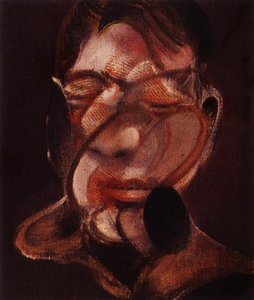
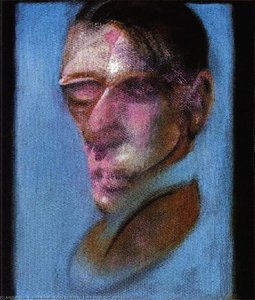
The painting "Three Studies of Henrietta Moraes II," created in 1969 by the legendary Francis Bacon, stands as a monumental testament to the artist's unflinching confrontation with human suffering and psychological torment. More than just an image, it is a profound experience—a plunge into a realm where beauty clashes violently with brutality, mirroring the deep-seated anxieties of a generation grappling with the existential shadows of the post-war era. Bacon himself famously described his artistic process as being “not about what I see but about what I feel,” a philosophy that is perfectly embodied in this unsettling and unforgettable masterpiece.
In this work, the viewer is met with a face that appears distorted, almost as if the very essence of the subject is being unraveled by an invisible force. The composition focuses intensely on the head and facial features, stripping away the comfort of a full body to force a direct, unavoidable encounter with the subject's vulnerability. Through his signature use of fragmented forms and a rejection of traditional anatomical accuracy, Bacon creates a sense of profound unease. The predominant use of vibrant, warm yellows provides a startling contrast to the grim subject matter, creating a tension that is both visually arresting and emotionally destabilizing.
The Mastery of Expressionist Horror
Bacon’s technique is a masterclass in Expressionist Horror, prioritizing raw emotional intensity over realistic representation. Utilizing oil paint on canvas, he employed a heavy impasto technique, where pigment is applied in thick, textured layers. This tactile quality adds a palpable physicality to the work; the ridges and grooves of the paint contribute to the sense of claustrophobia and the visceral, fleshy reality of the subject. The distortion of the features is not merely a stylistic choice but a deliberate tool used to amplify the psychological impact of the piece.
For collectors and interior designers, this painting offers a powerful focal point that demands attention. It is a work that does not merely decorate a space but transforms it, injecting a sense of profound intellectual and emotional depth. The interplay between the bright, energetic background and the scarred, distorted subject matter makes it an ideal piece for those seeking to curate a collection defined by strength, complexity, and the exploration of the human condition.
Historical Echoes and Symbolic Depth
To understand this painting is to understand the shadow of trauma that loomed over Europe in the mid-20th century. Emerging from a period scarred by the horrors of Auschwitz and Hiroshima, Bacon’s work reflects a pervasive disillusionment and a fractured sense of identity. The subject, Henrietta Moraes—a well-known Parisian model—becomes a vessel through which Bacon explores themes of pain, resilience, and the fragility of the human form. The distortions can be seen as symbols of the psychological fragmentation experienced by individuals in an era of unprecedented global upheaval.
Every brushstroke serves to bridge the gap between the physical world and the internal psyche. By eschewing academic conventions, Bacon liberated the portrait from being a mere likeness, turning it into a landscape of the soul. For anyone looking to acquire a high-quality reproduction of this work, they are not just bringing a piece of art into their home; they are inviting a dialogue about the enduring power of human emotion and the transformative nature of art in the face of adversity.
関連作品

アーティストの略歴
激動の時代を映し出す魂:フランシス・ベーコンの世界
フランシス・ベーコン。その名は、20世紀美術における感情の奔流、人間の内面の深淵を覗き込むような作品群と切り離すことはできないでしょう。1909年、アイルランドのダブリンで生まれ、イギリスで芸術家としての道を歩んだベーコンは、伝統的な絵画表現を打ち破り、激しい感情と存在不安を具現化した独自のスタイルを確立しました。彼の作品は、見る者に強烈な衝撃を与え、人間の本質に深く問いかける力を持っています。幼少期をアイルランドとイングランドの間で過ごしたベーコンは、不安定な家庭環境の中で、自身のアイデンティティを模索し続けたと言われています。競馬やギャンブルといった放浪生活を送る中で、彼は社会の暗部や人間の脆弱性を目の当たりにし、それが後の作品に深く影響を与えたのでしょう。正式な美術教育を受けたわけではありませんが、パブロ・ピカソの形態変形、エゴン・シーレの表現主義的な人間描写、そしてセルゲイ・エイゼンシュテイン監督の映画『戦艦ポテムキン』における人間の苦悶を象徴する顔のクローズアップなど、様々な芸術作品からインスピレーションを得て、独自の視覚言語を構築していきました。苦悩と孤独が織りなす表現:ベーコンの画風
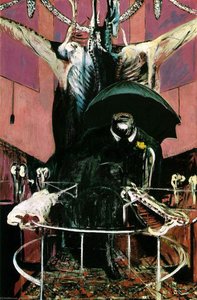
ベーコンの絵画は、しばしば歪んだ人体、閉塞的な空間、そして強烈な色彩によって特徴づけられます。彼の作品に登場する人物たちは、まるで檻の中に閉じ込められたかのように、孤立し、苦悩を抱えています。それは、人間の存在そのものが持つ脆弱性、孤独感、そして死の不可避性を表現しているかのようです。『三位一体像』(1944年)は、ベーコンの画風を決定づけた重要な作品として知られています。十字架の下に横たわる人物たちは、宗教的な殉教者ではなく、人間の苦しみそのものを象徴する存在として描かれています。彼らの肉体は歪み、断片化され、背景となる空間は狭く閉塞的です。ベーコンは、伝統的な絵画における美の概念を完全に否定し、人間の内面に潜む暗い感情を赤裸々に表現することで、見る者に強烈な衝撃を与えました。また、彼はしばしばヴェロネーゼの『インノケンツ10世教皇の肖像』をモチーフに、自身の作品を制作しました。しかし、ベーコンの手による教皇の姿は、威厳と権力を象徴するものではなく、絶望と狂気を孕んだ叫び声を上げる存在へと変貌しています。生と死、愛と憎しみ:ベーコンのテーマ
ベーコンの作品には、人間の生と死、愛と憎しみといった普遍的なテーマが繰り返し登場します。彼の描く肖像画は、単なる外見の再現ではなく、被写体の内面を深く掘り下げた心理描写として評価されています。特に、恋人であったジョージ・ダイアーの姿を描いた作品群は、二人の複雑な関係性、そしてその悲劇的な結末を暗示しているかのようです。ベーコンは、自身の作品を通して、人間の存在に内在する苦悩や不安を表現することで、見る者に自己の内面と向き合うことを促しました。彼の作品は、決して安易な慰めを与えるものではありませんが、人間の本質に深く触れることで、新たな気づきを与えてくれるでしょう。現代美術への影響:ベーコンの遺産
フランシス・ベーコンは、20世紀を代表する表現主義者の一人として、その後の現代美術に多大な影響を与えました。彼の作品は、抽象表現主義やポップアートといった様々な芸術運動に影響を与え、多くのアーティストにインスピレーションを与え続けています。また、彼の絵画における人間の内面への探求は、心理学や哲学といった分野にも影響を与え、人間の精神世界に対する理解を深める一助となっています。ベーコンの作品は、オークション市場においても高値で取引され、その芸術的価値と歴史的重要性を示しています。今日に至るまで、彼の作品は世界中の美術館に収蔵され、多くの人々に感動を与え続けています。フランシス・ベーコンは、人間の本質を深く探求し、激しい感情を具現化した作品を通して、現代美術の新たな地平を切り開いた偉大な芸術家であると言えるでしょう。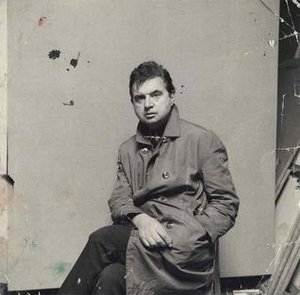
フランシス・ベーコン
1909 - 1992 , アイルランド
基本情報
- フルネーム: フランシス・ベーコン
- 主な作品:
- Three Studies...
- Pope series
- George Dyer portrait
- 出生地: ダブリン、アイルランド
- 国籍: アイルランド系イギリス人
- 影響を与えたアーティスト: ['戦後表現主義']
- 影響を受けたアーティスト:
- パブロ・ピカソ
- エゴン・シーレ
- 死亡年月日: 1992年4月26日
- 生年月日: 1909年10月28日
- 芸術運動またはスタイル: 表現主義
関連記事
エゴン・シーレ傑作25選:魂を揺さぶる表現主義の世界 | ArtsDot
エゴン・シーレの傑作25選。表現主義を代表するオーストリアの画家、その魂を揺さぶる人物画や自画像の世界へ。ArtsDotで名画の複製画とインテリアアートをお楽しみください。コレクションを見る▶
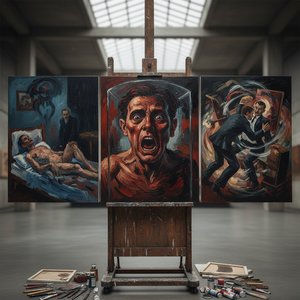
フランシス・ベーコン傑作25選:魂を揺さぶる絵画の世界 | ArtsDot
フランシス・ベーコンの傑作25選。魂を揺さぶる表現主義絵画の世界へ。人物画、三面図、ポープ・インノケンティウス10世など、美術史に残る名作をArtsDotで高精細複製画としてご紹介。インテリアに深みと個性を。今すぐコレクションをご覧ください。
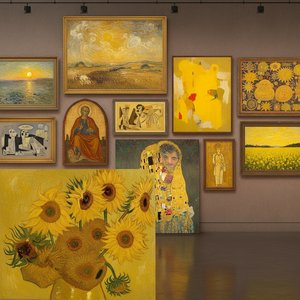
Golden Hues: 10 Masterpieces Dominated by Chrome Yellow | ArtsDot
Immerse yourself in golden light! Explore 10 famous paintings dominated by 'Chrome Yellow', from Van Gogh’s Sunflowers to Monet's Haystacks. Discover the stories behind these iconic Impressionist & Post-Impressionist masterpieces and find museum-quality art reproductions at ArtsDot.com.
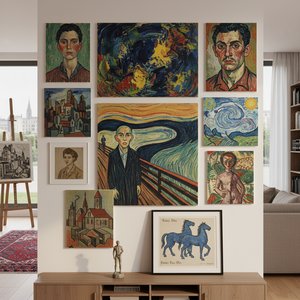
表現主義を彩る至宝:アート史に刻まれた10の傑作
表現主義の心を揺さぶる10選。ムンク、キルヒナーら巨匠の傑作を紐解き、色彩とエモーションの世界へ。ArtsDot.comで、時代を超越したアートをあなたの空間に取り入れませんか?高品質な複製絵画やインテリアアイデアが満載。
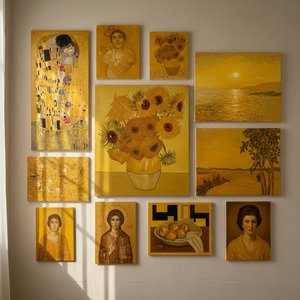
Golden Hues: Top 10 Paintings Dominated by Yellow Ochre |
Explore 10 iconic paintings bathed in golden yellow ochre! From Van Gogh's sunflowers to Monet’s haystacks, discover the stories behind these masterpieces. Find museum-quality art reproductions & elevate your home decor on .