

 プレビュー
プレビュー
 プリントを購入
 シェアする
シェアする シェアする
シェアする
 詳細を見る
詳細を見る

 ダウンロード
 似ている作品
 X線調査
X線調査 スライドショー
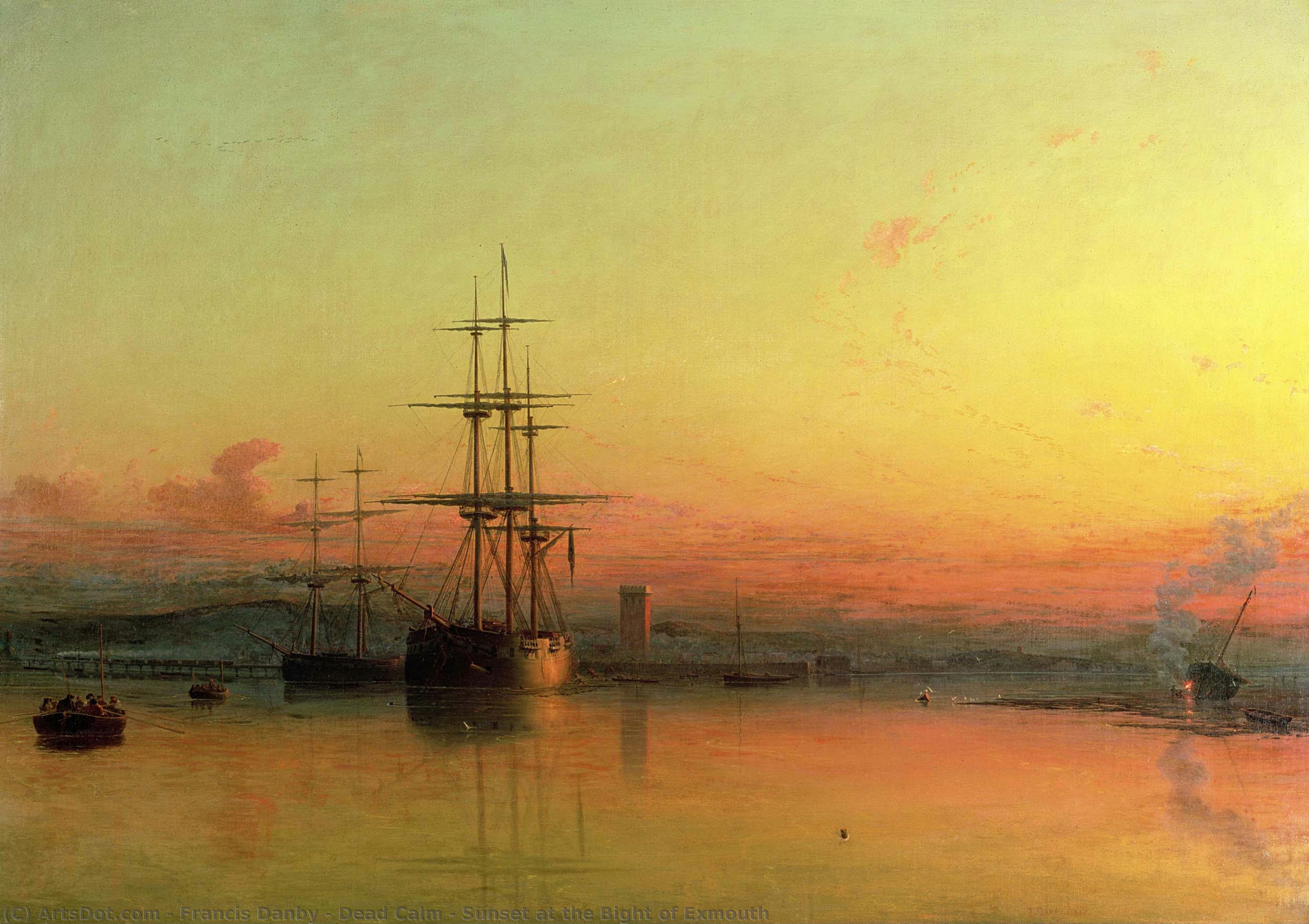
Dead Calm - Sunset at the Bight of Exmouth
 Oil
Oil- WallArt
- Romanticism
 1855
1855- 19th Century
 22.0 x 92.0 cm
 Royal Albert Memorial Museum - Art Gallery
 詳細を見る
詳細を見る
オンラインプレビューをはるかに凌ぐ、高解像度で鮮明なデジタル画像をご購入いただけます。
各ファイルは、社内の専門家が高度なツールと熟練した手作業によるレタッチを用いて、細心の注意を払って準備されています。すべての画像において、卓越した鮮明度、正確な色彩再現性、そして繊細なディテールを保証いたします。
最終ファイルは、プロフェッショナルな編集・印刷環境ですぐにご利用いただけるよう最適化された状態で、72時間以内にメールにてお届けいたします。これは、一流のデザインスタジオ、出版社、ギャラリーから信頼されているものと同等の品質です。
デジタル画像のご注文に付随する特典
高品質なデジタル画像配信を、確かな品質で。
ArtsDot.com を選ぶことは、単に画像を手に入れることではありません。それは、プロの手によって精密に仕上げられ、満足保証が付いた高品質なデジタルアートワークを受け取ることを意味します。ご注文いただいた際に自動的に付随する内容は、以下の通りです:

メールですぐにお届け
ご注文から72時間以内に、高解像度のデジタル画像ファイルがメールでお手元に届きます。すぐにそのままご利用いただけます。

AI技術で最適化されたデジタルファイル
お客様の作品は、高度なAIツールと専門家による手作業の編集を組み合わせてプロフェッショナルに最適化されており、細部のディテール、鮮明さ、そして正確な色再現性を最大限に引き出しています。

一生涯無料の再送サービス
ファイルを誤って削除したり、紛失してしまったりしましたか?ご安心ください。いつでも無料で再送いたします。

輸入手数料は一切かかりません
関税や手数料、配送料を気にすることなく、お気に入りのアートワークをすぐにお楽しみいただけます。デジタルダウンロードは常に免税です。

色彩再現の保証
プロ仕様のツールとカラーマネジメント技術を用いることで、デジタル画像が元の色を最大限に忠実に再現することを保証いたします。

60日間満足保証
ご購入いただいたデジタル画像にご満足いただけない場合は、60日以内であれば、修正または100%の返金(理由を問う必要はありません)をさせていただきます。

100% 返金保証
ご満足いただけない場合は、デジタルファイルを受け取ってから60日以内であれば、理由を問わず全額返金いたします。

まとめ買い割引
3枚購入で10%OFF - 5枚購入で15%OFF - 10枚以上購入で20%OFF。クリエイティブなプロジェクト、ギャラリー、エージェンシーに最適です。
作品の詳細
A Symphony of Serenity: The Golden Hour at Exmouth
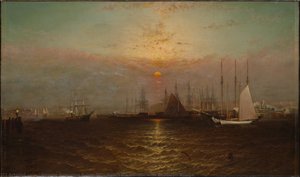
In the quietude of 1855, Francis Danby captured a moment that transcends mere landscape painting, offering instead a window into a state of profound peace. Dead Calm - Sunset at the Bight of Exmouth is not simply a depiction of a coastal evening; it is an evocative masterwork of the Romantic era that invites the viewer to breathe in the stillness of the sea. The composition centers on the gentle interplay of light and water, where the sun’s final descent paints the sky in hues of amber, gold, and soft rose. Two primary vessels dominate the mid-ground, their silhouettes anchored in the glassy surface of the bight, while smaller boats and distant figures dot the horizon like scattered notes on a musical score. This careful arrangement creates a sense of immense scale, making the viewer feel as though they are standing on the shore, witnessing a private, sacred moment of transition between day and night.
The technique employed by Danby reflects his deep roots in the Romantic tradition, where emotion is prioritized alongside technical precision. Through masterful use of light—a hallmark of his style—he achieves a luminous quality that seems to radiate from within the canvas itself. The water acts as a mirror, reflecting the fiery sky and blurring the line between the heavens and the earth. This soft-focus approach to the distant elements creates an atmospheric perspective that adds depth and a dreamlike, almost ethereal, quality to the scene. For the discerning collector or interior designer, this painting offers a sophisticated balance of detail and atmosphere, making it a centerpiece capable of anchoring a room with its tranquil energy.
Historical Resonance and Emotional Depth
To understand the soul of this work, one must look to the life of Francis Danby himself. As an artist shaped by the dramatic landscapes of Ireland and England, Danby possessed a unique ability to infuse maritime scenes with a sense of Byronic melancholy and sublime beauty. While the title Dead Calm suggests a lack of movement, there is a profound psychological weight to the stillness. The painting captures the tension of the "calm before the storm" or perhaps the relief found after one. It speaks to the human desire for sanctuary, portraying the sea not as a chaotic force, but as a cradling presence. This duality—the beauty of the sunset paired with the heavy silence of the vessels—provides a rich layer of symbolism regarding the passage of time and the fleeting nature of peace.
For those looking to integrate this piece into a curated collection or a high-end residential space, Dead Calm serves as more than decoration; it is an emotional anchor. Its panoramic proportions and warm color palette are particularly suited for large-scale installations where a sense of openness is desired. Whether placed in a sunlit study or a contemporary living area, the painting brings with it the timeless allure of the nineteenth-century Romantic movement, offering a sophisticated escape into a world of eternal twilight. It remains a testament to Danby's legacy, proving that even a century and a half later, the quiet majesty of a sunset can still stir the deepest parts of the human spirit.
関連作品

作家の略歴
A Romantic Vision Forged in Ireland and England: The Life of Francis Danby
Francis Danby, born on November 16, 1793, in County Wexford, Ireland, stands as a compelling figure within the Romantic movement. His life was one marked by both artistic triumph and personal hardship, a narrative woven into the very fabric of his dramatic and emotionally resonant paintings. The son of James and Margaret Watson Danby, he initially experienced a relatively secure upbringing until his father’s untimely death in 1807. This event forced the family to relocate to Dublin, initiating a period of financial constraint that would profoundly shape young Francis's path. It was within the walls of the Royal Dublin Society’s schools that Danby first honed his artistic skills under the tutelage of George Petrie and James Arthur O'Connor, laying the groundwork for a career defined by its evocative power. These early influences instilled in him not only technical proficiency but also a deep appreciation for landscape—a theme that would dominate much of his oeuvre.The Bristol School and the Blossoming of a Style
Danby’s artistic journey took a pivotal turn in 1813 when he accompanied O'Connor and Petrie to London. The experience of viewing J.M.W. Turner’s works at the Royal Academy exhibition proved deeply impactful, igniting within him a passion for atmospheric effects and dramatic compositions. However, financial realities soon led them to Bristol, where Danby established himself as a painter specializing in watercolor landscapes. This period marked his association with the informal yet influential group known as the Bristol School. Alongside artists like Edward Bird and Edward Villiers Rippingille, Danby developed a style characterized by naturalism, fresh color palettes, and an acute sensitivity to light. The Avon Gorge (c. 1820), exemplifies this early period, capturing the sublime beauty of the natural world with a poetic sensibility reminiscent of Romantic poets like Wordsworth and Coleridge. He wasn’t merely depicting landscapes; he was imbuing them with emotional weight, foreshadowing his later explorations of narrative within scenic settings. This fusion of picturesque landscape with genre subjects became a hallmark of Danby's artistic vision, setting him apart from many of his contemporaries.Ambition and Acclaim: Major Works and Royal Recognition
The early 1820s witnessed a turning point in Danby’s career. Disappointed Love (1821), showcased his burgeoning ability to seamlessly blend landscape with emotional narrative, garnering critical attention and establishing him as a rising star. He began exhibiting regularly at the Royal Academy, steadily gaining recognition for his ambitious compositions. The Upas Tree (1820), demonstrated his desire to tackle large-scale works imbued with dramatic storytelling—a testament to his growing confidence and artistic ambition. However, it was An Attempt to Illustrate the Opening of the Sixth Seal (1828) that truly cemented his reputation. This monumental work, initially met with controversy due to accusations of plagiarism leveled by John Martin, ultimately garnered significant acclaim and was purchased by the discerning collector William Beckford. The painting drew immense crowds at the Royal Academy, solidifying Danby’s position within the British art establishment. In November 1825, this recognition culminated in his election as an Associate of the Royal Academy (ARA), a testament to his artistic prowess and growing influence.Later Years, Enduring Legacy
Despite initial success, Danby’s career was punctuated by financial difficulties. He moved between London, Paris, and Geneva seeking patronage and opportunities, yet struggled to consistently regain the prominence he had enjoyed in the 1820s. His later works continued to explore dramatic landscapes and historical themes, but a sense of melancholy often pervades these pieces, perhaps reflecting his personal struggles. Nevertheless, Danby’s influence on other artists—notably John Martin—is undeniable, and his contribution to the development of landscape painting in the 19th century remains significant. He is remembered as a key figure bridging Irish artistic traditions with the broader European art scene, capturing the sublime beauty of nature while simultaneously delving into profound themes of human emotion and spirituality. Today, his paintings are held in prominent collections including the National Gallery of Ireland and the Bristol Museum & Art Gallery, ensuring that his legacy endures for generations to come.Key Characteristics
- Dramatic Landscapes: Danby’s canvases are defined by their imposing landscapes, evoking a sense of awe and wonder.
- Emotional Intensity: His works convey strong emotions—from tranquility to terror—reflecting the Romantic emphasis on subjective experience.
- Poetic Quality: Danby’s paintings possess a lyrical quality, often inspired by literature and mythology.
- Masterful Use of Light and Color: He skillfully employed light and color to create atmospheric effects and enhance the emotional impact of his scenes.
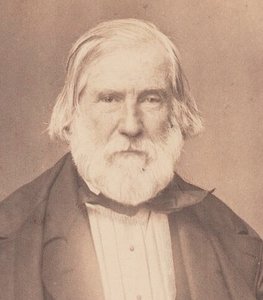
Francis Danby
1793 - 1861 , Ireland
プロフィール概要
- Artistic Movement Or Style: Romanticism
- Artists Or Movements Influenced By This Artist: ['John Martin']
- Artists Who Influenced This Artist: ['J.M.W. Turner']
- Date Of Birth: 1793-11-16
- Date Of Death: 1861-02-09
- Full Name: Francis Danby
- Nationality: Irish
- Notable Artworks:
- Disappointed Love
- The Upas Tree
- Sixth Seal
- Avon Gorge
- Place Of Birth: Wexford, Ireland

