

 プレビュー
プレビュー
 シェアする
シェアする シェアする
シェアする
 詳細を見る
詳細を見る

 ダウンロード
 似ている作品
 X線調査
X線調査 スライドショー
 統計情報
統計情報The National Academy Jury of 1907

 詳細を見る
詳細を見る
オンラインプレビューをはるかに凌ぐ、高解像度で鮮明なデジタル画像をご購入いただけます。
各ファイルは、社内の専門家が高度なツールと熟練した手作業によるレタッチを用いて、細心の注意を払って準備されています。すべての画像において、卓越した鮮明度、正確な色彩再現性、そして繊細なディテールを保証いたします。
最終ファイルは、プロフェッショナルな編集・印刷環境ですぐにご利用いただけるよう最適化された状態で、72時間以内にメールにてお届けいたします。これは、一流のデザインスタジオ、出版社、ギャラリーから信頼されているものと同等の品質です。
デジタルアート
個人での鑑賞、印刷、クリエイティブなプロジェクト用に、高解像度ファイルをダウンロードできます。 ( プリント版に切り替え 手描きの絵画を購入)
デジタル画像のご注文に付随する特典
高品質なデジタル画像配信を、確かな品質で。
ArtsDot.com を選ぶことは、単に画像を手に入れることではありません。それは、プロの手によって精密に仕上げられ、満足保証が付いた高品質なデジタルアートワークを受け取ることを意味します。ご注文いただいた際に自動的に付随する内容は、以下の通りです:

メールですぐにお届け
ご注文から72時間以内に、高解像度のデジタル画像ファイルがメールでお手元に届きます。すぐにそのままご利用いただけます。

AI技術で最適化されたデジタルファイル
お客様の作品は、高度なAIツールと専門家による手作業の編集を組み合わせてプロフェッショナルに最適化されており、細部のディテール、鮮明さ、そして正確な色再現性を最大限に引き出しています。

一生涯無料の再送サービス
ファイルを誤って削除したり、紛失してしまったりしましたか?ご安心ください。いつでも無料で再送いたします。

輸入手数料は一切かかりません
関税や手数料、配送料を気にすることなく、お気に入りのアートワークをすぐにお楽しみいただけます。デジタルダウンロードは常に免税です。

色彩再現の保証
プロ仕様のツールとカラーマネジメント技術を用いることで、デジタル画像が元の色を最大限に忠実に再現することを保証いたします。

100日間満足保証
ご購入いただいたデジタル画像にご満足いただけない場合は、100日以内であれば、理由を問わず修正または100%の返金対応をさせていただきます。

100% 返金保証
ご満足いただけない場合は、デジタルファイルを受け取ってから100日以内であれば、理由を問わず全額返金いたします。

まとめ買い割引
3枚購入で10%OFF - 5枚購入で15%OFF - 10枚以上購入で20%OFF。クリエイティブなプロジェクト、ギャラリー、エージェンシーに最適です。
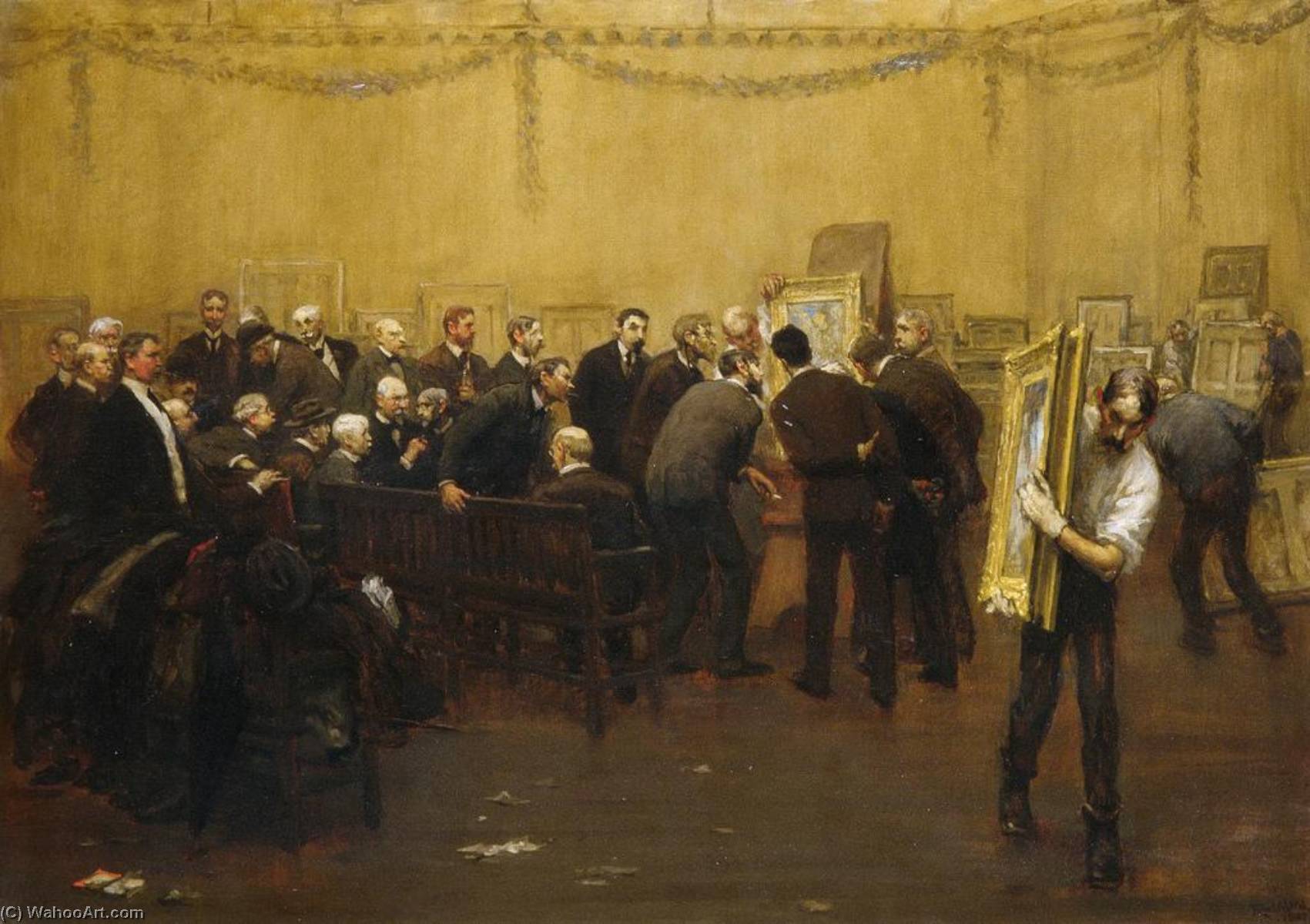
Background and Composition
The painting is set in a room with several chairs and tables, where at least thirteen people are visible, including some standing and others seated. The atmosphere of the painting suggests a gathering or event where people have come together to socialize and discuss art. The Metropolitan Museum of Art in New York City is home to this incredible piece of art.Artist and Style
Francis Luis Mora was a renowned American artist, born in Uruguay in 1874. He was known for his realistic and detailed style, which is evident in The National Academy Jury of 1907. The painting showcases the artist's ability to capture the essence of his subjects, with each figure uniquely portrayed. You can find more information about Francis Luis Mora and his works on ArtsDot.com.Importance and Significance
The painting The National Academy Jury of 1907 is not only a remarkable work of art but also holds significant importance in the history of American art. It provides a glimpse into the lives of artists and art enthusiasts during the early 20th century. The painting is a testament to the artist's skill and attention to detail, making it a must-see for art lovers.Some notable features of the painting include:
- The detailed depiction of each figure, showcasing the artist's ability to capture unique personalities.
- The use of color and light, which adds depth and atmosphere to the painting.
- The sense of movement and energy in the room, created by the placement of figures and objects.
関連作品










作家の略歴
A Transatlantic Vision: The Life and Art of F. Luis Mora
Francis Luis Mora, a name perhaps less instantly recognizable than those of his American Impressionist contemporaries, nevertheless occupies a significant place in the narrative of early 20th-century art. Born in Montevideo, Uruguay, in 1874, Mora’s journey was one of constant movement and artistic assimilation, ultimately forging a unique aesthetic that blended European Old Master techniques with the burgeoning spirit of American Impressionism. His story is not merely that of an artist, but of a cultural bridge, connecting the rich artistic traditions of Spain and Uruguay to the evolving landscape of American art. The son of Domingo Mora, a sculptor, and Laura Gaillard, a woman steeped in French culture, young Francis was immersed in creativity from his earliest years. His father’s profession provided not only a livelihood but also an early education in form and composition, nurturing a talent that would soon blossom under formal training. Frequent relocations due to his father's work instilled in him a sense of adaptability and broadened his exposure to diverse cultural influences—a characteristic that would profoundly shape his artistic vision.From Boston to Europe: The Shaping of an Artistic Identity
Mora’s formal art education began at the School of the Museum of Fine Arts in Boston, where he studied with prominent American Impressionists like Edmund Charles Tarbell and Frank Weston Benson. This period was crucial in establishing his technical foundation and introducing him to the principles of light, color, and atmospheric perspective that defined the Impressionist movement. However, Mora’s artistic trajectory took a pivotal turn during a transformative trip to Europe with his mother in 1896. It was within the hallowed halls of Madrid's Museo del Prado, confronted by the masterpieces of Spanish Old Masters—particularly Diego Velázquez—that Mora experienced an epiphany. The profound realism and masterful handling of light and shadow captivated him, igniting a lifelong passion for integrating these techniques into his own work. This encounter wasn’t simply about imitation; it was about finding a way to reconcile the immediacy and vibrancy of Impressionism with the depth and gravitas of classical painting. He continued his studies at the Art Students League of New York under Henry Siddons Mowbray, further refining his skills while simultaneously grappling with this artistic synthesis.A Multifaceted Career: Portraits, Murals, and Patriotic Service
Mora’s career unfolded across a remarkable range of mediums and applications. He achieved early recognition within the American art establishment, becoming an associate member of the National Academy of Design in 1904 and a full member just two years later—a potentially groundbreaking achievement as one of the first Hispanic artists to receive such honor. This affiliation opened doors to commissions and exhibitions, establishing him as a respected figure in the New York art world. Beyond his easel paintings, Mora enjoyed considerable success as an illustrator, contributing to leading publications like Harper's Weekly, Scribner’s, The Century, Collier’s, and Ladies’ Home Journal. His illustrations showcased his versatility and ability to capture both narrative detail and emotional nuance. During World War I, he patriotically volunteered his artistic talents to create motivational posters for the Third and Fourth Liberty Loan Boards, demonstrating a commitment to public service through art. Perhaps less known but equally significant was Mora's work as a muralist. He received commissions for prominent public buildings, including the Lynn Public Library in Massachusetts and the Missouri State Building at the 1904 Louisiana Purchase Exposition, leaving behind lasting testaments to his artistic vision in architectural spaces.Themes, Style, and Lasting Legacy
Mora’s paintings are characterized by a refined technique, rich color palettes, and a compelling sense of realism tempered with Impressionistic brushwork. He frequently depicted elegant portraits, scenes of Spanish life—reflecting his deep connection to his heritage—historical subjects, and allegorical themes. His ability to capture the character and atmosphere of his subjects was particularly noteworthy, imbuing his work with a psychological depth that resonated with viewers. Granada, for example, exemplifies his skill in evoking the mood and ambiance of Spain, while his portraits reveal a sensitivity to individual personality. As a teacher at both William Merritt Chase's Chase School of Art (later Parsons) and the Art Students League, Mora played an important role in shaping the next generation of American artists. Among his notable students was none other than Georgia O’Keeffe, whose own groundbreaking work bears traces of the technical rigor and compositional principles she learned from him. F. Luis Mora's legacy extends beyond his individual artworks; he represents a vital intersection of Uruguayan heritage and American art, broadening the scope of artistic representation in the United States and leaving an indelible mark on the cultural landscape. His life and work stand as a testament to the power of cross-cultural exchange and the enduring appeal of artistic innovation.Notable Works
- The National Academy Jury of 1907: A striking portrait showcasing Mora’s mastery of composition and character study.
- Granada: An evocative depiction of Spanish life, capturing the essence of the region's atmosphere and culture.
- Mrs F. Luis Mora and Her Sister: A sensitive portrayal of familial bonds, demonstrating his skill in portraiture.
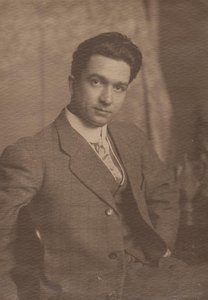
francis luis mora
1874 - 1940 , Uruguay
プロフィール概要
- Artistic Movement Or Style: Impressionism, Realism
- Artists Or Movements Influenced By This Artist: ["Georgia O'Keeffe"]
- Artists Who Influenced This Artist:
- Diego Velázquez
- Edmund Tarbell
- Frank Benson
- Date Of Birth: July 27, 1874
- Date Of Death: 1940
- Full Name: Francis Luis Mora
- Nationality: Uruguayan-American
- Notable Artworks:
- The National Academy Jury of 1907
- Granada
- Mrs F. Luis Mora and Her Sister
- Place Of Birth: Montevideo, Uruguay