

 プレビュー
プレビュー
 プリントを購入
 シェアする
シェアする シェアする
シェアする
 詳細を見る
詳細を見る

 ダウンロード
 似ている作品
 X線調査
X線調査 スライドショー
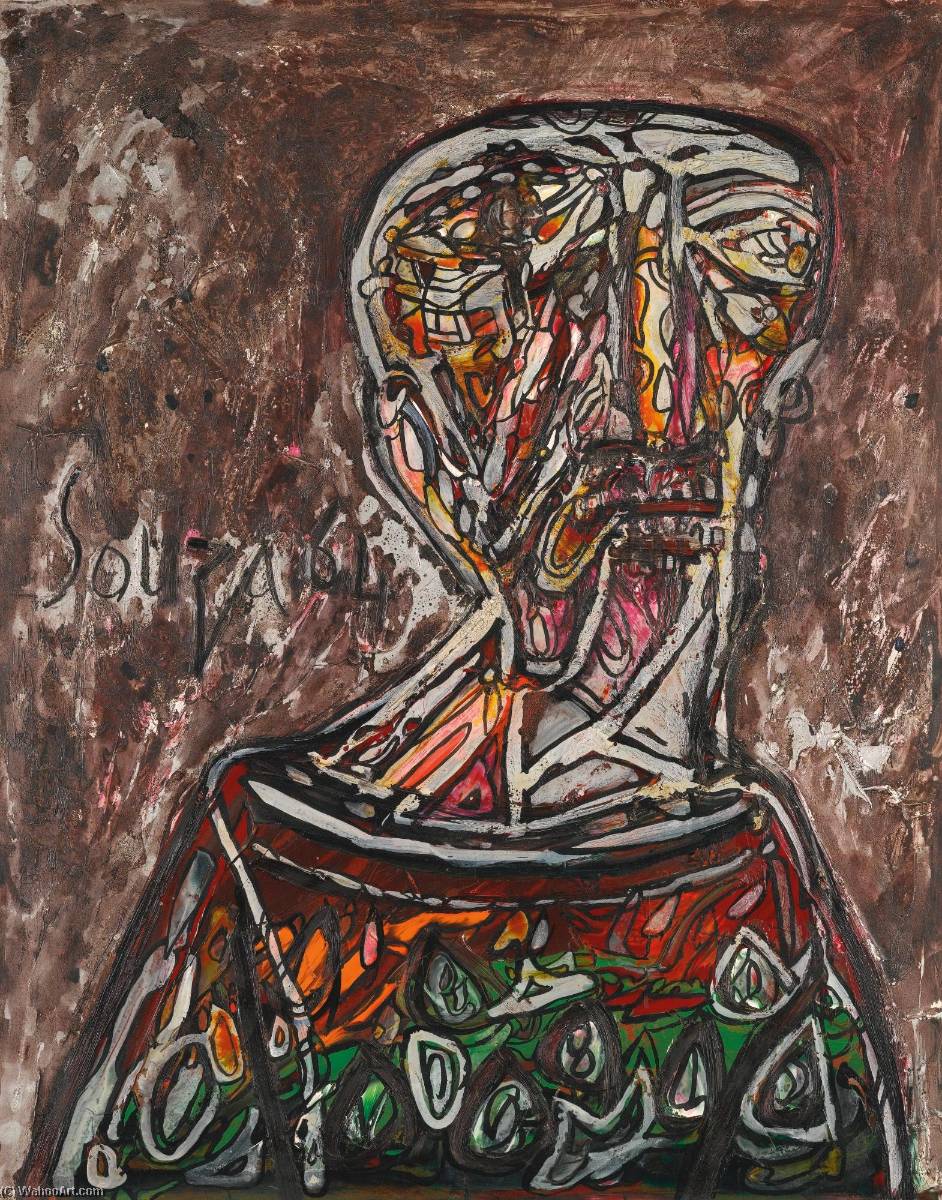
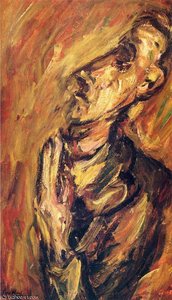
Untitled (Head of an Old Man)

Francis Newton Souza: A leading Goan modernist painter known for his raw, expressive nudes & social commentary. Explore his powerful works depicting Goan life & human emotion.
 詳細を見る
詳細を見る




































Standard
custom
CM
INCH
作品のオリジナル比率に合わせた、当店の規定サイズからお選びください。
Loading sizes...

幅
高さ
特定のフレームやスペースに合わせて、ご希望のサイズをご入力いただけます。選択されたサイズが元の画像の比率と異なる場合、アートワークをトリミングするか、手描きで要素を追加して絵画を拡張いたします。デジタルモックアップ を制作し、制作開始前にご確認(承認)をいただきます。
画面上のプレビューは、実際のトリミングや拡張を正確に反映しているものではありません。最終的な構図は、モックアップによってのみ正確にご確認いただけます。
カスタムサイズもご利用いただけますが、元の比率を維持するためには、あらかじめ用意されたリストからサイズを選択することをお勧めいたします。
カスタマイズの例:顔をお客様の写真に置き換える、ペットを追加する(例:猫を犬に変更)、背景に隠れたメッセージを入れる、背景の風景や要素を変更するなど。
ご注文後、ArtsDot.com チームより詳細な指示をお送りするとともに、仕上がりイメージ(モックアップ)をご提供いたします。
ご注文後、ArtsDot.com チームより詳細な指示をお送りするとともに、仕上がりイメージ(モックアップ)をご提供いたします。


 ガラスオプションは、110cm未満のサイズでのみご利用いただけます。

Untitled (Head of an Old Man)
複製技法
複製画のサイズ
-


合計金額
$ 263
関連作品




アーティストの略歴
Early Life and Education
Francisco Victor Newton de Souza (12 April 1924 – 28 March 2002), better known as F. N. Souza, was born in Goa, India, to Goan Catholic parents in the village of Saligão. After his father and then his elder sister died, he and his mother moved to Bombay, British India, in 1929. Souza's mother remarried, and his half-brother was the painter Lancelot Ribeiro. Souza attended St. Xavier’s College in Bombay, but he was expelled in 1939 for drawing obscene graffiti in the restrooms. He then studied at the Sir J.J. School of Art in Bombay but was also expelled from that school in 1945, because of pulling down the Union Jack flag during a school ceremony and participating in the Quit India Movement. Souza joined the Communist Party of India soon after, and co-founded the Bombay Progressive Artists' Group in 1947.Move to London
In 1948, Souza’s paintings were shown in London’s Burlington House as part of an exhibition on Indian Art. However, his work was attacked by the Goan community in Bombay during an exhibition at Chemould Frames. Souza emigrated to London in 1949, following several complaints against him to the police from the Indian public for obscenity. He initially struggled to make an impact as an artist in the UK. His Goan wife Maria took on multiple jobs in order to support their family. The Institute of Contemporary Arts included his work in a 1954 exhibition. His 1955 exhibit at Musgrave’s Gallery One sold out, leading to ongoing success. Souza was one of five artists on the UK shortlist for the 1958 Guggenheim International Award for his 1955 painting Birth. In 1959, Souza published his autobiographical essay Words and Lines. Souza's career developed steadily, and he participated in several shows, receiving positive reviews from English art critic John Berger. According to Berger, Souza’s style “was deliberately eclectic: essentially Expressionist in character”, but “also drawing on the post-war Art Brut movement and elements of British Neo-romanticism”.His Artistic Style
Souza's artistic style was marked by a distinctive blend of influences. He drew heavily from Surrealism, particularly the work of Giorgio Morandi and Ernst Fuchs, as well as Expressionism—particularly Franz Marc—and Primitivism. Souza’s technique involved bold lines and textured impasto, often employing pigment squeezed straight out of the tube onto the canvas. His paintings frequently depicted nude figures, capturing human emotion with raw intensity. He was particularly known for his series of “black paintings,” which explored themes of existential angst and spiritual emptiness. These works were characterized by their monochromatic palette and unsettling imagery—a deliberate rejection of academic conventions. Souza’s exploration of psychological trauma and social critique cemented his reputation as a visionary artist who challenged artistic norms and confronted uncomfortable truths about human nature.Major Achievements
Souza achieved considerable recognition during his lifetime, becoming one of India's most celebrated modernist painters. His paintings were exhibited internationally, garnering critical acclaim and establishing him as a pivotal figure in the history of Indian art. He was awarded the Guggenheim International Award for his 1955 painting Birth, marking a significant milestone in his career. Souza’s work continues to inspire artists and scholars alike, demonstrating the enduring power of artistic expression to convey profound ideas about human experience and social responsibility. His paintings achieved record prices at auction, underscoring their value as cultural treasures.Legacy
F. N. Souza died in 2002, leaving behind a legacy of groundbreaking art that continues to resonate with audiences today. He is remembered as an uncompromising artist who championed artistic freedom and challenged conventional notions of beauty. His influence can be seen in the work of numerous contemporary artists, cementing his place among the most important figures in Indian Modernism. Souza’s unflinching portrayal of human vulnerability and social injustice remains relevant in discussions about art's role in confronting difficult realities—a testament to his enduring artistic vision.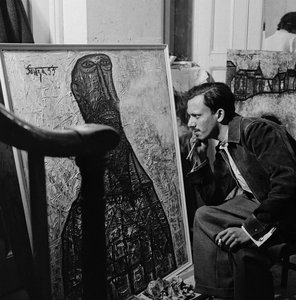
基本情報
- Artistic Movement Or Style: Modern Indian Painting; Expressionism
- Artists Or Movements Influenced By This Artist: ['Expressionism']
- Artists Who Influenced This Artist: ['Stephen Spender']
- Date Of Birth: April 12, 1924
- Date Of Death: March 28, 2002
- Full Name: Francisco Victor Newton de Souza
- Nationality: Indian
- Notable Artworks:
- Growing Unrest
- Goan Peasants in the Market
- Place Of Birth: Saligão, Goa

