

 プレビュー
プレビュー
 プリントを購入
 シェアする
シェアする シェアする
シェアする
 詳細を見る
詳細を見る

 ダウンロード
 似ている作品
 X線調査
X線調査 スライドショー
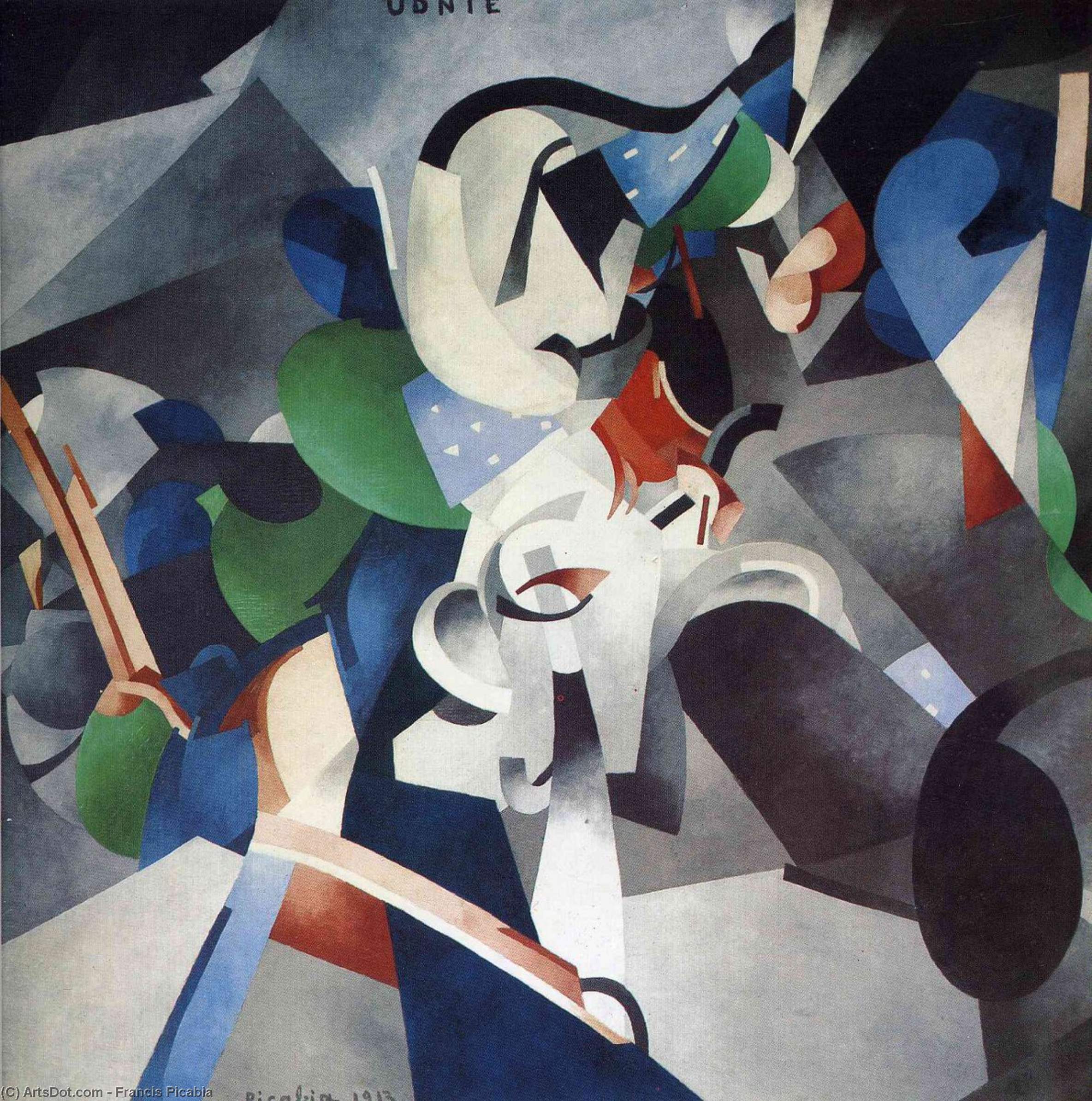
Udnie, Young American Girl
 Acrylic On Canvas
- WallArt
- Cubist Dada
 1913
1913- Early Modern
 300.0 x 300.0 cm
 詳細を見る
詳細を見る




P118B $10

P118H $10

P118W $10

P438Z $10

P508JH $12

P508YH $12

P805H $10

P805Z $10

P919BZ $10

P919G $10

P919XJ $10

P959ZH $10

P968JZ $12

W106C $8

W218G $10

W218JH $8

W218Y $10

W307PJ $10

W316G $10

W316PJ $8

W316Y $10

W398PJ $8

W4111J $10

W500HY $15

W500JH $15

W692G $12

W849H $8

W940BG $15

W953PJ $8




作品のオリジナル比率に合わせた、当店の規定サイズからお選びください。

特定のフレームやスペースに合わせて、ご希望のサイズをご入力いただけます。選択されたサイズが元の画像の比率と異なる場合、アートワークをトリミングするか、手描きで要素を追加して絵画を拡張いたします。デジタルモックアップ を制作し、制作開始前にご確認(承認)をいただきます。
画面上のプレビューは、実際のトリミングや拡張を正確に反映しているものではありません。最終的な構図は、モックアップによってのみ正確にご確認いただけます。
カスタムサイズもご利用いただけますが、元の比率を維持するためには、あらかじめ用意されたリストからサイズを選択することをお勧めいたします。
ご注文後、ArtsDot.com チームより詳細な指示をお送りするとともに、仕上がりイメージ(モックアップ)をご提供いたします。


 ガラスオプションは、110cm未満のサイズでのみご利用いただけます。

Udnie, Young American Girl
複製技法
複製画のサイズ
-


合計金額
$ 263
A Young American Icon: Francis Picabia’s “Udnie, Young American Girl”
Francis Picabia's 1913 painting, "Udnie, Young American Girl," is a captivating enigma, a visual riddle that continues to intrigue and challenge viewers over a century later. Measuring an imposing 300 x 300 cm, the artwork immediately commands attention with its bold color palette – primarily deep blues punctuated by strategic greens and reds – reflecting the artist’s experimentation with chromatic intensity during this pivotal period in his career. The central figure, a young girl adorned in a vibrant blue dress and crowned with an emblem of authority, holds a sword aloft, instantly evoking notions of heroism, innocence, and perhaps, a subtly subversive critique of established power structures.
- Subject Matter: The painting depicts a young woman, identified as “American” within the title’s reference to the Udnie (Vistula River) in Poland. This deliberate naming suggests a commentary on American identity and its projected image onto a European landscape.
- Style & Technique: Executed with Picabia's characteristic precision and meticulous detail, the work showcases his evolving Cubist influences. The fragmented forms of the girl’s body and the stylized rendering of her surroundings demonstrate a move beyond purely representational art towards abstraction while retaining a strong narrative element.
- Historical Context: Created in 1913, “Udnie, Young American Girl” sits squarely within the tumultuous period preceding World War I. The rise of industrialization, rapid social change, and burgeoning political unrest fueled artistic experimentation across Europe, with Cubism emerging as a dominant force challenging traditional notions of perspective and representation.
Symbolism and Narrative Ambiguity
The symbolism within the painting is deliberately layered and open to interpretation – a hallmark of Picabia’s artistic approach. The girl's crown suggests royalty or leadership, yet her youthful appearance undermines this authority. The sword, a traditional symbol of power and defense, is held with an almost hesitant gesture, hinting at uncertainty or perhaps a questioning of the values associated with military strength. The background, rendered in a somewhat abstracted manner, features indistinct figures, further contributing to the painting’s sense of detachment and ambiguity. It's crucial to note that Picabia frequently employed such deliberate obfuscation to provoke thought and challenge viewers to actively engage with the artwork rather than passively accepting a single, definitive meaning.
- The Udnie Connection: The title references the Vistula River in Poland, adding another layer of complexity. This connection may allude to broader themes of national identity, geopolitical tensions, and the artist’s own ambivalent stance towards European politics.
- Gender Roles: The depiction of a young girl as a potential warrior figure raises questions about traditional gender roles and expectations within early 20th-century society.
Picabia's Artistic Legacy & the Value of Reproduction
Francis Picabia was a pivotal figure in the avant-garde movements of his time, constantly shifting his artistic focus and challenging established conventions. His work is characterized by intellectual rigor, technical skill, and a profound engagement with contemporary social and political issues. “Udnie, Young American Girl” exemplifies these qualities perfectly, offering a rare glimpse into the mind of one of modern art’s most enigmatic and influential figures. A hand-painted reproduction of this artwork offers collectors and interior designers alike the opportunity to experience the full impact of Picabia's vision – its vibrant colors, intricate details, and underlying symbolism – within their own spaces.
- Authentic Reproduction: ArtsDot.com specializes in meticulously crafted hand-painted reproductions that capture the essence of original artworks like “Udnie, Young American Girl.”
- Investment & Appreciation: Owning a reproduction allows you to appreciate Picabia’s genius and contribute to the preservation of his legacy.
関連作品
アーティストの略歴
A Life Forged in Avant-Garde Fire: The World of Francis Picabia
Francis Picabia, a name synonymous with the restless spirit of early 20th-century art, was more than just a painter; he was a provocateur, a poet, a typographer, and a relentless explorer of artistic boundaries. Born in Paris in 1879 to a French mother and a Cuban father steeped in diplomatic circles, Picabia’s life was marked by both privilege and a profound dissatisfaction with convention. This duality fueled his artistic journey, propelling him through Cubism, Dada, Surrealism, and beyond, leaving an indelible mark on the landscape of modern art. His early years were shadowed by tragedy – the loss of his mother to tuberculosis when he was just five – but also nurtured by a father who encouraged his burgeoning talent. Inheriting a substantial fortune allowed Picabia the freedom to dedicate himself entirely to artistic pursuits, a luxury that enabled him to relentlessly experiment and challenge established norms. He wasn’t merely interested in *what* art looked like; he questioned its very purpose and meaning.
From Impressionistic Beginnings to Cubist Revolution
Picabia's initial forays into the art world were rooted in the prevailing styles of the time, particularly Impressionism. He painted Parisian landscapes and riverbanks with a technical proficiency that nonetheless left him feeling unfulfilled. Critics found his work derivative, lacking originality, prompting a crucial turning point. This dissatisfaction spurred him to seek new avenues of expression, leading him towards the revolutionary ideas brewing within the Cubist movement around 1909. Joining the Puteaux Group – a collective including Marcel Duchamp and Guillaume Apollinaire – proved pivotal. He immersed himself in the deconstruction of form, the fragmentation of perspective, and the exploration of geometric abstraction. This period saw a significant shift in his aesthetic, moving away from representational accuracy towards a more conceptual approach to painting. His canvases began to pulse with a new energy, reflecting the intellectual ferment of the era. The influence of Duchamp was particularly strong, fostering a shared spirit of iconoclasm and a willingness to dismantle artistic traditions.
Dada’s Provocateur: Machines, Satire, and the Rejection of Reason
The outbreak of World War I served as a catalyst for Picabia's most radical phase – his embrace of Dadaism. Disgusted by the senseless violence and societal hypocrisy he witnessed, he rejected reason, logic, and traditional artistic values altogether. A move to New York in 1915 placed him at the heart of an emerging American Dada scene alongside Duchamp and Man Ray. It was here that Picabia truly honed his unique brand of Dadaist expression. He began creating a series of “machine drawings,” depicting fantastical mechanical contraptions – often imbued with sexual undertones – that served as biting critiques of modern society’s obsession with technology and industrialization. These works weren't simply depictions of machines; they were allegories for the dehumanizing forces at play in the world around him. His satirical wit, combined with a masterful command of line and form, made these drawings particularly potent. He published *The Little Review*, a Dadaist journal that further disseminated his provocative ideas and challenged conventional artistic norms. Universal Prostitution, a complex drawing created during this period, exemplifies his willingness to confront taboo subjects and dismantle societal expectations.
A Shifting Kaleidoscope: Surrealism and Beyond
Picabia’s artistic journey was characterized by constant evolution and a refusal to be bound by the limitations of tradition. While deeply involved with Dada, he briefly flirted with Surrealism in the 1920s, exploring the realm of dreams and the subconscious. However, even this association proved temporary. He quickly grew disillusioned with what he perceived as the rigid dogma of the Surrealist movement, preferring to maintain his independence and continue charting his own course. Throughout the latter part of his career, Picabia continued to experiment with various styles and techniques, incorporating elements of figuration, abstraction, and even transparency into his work. His later paintings often featured biomorphic forms and a vibrant palette, reflecting a renewed interest in organic shapes and sensual textures. He remained a restless innovator until his death in 1953, leaving behind a body of work that continues to challenge and inspire artists today.
Legacy: A Pioneer of Modern Artistic Freedom
Francis Picabia’s influence on modern art is undeniable. His relentless experimentation, his rejection of convention, and his willingness to embrace contradiction paved the way for generations of artists who followed. He was a true pioneer of artistic freedom, demonstrating that art could be anything – a political statement, a philosophical inquiry, a personal expression, or simply a playful exploration of form and color. His work anticipated many of the key developments in 20th-century art, from Pop Art to Conceptualism. He challenged the very definition of what constituted “art,” forcing viewers to question their own assumptions and preconceptions. Today, Picabia’s paintings are celebrated for their intellectual rigor, their visual dynamism, and their enduring relevance. His legacy lies not only in his individual masterpieces but also in his unwavering commitment to artistic innovation and his refusal to be bound by the limitations of tradition.
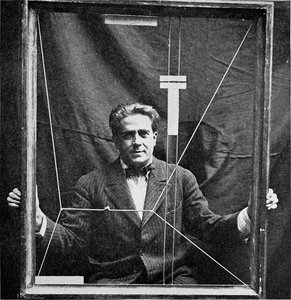
フランシス・ピカビア
1879 - 1953 , フランス
基本情報
- Artistic Movement Or Style: キュビズム、ダダ、シュルレアリスム
- Artists Who Influenced This Artist:
- アルフレッド・シスレー
- マルセル・デュシャン
- Date Of Birth: 1月22日
- Date Of Death: 11月30日
- Full Name: フランシス・ピカソ
- Nationality: フランス人
- Notable Artworks:
- 三幕劇
- インノセント10世の肖像
- Place Of Birth: パリ、フランス
関連記事

Slate Blue Masterpieces: 10 Iconic Paintings & Timeless Home Decor Ideas
Immerse yourself in the captivating world of slate blue! Explore 10 iconic paintings by Monet, Van Gogh & Renoir. Discover their stories, techniques & find museum-quality art reproductions for your home at .

Giclée Prints: Archival Quality & Aesthetic Nuances for the Discerning Collector
Explore the world of giclée prints with ArtsDot. Learn about archival quality, aesthetic nuances & investment potential. Expert guidance for discerning art collectors seeking museum-quality reproductions and lasting value.
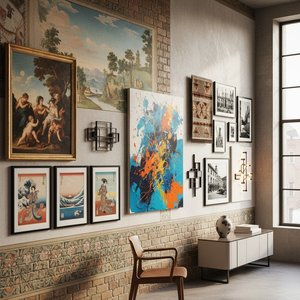
Transforming Spaces: A Comprehensive Exploration of Wall Decor Through Art History & Contemporary Practice
Explore the art of transforming spaces with our comprehensive guide to wall decor. From historical movements to contemporary trends, discover how to curate impactful interiors and commission bespoke artwork for a truly personalized aesthetic.

Echoes of Time: Exploring the Enduring Appeal & Historical Context of Vintage Art Prints
Explore the captivating world of vintage art prints! Discover their history, collecting tips & enduring appeal. Expert insights on chromolithography and building a legacy collection with ArtsDot.
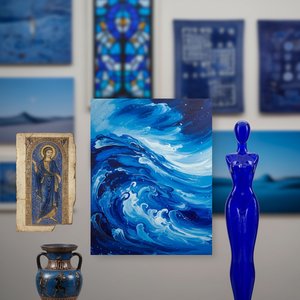
The Allure of Azure: Exploring the Symbolic & Aesthetic Depths of Blue in Art History
Explore the rich history of blue in art! Discover its symbolism, from ancient pigments to modern masterpieces by Kandinsky & Seurat. Uncover the psychological impact and cultural meanings behind this captivating hue.

