

 プレビュー
プレビュー
 プリントを購入
 シェアする
シェアする シェアする
シェアする
 詳細を見る
詳細を見る

 ダウンロード
 似ている作品
 X線調査
X線調査 スライドショー
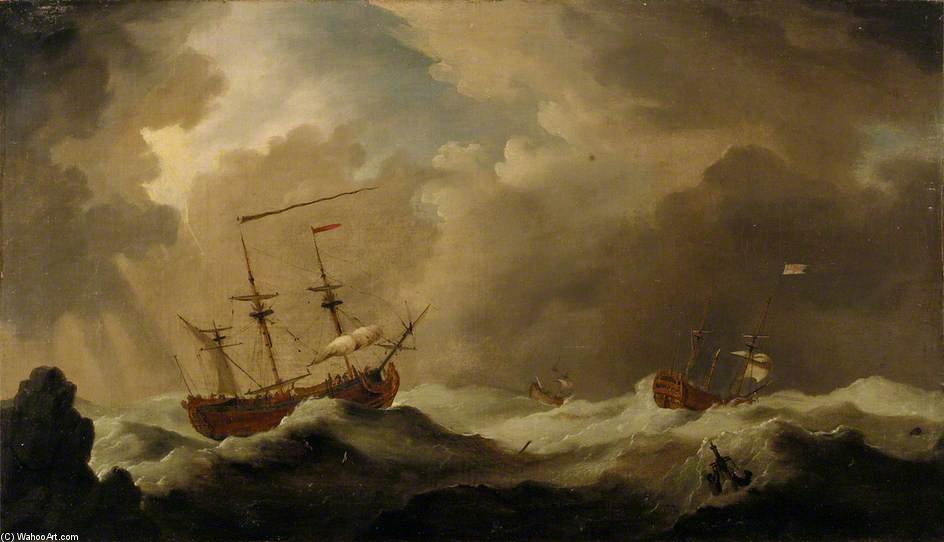
Shipping In A Storm
 詳細を見る
詳細を見る
オンラインプレビューをはるかに凌ぐ、高解像度で鮮明なデジタル画像をご購入いただけます。
各ファイルは、社内の専門家が高度なツールと熟練した手作業によるレタッチを用いて、細心の注意を払って準備されています。すべての画像において、卓越した鮮明度、正確な色彩再現性、そして繊細なディテールを保証いたします。
最終ファイルは、プロフェッショナルな編集・印刷環境ですぐにご利用いただけるよう最適化された状態で、72時間以内にメールにてお届けいたします。これは、一流のデザインスタジオ、出版社、ギャラリーから信頼されているものと同等の品質です。
デジタル画像のご注文に付随する特典
高品質なデジタル画像配信を、確かな品質で。
ArtsDot.com を選ぶことは、単に画像を手に入れることではありません。それは、プロの手によって精密に仕上げられ、満足保証が付いた高品質なデジタルアートワークを受け取ることを意味します。ご注文いただいた際に自動的に付随する内容は、以下の通りです:

メールですぐにお届け
ご注文から72時間以内に、高解像度のデジタル画像ファイルがメールでお手元に届きます。すぐにそのままご利用いただけます。

AI技術で最適化されたデジタルファイル
お客様の作品は、高度なAIツールと専門家による手作業の編集を組み合わせてプロフェッショナルに最適化されており、細部のディテール、鮮明さ、そして正確な色再現性を最大限に引き出しています。

一生涯無料の再送サービス
ファイルを誤って削除したり、紛失してしまったりしましたか?ご安心ください。いつでも無料で再送いたします。

輸入手数料は一切かかりません
関税や手数料、配送料を気にすることなく、お気に入りのアートワークをすぐにお楽しみいただけます。デジタルダウンロードは常に免税です。

色彩再現の保証
プロ仕様のツールとカラーマネジメント技術を用いることで、デジタル画像が元の色を最大限に忠実に再現することを保証いたします。

60日間満足保証
ご購入いただいたデジタル画像にご満足いただけない場合は、60日以内であれば、修正または100%の返金(理由を問う必要はありません)をさせていただきます。

100% 返金保証
ご満足いただけない場合は、デジタルファイルを受け取ってから60日以内であれば、理由を問わず全額返金いたします。

まとめ買い割引
3枚購入で10%OFF - 5枚購入で15%OFF - 10枚以上購入で20%OFF。クリエイティブなプロジェクト、ギャラリー、エージェンシーに最適です。
関連作品









作家の略歴
Jean-Baptiste Greuze: The Master of Melancholy
Jean-Baptiste Greuze, born in Tournus, Burgundy, on August 21st, 1725, and passing away in Paris on March 4th, 1805, remains a singularly compelling figure in the history of European art. His life was marked by both extraordinary success and profound personal struggles, shaping a distinctive artistic vision that captivated audiences throughout his career. Initially destined for a more conventional path – his father a roofer – Greuze’s innate talent for drawing was nurtured early on by a Lyon artist, Grandon, who defied familial expectations and encouraged the boy's artistic pursuits. This initial training laid the foundation for a career that would ultimately redefine the boundaries of genre painting and establish him as one of the most popular artists of his time.Early Years and Artistic Training
Greuze’s early years were characterized by a deliberate, almost methodical approach to his craft. He first studied in Lyon, honing his skills under Grandon, before relocating to Paris around 1750. It was in the bustling artistic environment of the capital that he enrolled at the Académie Royale de Peinture et de Sculpture, seeking formal recognition and entry into the prestigious Salon system. However, his attempts to gain acceptance as a history painter were met with resistance, largely due to his unconventional methods and a perceived lack of adherence to established academic norms. Despite this initial setback, Greuze persisted, developing a unique style that relied heavily on expressive gestures, dramatic lighting, and meticulously rendered details—elements that would soon distinguish his work from its contemporaries. His early works, such as *Le Père de famille expliquant la Bible à ses enfants* (1755), immediately garnered attention for their emotional intensity and narrative power, establishing him as a rising star in the Parisian art scene.The Rise of a Genre Master
Greuze’s breakthrough came through his exploration of *genre scenes*, intimate depictions of everyday life populated by ordinary people engaged in relatable situations. Unlike the grand historical narratives favored by the Academy, Greuze focused on contemporary moral dilemmas and emotional complexities—themes that resonated deeply with a burgeoning middle-class audience eager for art that reflected their own experiences. His paintings often featured families grappling with difficult choices, young girls facing perilous temptations, or individuals confronting poverty and hardship. These scenes were not merely illustrations of social realities; they served as vehicles for exploring ethical questions and conveying moral lessons—a characteristic that earned him the moniker “painter of morality.” The success of works like *L'Accordée de village (The marriage contract)* in 1761, a poignant depiction of a young woman’s impending nuptials, cemented his reputation and fueled a surge in popularity.Italian Travels and Artistic Evolution
In 1757, Greuze embarked on a transformative journey to Italy, accompanied by the Abbé Louis Gougenot, a patron who provided him with studio space and access to the artistic treasures of Rome. This sojourn proved pivotal in shaping his artistic development, exposing him to the classical ideals of antiquity and inspiring a renewed interest in mythological and allegorical subjects. However, rather than embracing these influences directly, Greuze selectively incorporated them into his existing style, retaining his focus on contemporary moral themes while subtly referencing classical motifs. His Italian paintings, exhibited at the Salon of 1757, demonstrated this hybrid approach—a blend of local realism and idealized forms.Later Years and Legacy
Despite achieving considerable fame during his lifetime, Greuze’s later career was marked by professional setbacks and personal difficulties. His refusal to submit a reception piece to the Académie Royale in 1769, prompted by a desire for recognition as a history painter, resulted in his exclusion from the Salon system—a decision that significantly curtailed his opportunities for exposure and commercial success. Furthermore, his marriage to Anne-Gabrielle Babut proved unhappy, contributing to a period of emotional instability. Nevertheless, Greuze continued to produce works that captivated audiences, albeit on a smaller scale. His later paintings often featured sensationalized depictions of young girls—a controversial trend that drew criticism but also ensured his continued popularity among collectors and patrons. Jean-Baptiste Greuze died in Paris in 1805, leaving behind a vast body of work that continues to fascinate art historians and viewers alike. His legacy lies not only in his technical skill and expressive power but also in his pioneering role as a genre painter who elevated the status of everyday life and explored the complexities of human emotion with unparalleled sensitivity. He remains an important figure in the history of French painting, demonstrating how artistic innovation can emerge from both personal struggle and a deep engagement with the social realities of his time.
francis swaine
1725 - 1782 , United Kingdom
プロフィール概要
- Artistic Movement Or Style: Genre painting
- Artists Or Movements Influenced By This Artist: ['Dutch genre scenes']
- Artists Who Influenced This Artist: ['Grandon']
- Date Of Birth: 1725
- Date Of Death: 1805
- Full Name: Jean-Baptiste Greuze
- Nationality: French
- Notable Artworks:
- Broken Eggs
- Neapolitan Gesture
- Septimius Severus
- Place Of Birth: Tournus, Burgundy

