

 プレビュー
プレビュー
 プリントを購入
 シェアする
シェアする シェアする
シェアする
 詳細を見る
詳細を見る

 ダウンロード
 似ている作品
 X線調査
X線調査 スライドショー
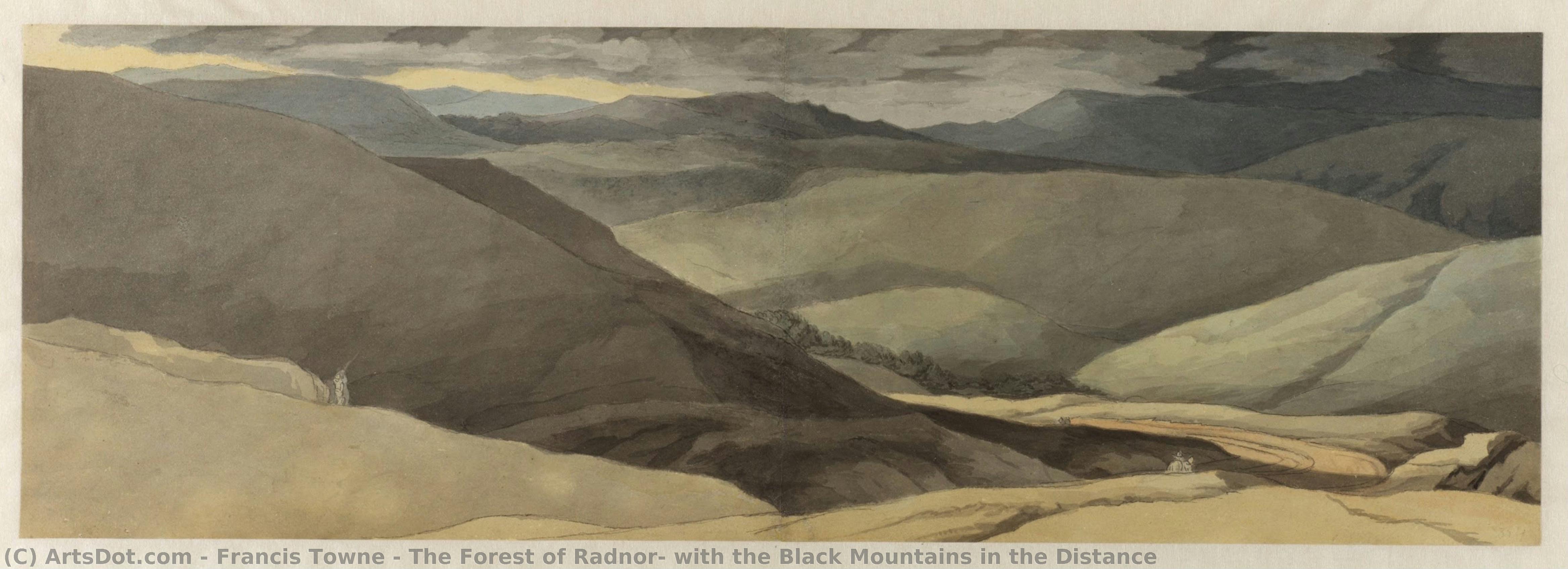
The Forest of Radnor, with the Black Mountains in the Distance
 Watercolor
- WallArt
- Landscape Painting
 1810
1810- 19th Century
 17.0 x 50.0 cm
 Courtauld Gallery
 詳細を見る
詳細を見る
オンラインプレビューをはるかに凌ぐ、高解像度で鮮明なデジタル画像をご購入いただけます。
各ファイルは、社内の専門家が高度なツールと熟練した手作業によるレタッチを用いて、細心の注意を払って準備されています。すべての画像において、卓越した鮮明度、正確な色彩再現性、そして繊細なディテールを保証いたします。
最終ファイルは、プロフェッショナルな編集・印刷環境ですぐにご利用いただけるよう最適化された状態で、72時間以内にメールにてお届けいたします。これは、一流のデザインスタジオ、出版社、ギャラリーから信頼されているものと同等の品質です。
デジタル画像のご注文に付随する特典
高品質なデジタル画像配信を、確かな品質で。
ArtsDot.com を選ぶことは、単に画像を手に入れることではありません。それは、プロの手によって精密に仕上げられ、満足保証が付いた高品質なデジタルアートワークを受け取ることを意味します。ご注文いただいた際に自動的に付随する内容は、以下の通りです:

メールですぐにお届け
ご注文から72時間以内に、高解像度のデジタル画像ファイルがメールでお手元に届きます。すぐにそのままご利用いただけます。

AI技術で最適化されたデジタルファイル
お客様の作品は、高度なAIツールと専門家による手作業の編集を組み合わせてプロフェッショナルに最適化されており、細部のディテール、鮮明さ、そして正確な色再現性を最大限に引き出しています。

一生涯無料の再送サービス
ファイルを誤って削除したり、紛失してしまったりしましたか?ご安心ください。いつでも無料で再送いたします。

輸入手数料は一切かかりません
関税や手数料、配送料を気にすることなく、お気に入りのアートワークをすぐにお楽しみいただけます。デジタルダウンロードは常に免税です。

色彩再現の保証
プロ仕様のツールとカラーマネジメント技術を用いることで、デジタル画像が元の色を最大限に忠実に再現することを保証いたします。

60日間満足保証
ご購入いただいたデジタル画像にご満足いただけない場合は、60日以内であれば、修正または100%の返金(理由を問う必要はありません)をさせていただきます。

100% 返金保証
ご満足いただけない場合は、デジタルファイルを受け取ってから60日以内であれば、理由を問わず全額返金いたします。

まとめ買い割引
3枚購入で10%OFF - 5枚購入で15%OFF - 10枚以上購入で20%OFF。クリエイティブなプロジェクト、ギャラリー、エージェンシーに最適です。
A Serene Encounter with the Welsh Wilderness
In the delicate, sweeping lines of Francis Towne’s "The Forest of Radnor, with the Black Mountains in the Distance," we are invited to step into a moment of profound stillness. Created around 1810, this exquisite work captures more than just a topographical view; it captures a feeling of quiet companionship and the vast, breathing majesty of the British landscape. The composition presents a breathtaking vista where the rugged peaks of the Black Mountains rise against the horizon, their silhouettes softened by the atmospheric haze of the Welsh countryside. Amidst this grand scale, Towne places a subtle, human element: a solitary figure perched atop a mountain ridge, accompanied by a loyal dog near the foreground. This small, intimate detail transforms the landscape from a mere geological study into a narrative of exploration and peaceful solitude, making it an ideal centerpiece for those who find solace in the untamed beauty of nature.
The technique employed here speaks to Towne’s mastery of the watercolor medium, a skill honed during his formative travels through Italy and the English Lake District. The piece possesses the ethereal quality of a sketch, yet it is imbued with a deliberate, rhythmic structure that guides the eye across the undulating terrain. There is a wonderful lightness to the brushwork, where layers of pigment create a sense of depth and aerial perspective, allowing the distant mountains to recede into a soft, dreamlike blue. For the discerning collector or interior designer, this work offers a sophisticated balance of tonal subtlety and structural elegance. It does not shout for attention but rather commands the room through its understated grace, providing a window of tranquility that can anchor a room with a sense of historical depth and pastoral charm.
The Legacy of an English Master
To possess a reproduction of this work is to hold a piece of the late Georgian era’s artistic soul. Francis Towne, though often overshadowed by his contemporaries in the Royal Academy, was a pioneer of a more stylized, pattern-oriented approach to landscape painting. His ability to distill complex natural forms into elegant, almost decorative arrangements predated many of the trends that would later define 19th-century British art. This particular work, with its panoramic breadth and intimate subject matter, serves as a testament to his "study trip" philosophy—the idea that true art is born from a deep, observational connection to the land. Whether placed in a contemporary minimalist setting or a more traditional, classic study, this painting brings with it an enduring sense of wanderlust and the timeless allure of the great outdoors.
関連作品
作家の略歴
The Elegant Vision of Francis Towne
In the delicate interplay of light and wash that defines the golden age of British watercolor, the name Francis Towne emerges as a figure of profound elegance and stylistic distinction. Born in Iselin in 1739, Towne’s journey from an apprentice in the London coach-painting trade to a recognized master of landscape painting is a testament to the transformative power of artistic devotion. His early life, rooted in the industrious atmosphere of Middlesex, provided him with a foundational discipline that would later manifest in his meticulous approach to color and form. Though he began his career far from the fine arts, his innate talent was quickly recognized; by 1759, he had already secured a design prize from the Society of Arts, signaling the arrival of a significant new voice in the English landscape tradition.
The evolution of Towne’s aesthetic was deeply shaped by his travels, most notably his formative journey to Italy between 1780 and 1781. This period of exploration did more than merely expose him to classical vistas; it allowed him to absorb the nuances of light and the sophisticated techniques of contemporary English watercolorists working abroad. Upon his return, his work began to reflect a unique synthesis of topographical accuracy and a more stylized, almost decorative sensibility. This "flat colourful pattern-making," as art historians have noted, aligned perfectly with the burgeoning tastes of his era, blending the rugged beauty of the British countryside—captured during study trips to Wales and the Lake District—with a refined, rhythmic grace that felt both modern and timeless.
A Legacy Rediscovered
Despite his undeniable skill, Towne’s historical trajectory was one of ebb and flow. During his lifetime, he enjoyed a respectable reputation, though he famously faced the frustration of repeated exclusions from the Royal Academy. Following his death in 1816, his name drifted into a period of relative obscurity, as the shifting tides of art history often overlooked those who did not adhere to the rigid academicism of the succeeding generations. It was not until the early 20th century that a passionate revival brought his genius back into the light. The discerning eye of collectors like Paul Oppé played a crucial role in this resurrection; by recognizing the immense value in Towne’s elegant, early manner, these collectors helped ensure that his masterpieces were preserved rather than lost to time.
Today, the significance of Francis Towne is firmly established within the canon of British art. His works are no longer mere curiosities but are celebrated treasures held in the most prestigious institutions worldwide, including:
- The British Museum, where his technical mastery is studied by scholars of watercolor.
- The Yale Center for British Art, which preserves his contribution to the landscape tradition.
- Private Collections, where his ability to evoke atmosphere through subtle washes continues to captivate enthusiasts.
The enduring appeal of Towne lies in his ability to transcend simple documentation. He did not merely paint landscapes; he composed them. Through a sophisticated use of watercolor, he captured the essence of the Devon countryside and the dramatic peaks of Wales with a sense of poetic structure. His legacy remains a vital chapter in the history of British painting, representing a moment when the landscape became a canvas for both naturalistic observation and exquisite, stylized artistry.
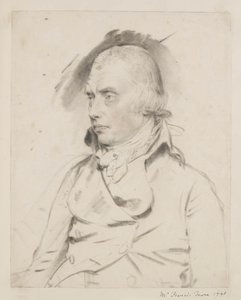
francis towne
1739 - 1816 , United Kingdom
プロフィール概要
- Artistic Movement Or Style: Watercolour landscape painting
- Artists Who Influenced This Artist:
- English watercolourists
- John Shackleton
- Date Of Birth: 1739
- Date Of Death: 1816
- Full Name: Francis Towne
- Nationality: British
- Place Of Birth: Iselin, United Kingdom

