

 プレビュー
プレビュー
 プリントを購入
 シェアする
シェアする シェアする
シェアする
 詳細を見る
詳細を見る

 ダウンロード
 似ている作品
 X線調査
X線調査 スライドショー
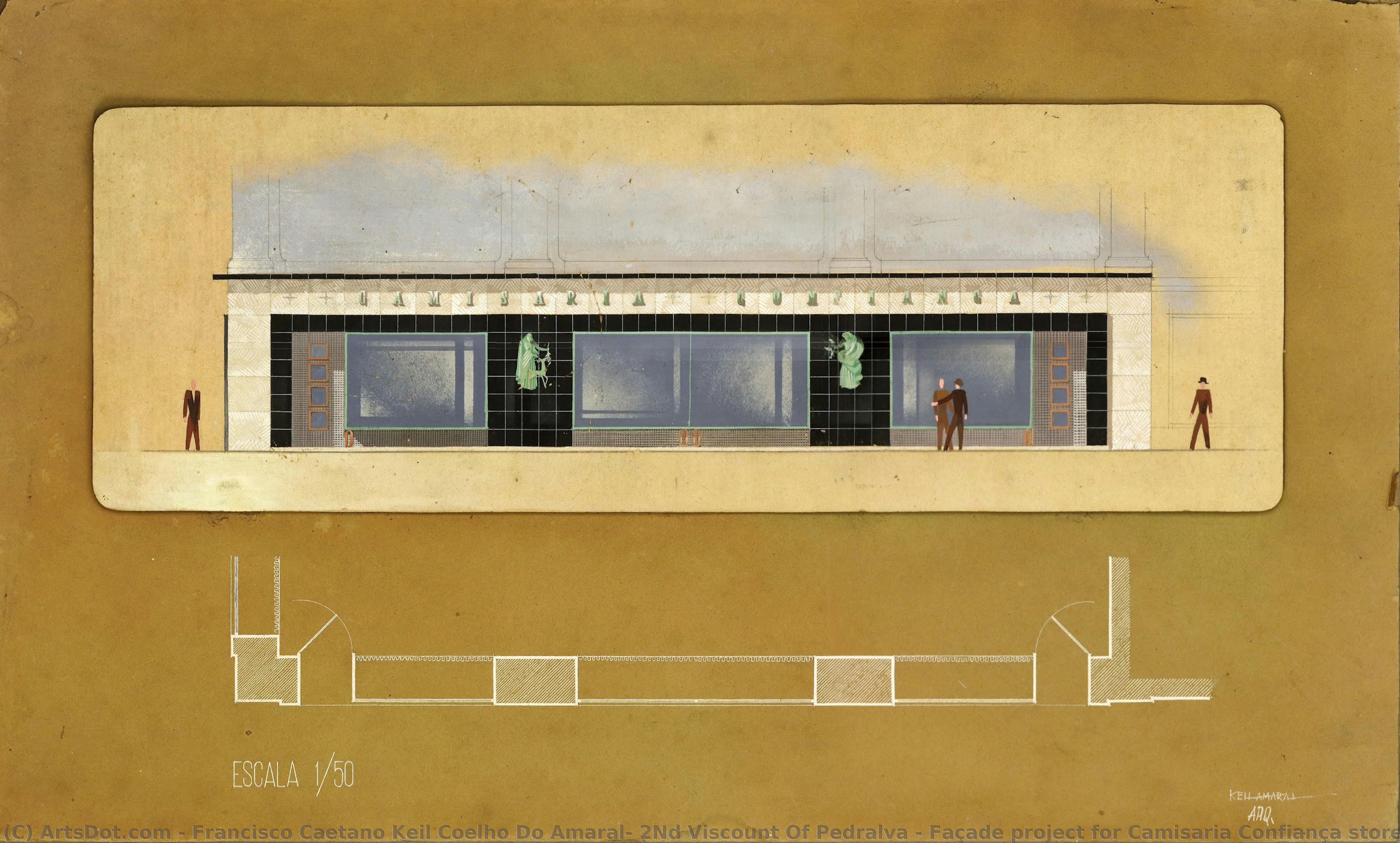
Façade project for Camisaria Confiança store
 Modernism
 1949
1949- Modern
 11.0 x 69.0 cm
 Lisboa Municipal Archive
 詳細を見る
詳細を見る
オンラインプレビューをはるかに凌ぐ、高解像度で鮮明なデジタル画像をご購入いただけます。
各ファイルは、社内の専門家が高度なツールと熟練した手作業によるレタッチを用いて、細心の注意を払って準備されています。すべての画像において、卓越した鮮明度、正確な色彩再現性、そして繊細なディテールを保証いたします。
最終ファイルは、プロフェッショナルな編集・印刷環境ですぐにご利用いただけるよう最適化された状態で、72時間以内にメールにてお届けいたします。これは、一流のデザインスタジオ、出版社、ギャラリーから信頼されているものと同等の品質です。
デジタル画像のご注文に付随する特典
高品質なデジタル画像配信を、確かな品質で。
ArtsDot.com を選ぶことは、単に画像を手に入れることではありません。それは、プロの手によって精密に仕上げられ、満足保証が付いた高品質なデジタルアートワークを受け取ることを意味します。ご注文いただいた際に自動的に付随する内容は、以下の通りです:

メールですぐにお届け
ご注文から72時間以内に、高解像度のデジタル画像ファイルがメールでお手元に届きます。すぐにそのままご利用いただけます。

AI技術で最適化されたデジタルファイル
お客様の作品は、高度なAIツールと専門家による手作業の編集を組み合わせてプロフェッショナルに最適化されており、細部のディテール、鮮明さ、そして正確な色再現性を最大限に引き出しています。

一生涯無料の再送サービス
ファイルを誤って削除したり、紛失してしまったりしましたか?ご安心ください。いつでも無料で再送いたします。

輸入手数料は一切かかりません
関税や手数料、配送料を気にすることなく、お気に入りのアートワークをすぐにお楽しみいただけます。デジタルダウンロードは常に免税です。

色彩再現の保証
プロ仕様のツールとカラーマネジメント技術を用いることで、デジタル画像が元の色を最大限に忠実に再現することを保証いたします。

60日間満足保証
ご購入いただいたデジタル画像にご満足いただけない場合は、60日以内であれば、修正または100%の返金(理由を問う必要はありません)をさせていただきます。

100% 返金保証
ご満足いただけない場合は、デジタルファイルを受け取ってから60日以内であれば、理由を問わず全額返金いたします。

まとめ買い割引
3枚購入で10%OFF - 5枚購入で15%OFF - 10枚以上購入で20%OFF。クリエイティブなプロジェクト、ギャラリー、エージェンシーに最適です。
関連作品
作家の略歴
A Pioneer of Modern Portuguese Architecture: Francisco Keil do Amaral
Francisco Caetano Keil Coelho do Amaral, 2nd Viscount of Pedralva (1910-1975), stands as a pivotal figure in the development of modern architecture in Portugal. More than simply an architect, he was a painter and photographer whose unique vision sought to reconcile the principles of rational design with a deep respect for traditional Portuguese building practices. His career unfolded during the complex political landscape of the Estado Novo regime, where he navigated a path independent of both its historicist tendencies and the rigid internationalism of the time, forging what he termed a “third way” in architectural expression. Born into a family with significant public service ties – his father served as Governor-General of Portuguese Angola – Keil do Amaral’s early life instilled a sense of civic responsibility that would permeate his professional endeavors. His childhood experiences, including a period spent in Luanda and formative years at Canas de Senhorim, shaped an aesthetic sensibility attuned to both the grandeur of colonial architecture and the understated beauty of rural Portugal.Early Influences and Artistic Formation
Keil do Amaral’s formal artistic training began with studies in advertising design, followed by enrollment in the Architecture course at Lisbon's School of Fine Arts in 1930. However, a conflict with his professor led him to pursue his education independently, working under the guidance of Carlos Ramos, whose functionalist approach profoundly influenced his early work. This period saw Keil do Amaral embrace purism and rational design principles, evident in projects like the Instituto Pasteur in Porto (1933-1935). Crucially, his time in Paris in 1936, winning the competition for the Portuguese Pavilion at the Universal Fair, marked a turning point. Exposure to international trends was tempered by travels through the Netherlands, where he discovered the work of Willem Marinus Dudok and developed an admiration for Frank Lloyd Wright. This encounter sparked a desire to integrate modern rationality with a thoughtful consideration of architectural traditions – a core tenet of his evolving philosophy. He recognized in Dutch architecture a progressive character that harmonized seamlessly with established customs, a binomial that would define his practice.A “Third Way” and Public Works
The 1940s and 50s witnessed Keil do Amaral’s most significant contributions to Portuguese architecture. He deliberately distanced himself from the prevailing aesthetic currents of the Estado Novo, rejecting both its revivalist tendencies and the wholesale adoption of International Style orthodoxy. Instead, he championed a uniquely Portuguese modernism – one that embraced functionality but remained deeply rooted in local materials, techniques, and cultural contexts. This approach is particularly evident in his public works projects. He assumed responsibility for important commissions without aligning himself with the political regime’s ideological preferences. Projects such as the *Project of the lake island in Campo Grande* demonstrate a sensitivity to landscape and urban space, while designs for commercial facades – like those for *Camisaria Confiança store* and *Sapataria Paris store* – showcase his ability to blend modern aesthetics with the character of Lisbon’s existing architectural fabric. His work consistently sought a balance between innovation and tradition, creating buildings that were both forward-looking and deeply connected to their surroundings.Legacy and Historical Significance
Francisco Keil do Amaral's influence extends beyond the physical structures he designed. He represented a rare instance of artistic independence within an authoritarian context, successfully navigating the complexities of the Estado Novo era while maintaining his own distinct vision. His emphasis on functionality, simplicity, and integration with local traditions paved the way for subsequent generations of Portuguese architects. He left behind a body of work that continues to inspire, demonstrating the power of architecture to reflect cultural identity and respond sensitively to its environment. The fact that his name graces a street in Lisbon is a testament to his enduring legacy as a pioneer of modern Portuguese design – an architect who sought not merely to build structures, but to create spaces that embodied a uniquely Portuguese spirit. His work remains a compelling example of how architectural innovation can be achieved through thoughtful engagement with history and context, rather than blind adherence to prevailing trends.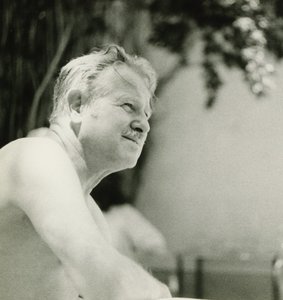
francisco caetano keil coelho do amaral, 2nd viscount of pedralva
1910 - 1975 , Portugal
プロフィール概要
- Artistic Movement Or Style: Modernist architecture
- Artists Who Influenced This Artist:
- Carlos Ramos
- Willem Dudok
- Frank Lloyd Wright
- Date Of Birth: April 28, 1910
- Date Of Death: February 19, 1975
- Full Name: Francisco Keil do Amaral
- Nationality: Portuguese
- Notable Artworks:
- Lake Island Project
- Camisaria Confiança Facade
- Sapataria Paris Facade
- Place Of Birth: Lisbon, Portugal

