

 プレビュー
プレビュー
 プリントを購入
 シェアする
シェアする シェアする
シェアする
 詳細を見る
詳細を見る

 ダウンロード
 似ている作品
 X線調査
X線調査 スライドショー
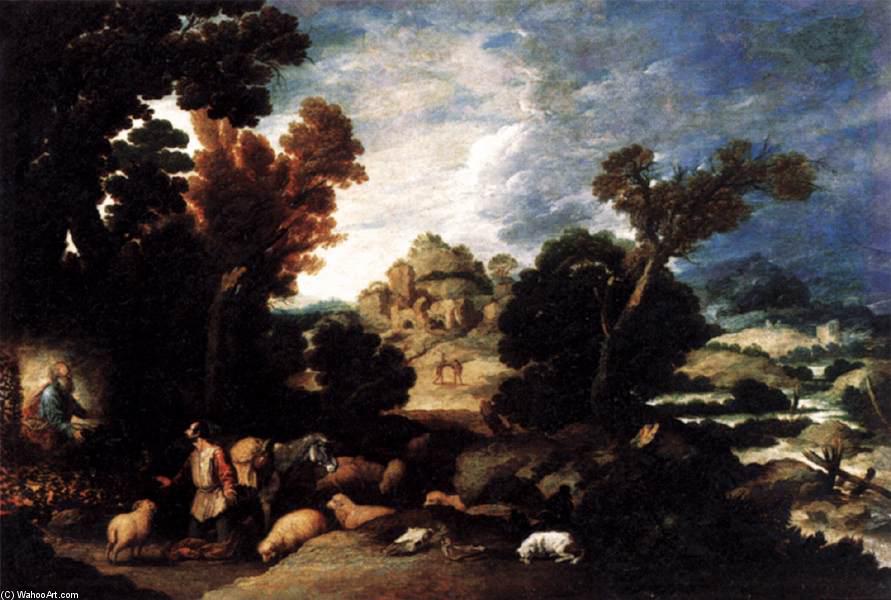
The Burning Bush


 詳細を見る
詳細を見る




































作品のオリジナル比率に合わせた、当店の規定サイズからお選びください。

特定のフレームやスペースに合わせて、ご希望のサイズをご入力いただけます。選択されたサイズが元の画像の比率と異なる場合、アートワークをトリミングするか、手描きで要素を追加して絵画を拡張いたします。デジタルモックアップ を制作し、制作開始前にご確認(承認)をいただきます。
画面上のプレビューは、実際のトリミングや拡張を正確に反映しているものではありません。最終的な構図は、モックアップによってのみ正確にご確認いただけます。
カスタムサイズもご利用いただけますが、元の比率を維持するためには、あらかじめ用意されたリストからサイズを選択することをお勧めいたします。
ご注文後、ArtsDot.com チームより詳細な指示をお送りするとともに、仕上がりイメージ(モックアップ)をご提供いたします。


 ガラスオプションは、110cm未満のサイズでのみご利用いただけます。

The Burning Bush
複製技法
複製画のサイズ
-


合計金額
$ 263
作品解説
Artistic Style and Influences
Francisco Collantes was influenced by Jusepe de Ribera and the Neapolitan School, as well as 16th-century Venetian painters. His works, including The Burning Bush, reflect a harmonious blend of human activity and natural elements, evoking a sense of timelessness and spiritual significance. The painting's earthy tones and detailed brushwork create a warm and inviting atmosphere, despite the presence of fire.Composition and Symbolism
The scene depicts a group of figures gathered around a burning bush, dressed in traditional attire, suggesting a historical or biblical narrative. The background features a landscape with trees and rolling hills under a sky filled with clouds, adding depth to the composition. The Burning Bush is a symbol of divine presence and spiritual guidance, making this painting a significant work in the Christian art movement.- Oil on canvas: The painting's medium, which allows for rich colors and textures.
- Baroque era: The artistic style that emerged in Europe during the 17th century, characterized by dramatic lighting and intense emotions.
- Biblical narrative: The story of the burning bush is a pivotal moment in the Bible, where God appears to Moses and instructs him to lead the Israelites out of Egypt.
The Musée du Louvre is one of the world's largest and most famous museums, housing an impressive collection of art and artifacts from around the globe. To explore more artworks like The Burning Bush, visit https://ArtsDot.com/.
関連作品






アーティストの略歴
A Pioneer of Spanish Landscape: The Life and Art of Francisco Collantes
Francisco Collantes, born in Madrid around 1599, stands as a pivotal figure in the development of landscape painting within the Spanish Baroque tradition. While biographical details remain somewhat elusive—relying largely on accounts from contemporaries like Antonio Palomino—his artistic impact is undeniable. He emerged during a period of significant cultural vibrancy in Spain’s Golden Age, a time when royal patronage and religious fervor fueled artistic innovation. Unlike many of his peers who focused primarily on portraiture or historical scenes, Collantes dedicated himself to capturing the beauty and drama of the natural world, integrating it seamlessly with biblical narratives—a relatively novel approach for Spanish art of the era. He wasn’t merely depicting landscapes; he was using them as a powerful vehicle for spiritual expression.Early Influences and Artistic Formation
Collantes' artistic journey began under the tutelage of Vicente Carducho, an Italian-Spanish painter active at the royal court. This foundational training provided him with a solid grounding in naturalistic techniques and dramatic composition—hallmarks of early 17th-century Spanish painting. However, Collantes didn’t limit his influences to his immediate surroundings. He keenly observed the works of Jusepe de Ribera, known for his intense realism and tenebrism, absorbing elements of that powerful style. Furthermore, he drew inspiration from 16th-century Venetian masters, particularly their atmospheric perspective and rich color palettes. This unique blend of Italianate precision, Neapolitan drama, and Venetian lyricism would become the defining characteristic of his work. He was fascinated by how light could transform a scene, creating mood and emphasizing emotional impact—a technique he skillfully employed throughout his career.A Unique Synthesis: Landscape as Narrative
Collantes distinguished himself through his pioneering integration of landscape with religious themes. Before him, Spanish paintings typically relegated landscapes to secondary roles, serving merely as backdrops for the main action. Collantes elevated the landscape itself to a position of prominence, imbuing it with symbolic meaning and emotional resonance. His scenes weren’t simply *set* in nature; they were profoundly shaped by it. The Burning Bush (c. 1634), now housed at the Louvre Museum, exemplifies this approach. The rugged terrain and dramatic lighting aren't just descriptive elements—they mirror the intensity of Moses’ encounter with the divine. Similarly, Agar and Ishmael, currently at the Rhode Island School of Design, uses a desolate landscape to convey the vulnerability and desperation of the biblical figures. This innovative approach marked a significant departure from traditional Spanish painting, paving the way for future generations of artists who sought to explore the expressive potential of the natural world.Major Works and Lasting Legacy
Beyond The Burning Bush and Agar and Ishmael, Collantes produced a number of other significant works that showcase his mastery of landscape and religious narrative. The Vision of Ezekiel, Saint Arnulph, and The Fall of Troy (all circa 1634), all residing at the Museo del Prado in Madrid, demonstrate his ability to create complex compositions filled with dynamic figures and atmospheric detail. These paintings are not merely representations of biblical stories; they are immersive experiences that draw viewers into the emotional heart of the narrative. Collantes’ influence extended beyond his immediate circle of contemporaries. He is considered one of the earliest Spanish artists to specialize in landscape painting, establishing a precedent for future generations who would continue to explore the expressive possibilities of the genre. His innovative use of atmospheric conditions—snow, mist, and dramatic lighting—to heighten emotional impact remains a testament to his artistic vision.Historical Significance and Enduring Appeal
Francisco Collantes’ contribution to Spanish art lies in his ability to fuse landscape with narrative, transforming it from a mere backdrop into an active participant in the storytelling process. He was a pioneer who dared to challenge conventional norms, paving the way for future generations of artists to explore the expressive potential of the natural world. His works offer a unique glimpse into the spiritual and emotional climate of 17th-century Spain, reflecting both the religious fervor and the growing appreciation for the beauty and power of nature. Today, his paintings continue to captivate audiences with their dramatic compositions, atmospheric detail, and profound sense of spirituality—a lasting legacy that solidifies his place as a master of Spanish Baroque art.
francisco collantes
1599 - 1656 , Spain
基本情報
- Artistic Movement Or Style: Baroque
- Artists Who Influenced This Artist:
- Jusepe de Ribera
- Venetian painters
- Date Of Birth: 1599
- Date Of Death: 1656
- Full Name: Francisco Collantes
- Nationality: Spanish
- Notable Artworks:
- The Burning Bush
- Agar and Ishmael
- Vision of Ezekiel
- Saint Arnulph
- Fall of Troy
- Place Of Birth: Madrid, Spain

