 プレビュー
プレビュー
 プリントを購入
 シェアする
シェアする シェアする
シェアする
 詳細を見る
詳細を見る

 ダウンロード
 似ている作品
 X線調査
X線調査 スライドショー
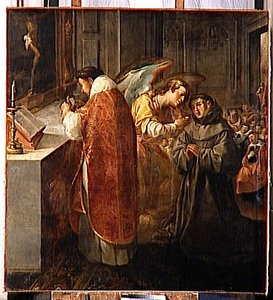
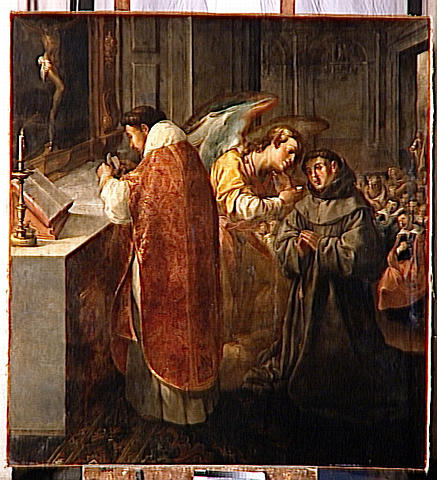
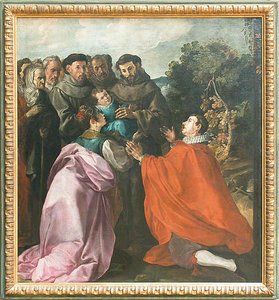
聖ボナヴェンチャーが天使の手に聖餐を受ける


 詳細を見る
詳細を見る




P118B $10

P118H $10

P118W $10

P438Z $10

P508JH $12

P508YH $12

P805H $10

P805Z $10

P919BZ $10

P919G $10

P919XJ $10

P959ZH $10

P968JZ $12

W106C $8

W218G $10

W218JH $8

W218Y $10

W307PJ $10

W316G $10

W316PJ $8

W316Y $10

W398PJ $8

W4111J $10

W500HY $15

W500JH $15

W692G $12

W849H $8

W940BG $15

W953PJ $8




作品のオリジナル比率に合わせた、当店の規定サイズからお選びください。

特定のフレームやスペースに合わせて、ご希望のサイズをご入力いただけます。選択されたサイズが元の画像の比率と異なる場合、アートワークをトリミングするか、手描きで要素を追加して絵画を拡張いたします。デジタルモックアップ を制作し、制作開始前にご確認(承認)をいただきます。
画面上のプレビューは、実際のトリミングや拡張を正確に反映しているものではありません。最終的な構図は、モックアップによってのみ正確にご確認いただけます。
カスタムサイズもご利用いただけますが、元の比率を維持するためには、あらかじめ用意されたリストからサイズを選択することをお勧めいたします。
ご注文後、ArtsDot.com チームより詳細な指示をお送りするとともに、仕上がりイメージ(モックアップ)をご提供いたします。


 ガラスオプションは、110cm未満のサイズでのみご利用いただけます。

聖ボナヴェンチャーが天使の手に聖餐を受ける
複製技法
複製画のサイズ
-


合計金額
$ 263
聖ボナヴェンチャーと天使による聖骸の受領
この絵画は、ルネサンス時代の宗教美術作品であり、絵画様式と人物の服装からその時期の特徴が伺える。中心となるのは聖ボナヴェンチャーで、彼はアルタルの前に聖骸を天使から受け取っている姿である。聖ボナヴェンチャーは赤色のローブに白いコーヴを身につけ、これは宗教指導者の地位を示す象徴的な色彩だ。彼はミサールや祈祷書のような書籍を持ち、祈りや瞑想にふさわしい表情をしている。天使は翼を広げ、聖ボナヴェンチャーの頭上に聖骸を掲げており、これは聖骸を受ける行為を象征する動きである。天使は白いローブを着ており、これは宗教美術における天使の描写によく見られる衣装だ。背景には他の人物が現れ、彼らはフランシスコ会の修道士や兄弟たちとみられ、聖ボナヴェンチャーのようなフランシスコ会修道士が着用する習慣やコーヴは共通の服装である。この絵画はバロック様式に属し、劇的な光と影の使用に加え、人物の衣服や背景建築要素の詳細な描写によって特徴づけられる。画家は特にローブの襞や表面における光の動きに注意を払い、奥行きとリアリズム感を加えている。署名には「F. デ・ヘレラ ルエイオ」があり、これはフランシスコ・デ・ヘレラ・エル・ヴェイヨというスペイン画家であり、彼は16世紀後半から17世紀初頭にかけて活躍した人物である。彼の作品は宗教的なテーマと劇的な光と影の使用で知られ、セビリア美術学校の創始者の一人として後世の芸術家に大きな影響を与えた。 この絵画はセビリア美術学校の代表作であり、マニエリスムの洗練されたスタイルからバロックのダイナミズムへと移行を象徴している。ヘレラは1576年に生まれ、彼はドゥイゴ・ベラヴェレスやフアン・カレニョ・セスペデスといった芸術家とともにセビリア美術学校を形成した。この環境の中で彼は絵画技術を磨き上げ、特に聖骸の受領という宗教的な主題に焦点を当てた。この絵画は聖ボナヴェンチャーと天使の関係性を強調するのではなく、それぞれの人物を個性的に見せることで、力強い魅力を持たないグループの人々を呼び起こすように構成されている。彼はアルタルの前にひざまずき、聖骸を天使から受け取っている姿で描かれ、これはキリスト教信仰における重要な儀式である聖骸の受領を象征する。聖ボナヴェンチャーはミサールを持ち、祈祷にふさわしい表情をしている。天使は翼を広げ、聖ボナヴェンチャーの頭上に聖骸を掲げており、これは聖骸を受ける行為を象征する動きである。背景には他の修道士や兄弟たちが描かれ、彼らは聖ボナヴェンチャーのようなフランシスコ会の修道士が着用する習慣やコーヴは共通の服装である。この絵画はバロック様式に属し、劇的な光と影の使用に加え、人物の衣服や背景建築要素の詳細な描写によって特徴づけられる。画家は特にローブの襞や表面における光の動きに注意を払い、奥行きとリアリズム感を加えている。聖骸の受領という主題はキリスト教信仰において重要な儀式であり、これは聖ボナヴェンチャーと天使の関係性を強調するのではなく、それぞれの人物を個性的に見せることで、力強い魅力を持たないグループの人々を呼び起こすように構成されている。この絵画はバロック様式に属し、劇的な光と影の使用に加え、人物の衣服や背景建築要素の詳細な描写によって特徴づけられる。画家は特にローブの襞や表面における光の動きに注意を払い、奥行きとリアリズム感を加えている。聖ボナヴェンチャーと天使の関係性を強調するのではなく、それぞれの人物を個性的に見せることで、力強い魅力を持たないグループの人々を呼び起こすように構成されている。この絵画はバロック様式に属し、劇的な光と影の使用に加え、人物の衣服や背景建築要素の詳細な描写によって特徴づけられる。画家は特にローブの襞や表面における光の動きに注意を払い、奥行きとリアリズム感を加えている。聖骸の受領という主題はキリスト教信仰において重要な儀式であり、これは聖ボナヴェンチャーと天使の関係性を強調するのではなく、それぞれの人物を個性的に見せることで、力強い魅力を持たないグループの人々を呼び起こすように構成されている。この絵画はバロック様式に属し、劇的な光と影の使用に加え、人物の衣服や背景建築要素の詳細な描写によって特徴づけられる。画家は特にローブの襞や表面における光の動きに注意を払い、奥行きとリアリズム感を加えている。聖骸の受領という主題はキリスト教信仰において重要な儀式であり、これは聖ボナヴェンチャーと天使の関係性を強調するのではなく、それぞれの人物を個性的に見せることで、力強い魅力を持たないグループの人々を呼び起こすように構成されている。この絵画はバロック様式に属し、劇的な光と影の使用に加え、人物の衣服や背景建築要素の詳細な描写によって特徴づけられる。画家は特にローブの襞や表面における光の動きに注意を払い、奥行きとリアリズム感を加えている。聖骸の受領という主題はキリスト教信仰において重要な儀式であり、これは聖ボナヴェンチャーと天使の関係性を強調するのではなく、それぞれの人物を個性的に見せることで、力強い魅力を持たないグループの人々を呼び起こすように構成されている。この絵画はバロック様式に属し、劇的な光と影の使用に加え、人物の衣服や背景建築要素の詳細な描写によって特徴づけられる。画家は特にローブの襞や表面における光の動きに注意を払い、奥行きとリアリズム感を加えている。聖骸の受領という主題はキリスト教信仰において重要な儀式であり、これは聖ボナヴェンチャーと天使の関係性を強調するのではなく、それぞれの人物を個性的に見せることで、力強い魅力を持たないグループの人々を呼び起こすように構成されている。この絵画はバロック様式に属し、劇的な光と影の使用に加え、人物の衣服や背景建築要素の詳細な描写によって特徴づけられる。画家は特にローブの襞や表面における光の動きに注意を払い、奥行きとリアリズム感を加えている。聖骸の受領という主題はキリスト教信仰において重要な儀式であり、これは聖ボナヴェンチャーと天使の関係性を強調するのではなく、それぞれの人物を個性的に見せることで、力強い魅力を持たないグループの人々を呼び起こすように構成されている。この絵画はバロック様式に属し、劇的な光と影の使用に加え、人物の衣服や背景建築要素の詳細な描写によって特徴づけられる。画家は特にローブの襞や表面における光の動きに注意を払い、奥行きとリアリズム感を加えている。聖骸の受領という主題はキリスト教信仰において重要な儀式であり、これは聖ボナヴェンチャーと天使の関係性を強調するのではなく、それぞれの人物を個性的に見せることで、力強い魅力を持たないグループの人々を呼び起こすように構成されている。この絵画はバロック様式に属し、劇的な光と影の使用に加え、人物の衣服や背景建築要素の詳細な描写によって特徴づけられる。画家は特にローブの襞や表面における光の動きに注意を払い、奥行きとリアリズム感を加えている。聖骸の受領という主題はキリスト教信仰において重要な儀式であり、これは聖ボナヴェンチャーと天使の関係性を強調するのではなく、それぞれの人物を個性的に見せることで、力強い魅力を持たないグループの人々を呼び起こすように構成されている。この絵画はバロック様式に属し、劇的な光と影の使用に加え、人物の衣服や背景建築要素の詳細な描写によって特徴づけられる。画家は特にローブの襞や表面における光の動きに注意を払い、奥行きとリアリズム感を加えている。聖骸の受領という主題はキリスト教信仰において重要な儀式であり、これは聖ボナヴェンチャーと天使の関係性を強調するのではなく、それぞれの人物を個性的に見せることで、力強い魅力を持たないグループの人々を呼び起こすように構成されている。この絵画はバロック様式に属し、劇的な光と影の使用に加え、人物の衣服や背景建築要素の詳細な描写によって特徴づけられる。画家は特にローブの襞や表面における光の動きに注意を払い、奥行きとリアリズム感を加えている。聖骸の受領という主題はキリスト教信仰において重要な儀式であり、これは聖ボナヴェンチャーと天使の関係性を強調するのではなく、それぞれの人物を個性的に見せることで、力強い魅力を持たないグループの人々を呼び起こすように構成されている。この絵画はバ関連作品
アーティストの略歴
The Soul of the Seville School: The Life and Legacy of Francisco de Herrera le Vieux
To encounter the works of Francisco de Herrera le Vieux is to witness the very moment when the restrained elegance of Mannerism surrendered to the breathtaking drama of the Baroque. Born in the vibrant artistic hub of Seville around 1590, Herrera emerged as a pivotal figure who did not merely participate in the Spanish Renaissance but actively helped redefine its emotional boundaries. His journey was one of profound transformation, bridging the gap between stylized, intellectual abstraction and a new, visceral reality that sought to touch the very soul of the viewer. As a foundational pillar of the Seville School, his brushwork became a vessel for spiritual fervor, turning canvas into a stage for divine intervention.
The formative years of Herrera were steeped in the rich, competitive atmosphere of Seville, a city flourishing under the patronage of the Habsburg reign. It was within the prestigious Escuela Real de San Fernando that his talent began to coalesce, shaped by an environment shared with other luminaries such as Diego Velázquez and Juan Carreton Céspedes. This period of intense training instilled in him a reverence for meticulous observation and a technical command over light and shadow. While his contemporaries often sought perfection through line and form, Herrera leaned into the burgeoning influence of Caravaggio, embracing the revolutionary use of chiaroscuro to create compositions that felt less like static images and more like theatrical, living moments.
A Master of Divine Drama and Technical Brilliance
The true essence of Herrera’s genius lies in his ability to render the miraculous with a tangible, earthly weight. His religious compositions are far more than mere illustrations of scripture; they are immersive spiritual experiences. In masterpieces such as Guérison de saint Bonaventure enfant par saint François, one observes a masterclass in Baroque energy. The artist utilizes dynamic arrangements and a palette dominated by warm earth tones—ochres, deep reds, and burnished browns—to ground the supernatural within a recognizable reality. His handling of light is particularly evocative; it does not simply illuminate the scene but seems to emanate from the divine action itself, casting dramatic highlights that pull the viewer into the sacred narrative.
Beyond the spiritual impact, Herrera’s technical prowess provided a blueprint for future generations of Spanish painters. He possessed an unparalleled ability to manipulate texture and volume through the strategic use of impasto and delicate glazes. This allowed him to capture the profound contrast between the soft luminescence of human skin and the heavy, tactile folds of velvet and liturgical robes. In works like Saint Basile dictant sa doctrine, his command over narrative density is evident, as figures emerge from deep, mysterious shadows in clusters that suggest both scholarly weight and divine inspiration. Every brushstroke serves a dual purpose: to build physical form and to heighten the emotional tension of the scene.
Historical Significance and Artistic Heritage
The historical importance of Francisco de Herrera le Vieux cannot be overstated, as his stylistic evolution mirrored the broader shift in European art toward emotional authenticity. By moving away from the rigid formalism of his predecessors, he helped establish a visual language for the Counter-Reformation—a language of movement, light, and palpable piety. His influence acted as a bridge, connecting the classical traditions of the Renaissance to the exuberant, high-drama era of the Baroque.
His legacy is woven into the very fabric of Spanish art history through several key contributions:
- Founding the Seville School: Alongside Velázquez, he helped establish Seville as one of the most influential artistic centers in Europe.
- Pioneering Baroque Emotion: He was instrumental in transitioning art from intellectual abstraction to a style characterized by dramatic lighting and intense human emotion.
- Technical Innovation: His sophisticated use of chiaroscuro and textural layering influenced the development of the Spanish Baroque aesthetic.
- Spiritual Narrative: He redefined religious iconography, making the divine feel accessible, physical, and profoundly moving for the faithful.
Though his life ended in 1656, the echoes of Herrera’s dramatic vision continue to resonate. He remains a titan of the Spanish Golden Age, an artist who understood that to truly depict the divine, one must first master the profound, beautiful, and often turbulent reality of the human experience.
francisco de herrera le vieux
1590 - 1656
基本情報
- Artistic Movement Or Style: Baroque
- Artists Or Movements Influenced By This Artist: ['Diego Velázquez']
- Date Of Death: 1656
- Full Name: Francisco de Herrera le Vieux
- Nationality: Spanish
- Notable Artworks:
- The Last Judgment
- Holy Family
- Place Of Birth: Seville, Spain
関連記事

ゴヤ傑作25選:スペインの魂を揺さぶる、深遠な芸術の世界 | ArtsDot
ゴヤ傑作25選:ロマン主義を代表するスペインの巨匠、フランシスコ・デ・ゴヤの世界へ。黒衣の女からマハまで、魂を揺さぶる絵画の物語と技法を紐解きます。ArtsDotで高品質なアートレプリカを見つけ、インテリアに深みと風格を。今すぐコレクションをご覧ください。

The Golden Age Reforged: Dramatic Realism & Religious Zeal in Spanish Baroque Art
Explore the dramatic world of Spanish Baroque art! Discover masters like Zurbarán & the powerful influence of religious zeal on painting techniques – a guide for collectors and enthusiasts.
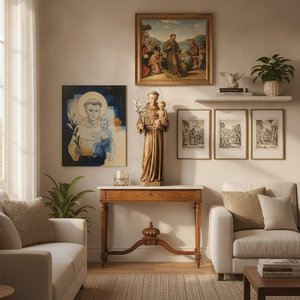
Discover the Divine: Inspiring Saint Anthony Artworks to Elevate Your Home Decor
Transform your home with the profound beauty of Saint Anthony artworks. Explore exquisite Baroque reproductions by Murillo and Zurbarán, hand-painted on 100% cotton canvas to bring divine serenity and timeless elegance to your interior design.

The Dramatic Flourish: Exploring the Baroque Movement's Enduring Legacy in Art History
Explore the dramatic world of Baroque art! Discover iconic artists like Caravaggio & Rubens, defining techniques, and its lasting impact on art history. Expert insights for collectors & enthusiasts at ArtsDot.
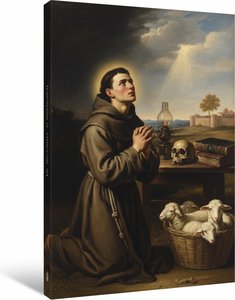
Francisco de Zurbarán: Mysticism, Realism & the Golden Age of Spanish Painting
Explore the captivating world of Francisco de Zurbarán, a master of Spanish Baroque painting. Discover his dramatic tenebrism, religious masterpieces like 'La Porciúncula,' and lasting influence on art history.