

 プレビュー
プレビュー
 プリントを購入
 シェアする
シェアする シェアする
シェアする
 詳細を見る
詳細を見る

 ダウンロード
 似ている作品
 X線調査
X線調査 スライドショー
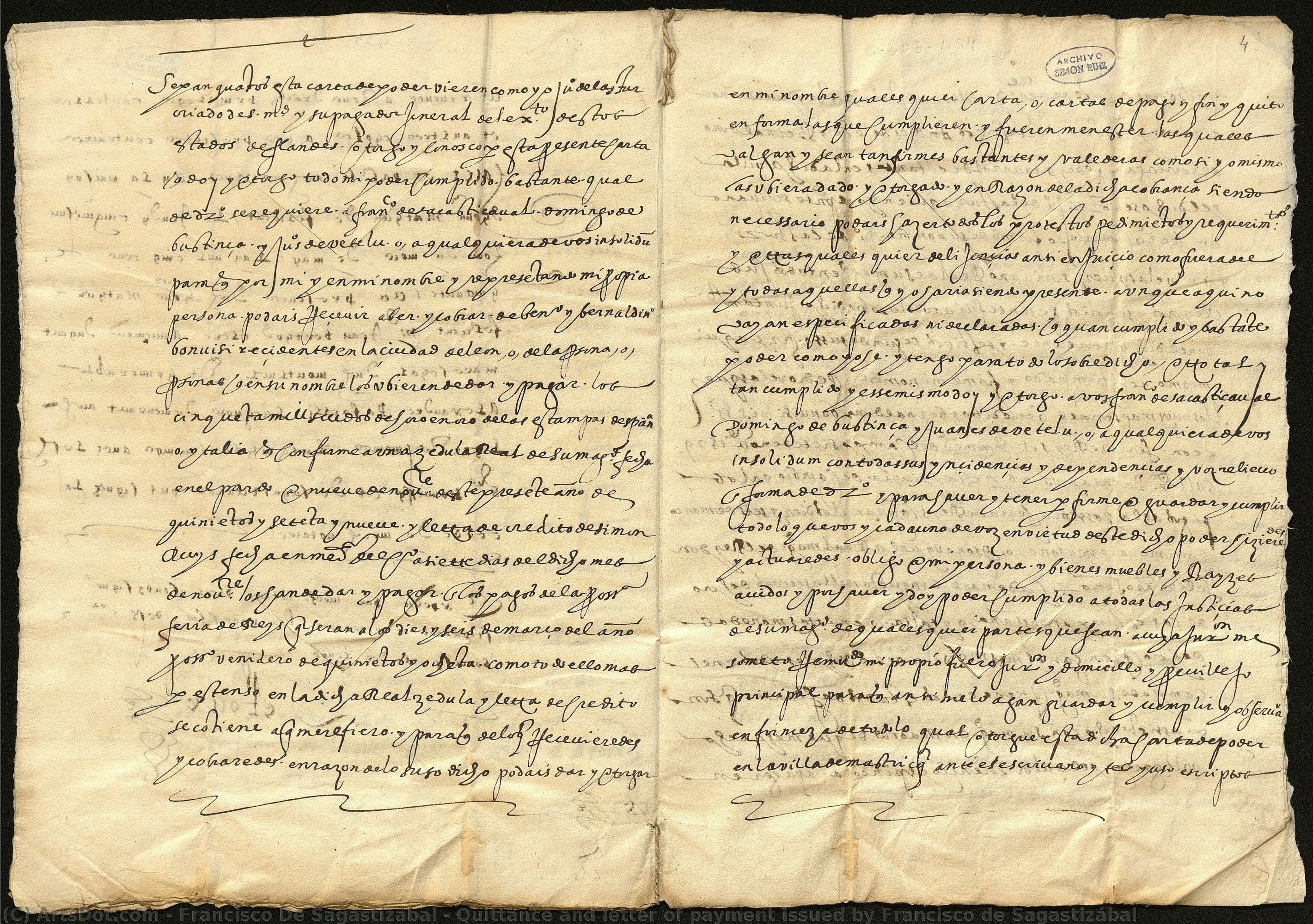
Quittance and letter of payment issued by Francisco de Sagastizábal

 詳細を見る
詳細を見る
オンラインプレビューをはるかに凌ぐ、高解像度で鮮明なデジタル画像をご購入いただけます。
各ファイルは、社内の専門家が高度なツールと熟練した手作業によるレタッチを用いて、細心の注意を払って準備されています。すべての画像において、卓越した鮮明度、正確な色彩再現性、そして繊細なディテールを保証いたします。
最終ファイルは、プロフェッショナルな編集・印刷環境ですぐにご利用いただけるよう最適化された状態で、72時間以内にメールにてお届けいたします。これは、一流のデザインスタジオ、出版社、ギャラリーから信頼されているものと同等の品質です。
デジタル画像のご注文に付随する特典
高品質なデジタル画像配信を、確かな品質で。
ArtsDot.com を選ぶことは、単に画像を手に入れることではありません。それは、プロの手によって精密に仕上げられ、満足保証が付いた高品質なデジタルアートワークを受け取ることを意味します。ご注文いただいた際に自動的に付随する内容は、以下の通りです:

メールですぐにお届け
ご注文から72時間以内に、高解像度のデジタル画像ファイルがメールでお手元に届きます。すぐにそのままご利用いただけます。

AI技術で最適化されたデジタルファイル
お客様の作品は、高度なAIツールと専門家による手作業の編集を組み合わせてプロフェッショナルに最適化されており、細部のディテール、鮮明さ、そして正確な色再現性を最大限に引き出しています。

一生涯無料の再送サービス
ファイルを誤って削除したり、紛失してしまったりしましたか?ご安心ください。いつでも無料で再送いたします。

輸入手数料は一切かかりません
関税や手数料、配送料を気にすることなく、お気に入りのアートワークをすぐにお楽しみいただけます。デジタルダウンロードは常に免税です。

色彩再現の保証
プロ仕様のツールとカラーマネジメント技術を用いることで、デジタル画像が元の色を最大限に忠実に再現することを保証いたします。

60日間満足保証
ご購入いただいたデジタル画像にご満足いただけない場合は、60日以内であれば、修正または100%の返金(理由を問う必要はありません)をさせていただきます。

100% 返金保証
ご満足いただけない場合は、デジタルファイルを受け取ってから60日以内であれば、理由を問わず全額返金いたします。

まとめ買い割引
3枚購入で10%OFF - 5枚購入で15%OFF - 10枚以上購入で20%OFF。クリエイティブなプロジェクト、ギャラリー、エージェンシーに最適です。
関連作品







作家の略歴
Francisco de Sagastizábal: A Banker’s Brush – Capturing the Essence of Early Spanish Finance
Francisco de Sagastizábal, a name perhaps less familiar than those of his Baroque contemporaries, nevertheless stands as a fascinating figure in 16th-century Spain. Born into a family deeply entrenched in finance and trade—his father, also Francisco de Sagastizábal, was a prominent merchant and financier—Sagastizábal’s artistic journey began not through formal training but through an innate desire to document the intricate world of commerce he witnessed daily. He wasn't a court painter seeking royal commissions; rather, he meticulously recorded financial transactions, contracts, and payments on paper, transforming the mundane realities of trade into surprisingly elegant works of art. His legacy lies not in grand religious narratives or dramatic portraits, but in his unique ability to capture the spirit of an era through the language of accounts and ledgers. Sagastizábal’s career unfolded primarily during the reign of Philip II, a period marked by Spain's burgeoning global empire and its reliance on complex financial networks. He operated as a *asentista*, a crucial role in the Spanish economy – essentially a private banker or agent who facilitated trade with the New World. These *asientos* involved long-term contracts where wealthy merchants (often members of powerful families like the Bonvisi) would provide capital to the Crown, which then used that money to finance expeditions and maintain troops overseas. Sagastizábal’s work centered around documenting these transactions, creating detailed “quittances” – receipts or acknowledgements of payment – and letters of credit. These weren't mere bureaucratic records; he imbued them with a remarkable attention to detail, incorporating elaborate lettering, intricate borders, and often, small decorative elements that elevated the documents beyond simple accounting sheets. His most famous work, ‘Quittance and Letter of Payment issued by Francisco de Sagastizábal,’ dated 1580, exemplifies this – a document detailing the transfer of 50,000 Spanish golden escudos to the Bonvisi of Lyon, illustrating the complex financial relationships that underpinned Spain’s colonial ambitions.A Unique Artistic Style: Combining Function and Beauty
Sagastizábal's artistic style is immediately recognizable for its distinctive blend of practicality and aesthetic sensibility. He wasn’t striving to emulate the grand styles of Velázquez or Zurbarán; instead, he developed a highly personal approach rooted in his profession. His works are characterized by meticulous execution, precise lettering, and an almost obsessive attention to detail. The borders of his documents are often adorned with elaborate floral motifs, geometric patterns, and even miniature scenes – reflecting the wealth and status of the individuals involved. He employed a refined calligraphic style, prioritizing legibility while simultaneously creating visually engaging compositions. Crucially, Sagastizábal’s work demonstrates an understanding of perspective and spatial relationships, transforming what could have been dry financial records into dynamic visual narratives. The documents are not simply receipts; they are miniature works of art that tell a story of trade, finance, and the intricate workings of the Spanish economy.Influences and Context: Beyond the Court
While Sagastizábal’s work is often associated with the court of Philip II, it's important to recognize that he operated largely outside its immediate sphere. He wasn’t a painter commissioned by the royal workshops; rather, his artistic practice emerged from his role as a *asentista*. His style draws inspiration from various sources – the decorative arts prevalent in merchant circles, the influence of Flemish manuscript illumination (a popular trend at the time), and perhaps even elements of early printing techniques. The meticulous detail and emphasis on visual clarity can also be seen as echoes of the humanist ideals that were shaping European art during this period. Furthermore, his work provides a valuable window into the economic realities of 16th-century Spain – a nation deeply reliant on trade with its colonies and engaged in complex financial transactions across continents.Legacy and Significance: A Window into Economic History
Francisco de Sagastizábal’s legacy is not one of celebrated masterpieces, but rather as a unique documentarian of an era. His works offer invaluable insights into the economic history of Spain during the 16th century – revealing the intricate networks of trade, finance, and colonial expansion that fueled the nation's rise to power. His documents are now housed in museums like the Museo de Artes y Costumbres Populares in Seville, where they serve as tangible reminders of a little-known but crucial aspect of Spanish history. Moreover, Sagastizábal’s artistic approach – transforming mundane financial records into visually compelling works of art – has resonated with contemporary artists and designers who seek to find beauty and meaning in unexpected places. His work continues to be studied by historians, art scholars, and anyone interested in understanding the complex interplay between art, commerce, and society during a pivotal period in European history.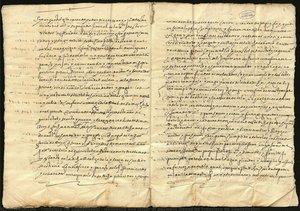
プロフィール概要
- Artistic Movement Or Style: Early Spanish art
- Date Of Death: Living
- Full Name: Francisco de Sagastizábal
- Nationality: Spanish
- Notable Artworks:
- Quittance & Letter of Payment
- Various paper artwork
- Place Of Birth: Spain

