 プレビュー
プレビュー
 シェアする
シェアする シェアする
シェアする
 詳細を見る
詳細を見る

 ダウンロード
 似ている作品
 X線調査
X線調査 スライドショー
 Stats
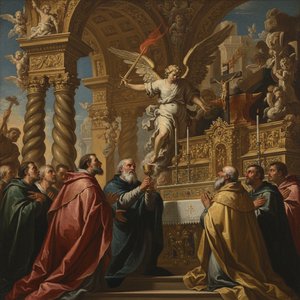
StatsAngel con incensario, mirando a la derecha


 詳細を見る
詳細を見る
手描き油彩複製画
当社のアーティストが、お客様のご希望のサイズと額縁に合わせて、キャンバスに手描きで制作する油彩画です。 ( Switch to Print Switch to Digital Image)




P118B $10

P118H $10

P118W $10

P438Z $10

P508JH $12

P508YH $12

P805H $10

P805Z $10

P919BZ $10

P919G $10

P919XJ $10

P959ZH $10

P968JZ $12

W106C $8

W218G $10

W218JH $8

W218Y $10

W307PJ $10

W316G $10

W316PJ $8

W316Y $10

W398PJ $8

W4111J $10

W500HY $15

W500JH $15

W692G $12

W849H $8

W940BG $15

W953PJ $8




作品のオリジナル比率に合わせた、当店の規定サイズからお選びください。

特定のフレームやスペースに合わせて、ご希望のサイズをご入力いただけます。選択されたサイズが元の画像の比率と異なる場合、アートワークをトリミングするか、手描きで要素を追加して絵画を拡張いたします。デジタルモックアップ を制作し、制作開始前にご確認(承認)をいただきます。
画面上のプレビューは、実際のトリミングや拡張を正確に反映しているものではありません。最終的な構図は、モックアップによってのみ正確にご確認いただけます。
カスタムサイズもご利用いただけますが、元の比率を維持するためには、あらかじめ用意されたリストからサイズを選択することをお勧めいたします。
ご注文後、ArtsDot.com チームより詳細な指示をお送りするとともに、仕上がりイメージ(モックアップ)をご提供いたします。


 ガラスオプションは、110cm未満のサイズでのみご利用いただけます。

Angel con incensario, mirando a la derecha
複製技法
複製画のサイズ
-


合計金額
$ 263
A Celestial Encounter: The Divine Presence in Zurbarán’s Vision
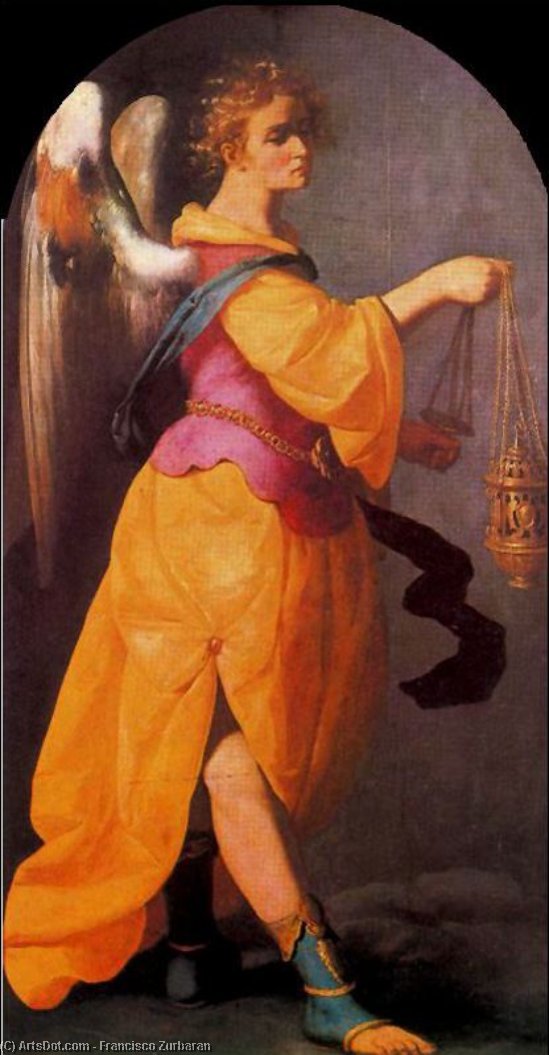
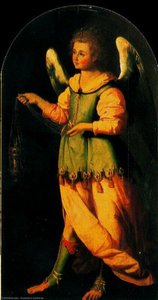
In the quietude of Francisco de Zurbarán’s “Angel con Incensario, mirando a la derecha,” one does not merely observe a painting; one enters a state of prayer. Painted during the height of the Spanish Golden Age, circa 1630-1635, this masterpiece serves as a profound meditation on faith and the unseen realms. At its heart lies a serene angelic figure, positioned with a monumental stillness against a stark, illuminated wall. The angel holds aloft a censorial lamp—an incense burner—which acts as a vessel for purification and prayer, sending invisible clouds of devotion into the heavens. As the angel’s gaze drifts softly to the right, it invites the viewer into a shared moment of contemplation, suggesting a quiet acceptance of divine will and the profound peace found in spiritual surrender.
The composition is subtly enriched by elements that whisper of transcendence. Two small birds, perched delicately upon the wall—one in the upper left and another toward the lower right—act as silent witnesses to this heavenly visitation. In the iconographic language of the Baroque era, such creatures often symbolize the soul's aspiration toward ascension and the enduring hope of the faithful. For the discerning collector or interior designer, this piece offers more than just visual beauty; it provides a focal point of spiritual gravity, capable of transforming a space into a sanctuary of reflection and grace.
The Mastery of Light: Chiaroscuro and Baroque Drama
To understand the emotional weight of this work, one must look to Zurbarán’s unparalleled command of chiarosc prestige. Often referred to as the "Spanish Caravaggio," Zurbarán utilized dramatic lighting to sculpt form out of the darkness. In this painting, a single, ethereal light source bathes the angel, creating deep, velvety shadows that delineate the folds of his drapery and the subtle musculature of his form with astonishing realism. This interplay of light and shadow is not merely a technical feat; it is a theological tool. The brilliance of the light represents the intrusion of the divine into the earthly plane, while the surrounding darkness embodies the mysteries of the unknown.
The texture of the painting—the heavy, tactile quality of the angel's garments and the smooth, stone-like surface of the wall—is rendered with a meticulousness that borders on the miraculous. This level of detail ensures that every time one views a high-quality reproduction of this work, the sense of physical presence remains undiminished. The technique creates a palpable tension between the material world we can touch and the spiritual world we can only feel, making it an ideal selection for those seeking art that possesses both intellectual depth and sensory richness.
A Legacy of Devotion for the Modern Collector
The historical context of this piece is rooted in the intense religious fervor of 17th-century Spain. During this era, art was a primary vehicle for communicating the mysteries of the Catholic faith, and Zurbarán was its most eloquent storyteller. His ability to imbue even the simplest subjects—a monk, a saint, or an angel—with a sense of monumental dignity makes his work timeless. This painting captures the very essence of the Spanish Baroque: a period where austerity met splendor, and where silence spoke louder than words.
For those looking to curate a collection or design an interior that evokes sophistication and tranquility, “Angel con Incensario” stands as an incomparable choice. Whether placed in a grand library, a quiet study, or a contemporary living space, the painting brings with it an aura of historical importance and emotional depth. It is a piece that does not demand attention through noise, but rather commands it through its profound, luminous stillness, offering a window into the soul of the Golden Age.
関連作品

アーティストの略歴
Early Life and Formation in Extremadura
フアン・デ・サンチェス・コタンの影響を受け、スペインの美術界に大きな足跡を残したフアン・デ・サンチェス・コタンは、スペインで活躍する画家の一人として知られています。しかしながら、彼の生い立ちに関する詳細は多くの場合謎めいています。彼は最初に地元で活動していたアレハンドロ・デ・ラ・ミナに師事し、その後セビリアへ移動してアルonso・デ・ナジェラのもとで美術を学びました。ナジェラの工房では、バロック様式という劇的な変化を受け入れ、前の世代よりも洗練された芸術的伝統から脱却しました。これらの初期の時期でも、現実的な細部を捉え、主題に感情的な重みを吹き込む才能が明らかになり、彼は画家としての独自の道を歩むことになります。エクストレマドラの荒涼とした風景と宗教的な雰囲気は、シンプルさ、厳粛さと深い精神的関心を重視する感性を育み、彼の成熟した作品を特徴づけるものでした。
The Seville Period: Establishing a Singular Style
セビリアはスペインで最も活気のある文化の中心であり、アメリカの植民地との玄関口でした。彼はすぐにその地位を獲得し、成功した工房を設立して多くの依頼を受けました。これらの依頼は主に教会や修道院や個人的な宗教的な目的で使用されるための宗教画であり、この時期に彼の特徴的なスタイルが確立されました。それは劇的なコントラストを用いてドラマと主題の感情的な強度を強調するバロコ様式の技術であるテネブリスムの影響を受けました。彼は単に見たものを再現していたのではなく、それぞれの主題の中に深い精神的な存在を表現しようとしていました。彼は聖職者の描写だけでなく、聖書上の場面を描写していました。彼の初期の作品はテネブリスムの技術を駆使して驚くべき感情的な深さを表現しており、バロコ様式の芸術的伝統に挑戦しました。
Master of Tenebrism and Religious Devotion
彼はテネブリスムというバロコ様式の技術を用いて聖職者の描写だけでなく、宗教的な物語を感動的な視覚体験に変える能力を持っていました。彼は修道院や聖母マリアなどの聖職者をテーマに描き、その姿は静かな尊厳と神聖な優雅さを表現しています。彼のイマコラテ・コンセプションは特に印象的で、聖母マリアは白い光の中に黒い背景に配置され、純粋さと神の恵みを伝えています。彼は聖職者の描写だけでなく、聖書上の場面を描写していました。彼のアグヌス・デイはキリストを犠牲的な羊として描き出し、厳粛さと献身性を表現しています。彼はテネブリスムという技術を用いて聖職者の感情的な深さを表現しており、バロコ様式の芸術的伝統に挑戦しました。
Royal Patronage and Lasting Legacy
彼はセビリアで活動するスペインの王室画家の一人として重要なマイルストーンを達成しました。この任命は彼の評判を高めました。しかしながら、彼の人気は後に異なる芸術的な好みの中で少し薄れました。特に彼はテネブリスムという技術を用いて聖職者の感情的な深さを表現しており、バロコ様式の芸術的伝統に挑戦しました。彼はテネブリスムという技術を用いて聖職者の感情的な深さを表現しており、バロコ様式の芸術的伝統に挑戦しました。彼の影響力はスペインのバロック美術界に大きな足跡を残し、テネブリスムという技術を用いて聖職者の描写だけでなく、宗教的な物語を感動的な視覚体験に変える能力を持っていました。彼はテネブリスムという技術を用いて聖職者の感情的な深さを表現しており、バロコ様式の芸術的伝統に挑戦しました。
- Notable Works: イマコラテ・コンセプション、アグヌス・デイ、サドゥラム・オブ・ステ・ベロニカ、サン・フランシスス・レセビイング・ステ・ジグマタ
- Historical Significance: フアン・デ・サンチェス・コタンはスペインの美術界に大きな足跡を残した画家の一人として知られています。彼の影響力はスペインのバロック美術界に大きな足跡を残し、テネブリスムという技術を用いて聖職者の描写だけでなく、宗教的な物語を感動的な視覚体験に変える能力を持っていました。彼はテネブリスムという技術を用いて聖職者の感情的な深さを表現しており、バロコ様式の芸術的伝統に挑戦しました。
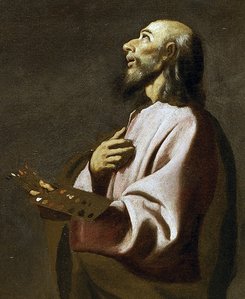
フランシスコ・デ・ズラバラン
1598 - 1664 , スペイン
基本情報
- Artistic Movement Or Style: バロック テネブリスム
- Artists Or Movements Influenced By This Artist: ['カラヴァッジョ']
- Artists Who Influenced This Artist: ['フアン・サンチェス・コタン']
- Date Of Birth: 1598年
- Date Of Death: 1664年
- Full Name: Francisco de Zurbarán
- Nationality: スペイン人
- Notable Artworks:
- イマコラツェーション
- アグヌス・デイ
- 聖フランシス受洗
- 聖ベロニカのヴェール
- Place Of Birth: スペイン フエンテ・デ・カンτος
関連記事

バロック美術を極めた至宝:時代を彩る10大名作の世界
バロック美術の華!カラヴァッジョ、ベルニーニら巨匠が創り上げた10大名作を徹底解剖。ドラマチックな色彩と豪華絢爛の世界観に触れ、至宝のアートプリントで空間を彩ろう。ArtsDot.comで美術館品質の複製と洗練されたインテリアを見つけましょう!

The Dramatic Flourish: Exploring the Baroque Movement's Enduring Legacy in Art History
Explore the dramatic world of Baroque art! Discover iconic artists like Caravaggio & Rubens, defining techniques, and its lasting impact on art history. Expert insights for collectors & enthusiasts at ArtsDot.
Celestial Messengers: Angels in Painting – A Historical & Artistic Exploration
Explore the captivating history of angels in painting! Discover symbolism, iconic Renaissance & Byzantine masterpieces, and renowned artists. Expert insights for art lovers & collectors at ArtsDot.
Celestial Messengers: A Comprehensive Exploration of Angelic Representation in Art History
Explore the captivating history of angels in art! Discover symbolism, iconic Renaissance masterpieces & renowned artists. Expert insights for art lovers & collectors at ArtsDot.
The Golden Age Reforged: Dramatic Realism & Religious Zeal in Spanish Baroque Art
Explore the dramatic world of Spanish Baroque art! Discover masters like Zurbarán & the powerful influence of religious zeal on painting techniques – a guide for collectors and enthusiasts.