

 プレビュー
プレビュー
 プリントを購入
 シェアする
シェアする シェアする
シェアする
 詳細を見る
詳細を見る

 ダウンロード
 似ている作品
 X線調査
X線調査 スライドショー
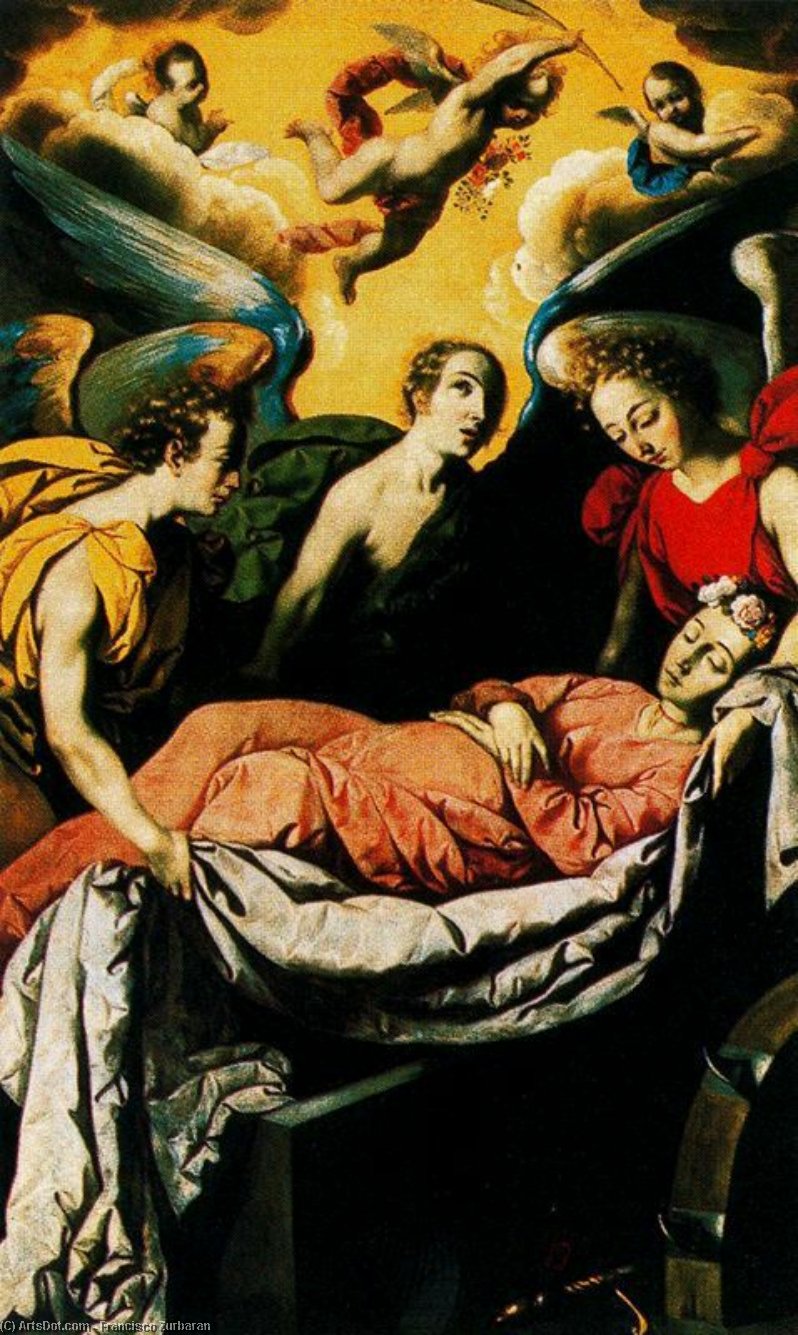
Entierro de Santa Catalina

 詳細を見る
詳細を見る
オンラインプレビューをはるかに凌ぐ、高解像度で鮮明なデジタル画像をご購入いただけます。
各ファイルは、社内の専門家が高度なツールと熟練した手作業によるレタッチを用いて、細心の注意を払って準備されています。すべての画像において、卓越した鮮明度、正確な色彩再現性、そして繊細なディテールを保証いたします。
最終ファイルは、プロフェッショナルな編集・印刷環境ですぐにご利用いただけるよう最適化された状態で、72時間以内にメールにてお届けいたします。これは、一流のデザインスタジオ、出版社、ギャラリーから信頼されているものと同等の品質です。
デジタル画像のご注文に付随する特典
高品質なデジタル画像配信を、確かな品質で。
ArtsDot.com を選ぶことは、単に画像を手に入れることではありません。それは、プロの手によって精密に仕上げられ、満足保証が付いた高品質なデジタルアートワークを受け取ることを意味します。ご注文いただいた際に自動的に付随する内容は、以下の通りです:

メールですぐにお届け
ご注文から72時間以内に、高解像度のデジタル画像ファイルがメールでお手元に届きます。すぐにそのままご利用いただけます。

AI技術で最適化されたデジタルファイル
お客様の作品は、高度なAIツールと専門家による手作業の編集を組み合わせてプロフェッショナルに最適化されており、細部のディテール、鮮明さ、そして正確な色再現性を最大限に引き出しています。

一生涯無料の再送サービス
ファイルを誤って削除したり、紛失してしまったりしましたか?ご安心ください。いつでも無料で再送いたします。

輸入手数料は一切かかりません
関税や手数料、配送料を気にすることなく、お気に入りのアートワークをすぐにお楽しみいただけます。デジタルダウンロードは常に免税です。

色彩再現の保証
プロ仕様のツールとカラーマネジメント技術を用いることで、デジタル画像が元の色を最大限に忠実に再現することを保証いたします。

60日間満足保証
ご購入いただいたデジタル画像にご満足いただけない場合は、60日以内であれば、修正または100%の返金(理由を問う必要はありません)をさせていただきます。

100% 返金保証
ご満足いただけない場合は、デジタルファイルを受け取ってから60日以内であれば、理由を問わず全額返金いたします。

まとめ買い割引
3枚購入で10%OFF - 5枚購入で15%OFF - 10枚以上購入で20%OFF。クリエイティブなプロジェクト、ギャラリー、エージェンシーに最適です。
作品の詳細
The Serenity of Loss: Exploring *Entierro de Santa Catalina* by Francisco de Zurbarán
Francisco de Zurbarán’s *Entierro de Santa Catalina*, a profoundly moving depiction of death and devotion, offers a rare glimpse into the heart of Spanish Baroque art. Painted likely around 1635, this work transcends mere representation; it's an immersive experience of grief, piety, and the acceptance of mortality, rooted deeply in the religious landscape of Valladolid, Spain. The painting resides within the Convent of Santa Catalina, a site itself steeped in history and legend – a place where the saint’s relics were once venerated, adding layers of spiritual significance to the scene.
The composition immediately draws the viewer into a carefully orchestrated tableau. A woman lies supine on a simple wooden bed, her face serene despite the solemnity of her passing. Three men, rendered with Zurbarán’s signature meticulous detail and stark realism, attend to her. Their postures – one gently holding her hand, another offering a cloth, and the third seemingly observing with quiet sorrow – speak volumes about their roles in this intimate ritual. The background is dominated by two angels, not grand or imposing figures of divine power, but rather delicate presences hovering above, suggesting a transition to the afterlife. A solitary figure stands further back, perhaps a witness to this sacred moment, adding an element of human connection to the scene.
A Masterclass in Tenebrism and Naturalism
Zurbarán’s artistic genius lies primarily in his masterful manipulation of light and shadow – a technique known as *tenebrismo*. He employs deep, dramatic contrasts, bathing the foreground in an almost ethereal glow while leaving the background shrouded in darkness. This creates a powerful sense of depth and emphasizes the central figures, imbuing them with an intense emotional weight. The use of light isn’t merely decorative; it serves to highlight the textures of the fabrics – the folds of the woman's garments, the rough wood of the bed – and the subtle details of each face, conveying a remarkable sense of realism. Zurbarán was renowned for his ability to capture the texture of surfaces, particularly metal and stone, but here he applies this skill with breathtaking sensitivity to human form.
His approach to depicting the human figure is equally compelling. He eschewed idealized beauty in favor of a more grounded, almost ascetic realism. The woman’s face, though pale and still, retains traces of life – a slight parting of her lips, a subtle curve to her cheekbone – suggesting a peaceful departure rather than a violent end. The men are similarly rendered with an understated dignity, their expressions conveying not overt grief but a profound sense of respect and devotion.
Symbolism and the Spiritual Landscape of Extremadura
*Entierro de Santa Catalina* is rich in symbolic meaning, reflecting the prevailing religious beliefs of 17th-century Spain. The scene itself – the interment of a saint – was a common subject in art during this period, often intended to inspire piety and encourage contemplation on mortality. The simplicity of the setting—the plain bed, the unadorned clothing—underscores the importance of spiritual devotion over material possessions. Furthermore, the painting’s starkness mirrors the austerity of the landscape of Extremadura, Zurbarán's birthplace, a region known for its rugged beauty and deep-seated religious traditions.
The presence of the angels is particularly significant. They represent divine grace and the promise of salvation, offering comfort to the deceased and signifying her journey into eternity. The solitary figure in the background could symbolize humanity’s role in witnessing and participating in this sacred event – a reminder of our own mortality and the importance of living a virtuous life.
Emotional Resonance and Artistic Legacy
*Entierro de Santa Catalina* is more than just a religious painting; it's a profound meditation on loss, faith, and the human condition. Zurbarán’s ability to evoke such powerful emotions through his restrained style and masterful use of light and shadow has secured its place as one of the most iconic works of Spanish Baroque art. The painting continues to resonate with viewers today, offering a timeless reflection on mortality and the enduring power of faith. ArtsDot offers exquisite hand-painted reproductions that faithfully capture the beauty, detail, and emotional depth of this extraordinary masterpiece, allowing you to bring its serene contemplation into your home or studio.
関連作品
作家の略歴
Early Life and Formation in Extremadura
フアン・デ・サンチェス・コタンの影響を受け、スペインの美術界に大きな足跡を残したフアン・デ・サンチェス・コタンは、スペインで活躍する画家の一人として知られています。しかしながら、彼の生い立ちに関する詳細は多くの場合謎めいています。彼は最初に地元で活動していたアレハンドロ・デ・ラ・ミナに師事し、その後セビリアへ移動してアルonso・デ・ナジェラのもとで美術を学びました。ナジェラの工房では、バロック様式という劇的な変化を受け入れ、前の世代よりも洗練された芸術的伝統から脱却しました。これらの初期の時期でも、現実的な細部を捉え、主題に感情的な重みを吹き込む才能が明らかになり、彼は画家としての独自の道を歩むことになります。エクストレマドラの荒涼とした風景と宗教的な雰囲気は、シンプルさ、厳粛さと深い精神的関心を重視する感性を育み、彼の成熟した作品を特徴づけるものでした。
The Seville Period: Establishing a Singular Style
セビリアはスペインで最も活気のある文化の中心であり、アメリカの植民地との玄関口でした。彼はすぐにその地位を獲得し、成功した工房を設立して多くの依頼を受けました。これらの依頼は主に教会や修道院や個人的な宗教的な目的で使用されるための宗教画であり、この時期に彼の特徴的なスタイルが確立されました。それは劇的なコントラストを用いてドラマと主題の感情的な強度を強調するバロコ様式の技術であるテネブリスムの影響を受けました。彼は単に見たものを再現していたのではなく、それぞれの主題の中に深い精神的な存在を表現しようとしていました。彼は聖職者の描写だけでなく、聖書上の場面を描写していました。彼の初期の作品はテネブリスムの技術を駆使して驚くべき感情的な深さを表現しており、バロコ様式の芸術的伝統に挑戦しました。
Master of Tenebrism and Religious Devotion
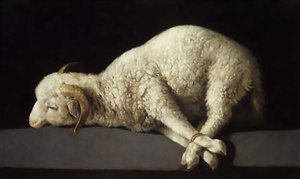
彼はテネブリスムというバロコ様式の技術を用いて聖職者の描写だけでなく、宗教的な物語を感動的な視覚体験に変える能力を持っていました。彼は修道院や聖母マリアなどの聖職者をテーマに描き、その姿は静かな尊厳と神聖な優雅さを表現しています。彼のイマコラテ・コンセプションは特に印象的で、聖母マリアは白い光の中に黒い背景に配置され、純粋さと神の恵みを伝えています。彼は聖職者の描写だけでなく、聖書上の場面を描写していました。彼のアグヌス・デイはキリストを犠牲的な羊として描き出し、厳粛さと献身性を表現しています。彼はテネブリスムという技術を用いて聖職者の感情的な深さを表現しており、バロコ様式の芸術的伝統に挑戦しました。
Royal Patronage and Lasting Legacy
彼はセビリアで活動するスペインの王室画家の一人として重要なマイルストーンを達成しました。この任命は彼の評判を高めました。しかしながら、彼の人気は後に異なる芸術的な好みの中で少し薄れました。特に彼はテネブリスムという技術を用いて聖職者の感情的な深さを表現しており、バロコ様式の芸術的伝統に挑戦しました。彼はテネブリスムという技術を用いて聖職者の感情的な深さを表現しており、バロコ様式の芸術的伝統に挑戦しました。彼の影響力はスペインのバロック美術界に大きな足跡を残し、テネブリスムという技術を用いて聖職者の描写だけでなく、宗教的な物語を感動的な視覚体験に変える能力を持っていました。彼はテネブリスムという技術を用いて聖職者の感情的な深さを表現しており、バロコ様式の芸術的伝統に挑戦しました。
- Notable Works: イマコラテ・コンセプション、アグヌス・デイ、サドゥラム・オブ・ステ・ベロニカ、サン・フランシスス・レセビイング・ステ・ジグマタ
- Historical Significance: フアン・デ・サンチェス・コタンはスペインの美術界に大きな足跡を残した画家の一人として知られています。彼の影響力はスペインのバロック美術界に大きな足跡を残し、テネブリスムという技術を用いて聖職者の描写だけでなく、宗教的な物語を感動的な視覚体験に変える能力を持っていました。彼はテネブリスムという技術を用いて聖職者の感情的な深さを表現しており、バロコ様式の芸術的伝統に挑戦しました。
フランシスコ・デ・ズラバラン
1598 - 1664 , スペイン
プロフィール概要
- Artistic Movement Or Style: バロック テネブリスム
- Artists Or Movements Influenced By This Artist: ['カラヴァッジョ']
- Artists Who Influenced This Artist: ['フアン・サンチェス・コタン']
- Date Of Birth: 1598年
- Date Of Death: 1664年
- Full Name: Francisco de Zurbarán
- Nationality: スペイン人
- Notable Artworks:
- イマコラツェーション
- アグヌス・デイ
- 聖フランシス受洗
- 聖ベロニカのヴェール
- Place Of Birth: スペイン フエンテ・デ・カンτος

