

 プレビュー
プレビュー
 プリントを購入
 シェアする
シェアする シェアする
シェアする
 詳細を見る
詳細を見る

 ダウンロード
 似ている作品
 X線調査
X線調査 スライドショー
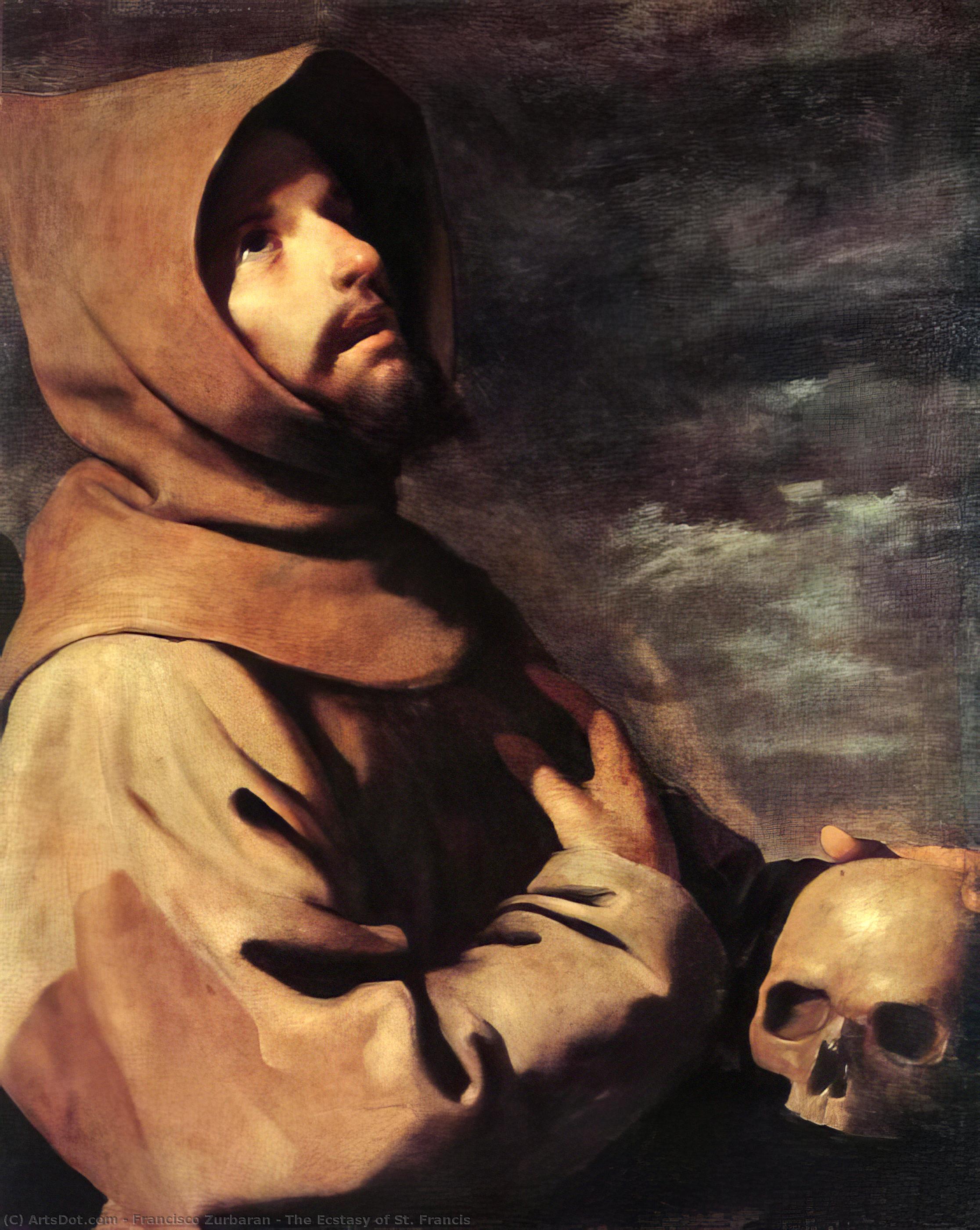
The Ecstasy of St. Francis


 詳細を見る
詳細を見る
オンラインプレビューをはるかに凌ぐ、高解像度で鮮明なデジタル画像をご購入いただけます。
各ファイルは、社内の専門家が高度なツールと熟練した手作業によるレタッチを用いて、細心の注意を払って準備されています。すべての画像において、卓越した鮮明度、正確な色彩再現性、そして繊細なディテールを保証いたします。
最終ファイルは、プロフェッショナルな編集・印刷環境ですぐにご利用いただけるよう最適化された状態で、72時間以内にメールにてお届けいたします。これは、一流のデザインスタジオ、出版社、ギャラリーから信頼されているものと同等の品質です。
デジタル画像のご注文に付随する特典
高品質なデジタル画像配信を、確かな品質で。
ArtsDot.com を選ぶことは、単に画像を手に入れることではありません。それは、プロの手によって精密に仕上げられ、満足保証が付いた高品質なデジタルアートワークを受け取ることを意味します。ご注文いただいた際に自動的に付随する内容は、以下の通りです:

メールですぐにお届け
ご注文から72時間以内に、高解像度のデジタル画像ファイルがメールでお手元に届きます。すぐにそのままご利用いただけます。

AI技術で最適化されたデジタルファイル
お客様の作品は、高度なAIツールと専門家による手作業の編集を組み合わせてプロフェッショナルに最適化されており、細部のディテール、鮮明さ、そして正確な色再現性を最大限に引き出しています。

一生涯無料の再送サービス
ファイルを誤って削除したり、紛失してしまったりしましたか?ご安心ください。いつでも無料で再送いたします。

輸入手数料は一切かかりません
関税や手数料、配送料を気にすることなく、お気に入りのアートワークをすぐにお楽しみいただけます。デジタルダウンロードは常に免税です。

色彩再現の保証
プロ仕様のツールとカラーマネジメント技術を用いることで、デジタル画像が元の色を最大限に忠実に再現することを保証いたします。

60日間満足保証
ご購入いただいたデジタル画像にご満足いただけない場合は、60日以内であれば、修正または100%の返金(理由を問う必要はありません)をさせていただきます。

100% 返金保証
ご満足いただけない場合は、デジタルファイルを受け取ってから60日以内であれば、理由を問わず全額返金いたします。

まとめ買い割引
3枚購入で10%OFF - 5枚購入で15%OFF - 10枚以上購入で20%OFF。クリエイティブなプロジェクト、ギャラリー、エージェンシーに最適です。
作品の詳細
A Vision of Divine Radiance
In the quiet, shadowed corners of the Spanish Baroque, Francisco de Zurbarán crafted a masterpiece that transcends the boundaries of mere oil on canvas. The Ecstasy of St. Francis is not simply a portrait of a saint; it is a profound window into a moment of spiritual transcendence. Created between 1645 and 1650 in the vibrant artistic hub of Seville, this work captures the very essence of a soul caught in the throes of divine encounter. The painting invites viewers to step away from the noise of the material world and enter a space of profound stillness, where the only reality is the intense, internal dialogue between man and the Creator.
The composition is anchored by the figure of Saint Francis, kneeling in humble devotion. Clad in the simple, unadorned brown robes characteristic of his order, the saint’s physical presence is defined by a stark, sculptural realism. Zurbarán employs a masterful use of chiaroscuro—the dramatic interplay of light and shadow—to sculpt the saint from the surrounding gloom. A singular, unseen light source bathes the figure in a celestial glow, pulling him forward from the deep, velvety darkness that envelops the rest of the scene. This technique does more than create depth; it directs the viewer’s gaze toward the emotional epicenter of the work: the saint's face, which radiates an unmistakable sense of contemplative bliss.
Symbolism and the Weight of Mortality
Every element within this sacred space is imbued with deep symbolic meaning, designed to provoke reflection on the nature of existence. Resting before the kneeling saint is a skull, a memento mori that serves as a poignant reminder of the inevitability of death and the fleeting nature of earthly life. This stark object provides a heavy, somber counterpoint to the spiritual lightness of Francis’s ecstasy. As the saint presses his hand against his heart, he signals an intimate, emotional connection to divine grace, bridging the gap between the mortal coil and the eternal spirit.
The austerity of the setting—devoid of any distracting ornamentation—reinforces the themes of humility and asceticism. By stripping away the worldly, Zurbarán focuses the narrative entirely on the internal state of the subject. For the collector or the lover of fine art, this painting offers a rare opportunity to possess a piece that embodies the tension between the physical and the metaphysical. It is a work that demands attention not through spectacle, but through its quiet, overwhelming power to move the spirit.
An Enduring Legacy for the Discerning Collector
For those looking to infuse their interiors with a sense of history and profound emotion, The Ecstasy of St. Francis serves as an incomparable focal point. Its dramatic lighting and rich, earthy tones possess a timeless elegance that complements both classical and contemporary settings. Whether placed in a grand gallery or a private study, the painting brings with it an atmosphere of solemnity and intellectual depth.
Owning a high-quality reproduction of this Baroque treasure allows one to experience the tactile beauty of Zurbarán’s brushwork and the haunting intensity of his vision. It is more than a decorative element; it is an invitation to contemplation, a piece of the Spanish Golden Age that continues to illuminate the hearts of those who encounter its divine light.
関連作品





作家の略歴
Early Life and Formation in Extremadura
フアン・デ・サンチェス・コタンの影響を受け、スペインの美術界に大きな足跡を残したフアン・デ・サンチェス・コタンは、スペインで活躍する画家の一人として知られています。しかしながら、彼の生い立ちに関する詳細は多くの場合謎めいています。彼は最初に地元で活動していたアレハンドロ・デ・ラ・ミナに師事し、その後セビリアへ移動してアルonso・デ・ナジェラのもとで美術を学びました。ナジェラの工房では、バロック様式という劇的な変化を受け入れ、前の世代よりも洗練された芸術的伝統から脱却しました。これらの初期の時期でも、現実的な細部を捉え、主題に感情的な重みを吹き込む才能が明らかになり、彼は画家としての独自の道を歩むことになります。エクストレマドラの荒涼とした風景と宗教的な雰囲気は、シンプルさ、厳粛さと深い精神的関心を重視する感性を育み、彼の成熟した作品を特徴づけるものでした。
The Seville Period: Establishing a Singular Style
セビリアはスペインで最も活気のある文化の中心であり、アメリカの植民地との玄関口でした。彼はすぐにその地位を獲得し、成功した工房を設立して多くの依頼を受けました。これらの依頼は主に教会や修道院や個人的な宗教的な目的で使用されるための宗教画であり、この時期に彼の特徴的なスタイルが確立されました。それは劇的なコントラストを用いてドラマと主題の感情的な強度を強調するバロコ様式の技術であるテネブリスムの影響を受けました。彼は単に見たものを再現していたのではなく、それぞれの主題の中に深い精神的な存在を表現しようとしていました。彼は聖職者の描写だけでなく、聖書上の場面を描写していました。彼の初期の作品はテネブリスムの技術を駆使して驚くべき感情的な深さを表現しており、バロコ様式の芸術的伝統に挑戦しました。
Master of Tenebrism and Religious Devotion
彼はテネブリスムというバロコ様式の技術を用いて聖職者の描写だけでなく、宗教的な物語を感動的な視覚体験に変える能力を持っていました。彼は修道院や聖母マリアなどの聖職者をテーマに描き、その姿は静かな尊厳と神聖な優雅さを表現しています。彼のイマコラテ・コンセプションは特に印象的で、聖母マリアは白い光の中に黒い背景に配置され、純粋さと神の恵みを伝えています。彼は聖職者の描写だけでなく、聖書上の場面を描写していました。彼のアグヌス・デイはキリストを犠牲的な羊として描き出し、厳粛さと献身性を表現しています。彼はテネブリスムという技術を用いて聖職者の感情的な深さを表現しており、バロコ様式の芸術的伝統に挑戦しました。
Royal Patronage and Lasting Legacy
彼はセビリアで活動するスペインの王室画家の一人として重要なマイルストーンを達成しました。この任命は彼の評判を高めました。しかしながら、彼の人気は後に異なる芸術的な好みの中で少し薄れました。特に彼はテネブリスムという技術を用いて聖職者の感情的な深さを表現しており、バロコ様式の芸術的伝統に挑戦しました。彼はテネブリスムという技術を用いて聖職者の感情的な深さを表現しており、バロコ様式の芸術的伝統に挑戦しました。彼の影響力はスペインのバロック美術界に大きな足跡を残し、テネブリスムという技術を用いて聖職者の描写だけでなく、宗教的な物語を感動的な視覚体験に変える能力を持っていました。彼はテネブリスムという技術を用いて聖職者の感情的な深さを表現しており、バロコ様式の芸術的伝統に挑戦しました。
- Notable Works: イマコラテ・コンセプション、アグヌス・デイ、サドゥラム・オブ・ステ・ベロニカ、サン・フランシスス・レセビイング・ステ・ジグマタ
- Historical Significance: フアン・デ・サンチェス・コタンはスペインの美術界に大きな足跡を残した画家の一人として知られています。彼の影響力はスペインのバロック美術界に大きな足跡を残し、テネブリスムという技術を用いて聖職者の描写だけでなく、宗教的な物語を感動的な視覚体験に変える能力を持っていました。彼はテネブリスムという技術を用いて聖職者の感情的な深さを表現しており、バロコ様式の芸術的伝統に挑戦しました。
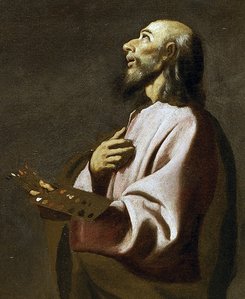
フランシスコ・デ・ズラバラン
1598 - 1664 , スペイン
プロフィール概要
- Artistic Movement Or Style: バロック テネブリスム
- Artists Or Movements Influenced By This Artist: ['カラヴァッジョ']
- Artists Who Influenced This Artist: ['フアン・サンチェス・コタン']
- Date Of Birth: 1598年
- Date Of Death: 1664年
- Full Name: Francisco de Zurbarán
- Nationality: スペイン人
- Notable Artworks:
- イマコラツェーション
- アグヌス・デイ
- 聖フランシス受洗
- 聖ベロニカのヴェール
- Place Of Birth: スペイン フエンテ・デ・カンτος

