 プレビュー
プレビュー
 シェアする
シェアする シェアする
シェアする
 詳細を見る
詳細を見る

 ダウンロード
 似ている作品
 X線調査
X線調査 スライドショー
The Miracle of St. Anthony


 詳細を見る
詳細を見る
ジークレー/アートプリント
迅速な制作と多彩な仕上げオプションを備えた、ミュージアムクオリティのジークレーまたはキャンバスプリント。 ( 手描きの絵画を購入 画像を購入)




P118B $10

P118H $10

P118W $10

P438Z $10

P508JH $12

P508YH $12

P805H $10

P805Z $10

P919BZ $10

P919G $10

P919XJ $10

P959ZH $10

P968JZ $12

W106C $8

W218G $10

W218JH $8

W218Y $10

W307PJ $10

W316G $10

W316PJ $8

W316Y $10

W398PJ $8

W4111J $10

W500HY $15

W500JH $15

W692G $12

W849H $8

W940BG $15

W953PJ $8




作品のオリジナル比率に合わせた、当店の規定サイズからお選びください。

特定のフレームやスペースに合わせて、ご自身でサイズを指定することも可能です。選択されたサイズが元の画像の比率と一致しない場合、作品をトリミングするか、鏡面反射または単色での塗りつぶしによって画像を拡張いたします。制作を開始する前に、ご確認用のデジタルモックアップをお送りいたします。
画面上のプレビューには、実際のトリミングや拡張は反映されませんのでご注意ください。最終的な構図を正確に確認できるのは、モックアップのみとなります。
カスタムサイズも承っておりますが、元の比率を維持するためには、あらかじめ用意されたリストからサイズを選択することをお勧めいたします。


 ガラスオプションは、110cm未満のサイズでのみご利用いただけます。

The Miracle of St. Anthony
ジークレー/アートプリント
複製画のサイズ
-


合計金額
$ 62
作品詳細説明
The Miracle of St. Anthony: A Glimpse into Goya’s Soul
Francisco José de Goya y Lucientes, a name synonymous with both the grandeur of Old Master tradition and the unsettling premonitions of modern art, remains one of history’s most compelling and enigmatic figures. Born in 1746 in the small village of Fuendetodos, Aragon, his journey from aspiring provincial artist to court painter, and ultimately, to a visionary chronicler of human suffering and societal decay, is a testament to both his extraordinary talent and the turbulent times he inhabited. Goya’s early training began at age fourteen under José Luzán y Martinez, laying a foundation in traditional techniques before he moved to Madrid and refined his skills with Anton Raphael Mengs, then the dominant artistic force at the Spanish court. This initial period instilled in him a mastery of form and composition, evident in his early commissions – designs for tapestries that shimmered with opulent detail and intricate cartoons destined for the royal palace’s grand decorations. However, it was not merely technical skill that defined Goya; he possessed an uncanny ability to capture the essence of his subjects, imbuing them with a palpable sense of humanity—both its beauty and its vulnerability.A Dramatic Tableau: Style and Technique
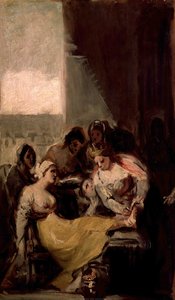
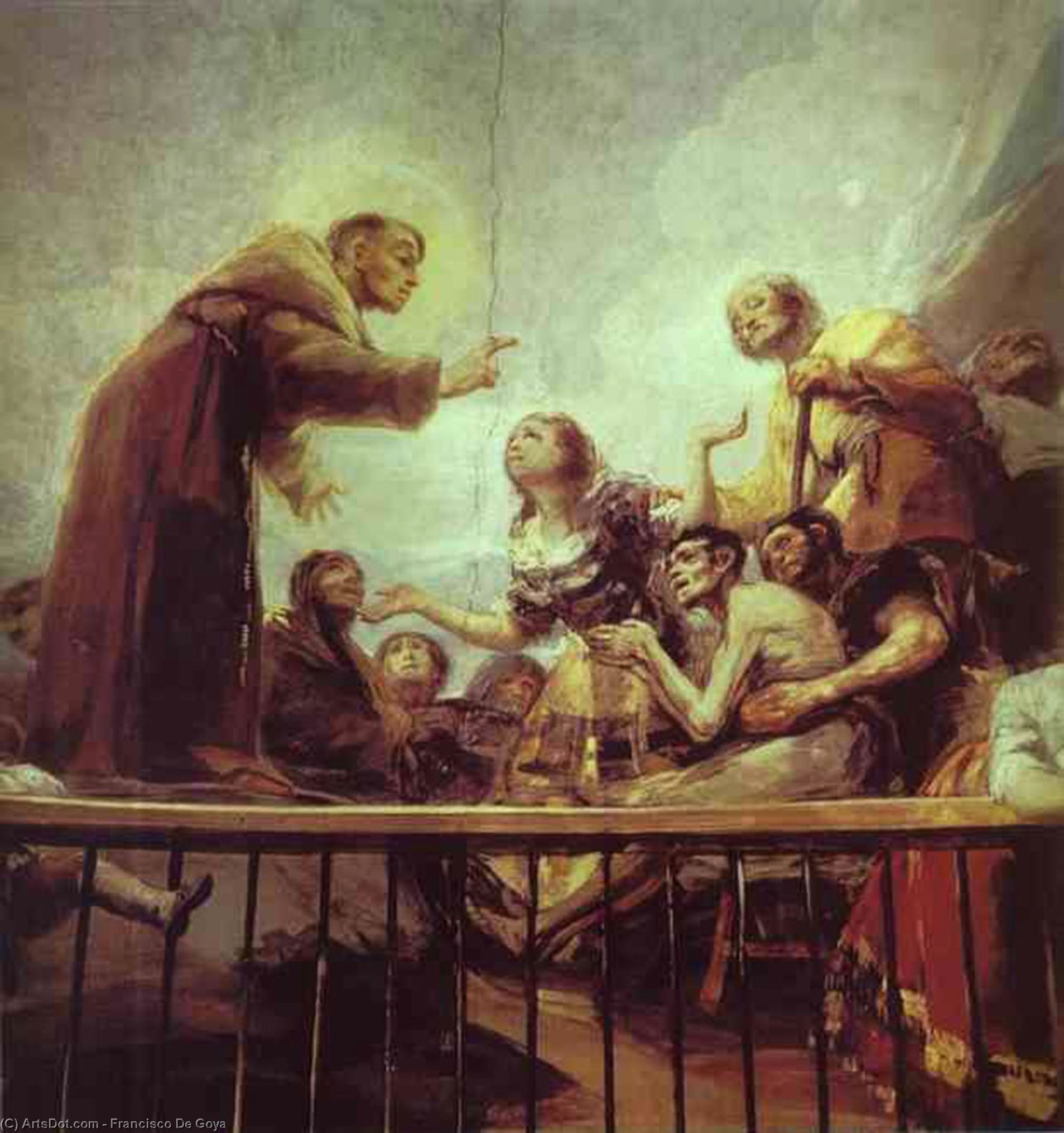
“The Miracle of St. Anthony,” painted in 1798, exemplifies Goya’s masterful command of Romanticism, a movement that sought to evoke intense emotion through dramatic imagery and an exploration of the sublime. The painting, measuring a substantial 400 x 300 cm on canvas, is dominated by a rich, dark palette—a hallmark of Goya's later work—that immediately establishes a mood of solemnity and mystery. He employs a technique known as *chiaroscuro*, a dramatic interplay between light and shadow, to sculpt the figures and create a sense of depth and volume. The stark contrast between the illuminated face of St. Anthony and the surrounding darkness draws the viewer’s eye directly to him, emphasizing his role as the central figure of this miraculous event. Notice also Goya's loose brushstroke, a deliberate departure from the smooth, polished surfaces favored by earlier artists. This technique adds a dynamic energy to the scene, suggesting movement and conveying the palpable sense of awe experienced by those witnessing the miracle. The composition itself is carefully constructed—a theatrical arrangement designed to heighten the drama and draw the viewer into the heart of the event.The Miracle Unfolds: Interpretation and Symbolism
At its core, “The Miracle of St. Anthony” depicts a scene from the saint’s life – a miraculous healing that occurred when he was dying in a prison cell. The story recounts how, during his final moments, St. Anthony miraculously rose from his deathbed, walked to the altar, and offered himself for mass. Goya doesn't simply present this event as a religious miracle; instead, he imbues it with layers of symbolic meaning. The figures surrounding St. Anthony—a woman clutching a child, a man gesturing in apparent understanding, and several onlookers—represent the diverse range of humanity drawn to witness this extraordinary event. Their expressions vary from astonishment to reverence, reflecting the profound impact of the miracle on their lives. The setting itself – a simple balcony overlooking a crowd – feels almost like a stage, further emphasizing the theatrical nature of the scene. Some art historians interpret the painting as a commentary on the role of religion in society—a powerful force capable of inspiring hope and faith amidst hardship. Goya’s depiction of the miracle as a communal event suggests that its significance extends beyond the individual, uniting people through shared belief and experience.A Legacy Endures: Reproductions and Artistic Inspiration
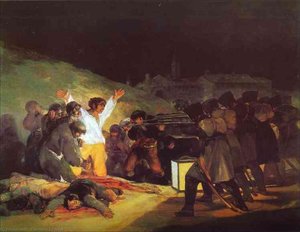
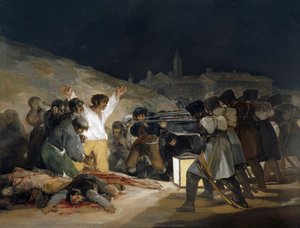
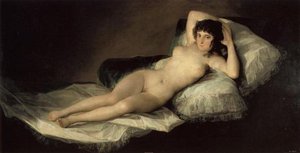
If you're captivated by the dramatic intensity and profound symbolism of “The Miracle of St. Anthony,” you can now own a stunning handmade oil painting reproduction through ArtsDot.com. Our team of skilled artists meticulously recreates Goya’s techniques, using the same pigments and brushwork to capture the essence of this masterpiece. Beyond its immediate visual appeal, the painting offers a window into the mind of one of art history's most complex and influential figures. Consider also exploring other notable works by Francisco de Goya available at ArtsDot.com, such as “La maja desnuda” (The Naked Maja), a daring nude that challenged societal norms, and “El tres de mayo de 1808” (The Third of May 1808), a harrowing depiction of the Peninsular War—a testament to Goya’s ability to confront difficult truths with unflinching honesty. Visit ArtsDot.com today to bring this iconic work into your home and experience the enduring power of Goya's vision.関連作品
アーティストの略歴
フランシスコ・デ・ゴヤ:暗黒と光のスペイン魂
フランシスコ・ホセ・デ・ゴヤ・イ・ルシエンテスという名は、美術史の回廊に深く刻まれています。彼は時代の伝統を受け継ぎながらも、近代美術における不安と表現の自由を予見した先駆者であり、その人生は並外れた才能と激動の時代を物語っています。1746年、スペインの小さな村フエンテトドスで生まれ、地方の画家を目指す若き芸術家から、宮廷画家へと昇り詰め、そして最終的には人間の苦しみと社会の衰退を記録する語り手となったゴヤの道のりは、彼の並外れた才能と激動の時代を物語っています。初期にはホセ・ルザン・イ・マルティネスのもとで基礎を築き、その後マドリードに移ってアントン・ラファエル・メングスのもとで技量を磨きました。メングスは当時のスペイン宮廷における芸術界の中心的存在であり、この初期の鍛錬期間を通じてゴヤは形式と構成の習得に努めました。彼の初期の作品、特に王室タペストリー工場向けの制作されたデザインは、活気あふれる日常生活を描き出し、ロココ様式の影響を受けつつも、スペイン独自のリアリズムを帯びていました。また、王室関係者の姉であるホセファ・バジェウとの結婚は、宮廷社会における彼の地位を確固たるものとしました。しかしながら、これらの初期の作品は魅力的で技巧的ではありましたが、その後のゴヤの作品を特徴づける深遠な感情的な奥行きや不安感を予感させるものはほとんどありませんでした。宮廷からの昇進と変容:優雅さから内なる葛藤へ
ゴヤの宮廷での台頭は着実に進みました。1786年には王室の画家となり、貴族や王室からの肖像画の依頼が途絶えませんでした。これらの肖像画は単に被写体の外見を捉えているだけでなく、その心理的な洞察力も際立っています。ゴヤは被写体が「見た目」だけでなく、「個性」までも描き出していたのです。例えば、キンチョン伯爵夫人は、優雅なドレスを着た美しい女性として描かれているだけでなく、知性とわずかな憂鬱を漂わせる人物として表現されています。しかしながら、宮廷での成功の陰で、ゴヤの内面には変容が起こっていました。1793年、重い病に罹患し、聴力を失ったことは、彼の世界認識を根底から覆す出来事でした。この病は彼を社会生活から隔絶し、内省と孤独へと導き、より暗く、主観的な現実へと意識を向けさせました。その結果、芸術スタイルも劇的に変化しました。明るい色彩や陽気な場面は消え去り、代わりに陰鬱な色彩、自由な筆致、感情に満ちた構成が生まれました。彼は狂気、暴力、そして非合理といったテーマを探求し始め、それはヨーロッパを覆うであろう不安を予感させるものでした。暗黒のビジョン:ロ・カプリチョス、災厄戦争、そして黒い絵画
この芸術的な創造性の高まりは、ゴヤの最も象徴的な作品群を生み出しました。1799年に発表された80点の版画シリーズロ・カプリチョスは、スペイン社会に対する痛烈な風刺であり、その愚かさ、迷信、そして道徳的腐敗が容赦なく暴き出されています。これらの画像はグロテスクでありながら魅力的で、魔女、怪物、そして貴族の風刺的な描写が、卓越した版画技術によって表現されています。しかし、災厄戦争(1810年~1820年)は、ゴヤを人間の苦しみの勇敢な記録者として確固たる地位に押し上げました。これらの衝撃的な版画は、半島戦争の残虐さを描き出しており、両陣営による残虐行為、飢餓、絶望、そしてスペイン国民に降りかかった壊滅的な被害が容赦なく描写されています。これらは英雄的な戦闘の描写ではなく、その恐怖を容赦なく記録したものであり、ロマン主義や美化といった要素は一切含まれていません。おそらく最も心を揺さぶる作品群は、黒い絵画です。ゴヤは自身の家「聾人の館」の壁に直接14点の壁画を描き、そのテーマは絶望、狂気、そして実存的な恐怖を表現したものであり、従来の芸術的慣習からの大胆な逸脱であり、抽象美術の表現力を予見するものでもあります。革新と影響の遺産
1824年、スペインにおける政治的不安に幻滅し、ゴヤはフランスのボルドーへ亡命しました。彼は亡くなるまでそこで働き続けました。彼の晩年は、トルマキアシリーズなど、版画制作への再集中という形で現れました。これは闘牛の世界をテーマにしたものでした。フランシスコ・デ・ゴヤの遺産は計り知れません。彼は美術史における重要な人物であり、古き良き巨匠と近代芸術を結ぶ架け橋となっています。彼の影響は、エドゥアール・マネットやパブロ・ピカソから、フランシス・ベーコンに至るまで、数多くの後続の芸術家に及んでいます。彼らはゴヤの表現力豊かな筆致、心理的な深み、そして不快な真実と向き合う勇気に惹かれました。彼は芸術的慣習に挑戦し、革新を受け入れ、人間の経験の暗い側面を探求することで、今日に至るまで観客を魅了する作品群を残しました。ゴヤは単なる絵を描いていたのではありません。社会に鏡を突きつけ、私たち自身の欠点や脆弱性と向き合い、そして人間の精神の持続的な力と脆さを思い出させていたのです。テーマと技法
ゴヤのキャリア全体を通して、いくつかの反復するテーマが見られます。ロ・カプリチョスでは、人間の愚かさと社会の腐敗が探求され、災厄戦争では戦争の恐怖が容赦なく描かれています。彼の後期の作品群には、暗黒、迷信、非合理に対する魅力が浸透しており、黒い絵画における不安なイメージに最高潮を迎えます。技術的には、ゴヤはさまざまな媒体で熟練していました。彼は肖像画において、外見だけでなく心理的な深みも捉えることに長けていました。彼の色彩の使用法は時代とともに進化し、初期の作品の明るいパレットから、後期絵画や版画の陰鬱な色調へと変化しました。特に版画技術においては革新的であり、アチューンを使用してトーンの変化と劇的な効果を生み出しました。- エッチング: ゴヤのエッチング技術は、複雑なディテールと表現力豊かな線を生み出すことを可能にしました。
- アチューン: この技法により、幅広いトーンとテクスチャを実現し、版画の感情的なインパクトを高めました。
- 筆致: 特に後期作品における彼の自由で表現力豊かな筆致は、その即時性と感情的な強さにつながっています。
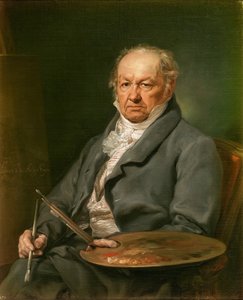
ゴヤ
1746 - 1828 , スペイン
基本情報
- フルネーム: フランシスコ・ホセ・デ・ゴヤ・イ・ルシエンテス
- 主な作品:
- 災厄の戦争
- 風刺画集
- サターンが息子を食べる
- 裸のマハ
- 出生地: フエンテトドス、スペイン
- 国籍: スペイン
- 影響を与えたアーティスト:
- エドゥアール・マネ
- パブロ・ピカソ
- フランシス・ベーコン
- 影響を受けたアーティスト:
- アントン・ラファエル・メングス
- ホセ・ルザン・イ・マルティネス
- 死亡年月日: 1828年4月16日
- 生年月日: 1746年3月30日
- 芸術運動またはスタイル: ロマン主義
関連記事

ゴヤ傑作25選:スペインの魂を揺さぶる、深遠な芸術の世界 | ArtsDot
ゴヤ傑作25選:ロマン主義を代表するスペインの巨匠、フランシスコ・デ・ゴヤの世界へ。黒衣の女からマハまで、魂を揺さぶる絵画の物語と技法を紐解きます。ArtsDotで高品質なアートレプリカを見つけ、インテリアに深みと風格を。今すぐコレクションをご覧ください。
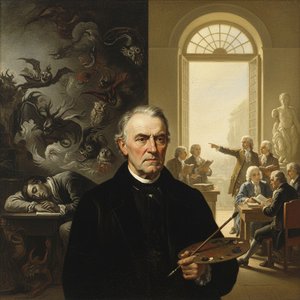
Francisco Goya: Darkness & Enlightenment – A Comprehensive Exploration of the Artist's Life, Works, and Enduring Legacy
Explore the life & works of Francisco Goya, Spain's Romantic master. Discover his evolution from court painter to a visionary chronicler of war and social injustice. A comprehensive guide for art enthusiasts.
ロマン主義を彩る至宝:時代を象徴する10大名作の世界
ロマン主義を代表する10大名作を紐解く!ドラクロワ、ルーベンスなど巨匠たちの情熱と色彩が息づく世界。時代を超えて愛される傑作の物語を深く探求し、お部屋に彩りを添える高品質なアートプリントを見つけましょう。ArtsDot.comで全ての作品を発見してください。
エル・グレコの傑作25選:魂を揺さぶる宗教画と芸術の深淵 | ArtsDot
エル・グレコの傑作25選:魂を揺さぶる宗教画の世界へ。スペイン絵画の巨匠、マニエリスム様式と Toledo の光彩を紐解きます。ArtsDot.com で名画のアートプリントや複製画をお楽しみください。コレクションはこちら →
The Evocative Brushstroke: Exploring Emotion, Individuality & the Sublime in Romanticism's Artistic Landscape
Explore the passionate world of Romanticism! Discover masterpieces by Friedrich & Goya, delve into the sublime, and understand the movement's lasting impact on art history. Expert analysis & insights at ArtsDot.