 プレビュー
プレビュー
 シェアする
シェアする シェアする
シェアする
 詳細を見る
詳細を見る

 ダウンロード
 似ている作品
 X線調査
X線調査 スライドショー
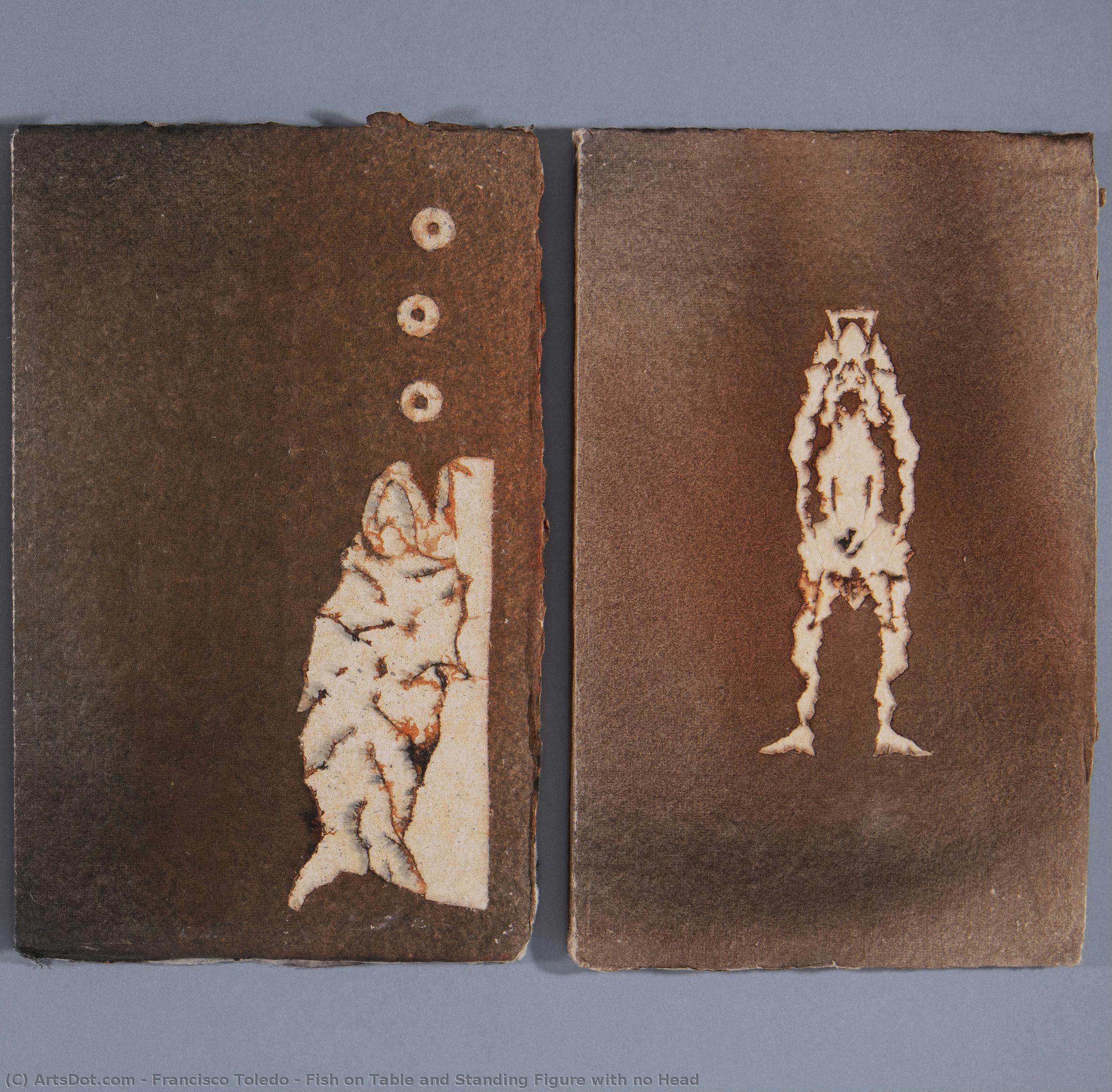
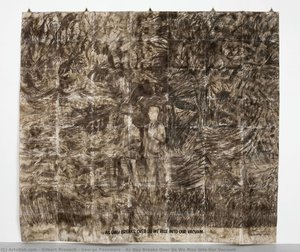
Fish on Table and Standing Figure with no Head
 Acrylic On Canvas
- WallArt
- Contemporary Realism
 2002
2002 35.0 x 22.0 cm
 USC フィッシャー美術館
 詳細を見る
詳細を見る
ジークレー/アートプリント
迅速な制作と多彩な仕上げオプションを備えた、ミュージアムクオリティのジークレーまたはキャンバスプリント。 ( 手描きの絵画を購入 画像を購入)




P118B $10

P118H $10

P118W $10

P438Z $10

P508JH $12

P508YH $12

P805H $10

P805Z $10

P919BZ $10

P919G $10

P919XJ $10

P959ZH $10

P968JZ $12

W106C $8

W218G $10

W218JH $8

W218Y $10

W307PJ $10

W316G $10

W316PJ $8

W316Y $10

W398PJ $8

W4111J $10

W500HY $15

W500JH $15

W692G $12

W849H $8

W940BG $15

W953PJ $8




作品のオリジナル比率に合わせた、当店の規定サイズからお選びください。

特定のフレームやスペースに合わせて、ご自身でサイズを指定することも可能です。選択されたサイズが元の画像の比率と一致しない場合、作品をトリミングするか、鏡面反射または単色での塗りつぶしによって画像を拡張いたします。制作を開始する前に、ご確認用のデジタルモックアップをお送りいたします。
画面上のプレビューには、実際のトリミングや拡張は反映されませんのでご注意ください。最終的な構図を正確に確認できるのは、モックアップのみとなります。
カスタムサイズも承っておりますが、元の比率を維持するためには、あらかじめ用意されたリストからサイズを選択することをお勧めいたします。


 ガラスオプションは、110cm未満のサイズでのみご利用いただけます。

Fish on Table and Standing Figure with no Head
ジークレー/アートプリント
複製画のサイズ
-


合計金額
$ 62
The Enigmatic Duo: A Glimpse into Toledo's Oaxacan Soul
Francisco Toledo’s “Fish on Table and Standing Figure with no Head,” painted in 2002, isn’t merely a pair of canvases; it’s a distilled essence of the artist’s lifelong engagement with Mexican identity, indigenous culture, and the complex interplay between tradition and modernity. Created during a period of significant social and political upheaval in Oaxaca, where Toledo maintained a deeply rooted home, this work embodies his signature blend of vibrant color, symbolic imagery, and a subtle yet persistent critique of colonial legacies. The painting immediately draws the eye with its stark juxtaposition – a seemingly simple still life alongside an unsettlingly vacant figure – inviting prolonged contemplation and a deeper understanding of Toledo’s artistic vision.
- The Fish on Table: A plump, almost cartoonish fish rests upon a weathered stone surface. Its bright scales—a riot of turquoise, crimson, and gold—contrast sharply with the muted tones of the table, suggesting abundance and vitality amidst an underlying sense of vulnerability. The positioning is deliberate; it’s not simply placed on the table, but *dominates* it, asserting its presence and demanding attention.
- The Standing Figure: In stark contrast to the fish, a solitary figure stands upright, yet devoid of a head. This absence creates an immediate feeling of incompleteness, prompting questions about identity, memory, and the very nature of being. The figure’s posture is one of quiet contemplation, almost mournful, adding a layer of pathos to the composition.
A Dialogue Between Worlds: Style, Technique, and Toledo's Influences
Toledo’s style is instantly recognizable – a vibrant synthesis of Mexican folk art traditions with European influences, particularly Surrealism and Cubism. The painting showcases his masterful use of color, employing bold hues to create dynamic visual relationships. The brushwork is loose and expressive, conveying a sense of immediacy and spontaneity. He frequently incorporated elements of Zapotec iconography into his work, drawing upon the rich mythology and symbolism of his ancestral home. This piece demonstrates his signature layering technique, building up surfaces with multiple thin washes of color to create depth and texture. The use of impasto – thick application of paint – is particularly evident in the fish’s scales, adding a tactile quality to the image.
The painting's roots are deeply embedded in Oaxacan culture, reflecting Toledo’s commitment to preserving and celebrating indigenous traditions while simultaneously challenging colonial narratives.Symbolism and Context: Unpacking the Layers of Meaning
The pairing of the fish and the headless figure is rich with symbolic potential. The fish, a recurring motif in Toledo's work, often represents fertility, abundance, and connection to the natural world – elements vital to indigenous cultures. However, its placement on the table suggests a disruption of this harmony, hinting at the impact of modernization and Western influence. The headless figure, arguably the more enigmatic element, can be interpreted as representing lost identity, forgotten histories, or perhaps even the silenced voices of marginalized communities. It’s a poignant reminder of the consequences of cultural erasure.
Considering the painting's creation in 2002, it’s crucial to acknowledge the context of post-NAFTA Mexico – a period marked by rapid economic change and increasing social inequality. Toledo was deeply involved in activism surrounding these issues, using his art as a vehicle for social commentary and cultural preservation. The USC Fisher Museum of Art, where this piece resides, further underscores its significance within the broader landscape of contemporary Mexican art.
A Timeless Reflection: Emotional Impact and Artistic Legacy
"Fish on Table and Standing Figure with no Head" is more than just a visually striking artwork; it’s a powerful meditation on identity, memory, and the enduring legacy of colonialism. The painting evokes a sense of melancholy and contemplation, prompting viewers to confront uncomfortable truths about cultural exchange and the complexities of human experience. Its vibrant colors and evocative imagery create an emotional resonance that lingers long after viewing, solidifying Toledo's place as one of Mexico’s most important and influential artists. Reproductions capture much of this power, offering a window into the artist’s profound vision.
関連作品
アーティストの略歴
オアハカの魂に織り込まれた生涯
1940年、オアハカ州フチタラン・デ・サラゴサに生を受けたフランシスコ・ベニミント・ロペス・トレドは、単なる芸術家ではありませんでした。彼は文化の設計士であり、故郷への情熱的な擁護者であり、メキシコで最も深い影響力を持つ現代の重要人物の一人でした。彼の生涯は、オアカカ文化の鮮やかな伝統や、見過ごされがちな複雑な深みと分かちがたく結びついています。その遺産は、彼の膨大な作品群におけるあらゆる筆致、彫刻の造形、そして織り込まれた糸の一本一本にまで浸透しています。トレドの芸術的な旅路は早くから始まり、サポテカ族としての育ちの中で培われた豊かな視覚言語によって育まれ、オアハカ美術学校、さらにはメキシコシティの国立美術学院応用芸術高等センターにおいて、ギジェルモ・シルバ・サンタマリアの指導の下で形式化されました。しかし、正規の教育はあくまで基礎に過ぎませんでした。トレドの真の学びは、自らの周囲にある世界、すなわち故郷の風景、伝承、そして社会的な現実の中に身を投じることから得られたのです。万華鏡のような影響の交錯
フランシスコ・トレドを単一の芸術運動の中に分類することは不可能であり、おそらくは望ましくないことでもあります。彼のスタイルは驚くほど流動的で、自身の知的好奇心と深く根ざした文化的アイデンティティの両方を反映した、多様な影響の魅惑的な合成体です。その作品には先コロンブス期の美術の残響が強く響き渡り、特にサポテカ族や他の先住民文化の図像学が、様式化された人物像や象徴的なモチーフとして現れています。この祖先との繋がりは、メキシコの民俗芸術の溢れんばかりの色彩感覚や物語的精神と美しく織り合わされ、古(いにしえ)の響きを持ちながらも驚くほどモダンに感じられる視覚言語を生み出しています。しかし、トレドは単に伝統を再現することに甘んじることはありませんでした。彼はシュルレアリスムの要素を恐れずに取り入れ、夢のような構成や潜在意識の探求を、自身の絵画や版画作品の中に浮かび上がらせました。歴史、遺産、そして個人的なビジョンが調和して衝突するこの独自のブレンドこそが、彼の芸術の際立った特徴を定義しています。彼はしばしば大胆な線、質感のある表面、そして意図的に制限されたカラーパントを使用し、視覚的に強烈で感情に訴えかけるイメージを作り上げました。アイデンティティ、社会、そして自然という主題
トレドの芸術的な物語には、周囲の世界に対する彼の深い関わりを示すテーマが繰り返し織り込まれています。キャンバスを超えて:文化的な遺産
フランシスコ・トレドの影響は、絵画や彫刻の領域を遥かに超えて広がっています。彼はオアハカにおける文化保存と地域開発の不屈の擁護者であり、芸術は真空の中で生まれるのではなく、支えとなるエコシステムの中でこそ繁栄することを理解していました。この信念への献身は、故郷の芸術的景観を豊かにし続けるいくつかの重要な機関の設立へと繋がりました。視覚的な知識の宝庫であるオアハカグラフィック芸術研究所(IAGO)の図書室、現代アーティストにプラットフォームを提供するオアハカ現代美術館(MACO)、文化遺産の保護に捧げられたオアハカ文化遺産保護・保存財団、そして盲児のための図書館、写真センター、エドゥアルド・マタ音楽図書館など、数々の取り組みがその一例です。これらの活動は、地域社会における芸術的表現と文化的意識を育むという彼の揺るぎない献身を示しており、彼を単なる芸術家ではなく、真の先見者としての地位を確立させました。彼の作品はメキシコ国内のみならず、アルゼンチン、ブラジル、コロンビア、エクアドル、スペイン、イギリス、ベルギー、フランス、日本、スウェーデン、そしてアメリカ合衆国など、国際的に広く展示されてきました。永続する影響力
2019年のフランシスコ・トレドの逝去は、芸術界にとって大きな損失となりましたが、その影響は今も深く響き続けています。彼はオアハカの芸術を国際舞台へと押し上げ、独自のビジョンと社会正義への揺るぎないコミットメントによって世代を超えたアーティストたちにインスピレーションを与えた、メキシコで最も重要な現代アーティストの一人と正当にみなされています。芸術的創造とコミュニティのエンパワーメントの両方に対する彼の献身は、文化的なアイコンとしての地位を確固たるものにしました。それは、人生を変え、より公平な世界を形作るための芸術の力を証明するものです。トレドの遺産は、単に彼の作品を展示する美術館やギャラリーの中にあるのではなく、彼が設立した活気ある文化機関の中に、そして彼の芸術と活動を通じて触れた数え切れないほどの人々の心の中に生き続けているのです。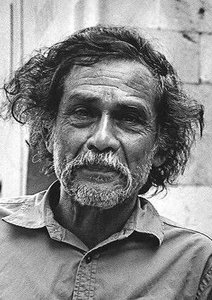
フランシスコ・トリード
1940 - , メキシコ
基本情報
- Artistic Movement Or Style: シュルレアリスム、フォークアート
- Artists Who Influenced This Artist:
- ルフィノ・タマヨ
- パウル・クレー
- ジャン・デュビュッフェ
- Date Of Birth: 1940年
- Full Name: フランシスコ・ベンハミン・ロペス・トレド
- Nationality: メキシコ
- Notable Artworks:
- バッタとアリゲーター
- しゃがむ二人...
- カニの網...
- Place Of Birth: メキシコ、フチターン・デ・サラゴサ
関連記事

ゴヤ傑作25選:スペインの魂を揺さぶる、深遠な芸術の世界 | ArtsDot
ゴヤ傑作25選:ロマン主義を代表するスペインの巨匠、フランシスコ・デ・ゴヤの世界へ。黒衣の女からマハまで、魂を揺さぶる絵画の物語と技法を紐解きます。ArtsDotで高品質なアートレプリカを見つけ、インテリアに深みと風格を。今すぐコレクションをご覧ください。
Francisco Goya: Darkness & Enlightenment – A Comprehensive Exploration of the Artist's Life, Works, and Enduring Legacy
Explore the life & works of Francisco Goya, Spain's Romantic master. Discover his evolution from court painter to a visionary chronicler of war and social injustice. A comprehensive guide for art enthusiasts.

Francisco de Zurbarán: Mysticism, Realism & the Golden Age of Spanish Painting
Explore the captivating world of Francisco de Zurbarán, a master of Spanish Baroque painting. Discover his dramatic tenebrism, religious masterpieces like 'La Porciúncula,' and lasting influence on art history.
Francisco Gutiérrez Cossío: A Legacy of Cuban Muralism & Social Commentary
Explore the captivating art of Francisco Gutiérrez Cossío, a pivotal Cuban painter renowned for his bold social realism & striking murals. Discover his legacy and investment potential.
Cultivating Connection: Eco-Aesthetic Representations of Farm-to-Table Philosophies in Contemporary Art
Explore how contemporary art reflects the farm-to-table movement & sustainable living. Discover artists championing ecological awareness, ethical practices, and a deeper connection to our food systems. Expert insights & inspiring works.