

 プリントを購入
 シェアする
シェアする シェアする
シェアする
 詳細を見る
詳細を見る

 ダウンロード
 似ている作品
 スライドショー
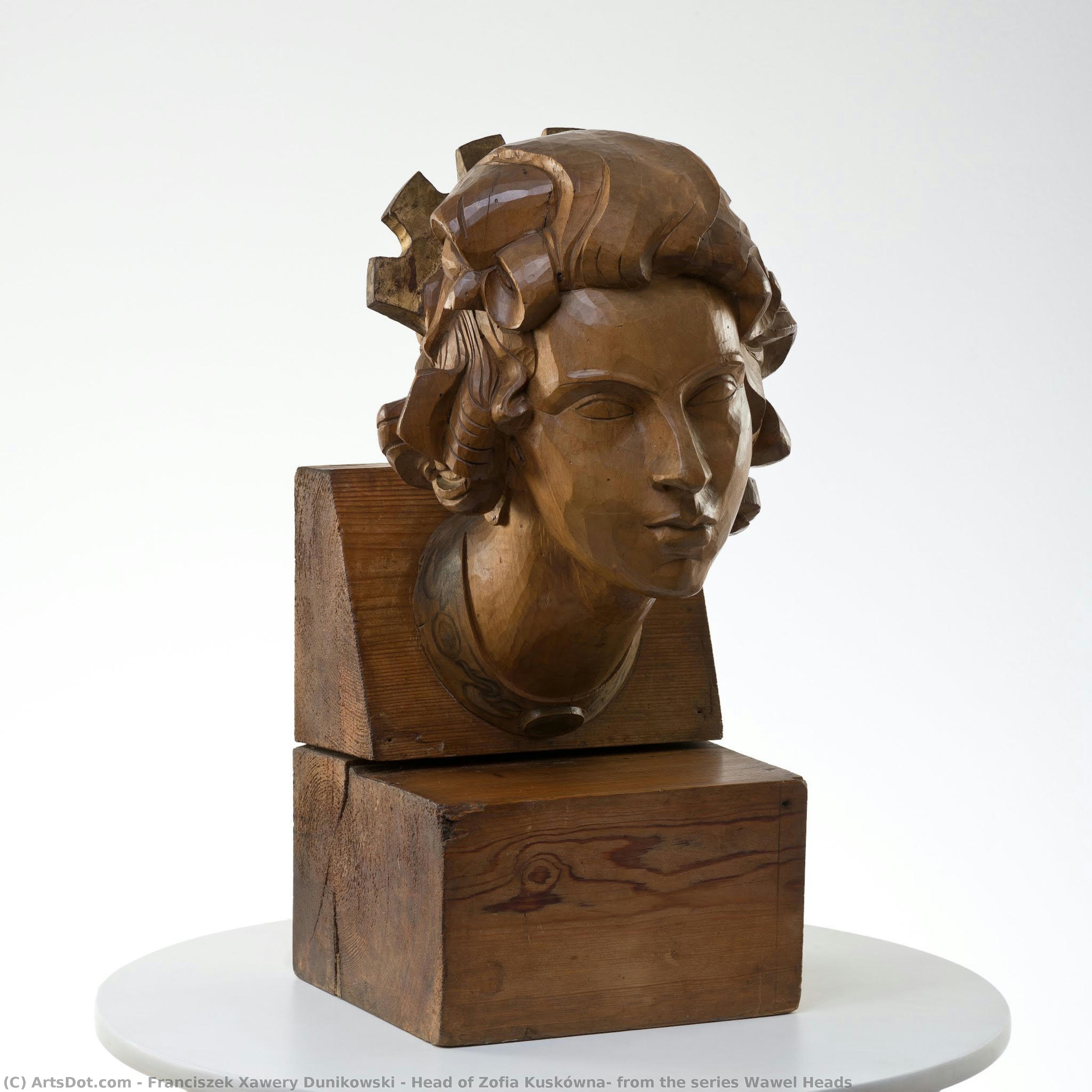
Head of Zofia Kuskówna, from the series Wawel Heads


 詳細を見る
詳細を見る




































作品のオリジナル比率に合わせた、当店の規定サイズからお選びください。

特定のフレームやスペースに合わせて、ご希望のサイズをご入力いただけます。選択されたサイズが元の画像の比率と異なる場合、アートワークをトリミングするか、手描きで要素を追加して絵画を拡張いたします。デジタルモックアップ を制作し、制作開始前にご確認(承認)をいただきます。
画面上のプレビューは、実際のトリミングや拡張を正確に反映しているものではありません。最終的な構図は、モックアップによってのみ正確にご確認いただけます。
カスタムサイズもご利用いただけますが、元の比率を維持するためには、あらかじめ用意されたリストからサイズを選択することをお勧めいたします。
ご注文後、ArtsDot.com チームより詳細な指示をお送りするとともに、仕上がりイメージ(モックアップ)をご提供いたします。


 ガラスオプションは、110cm未満のサイズでのみご利用いただけます。

Head of Zofia Kuskówna, from the series Wawel Heads
複製技法
複製画のサイズ
-


合計金額
$ 263
A Portrait of Resilience: The Head of Zofia Kuskówna
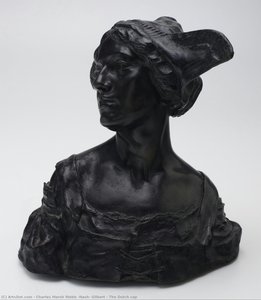
Franciszek Xawery Dunikowski’s “Head of Zofia Kuskówna, from the series Wawel Heads” is more than just a sculpted portrait; it's a poignant testament to Polish history and the enduring spirit of its people. Created in 1926, this remarkable wooden sculpture draws upon the rich tradition of the Wawel Heads – a series commissioned by Dunikowski to adorn the coffers of Kraków’s Wawel Cathedral. These figures, each representing a historical or mythological figure, were intended to evoke a sense of national pride and continuity, acting as silent guardians of Poland's past.
The subject herself, Zofia Kuskówna, remains somewhat enigmatic, adding to the sculpture’s captivating allure. While her identity isn’t definitively established, she embodies an idealized beauty—a serene expression framed by flowing, intricately carved hair that cascades down her shoulders. Dunikowski masterfully captures a sense of dignified composure, suggesting both strength and vulnerability. The choice of Zofia Kuskówna as the subject is significant; it speaks to the enduring power of female figures in Polish history and mythology, subtly reinforcing themes of remembrance and legacy.
Neo-Romanticism: A Sculptor's Vision
Dunikowski’s work firmly resides within the Neo-Romantic movement, a style that emerged in the late 19th century as a reaction against the rigid formalism of Neoclassicism. Characterized by an intense emotionality and a fascination with folklore, mythology, and the natural world, Neo-Romanticism sought to reconnect art with its roots in popular culture and spiritual experience. Dunikowski’s “Head of Zofia Kuskówna” exemplifies these principles through its expressive detailing, rich textures, and evocative portrayal of human emotion.
The sculpture's realism is tempered by a distinctly Romantic sensibility. The artist employs meticulous carving to render the delicate contours of the face, the subtle nuances of expression, and the intricate folds of the hair with remarkable precision. However, he doesn’t shy away from exaggeration or stylization—the flowing locks, for instance, are rendered with an almost theatrical flourish, conveying a sense of movement and vitality. The use of dark-toned timber further enhances the sculpture's dramatic effect, creating a powerful contrast between light and shadow.
Craftsmanship and Technique
Dunikowski’s skill as a sculptor is immediately apparent in the meticulous detail of “Head of Zofia Kuskówna.” The piece is executed through subtractive sculpture—a technique where wood is carefully carved away to reveal the desired form. This process demands immense patience, precision, and an intimate understanding of the material. The artist’s hand is evident in every curve, every line, and every subtle variation in texture.
Beyond the technical mastery, the sculpture reveals a deep appreciation for the inherent beauty of wood. Dunikowski skillfully exploits the natural grain patterns and variations in color to create a visually rich and dynamic surface. The rougher textures of the base contrast beautifully with the smooth, polished skin of the face, adding depth and complexity to the composition. The choice of dark timber not only contributes to the sculpture’s dramatic effect but also subtly references the solemnity and historical weight associated with the Wawel Cathedral.
A Legacy of Remembrance
“Head of Zofia Kuskówna” stands as a powerful symbol of Polish identity and artistic heritage. As part of the larger “Wawel Heads” series, it represents a concerted effort to preserve and celebrate Poland’s rich cultural past. Dunikowski's work, particularly this piece, carries with it the weight of history—the trauma of World War I, the challenges of rebuilding a nation, and the enduring spirit of its people. The sculpture serves as a poignant reminder of the importance of remembering our roots and honoring those who came before us.
関連作品

アーティストの略歴
The Sculptor of Resilience: The Life and Legacy of Franciszek Xawery Dunikowski
In the heart of Kraków, where history breathes through ancient stone and cobblestone, the life of Franciszek Xawery Dunikowski began. Born on December 24, 1875, to a family of noble lineage, Dunikowski was destined for a life that would bridge the gap between classical tradition and the raw, unsettling truths of modernity. His early years were marked by a movement from the cultural cradle of Kraków to the industrial pulse of Warsaw, an odyssey that provided him with a diverse palette of human experiences. This period of formation was not merely about geographic shifts but about the cultivation of a rebellious spirit. As a young man, his involvement in the Polish Socialist Party even led to a brief incarceration at the Warsaw Citadel, an experience that likely deepened the psychological intensity and social consciousness that would later define his sculptural language.
Dunikowski’s artistic education was a rigorous journey through the finest institutions of his era. Studying under masters such as Konstanty Laszczka and Alfred Daun at the Academy of Fine Arts in Kraków, he absorbed the technical precision of the classical tradition while simultaneously being drawn toward the expressive, emotive currents of European Neo-Romanticism. He was profoundly moved by the works of Auguste Rodin, whose ability to capture the very essence of movement and psychological struggle became a cornerstone of Dunikowski’s own methodology. Rather than seeking academic perfection, he sought the "naked soul," prioritizing rapid sketching and meticulous modeling to distill complex human emotions into tangible, powerful forms. His early works, such as Skąpiec (The Miser), showcased an emerging ability to use the medium of sculpture to explore the darker, more visceral aspects of the human condition.
A Visionary Defiance: Breaking the Mold of Tradition
To understand Dunikowski is to understand a man who lived in constant tension with the expectations of his time. He was often viewed as a provocateur, an artist whose works were sometimes derisively labeled as "plaster monsters" or "gypsum frights" by critics unaccustomed to his radical approach. He famously challenged the very foundations of sculptural presentation, often placing his creations directly upon the floor, stripped of the traditional pedestals that served to distance art from the viewer. This act of artistic rebellion was a deliberate attempt to bring the sculpture into the same physical and emotional plane as the observer, fostering a direct, unmediated encounter with the subject matter.
His thematic range was as vast as it was daring. During the Young Poland period, he produced symbolic sculptural groups that were both haunting and monumental, including:
- Tchnienie (A Breath of Air): A work capturing the ephemeral nature of life.
- Jarzmo (Yoke): An exploration of burden and existential weight.
- Fatum (Fate): A profound meditation on the inescapable forces of destiny.
- Kobiety brzemienne (Pregnant Women): A piece that sparked significant social scandal due to its perceived immodesty, yet stood as a courageous celebration of life's rawest form.
This period of his career was characterized by an unrelenting search for meaning through symbolism, where every curve of clay or stroke of wood served to communicate the profound struggles of existence, birth, and death.
The Echoes of History: From Wawel to Auschwitz
As the twentieth century progressed, Dunikowski’s art became inextricably linked with the turbulent history of Poland. His Wawel Heads series remains one of his most iconic achievements, a collection of wood sculptures that draw inspiration from the historical majesty of Wawel Hill, blending realism with a haunting, stylized mysticism. These works serve as a bridge between the legendary past of the Polish kings and the modern psychological landscape.
However, perhaps the most harrowing chapter of his life—and his art—was his survival of the Auschwitz concentration camp during World War II. This profound trauma left an indelible mark on his creative output, infusing his later works with a somber, reflective gravity. The horrors of the Holocaust found their way into his aesthetic, as he grappled with themes of loss, endurance, and the resilience of the human spirit amidst unimaginable darkness. His art became a vessel for memory, ensuring that the echoes of those lost would never be silenced.
In his final years, Dunikowski’s generosity to his nation was as significant as his artistic contributions. He bequeathed a massive collection of his works—including hundreds of sculptures, paintings, and drawings—to the Polish State, ensuring that his "children," as he called them, would remain under the protection of the people. Today, his legacy lives on through the Królikarnia Museum of Sculpture in Warsaw, where his vision continues to challenge, inspire, and remind us of the enduring power of art to confront the most difficult truths of our shared history.
franciszek xawery dunikowski
1875 - 1964 , Poland
基本情報
- Artistic Movement Or Style: Neo-Romanticism
- Artists Or Movements Influenced By This Artist: ['Stanisław Wyspiański']
- Artists Who Influenced This Artist: ['Alfred Daun']
- Date Of Birth: December 24, 1875
- Date Of Death: January 26, 1964
- Full Name: Franciszek Xawery Dunikowski
- Nationality: Polish
- Notable Artworks:
- Head of Zofia Kuskówna
- Wawel Heads
- Place Of Birth: Kraków, Poland
関連記事

Bronze Sculptures That Defined Art History | ArtsDot
Journey through art history with our Top 10 bronze sculptures! Explore masterpieces by Rodin, Michelangelo & more. Discover stories behind iconic statues and find museum-quality reproductions for your home decor at ArtsDot.com.

The Enduring Form: Exploring Themes & Techniques in Sculpture Across Historical Periods
Explore the rich history of sculpture from ancient masterpieces to contemporary innovations. Discover key techniques, influential artists & investment potential for discerning art collectors.

Bronze Age to Modern Masters: 10 Sculptures That Redefined Art | ArtsDot
Journey through art history with 10 legendary bronze sculptures – from Michelangelo's David to Rodin’s Thinker. Explore the stories, techniques & timeless beauty of these masterpieces. Find museum-quality reproductions & elevate your home decor on ArtsDot.com.

The Enduring Form: Sculpture Across History, Technique & Emotional Resonance
Explore the rich history of sculpture with ArtsDot. Discover key techniques, influential artists & investment potential for discerning collectors. Expert insights into valuing and collecting timeless masterpieces.
青銅彫刻の永続的遺産:歴史、技法、そして現代における解釈
青銅彫刻の歴史、技法、現代における解釈を専門家が解説。古代から現代までの貴重な作品群を深く理解し、コレクションや投資に役立つ情報を提供します。美術品鑑定、修復についてもご紹介。

