

 プレビュー
プレビュー
 プリントを購入
 シェアする
シェアする シェアする
シェアする
 詳細を見る
詳細を見る

 ダウンロード
 似ている作品
 X線調査
X線調査 スライドショー
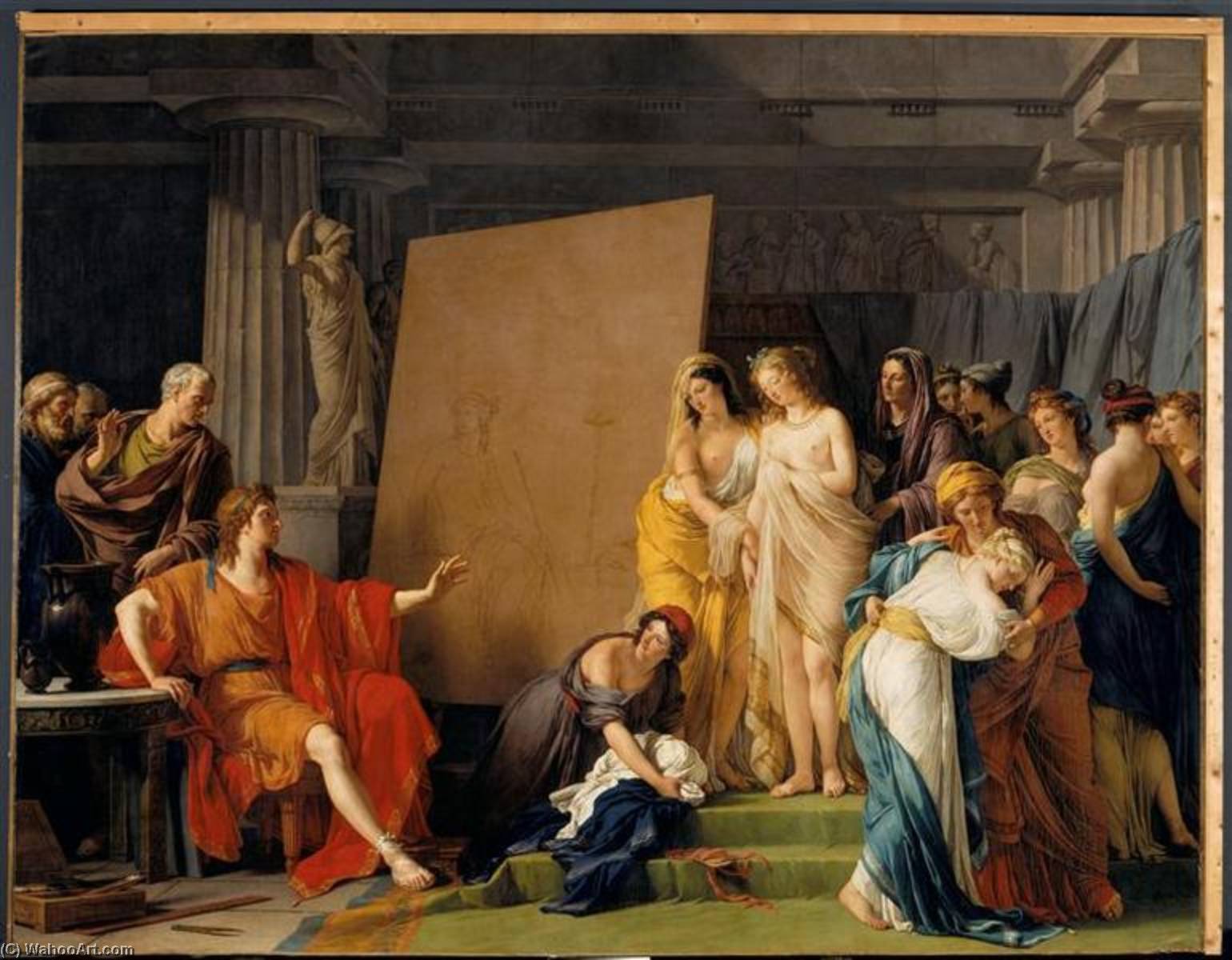
ZEUXIS CHOISISSANT POUR MODELES LES PLUS BELLES FILLES DE CROTONE


 詳細を見る
詳細を見る




P118B $10

P118H $10

P118W $10

P438Z $10

P508JH $12

P508YH $12

P805H $10

P805Z $10

P919BZ $10

P919G $10

P919XJ $10

P959ZH $10

P968JZ $12

W106C $8

W218G $10

W218JH $8

W218Y $10

W307PJ $10

W316G $10

W316PJ $8

W316Y $10

W398PJ $8

W4111J $10

W500HY $15

W500JH $15

W692G $12

W849H $8

W940BG $15

W953PJ $8




作品のオリジナル比率に合わせた、当店の規定サイズからお選びください。

特定のフレームやスペースに合わせて、ご希望のサイズをご入力いただけます。選択されたサイズが元の画像の比率と異なる場合、アートワークをトリミングするか、手描きで要素を追加して絵画を拡張いたします。デジタルモックアップ を制作し、制作開始前にご確認(承認)をいただきます。
画面上のプレビューは、実際のトリミングや拡張を正確に反映しているものではありません。最終的な構図は、モックアップによってのみ正確にご確認いただけます。
カスタムサイズもご利用いただけますが、元の比率を維持するためには、あらかじめ用意されたリストからサイズを選択することをお勧めいたします。
ご注文後、ArtsDot.com チームより詳細な指示をお送りするとともに、仕上がりイメージ(モックアップ)をご提供いたします。


 ガラスオプションは、110cm未満のサイズでのみご利用いただけます。

ZEUXIS CHOISISSANT POUR MODELES LES PLUS BELLES FILLES DE CROTONE
複製技法
複製画のサイズ
-


合計金額
$ 263
作品解説
A Moment of Ideal Beauty: Zeuxis’s Selection in Crotone
François-André Vincent's "Zeuxis Choosing the Most Beautiful Women from Croton as His Models," painted in 1789, is more than just a historical depiction; it’s a profound meditation on beauty, artistic judgment, and the elusive nature of perfection. The canvas captures a pivotal scene from Pliny the Elder’s writings, where the renowned Greek painter Zeuxis, seeking to immortalize Helen of Troy, gathers young women from the city of Crotone – a region steeped in myth and considered the birthplace of beauty itself – to serve as his models. Vincent masterfully transports this ancient narrative into the refined world of Neoclassicism, imbuing it with an emotional resonance that transcends its historical roots.
The composition is meticulously balanced, drawing the eye towards the central figure of Zeuxis, seated in a dignified pose within a richly appointed interior. His gesture – a subtle inclination of his head and a discerning gaze – speaks volumes about his critical eye and the weight of his artistic responsibility. Around him stand several young women, each radiating an individual charm and possessing qualities that might appeal to the artist’s exacting standards. The architectural setting, reminiscent of Roman villas with elegant columns and statues in the background, establishes a sense of timelessness and reinforces the painting's connection to classical ideals. Vincent skillfully employs light and shadow to sculpt the figures, highlighting their forms and creating an atmosphere of quiet contemplation.
Neoclassical Precision and Painterly Detail
Vincent’s artistic approach is firmly rooted in the Neoclassical style that dominated French art during the late 18th century. This movement sought inspiration from the art and philosophy of ancient Greece and Rome, emphasizing clarity, order, and restraint. The painting showcases Vincent's mastery of technique – a hallmark of his training under Joseph-Marie Vien at the École Royale des Élèves Protégés. He demonstrates an exceptional ability to render fabric with delicate folds and textures, capturing the subtle nuances of skin tones and drapery.
The brushwork is remarkably controlled, reflecting Vincent’s commitment to academic precision. Yet, beneath this surface smoothness lies a remarkable sensitivity to color and form. He utilizes a restrained palette dominated by earthy tones – ochres, browns, and muted blues – creating a sense of harmony and stability. The subtle variations in hue and value contribute to the painting's overall depth and realism, while also reinforcing its classical aesthetic.
Symbolism and the Pursuit of Ideal Beauty
Beyond its historical subject matter, "Zeuxis Choosing the Most Beautiful Women from Croton as His Models" is rich in symbolic meaning. The act of selection itself represents a quest for an unattainable ideal – a reflection of humanity’s enduring fascination with beauty and the difficulty of capturing it on canvas. The women themselves embody different aspects of feminine allure, suggesting that beauty is not a singular quality but rather a complex combination of traits.
Furthermore, the painting raises questions about the role of the artist as judge and arbiter of taste. Zeuxis’s decision – to choose only one woman as his model for Helen – highlights the subjective nature of artistic judgment and the inherent limitations of human perception. It's a poignant reminder that beauty is often in the eye of the beholder, and that even the most skilled artist can never fully capture its essence.
A Timeless Masterpiece: Reproduction and Artistic Legacy
Vincent’s “Zeuxis Choosing the Most Beautiful Women from Croton as His Models” remains a captivating work of art, offering viewers a glimpse into the world of classical antiquity and the enduring power of beauty. Reproductions of this masterpiece provide an opportunity to appreciate Vincent's artistic skill and his profound understanding of human nature. Whether displayed in a grand salon or a private residence, this painting continues to inspire admiration for its elegance, grace, and timeless appeal.
関連作品

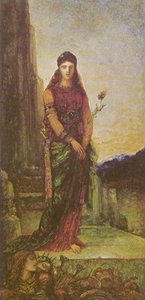
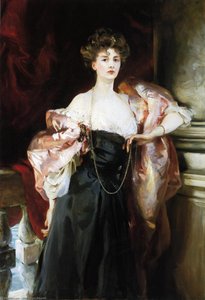
アーティストの略歴
フランソワ=アンドレ・ヴァンサンが描いた新古典主義のヴィジョン
18世紀後半、激動と活気に満ちたフランスの芸術界において、貴族的な優雅さから革命の厳粛さへと移り変わる時代のうねりを、フランソワ=アンドレ・ヴァンサンほど見事に捉えた芸術家は他にいませんでした。1746年、パリに生まれた彼は、名高い細密画家であった父フランソワ=エリー・ヴァンサンという芸術的才能を受け継ぐ血筋にありました。筆とキャンバスに捧げられる運命を背負って生を受けた彼の初期の修行は、高名なジョゼフ=マリー・ヴィアンの下で行われ、アカデミックな伝統における厳格な基礎を築きました。しかし、彼が最終的に美術史における確固たる地位を確立することとなったのは、ロココの洗練された優美さと、胎動しつつあった新古典主義の規律との間に、見事な架け橋を築き上げた天賦の才ゆえだったのです。
ヴァンサンの芸術的魂を決定づけたのは、ローマへの変革的な旅でした。圧倒的な存在感を放つ作品『ゲルマニクス、暴動を鎮める』によって権威あるローマ賞を受賞したことで、彼は古代の至宝へとかつてないほど深く触れる機会を得ました。歴史あるマンチーニ宮殿に身を置き、創作に励んだヴァンサンは、ラファエロの探求や古代の巨匠たちが持つ彫刻的な精密さに没頭していきました。この時期は単なる学術的な研鑽にとどまらず、彼にとって一種の精神的な目覚めでもありました。それによって、彼の構図には記念碑的な威厳と、彼の代名詞となる調和のとれた均衡が吹き込まれることになったのです。彼は古典的な過去から深いインスピレーションを得ながらも、常に周囲の生きた世界に鋭い意識を向け続け、歴史的な壮大さと現代生活の繊細なニュアンスを融合させる術を心得ていました。
肖像画と歴史叙事詩の巨匠
ヴァンサンの作品群の広がりは、物語の語り手としての彼の多才さを証明しています。彼は個人の内面的な心理的深みを捉えることにおいても、歴史的な紛争がもたらす圧倒的な混沌を描き出すことにおいても、等しく卓越した能力を持っていました。その肖像画においては、滑らかな筆致と繊細な階調の変化を通じて、人物の個性を伝える驚くべき技法が見て取れます。伝説的なジャン=オノレ・フラゴナールをはじめとする同時代の人物を描いた肖作には、当時の様式的な流動性と深く結びついた、ある種のダイナミズムと優雅さが宿っています。これらの作品は、革命前フランスの社会構造を覗き見る窓であり、その時代を象徴する人物たちの気品と存在感を今に伝えています。
しかし、ヴァンサンが真に新古典主義の語法を掌握していたのは、歴史画の領域においてでした。複雑な歴史的物語を視覚的に魅力的な場面へと翻訳する彼の能力は、彼を当時の最も壮大な芸術的対話へと導きました。その際立った例が、『ピラミッドの戦い』です。1798年のナポレオンの決定的な勝利を記念したこの見事な油彩画において、ヴァンサンは静的な構図から脱却し、あえて粗い筆致と土の色を感じさせる色調を用いることで、古代エジプトの建造物を背景とした戦場の埃、動き、そして張り詰めた空気感を呼び起こしています。歴史の叙事詩的なスケールと、肌に触れるような臨場感のある情緒を融合させるこの能力こそが、より厳格な作風を持っていた同時代の画家たちと彼を分かつ特徴なのです。
遺産と歴史的意義
キャリアを通じて、ヴァンサンはフランスの芸術階層の中で独自の地位を占めていました。ジャック=ルイ・ダヴィッドの洗練されたライバルと見なされることも多く、彼は教条主義に陥りすぎず、光と生命の微妙な相互作用により敏感に反応する、もう一つの様式的選択肢を提示しました。ダヴィッドがより峻厳で禁欲的な新古典主義へと突き進んだ一方で、ヴァンサンは先人から受け継いだ優雅さと流動性との繋がりを維持し、旧世界と新世界を繋ぐ架け橋となったのです。また、彼はエコール・デ・ボザール(美術アカデミー)の創設者の一人として、次世代のフランス人画家たちの教育的規範を形作る上でも、極めて重要な役割を果たしました。
フランソワ=アンドレ・ヴァンサンの不朽の遺産は、矛盾する要素を調和させる力にあります。すなわち、古代と現代、記念碑的なものと親密なもの、そして規律と表現力の融合です。彼の作品は、フランス美術が最も変革的な時代を迎えた時期を理解するための、極めて重要な指標であり続けています。緻密な技法と深い歴史的洞察を通じて、ヴァンサンは単に歴史を記録しただけではありません。彼は歴史に命を吹き込み、革命の嵐が過ぎ去った後も、新古典主義の精神が響き続けることを確かなものにしたのです。
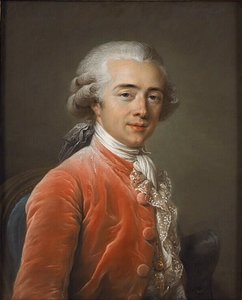
フランソワ=アンドレ・ヴァンサン
1746 - 1816 , フランス
基本情報
- Artistic Movement Or Style: 新古典主義
- Artists Or Movements Influenced By This Artist: ['ジャック=ルイ・ダヴィッド']
- Artists Who Influenced This Artist:
- ジョゼフ=マリー・ヴィアン
- ジャン=オノレ・フラゴナール
- ラファエロ
- Date Of Birth: 1746年12月30日
- Date Of Death: 1816年8月4日
- Full Name: フランソワ=アンドレ・ヴァンサン
- Nationality: フランス
- Notable Artworks:
- アンリ4世とシュリー、フォンテーヌブローにて
- ピエール・ルソーの肖像
- 耕作のレッスン
- Place Of Birth: フランス、パリ
関連記事

Helen Hyde: Narrative & Symbolism in Contemporary Botanical Illustration
Explore the captivating world of Helen Hyde (1868-1919), a pioneering American artist renowned for her exquisite Japanese woodblock prints and evocative botanical illustrations. Discover her legacy & symbolism.
Illuminating the Enlightenment: Artistic Expression in 18th-Century Europe
Explore the artistic brilliance of the Enlightenment era! Discover Rococo's elegance & Neoclassicism’s virtue with expert insights into 18th-century masterpieces. Learn about David, Kauffmann & more.
The Revival of Antiquity: Exploring the Ideals & Innovations of Neoclassical Art
Explore the revival of classical art with our deep dive into Neoclassicism! Discover key artists like Jacques-Louis David, Enlightenment influences & lasting impact on art history. Learn more now.

The Revival of Antiquity: Exploring the Neoclassical Movement & its Enduring Legacy
Explore the revival of classical art with our deep dive into Neoclassicism! Discover key artists like Jacques-Louis David, Enlightenment influences & lasting impact on art history. High-quality reproductions at ArtsDot.
The Enduring Legacy of Classicism: Principles, Evolution & Influence in Western Art
Explore the enduring legacy of Classicism in Western art! Discover its historical context, key principles, iconic masterpieces & lasting influence. Learn about Renaissance and Neoclassical movements with ArtsDot.

