

 プリントを購入
 シェアする
シェアする シェアする
シェアする
 詳細を見る
詳細を見る

 ダウンロード
 似ている作品
 スライドショー
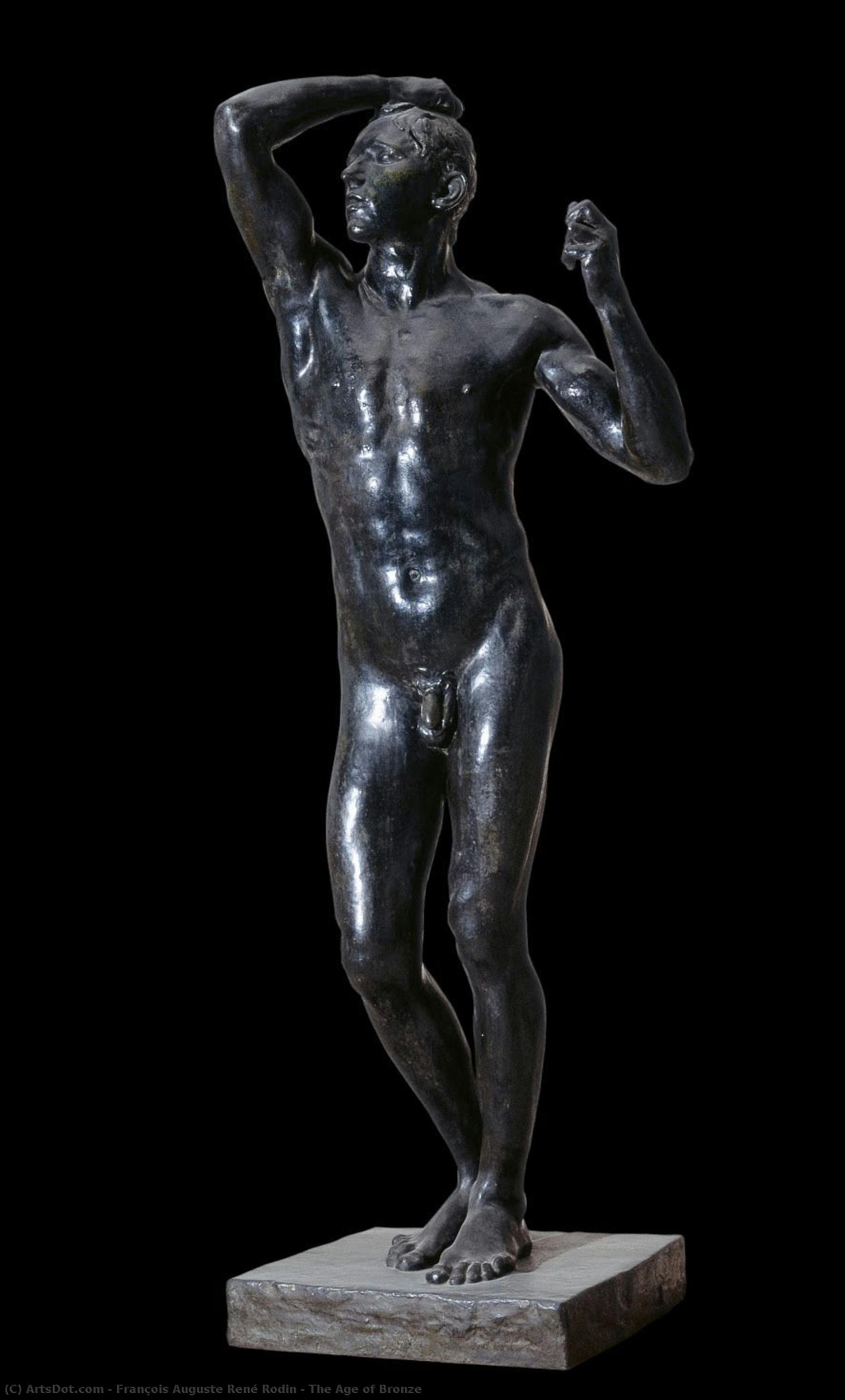
The Age of Bronze
 Bronze
- Sculpture
- Art Nouveau
 1876
1876 820.0 x 590.0 cm
 カタルーニャ国立美術館
 詳細を見る
詳細を見る




































作品のオリジナル比率に合わせた、当店の規定サイズからお選びください。

特定のフレームやスペースに合わせて、ご希望のサイズをご入力いただけます。選択されたサイズが元の画像の比率と異なる場合、アートワークをトリミングするか、手描きで要素を追加して絵画を拡張いたします。デジタルモックアップ を制作し、制作開始前にご確認(承認)をいただきます。
画面上のプレビューは、実際のトリミングや拡張を正確に反映しているものではありません。最終的な構図は、モックアップによってのみ正確にご確認いただけます。
カスタムサイズもご利用いただけますが、元の比率を維持するためには、あらかじめ用意されたリストからサイズを選択することをお勧めいたします。
ご注文後、ArtsDot.com チームより詳細な指示をお送りするとともに、仕上がりイメージ(モックアップ)をご提供いたします。


 ガラスオプションは、110cm未満のサイズでのみご利用いただけます。

The Age of Bronze
複製技法
複製画のサイズ
-


合計金額
$ 263
作品解説
The Awakening: Auguste Rodin’s *Age of Bronze*
Auguste Rodin's *Age of Bronze*, often referred to as *The Conquered Man*, isn’t merely a sculpture; it’s a visceral embodiment of nascent consciousness, a pivotal moment in the history of modern art. Completed in 1876 and unveiled amidst considerable controversy, this monumental bronze figure transcends simple representation, inviting viewers into a realm of psychological depth and emotional resonance. It stands as a testament to Rodin's revolutionary approach – abandoning traditional allegorical narratives for an intensely personal exploration of human experience.
The sculpture depicts a nude male form, caught in a dynamic state between slumber and awareness. He’s not a triumphant warrior or a fallen hero; instead, he appears to be emerging from a profound internal struggle. The figure is powerfully muscular, yet his posture suggests vulnerability and uncertainty. His head is tilted slightly downward, as if contemplating the world around him with newfound clarity. The absence of any identifying features – no armor, no weapon, no discernible expression beyond a subtle hint of surprise – forces the viewer to confront the raw essence of being.
A Scandalous Debut and Rodin’s Innovation
Its initial reception at the 1877 Brussels exhibition was far from celebratory. Critics, accustomed to classical depictions of heroism and virtue, were baffled by the sculpture's ambiguity. They attempted to impose conventional interpretations – suggesting it represented a defeated soldier, a suicide contemplating his fate, or even a symbol of impending doom. Rodin, however, refused to be constrained by these reductive readings. He deliberately removed any symbolic elements, stripping the figure bare and focusing solely on its anatomical form and emotional impact.
This bold decision marked a radical departure from the artistic conventions of the time. Rodin’s insistence on portraying the human body with unprecedented realism – capturing every ripple of muscle, every curve of skin – was revolutionary. He moved beyond idealized representations to explore the complexities of the human condition, revealing both strength and vulnerability within a single form.
Technique and Material: Bronze as Voice
The sculpture’s power resides not only in its subject matter but also in Rodin's masterful technique. Crafted from bronze – a material he deeply understood through his early apprenticeship as a stonemason – *Age of Bronze* showcases the artist’s exceptional skill in manipulating wax, plaster, and ultimately, molten metal. The surface is remarkably textured, reflecting light in subtle ways that accentuate the figure’s contours and create a sense of palpable physicality.
Rodin's choice of patina – a reddish-brown hue he termed “crushed grape” – further enhances the sculpture’s dramatic effect. This particular coloration lends a warm, almost melancholic quality to the bronze, intensifying its emotional impact. The casting process itself was meticulously overseen by Alexis Rudier, ensuring an unparalleled level of detail and refinement.
Symbolism and Emotional Resonance
While Rodin resisted assigning definitive interpretations, *Age of Bronze* is rich in symbolic potential. It can be seen as a representation of the awakening of consciousness – a moment of self-awareness that disrupts established patterns of thought and behavior. The figure’s posture suggests a struggle between inertia and action, between resignation and hope. It embodies the inherent tension within human existence: the constant negotiation between our past experiences and our future aspirations.
Ultimately, *Age of Bronze* is an invitation to contemplate the mysteries of the human psyche. It’s a sculpture that lingers in the mind long after it has been viewed, prompting viewers to reflect on their own journeys of self-discovery and the enduring power of the human spirit. Its timeless appeal lies in its ability to evoke profound emotions – a sense of vulnerability, resilience, and the quiet beauty of awakening.
関連作品
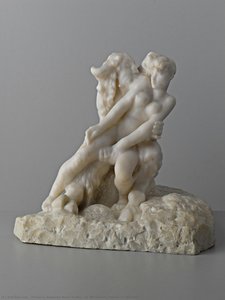
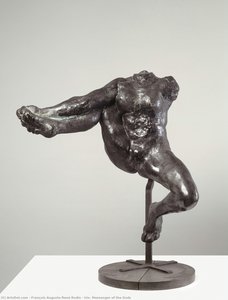
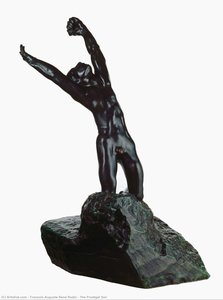
アーティストの略歴
生い立ちと芸術への目覚め
フランソワ・オーギュスト・ルネ・ロダンは、1840年11月12日、フランスのパリに質素な家庭に生まれました。幼少の頃から絵を描くことに興味を示しましたが、その才能がすぐに開花したわけではありませんでした。名門エコール・デ・ボザールへの入学を試みましたが、3回も不合格となる苦難の時期を経て、装飾石工としての実地訓練を通して芸術の基礎を築き始めました。この初期の経験は、彼の技術的なスキルを磨き、素材と形式に対する深い理解を育む上で非常に貴重なものとなりました。学術的なホールではなく、石や粘土という具体的な現実の中で、将来の革新の種がまかれたのです。妹マリーの死という深い個人的な喪失もまた、彼に大きな影響を与え、一時的に宗教生活への傾倒を促しましたが、最終的には芸術に専念することを決意しました。この感情的な深さは、彼の作品の特徴となり、それまででは珍しかった生々しい人間性を表現する原動力となりました。伝統からの脱却:石における新しい言語
ロダンの芸術的旅は、当時の主流であったアカデミックな基準からの意識的な逸脱によって特徴づけられます。古典的な技法を習得しながらも、彼は理想化された形態や物語の硬直性を拒否しました。代わりに、一瞬の変化する人間の感情、思考の重み、内面の複雑さを捉えようと試みました。初期の作品『青銅時代』(1877年)は、その写実性と神話的または寓意的な主題の欠如から論争を巻き起こしました。批評家たちは彼の彫刻が自然主義的すぎると感じ、彫刻に期待される洗練された完璧さを欠いていると批判しました。しかしロダンは、揺るぎない芸術的信念に突き動かされ、粘土や石の表面を粗く表現し、ダイナミックな構成を探求することで、運動感と心理的な強度を表現しました。この革新的なアプローチは、従来の美の概念に挑戦し、彫刻表現の新時代を開拓しました。象徴的な形態:思考者、接吻、そしてそれ以降
ロダンの遺産は、『思考者』(1880-1882年)や『接吻』(1886-1898年)、『カレーの市民』(1884-1895年)など、世界中の観客に共鳴し続ける一連の象徴的な彫刻によって確固たるものとなりました。元々『地獄の門』の一部として構想された『思考者』は、哲学的な熟考の象徴となり、その力強い形態は人間の思考と実存的な問いかけの重みを体現しています。情熱的な愛を祝う『接吻』は、官能的な美しさと感情的な親密さで知られています。『カレーの市民』は、百年戦争中に6人の市民が示した勇気と犠牲に捧げられた記念碑であり、ロダンの彫刻的形態を通して深い人間ドラマを描き出しています。これらの作品は単なる肉体の表現ではなく、心理的な深みと感情的な共鳴を込めた人間の条件を探求したものでした。彼は不完全さや苦痛を描くことをためらわず、それらの質が人間の経験に不可欠であることを認識していました。彼の彫刻にはしばしば未完成の表面が見られ、それは創造的プロセスそのものへの証として意図的に残されていました。永続的な影響:ロダンの芸術史における位置づけ
20世紀初頭までに、ロダンは国際的な名声を得て、おそらく彼の時代の最も有名な彫刻家となりました。彼の作品は、伝統的な制約から解放され、新しい表現方法を探求することを促すことで、次世代のアーティストに大きな影響を与えました。彼は19世紀の写実主義から近代彫刻への移行における重要な人物と広く考えられています。感情的な強度、心理的な深み、革新的な形態の使用を重視した彼の姿勢は、表現主義やキュビズムなどの運動の基礎を築きました。今日、ロダンの彫刻は世界中の美術館やコレクションで見ることができ、特にパリにあるロダン美術館では、彼の生涯にわたる作品が展示されています。彼の影響は彫刻にとどまらず、絵画、文学、映画にも及んでいます。さらなる探求:美術館と主要な作品
- ロダン美術館(パリ): ロダンの芸術的ビジョン全体を体験するには必見の目的地です。
- ナショナル・ギャラリー・オブ・アート(ワシントンD.C.): ロダンの創作プロセスに関する洞察を提供する、彼の作品の大規模なコレクションを所蔵しています。
- スタンフォード大学キャンター芸術センター: アルベール=エルネスト・キャリエ=ベルリューズの胸像など、注目すべき作品が展示されています。
- 探求する主要な彫刻:
- *思考者* – 熟考と知性の普遍的な象徴。
- *接吻* – 愛と情熱を代表する象徴的な表現。
- *カレーの市民* – 犠牲と勇気を示す力強い描写。
- *洗礼者ヨハネ* - ロダンの形態を通して激しい感情を伝える能力を示しています。
- ジャン・ド・フィエヌスの小さな頭部(手を持つ)- 細部に精通した彼の才能を示す親密な肖像画の研究。
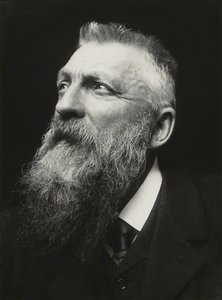
オーギュスト・ロダン
1840 - 1917 , 日本
基本情報
- Artistic Movement Or Style: 近代彫刻
- Artists Or Movements Influenced By This Artist: 現代彫刻
- Date Of Birth: 1840年11月12日
- Date Of Death: 1917年11月17日
- Full Name: フランソワ・オーギュスト・ルノルドラン
- Nationality: フランス人
- Notable Artworks (List Of Titles):
- 考える人
- 接吻
- カレーの市民
- Place Of Birth (City And Country): フランス、パリ
関連記事

Bronze Age to Modern Masters: 10 Sculptures That Redefined Art | ArtsDot
Journey through art history with 10 legendary bronze sculptures – from Michelangelo's David to Rodin’s Thinker. Explore the stories, techniques & timeless beauty of these masterpieces. Find museum-quality reproductions & elevate your home decor on ArtsDot.com.

Bronze Sculptures That Defined Art History | ArtsDot
Journey through art history with our Top 10 bronze sculptures! Explore masterpieces by Rodin, Michelangelo & more. Discover stories behind iconic statues and find museum-quality reproductions for your home decor at ArtsDot.com.

The Enduring Legacy of Bronze: A Historical & Artistic Exploration for the Collector
Explore the rich history & enduring appeal of bronze sculpture with expert insights for collectors at ArtsDot. Learn about casting techniques, iconic artists, collecting tips & contemporary interpretations.
The Enduring Legacy of Bronze: History, Technique & Artistic Expression for the Collector
Explore the rich history & enduring appeal of bronze sculpture with expert insights for collectors at ArtsDot. Learn about casting techniques, iconic artists, and collecting tips.

The Enduring Legacy of Bronze Sculpture: A Collector's Guide to Form & Cultural Significance
Explore the rich history & enduring appeal of bronze sculpture with expert insights for collectors at ArtsDot. Learn about casting techniques, iconic artists, and collecting tips to build a discerning art collection.

