

 プリントを購入
 シェアする
シェアする シェアする
シェアする
 詳細を見る
詳細を見る

 ダウンロード
 似ている作品
 スライドショー
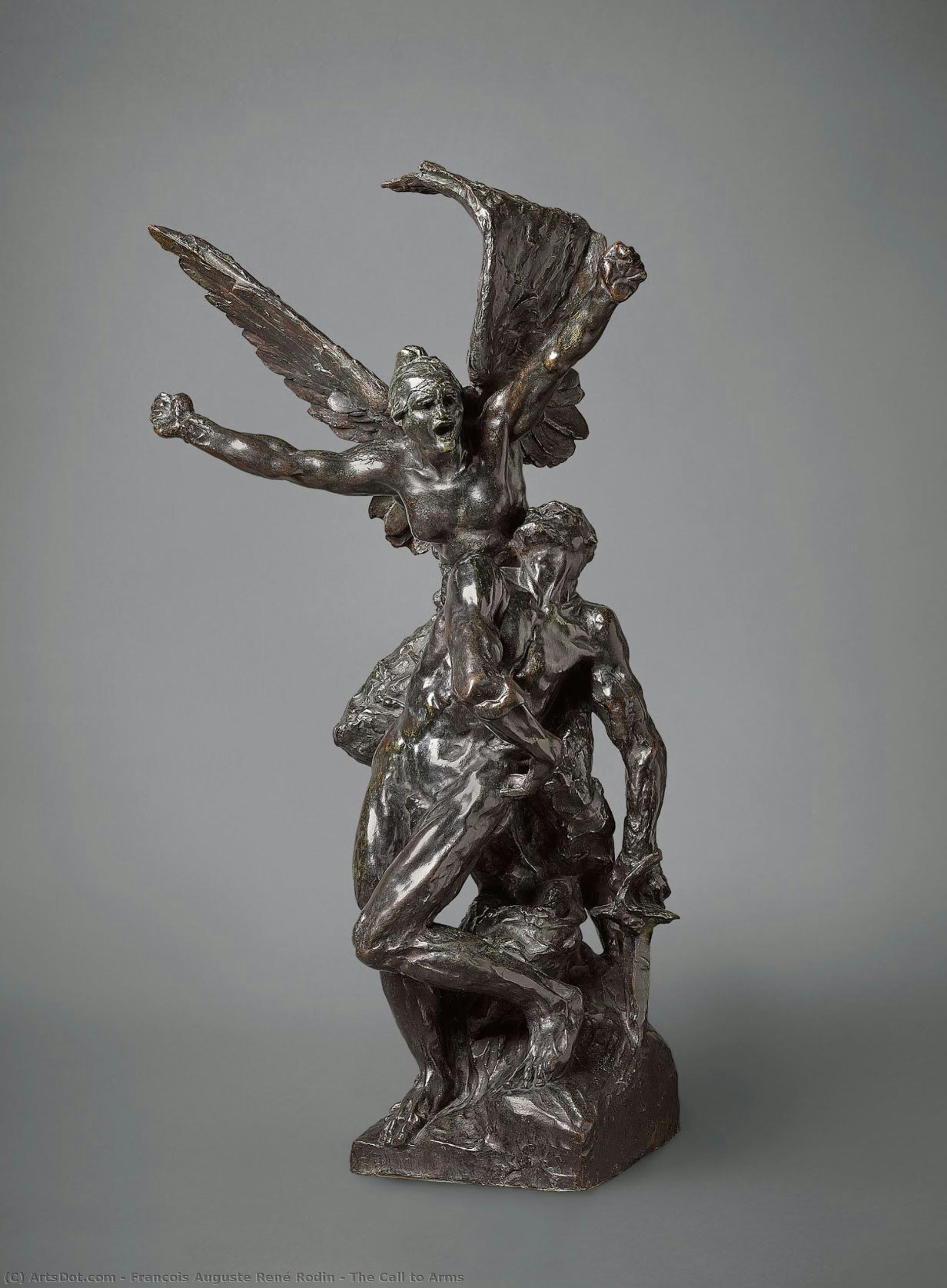
The Call to Arms
 Bronze
- Sculpture
- Baroque Sculpture
 1879
1879 113.0 x 57.0 cm
 レギオン・オブ・オナー美術館
 詳細を見る
詳細を見る
オンラインプレビューをはるかに凌ぐ、高解像度で鮮明なデジタル画像をご購入いただけます。
各ファイルは、社内の専門家が高度なツールと熟練した手作業によるレタッチを用いて、細心の注意を払って準備されています。すべての画像において、卓越した鮮明度、正確な色彩再現性、そして繊細なディテールを保証いたします。
最終ファイルは、プロフェッショナルな編集・印刷環境ですぐにご利用いただけるよう最適化された状態で、72時間以内にメールにてお届けいたします。これは、一流のデザインスタジオ、出版社、ギャラリーから信頼されているものと同等の品質です。
デジタル画像のご注文に付随する特典
高品質なデジタル画像配信を、確かな品質で。
ArtsDot.com を選ぶことは、単に画像を手に入れることではありません。それは、プロの手によって精密に仕上げられ、満足保証が付いた高品質なデジタルアートワークを受け取ることを意味します。ご注文いただいた際に自動的に付随する内容は、以下の通りです:

メールですぐにお届け
ご注文から72時間以内に、高解像度のデジタル画像ファイルがメールでお手元に届きます。すぐにそのままご利用いただけます。

AI技術で最適化されたデジタルファイル
お客様の作品は、高度なAIツールと専門家による手作業の編集を組み合わせてプロフェッショナルに最適化されており、細部のディテール、鮮明さ、そして正確な色再現性を最大限に引き出しています。

一生涯無料の再送サービス
ファイルを誤って削除したり、紛失してしまったりしましたか?ご安心ください。いつでも無料で再送いたします。

輸入手数料は一切かかりません
関税や手数料、配送料を気にすることなく、お気に入りのアートワークをすぐにお楽しみいただけます。デジタルダウンロードは常に免税です。

色彩再現の保証
プロ仕様のツールとカラーマネジメント技術を用いることで、デジタル画像が元の色を最大限に忠実に再現することを保証いたします。

60日間満足保証
ご購入いただいたデジタル画像にご満足いただけない場合は、60日以内であれば、修正または100%の返金(理由を問う必要はありません)をさせていただきます。

100% 返金保証
ご満足いただけない場合は、デジタルファイルを受け取ってから60日以内であれば、理由を問わず全額返金いたします。

まとめ買い割引
3枚購入で10%OFF - 5枚購入で15%OFF - 10枚以上購入で20%OFF。クリエイティブなプロジェクト、ギャラリー、エージェンシーに最適です。
作品の詳細
The Weight of Wings: Rodin’s *The Call to Arms* – A Testament to Conflict and Hope
François Auguste René Rodin's *The Call to Arms*, often referred to as *La Défense*, is not merely a sculpture; it’s a visceral embodiment of the anxieties and aspirations born from wartime. Completed in 1879, this monumental bronze captures a pivotal moment – the desperate plea for recruits during the Franco-Prussian War – yet transcends its immediate historical context to resonate with universal themes of sacrifice, duty, and the enduring spirit of humanity. The sculpture’s power lies not just in its dramatic composition but also in Rodin's revolutionary approach to depicting human emotion: a raw, unvarnished portrayal that eschewed the idealized forms favored by his contemporaries.
Rodin’s genius is immediately apparent in the dynamic arrangement of figures. The central figure, a wounded soldier collapsing onto the ground, embodies profound anguish and vulnerability. His body, rendered with an astonishingly realistic musculature – a departure from the smooth, polished surfaces typical of academic sculpture – reveals the brutal toll of battle. Beside him, a winged angel, not one of serene beauty but radiating fierce determination, extends a sword towards the fallen warrior, urging him onward. This isn’t a comforting, paternalistic gesture; it's an urgent command, laced with both sorrow and unwavering resolve. The second angel, positioned on the right, mirrors this intensity, further amplifying the sculpture’s dramatic tension.
A Revolutionary Technique: Sculpting Emotion in Bronze
Rodin’s technique was radically innovative for his time. He abandoned the meticulous polishing favored by traditional sculptors and instead embraced a deliberately rough surface – a deliberate choice that allowed him to capture the texture of skin, muscle, and fabric with unprecedented detail. This “impasto” effect, achieved through repeated applications of wax and bronze, creates a sense of palpable weight and immediacy. The sculpture practically vibrates with energy; you can almost feel the heat of the forge and the desperation of the moment. Rodin’s use of negative space is equally masterful, allowing light to play across the surface and further emphasizing the figures' forms and emotions.
The bronze itself was cast using a process that allowed for subtle variations in color and texture – a testament to Rodin’s meticulous attention to detail. The darker areas, particularly around the wounded soldier’s face and limbs, are richer in metallic hues, while the lighter sections reflect light with a softer glow. This nuanced treatment adds depth and complexity to the sculpture, inviting viewers to linger and contemplate its every nuance.
Symbolism of Sacrifice and Duty
*The Call to Arms* is rich in symbolic meaning. The fallen soldier represents not just individual loss but also the immense cost of war – a sacrifice made for the defense of one’s nation. The angel, often interpreted as an allegorical figure representing France itself, embodies the unwavering spirit of patriotism and duty. However, Rodin deliberately avoids simplistic interpretations. The angel's expression is not triumphant or celebratory; it’s marked by profound sadness, acknowledging the tragic reality of war. The sword held aloft isn’t a symbol of victory but rather a reminder of the ongoing struggle.
Interestingly, *The Call to Arms* was initially rejected for the competition to design a monument commemorating the Siege of Paris in 1870-71. Rodin's raw and emotionally charged depiction clashed with the more conventional, heroic style favored by the judges. Despite this initial setback, Rodin persevered, eventually securing a commission to create a monumental version of the sculpture for Verdun in 1916 – a testament to his artistic vision and unwavering belief in his own work. The eventual placement in Verdun underscored its powerful message of resilience and sacrifice amidst the horrors of World War I.
A Timeless Masterpiece: Reproduction and Display
Reproductions of *The Call to Arms* offer a remarkable opportunity to bring this iconic sculpture into private collections and public spaces. High-quality reproductions, meticulously crafted using advanced printing techniques, faithfully capture the sculpture’s texture, color, and emotional intensity. When displayed thoughtfully – perhaps alongside historical documents or within a setting that evokes the spirit of wartime – *The Call to Arms* serves as a poignant reminder of humanity's capacity for both destruction and resilience. Its enduring power continues to resonate with viewers today, prompting reflection on the complexities of conflict, sacrifice, and the eternal struggle for peace.
関連作品
作家の略歴
生い立ちと芸術への目覚め
フランソワ・オーギュスト・ルネ・ロダンは、1840年11月12日、フランスのパリに質素な家庭に生まれました。幼少の頃から絵を描くことに興味を示しましたが、その才能がすぐに開花したわけではありませんでした。名門エコール・デ・ボザールへの入学を試みましたが、3回も不合格となる苦難の時期を経て、装飾石工としての実地訓練を通して芸術の基礎を築き始めました。この初期の経験は、彼の技術的なスキルを磨き、素材と形式に対する深い理解を育む上で非常に貴重なものとなりました。学術的なホールではなく、石や粘土という具体的な現実の中で、将来の革新の種がまかれたのです。妹マリーの死という深い個人的な喪失もまた、彼に大きな影響を与え、一時的に宗教生活への傾倒を促しましたが、最終的には芸術に専念することを決意しました。この感情的な深さは、彼の作品の特徴となり、それまででは珍しかった生々しい人間性を表現する原動力となりました。伝統からの脱却:石における新しい言語
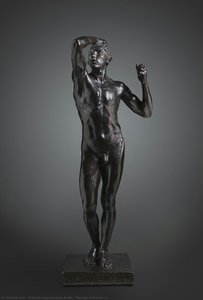
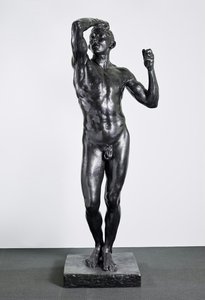
ロダンの芸術的旅は、当時の主流であったアカデミックな基準からの意識的な逸脱によって特徴づけられます。古典的な技法を習得しながらも、彼は理想化された形態や物語の硬直性を拒否しました。代わりに、一瞬の変化する人間の感情、思考の重み、内面の複雑さを捉えようと試みました。初期の作品『青銅時代』(1877年)は、その写実性と神話的または寓意的な主題の欠如から論争を巻き起こしました。批評家たちは彼の彫刻が自然主義的すぎると感じ、彫刻に期待される洗練された完璧さを欠いていると批判しました。しかしロダンは、揺るぎない芸術的信念に突き動かされ、粘土や石の表面を粗く表現し、ダイナミックな構成を探求することで、運動感と心理的な強度を表現しました。この革新的なアプローチは、従来の美の概念に挑戦し、彫刻表現の新時代を開拓しました。象徴的な形態:思考者、接吻、そしてそれ以降
ロダンの遺産は、『思考者』(1880-1882年)や『接吻』(1886-1898年)、『カレーの市民』(1884-1895年)など、世界中の観客に共鳴し続ける一連の象徴的な彫刻によって確固たるものとなりました。元々『地獄の門』の一部として構想された『思考者』は、哲学的な熟考の象徴となり、その力強い形態は人間の思考と実存的な問いかけの重みを体現しています。情熱的な愛を祝う『接吻』は、官能的な美しさと感情的な親密さで知られています。『カレーの市民』は、百年戦争中に6人の市民が示した勇気と犠牲に捧げられた記念碑であり、ロダンの彫刻的形態を通して深い人間ドラマを描き出しています。これらの作品は単なる肉体の表現ではなく、心理的な深みと感情的な共鳴を込めた人間の条件を探求したものでした。彼は不完全さや苦痛を描くことをためらわず、それらの質が人間の経験に不可欠であることを認識していました。彼の彫刻にはしばしば未完成の表面が見られ、それは創造的プロセスそのものへの証として意図的に残されていました。永続的な影響:ロダンの芸術史における位置づけ
20世紀初頭までに、ロダンは国際的な名声を得て、おそらく彼の時代の最も有名な彫刻家となりました。彼の作品は、伝統的な制約から解放され、新しい表現方法を探求することを促すことで、次世代のアーティストに大きな影響を与えました。彼は19世紀の写実主義から近代彫刻への移行における重要な人物と広く考えられています。感情的な強度、心理的な深み、革新的な形態の使用を重視した彼の姿勢は、表現主義やキュビズムなどの運動の基礎を築きました。今日、ロダンの彫刻は世界中の美術館やコレクションで見ることができ、特にパリにあるロダン美術館では、彼の生涯にわたる作品が展示されています。彼の影響は彫刻にとどまらず、絵画、文学、映画にも及んでいます。さらなる探求:美術館と主要な作品
- ロダン美術館(パリ): ロダンの芸術的ビジョン全体を体験するには必見の目的地です。
- ナショナル・ギャラリー・オブ・アート(ワシントンD.C.): ロダンの創作プロセスに関する洞察を提供する、彼の作品の大規模なコレクションを所蔵しています。
- スタンフォード大学キャンター芸術センター: アルベール=エルネスト・キャリエ=ベルリューズの胸像など、注目すべき作品が展示されています。
- 探求する主要な彫刻:
- *思考者* – 熟考と知性の普遍的な象徴。
- *接吻* – 愛と情熱を代表する象徴的な表現。
- *カレーの市民* – 犠牲と勇気を示す力強い描写。
- *洗礼者ヨハネ* - ロダンの形態を通して激しい感情を伝える能力を示しています。
- ジャン・ド・フィエヌスの小さな頭部(手を持つ)- 細部に精通した彼の才能を示す親密な肖像画の研究。
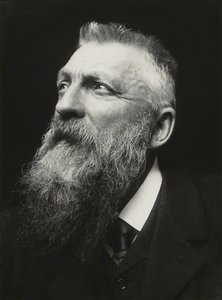
オーギュスト・ロダン
1840 - 1917 , 日本
プロフィール概要
- Artistic Movement Or Style: 近代彫刻
- Artists Or Movements Influenced By This Artist: 現代彫刻
- Date Of Birth: 1840年11月12日
- Date Of Death: 1917年11月17日
- Full Name: フランソワ・オーギュスト・ルノルドラン
- Nationality: フランス人
- Notable Artworks (List Of Titles):
- 考える人
- 接吻
- カレーの市民
- Place Of Birth (City And Country): フランス、パリ

