

 プレビュー
プレビュー
 プリントを購入
 シェアする
シェアする シェアする
シェアする
 詳細を見る
詳細を見る

 ダウンロード
 似ている作品
 X線調査
X線調査 スライドショー
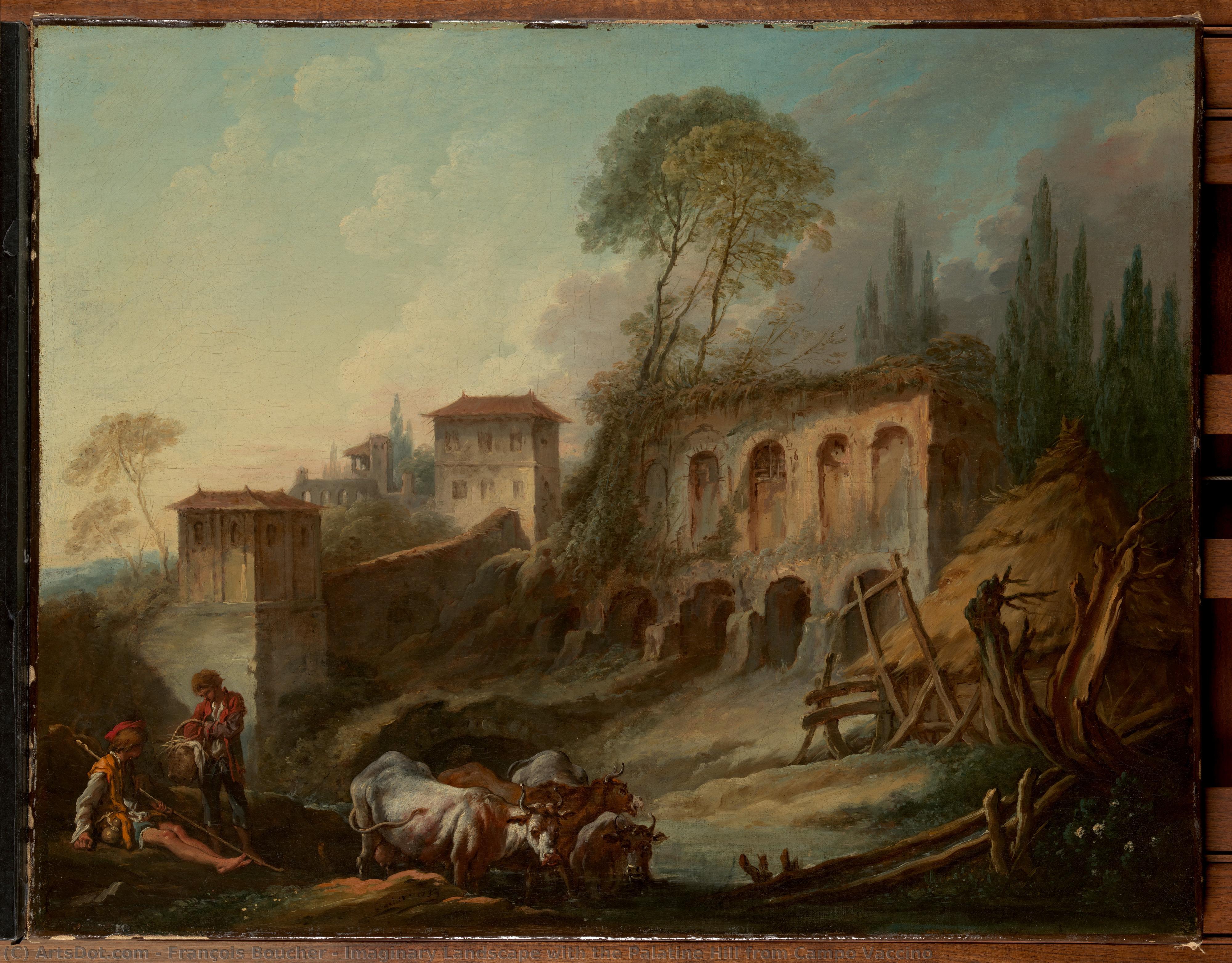
Imaginary Landscape with the Palatine Hill from Campo Vaccino
 Oil On Canvas
- WallArt
- Rococo
 1730
1730 64.0 x 81.0 cm
 メトロポリタン美術館
 詳細を見る
詳細を見る
オンラインプレビューをはるかに凌ぐ、高解像度で鮮明なデジタル画像をご購入いただけます。
各ファイルは、社内の専門家が高度なツールと熟練した手作業によるレタッチを用いて、細心の注意を払って準備されています。すべての画像において、卓越した鮮明度、正確な色彩再現性、そして繊細なディテールを保証いたします。
最終ファイルは、プロフェッショナルな編集・印刷環境ですぐにご利用いただけるよう最適化された状態で、72時間以内にメールにてお届けいたします。これは、一流のデザインスタジオ、出版社、ギャラリーから信頼されているものと同等の品質です。
デジタル画像のご注文に付随する特典
高品質なデジタル画像配信を、確かな品質で。
ArtsDot.com を選ぶことは、単に画像を手に入れることではありません。それは、プロの手によって精密に仕上げられ、満足保証が付いた高品質なデジタルアートワークを受け取ることを意味します。ご注文いただいた際に自動的に付随する内容は、以下の通りです:

メールですぐにお届け
ご注文から72時間以内に、高解像度のデジタル画像ファイルがメールでお手元に届きます。すぐにそのままご利用いただけます。

AI技術で最適化されたデジタルファイル
お客様の作品は、高度なAIツールと専門家による手作業の編集を組み合わせてプロフェッショナルに最適化されており、細部のディテール、鮮明さ、そして正確な色再現性を最大限に引き出しています。

一生涯無料の再送サービス
ファイルを誤って削除したり、紛失してしまったりしましたか?ご安心ください。いつでも無料で再送いたします。

輸入手数料は一切かかりません
関税や手数料、配送料を気にすることなく、お気に入りのアートワークをすぐにお楽しみいただけます。デジタルダウンロードは常に免税です。

色彩再現の保証
プロ仕様のツールとカラーマネジメント技術を用いることで、デジタル画像が元の色を最大限に忠実に再現することを保証いたします。

60日間満足保証
ご購入いただいたデジタル画像にご満足いただけない場合は、60日以内であれば、修正または100%の返金(理由を問う必要はありません)をさせていただきます。

100% 返金保証
ご満足いただけない場合は、デジタルファイルを受け取ってから60日以内であれば、理由を問わず全額返金いたします。

まとめ買い割引
3枚購入で10%OFF - 5枚購入で15%OFF - 10枚以上購入で20%OFF。クリエイティブなプロジェクト、ギャラリー、エージェンシーに最適です。
作品の詳細
Imaginary Landscape with the Palatine Hill from Campo Vaccino: A Rococo Dreamscape
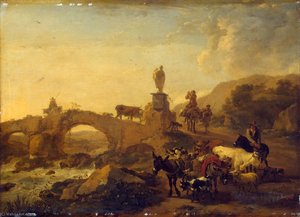
François Boucher’s Imaginary Landscape with the Palatine Hill from Campo Vaccino, painted in 1730 and now residing within The Metropolitan Museum of Art's collection, is more than just a picturesque view; it’s a meticulously crafted illusion—a quintessential example of the Rococo capriccio. This oil on canvas invites us into a world where reality bends to the whims of artistic fancy, drawing inspiration from the pastoral landscapes surrounding Rome and skillfully blending classical motifs with a distinctly French sensibility. The painting immediately establishes an atmosphere of serene beauty, yet beneath its surface lies a complex interplay of observation, invention, and subtle references to art history.
Boucher’s return to Paris following his formative years in Italy marked a pivotal moment in his career. He embraced the tradition of the capriccio—a genre pioneered by artists like Benedetto Castiglione—which allowed for the creation of fantastical scenes rooted in real locations, but embellished with imaginative elements and a focus on atmosphere rather than strict topographical accuracy. The title itself, derived from Campo Vaccino – a pastureland near Rome where cows grazed – hints at the painting’s grounding in a tangible place, even as it ventures into the realm of pure invention. The choice of this location was deliberate; it provided Boucher with a rich source of visual material—the crumbling ruins of ancient palaces and gardens—that he could then manipulate to create his idealized vision.
A Symphony of Detail: Composition and Technique
The composition is remarkably dynamic, guiding the viewer’s eye through a carefully orchestrated arrangement of figures and elements. A solitary man stands thoughtfully beside a cow, anchoring the foreground while simultaneously drawing our attention towards the monumental presence of the Palatine Hill in the distance. Scattered throughout the scene are several other individuals – a woman carrying water, a group engaged in conversation – each contributing to the sense of life and activity within this imagined space. Notably, Boucher doesn’t simply depict these figures; he borrows them directly from drawings by Abraham Bloemaert, a teacher who had influenced him during his time in Rome. This practice speaks to the interconnectedness of artistic circles and the constant exchange of ideas within the art world of the 18th century.
The inclusion of two boats – one nestled near the center-right and another on the right edge – adds a touch of maritime romance, further enhancing the painting’s idyllic quality. A horse grazes peacefully to the left, completing the tableau with a sense of harmonious balance. Boucher's masterful use of color is equally compelling; he employs a delicate palette of muted blues, greens, and browns, creating a soft, hazy atmosphere that evokes a feeling of warmth and tranquility. The subtle gradations of light and shadow contribute significantly to the painting’s overall depth and realism, despite its fantastical subject matter.
Symbolism and Historical Context
Beyond its aesthetic beauty, Imaginary Landscape with the Palatine Hill from Campo Vaccino is rich in symbolic meaning. The depiction of Caligula's and Tiberius’ palaces on the Palatine Hill alludes to Rome’s imperial past—a reminder of both grandeur and decay. The ruined gardens of the Farnese family, a prominent Roman noble family, further emphasize this theme of transience and the passage of time. Boucher subtly incorporates elements of classical mythology and allegory, inviting viewers to contemplate the relationship between nature, art, and human experience.
Painted during a period of immense artistic innovation and social change, this work reflects the broader trends of the Rococo era—a style characterized by its elegance, sensuality, and playful spirit. It’s a testament to Boucher's skill as a colorist and his ability to create idyllic scenes that were immensely popular during this time. The painting’s influence can be seen in countless subsequent works of art, cementing Boucher’s place as one of the most important figures in French art history.
Bringing the Dreamscape Home: Reproduction Possibilities
ArtsDot offers meticulously crafted hand-painted reproductions of Imaginary Landscape with the Palatine Hill from Campo Vaccino, allowing you to bring this captivating Rococo masterpiece into your own space. Our skilled artists faithfully recreate Boucher’s delicate brushwork and nuanced color palette, ensuring that every detail is rendered with exceptional accuracy. Whether you choose a canvas reproduction for a grand salon or a fine art print for a smaller room, our reproductions provide an authentic and beautiful representation of this iconic work of art. Explore the possibilities and elevate your décor with a piece that embodies the timeless elegance and artistic brilliance of François Boucher.
関連作品
作家の略歴
フランソワ・ブーシェ:ロココの華麗な生涯
18世紀フランス美術を代表する画家、フランソワ・ブーシェ(1703-1770年)は、優雅さ、官能性、そして遊び心に満ちた様式であるロココ時代の最も重要な芸術家の一人として知られています。彼の作品は、当時の貴族社会の洗練された美意識と享楽的な世界観を鮮やかに映し出しています。
幼少期と修業時代
1703年9月29日、パリに生まれたブーシェの芸術への道は、画家であった父ジャン・ブーシェのもとでの教育から始まりました。17歳にして、才能を認められた彼は、フランソワ・ルモワーヌに師事し、短いながらも貴重な経験を積みます。その後、彫刻家ジャン=フランソワ・カルスに版画の技術を学び、1720年には名誉あるグラン・プリ・ド・ローマを受賞します。この受賞は、彼の芸術家としての将来を決定づける重要な転機となりました。
ロココ様式への発展と台頭
グラン・プリ・ド・ローマの受賞後、ブーシェがイタリアで過ごした時間は、彼の芸術的感性を大きく育みました。フランスに帰国すると、1731年にアカデミー・ロワイヤル・ド・ペイントゥール・エ・スカルプチュールに入会を果たします。そして、その才能を証明するmorceau de réception(呈作品)として制作された“リナルドとアルミダ”(1734年)は、たちまちロココ様式の巨匠としての地位を確立しました。この時期から、繊細な筆致、パステル調の色彩、そして神話や田園風景といった主題への傾倒が、ブーシェ独自の芸術的特徴として明確になっていきます。
主要作品とテーマ
ブーシェの作品は多岐にわたり、神話画、肖像画、風俗画、装飾美術など、幅広い分野を網羅しています。彼の代表作としては、以下のようなものが挙げられます:
- “朝食”(1739年):妻と子供たちを描いた、家庭生活の愛らしい情景。
- “ヴィーナスの凱旋”(1740-1751年):神話物語を巧みに表現した一連の作品群。
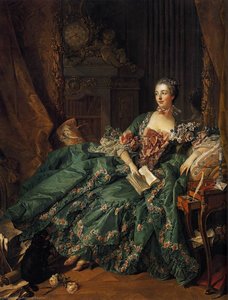
- マダム・ド・ポンパドゥール夫人の数多くの肖像画:ルイ15世の愛妾であり、当時の影響力のある女性であったマダム・ド・ポンパドゥールの肖像画は、ブーシェが宮廷画家としての地位を確固たるものにしたことを示しています。
- “夕暮れ”(風景画):叙情的で牧歌的な自然観を描いた作品。
ブーシェの作品に共通するテーマとしては、愛、美、余暇、そして理想化された神話の世界が挙げられます。彼の絵画はしばしば、優雅なエロティシズムと洗練された気品を漂わせています。
影響と遺産
ブーシェの影響力は、絵画にとどまりません。彼は劇場用の衣装や舞台装置のデザインを手がけ、ボーヴェのタペストリー工房のために織物デザインも制作しました。さらに、ゴベラン製作所とも協力し、装飾芸術にも貢献しています。1765年にPremier Peintre du Roi(王室首席画家)に任命されたことは、彼がフランス・ロココ美術の第一人者であることを決定的に示しました。
後世の批評家から、ロココ美術の表面的さや軽薄さが批判されることもありましたが、ブーシェの影響は否定できません。彼はジャン=オノレ・フラゴナールなどの芸術家に影響を与え、また、彼の弟子たちを通して新古典主義の発展にも貢献しました。
歴史的意義
フランソワ・ブーシェの作品は、18世紀フランス社会の嗜好と価値観を理解するための貴重な手がかりを提供します。彼の絵画は、当時の貴族文化を反映しており、贅沢さ、洗練された美意識、そして快楽の追求といった特徴を持っています。彼は、その卓越した技術力、芸術的革新性、そしてロココ様式への永続的な貢献によって、美術史において重要な位置を占めています。
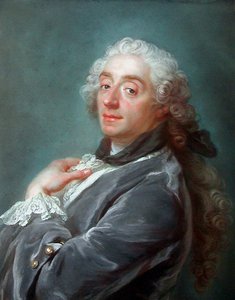
フランソワ・ブーシェ
1703 - 1770 , フランス
プロフィール概要
- 主な作品:
- リナルドとアルミダ
- 朝食
- ポンパドゥール夫人像
- 出生地: フランス、パリ
- 国籍: フランス
- 影響を与えた芸術家: ['ジャン=オノレ・フラゴナール']
- 影響を受けた芸術家:
- フランソワ・ルモワーヌ
- ジャン=フランソワ・カルス
- 様式: ロココ
- 氏名: フランソワ・ブーシェ
- 没年月日: 1770年
- 生年月日: 1703年9月29日

