 プレビュー
プレビュー
 プリントを購入
 シェアする
シェアする シェアする
シェアする
 詳細を見る
詳細を見る

 ダウンロード
 似ている作品
 X線調査
X線調査 スライドショー
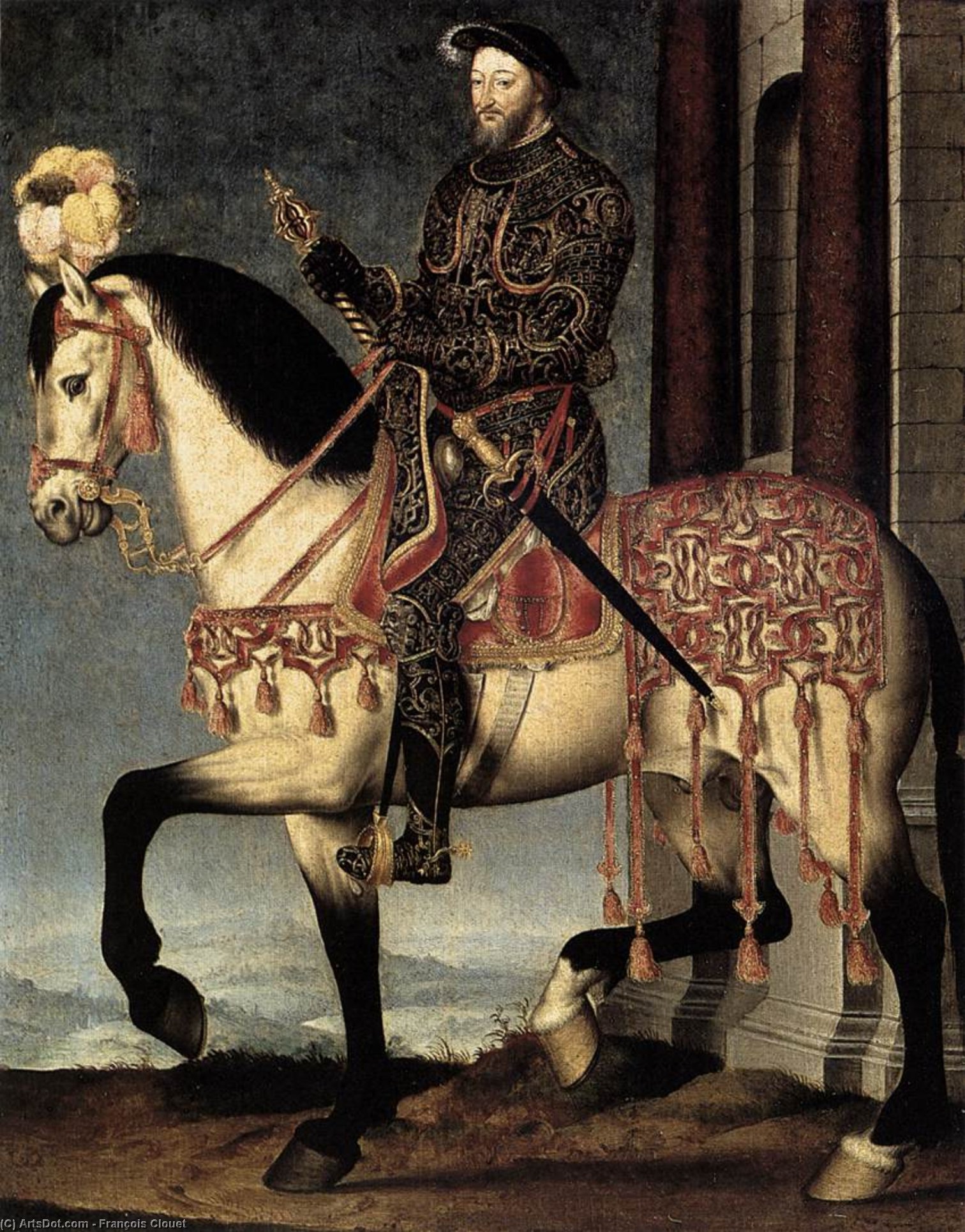
Portrait of Francis I, King of France
 Oil On Canvas
- WallArt
- Renaissance
 1540
1540- Renaissance
 27.0 x 22.0 cm
 ウフィツィ美術館
 詳細を見る
詳細を見る




P118B $10

P118H $10

P118W $10

P438Z $10

P508JH $12

P508YH $12

P805H $10

P805Z $10

P919BZ $10

P919G $10

P919XJ $10

P959ZH $10

P968JZ $12

W106C $8

W218G $10

W218JH $8

W218Y $10

W307PJ $10

W316G $10

W316PJ $8

W316Y $10

W398PJ $8

W4111J $10

W500HY $15

W500JH $15

W692G $12

W849H $8

W940BG $15

W953PJ $8




作品のオリジナル比率に合わせた、当店の規定サイズからお選びください。

特定のフレームやスペースに合わせて、ご希望のサイズをご入力いただけます。選択されたサイズが元の画像の比率と異なる場合、アートワークをトリミングするか、手描きで要素を追加して絵画を拡張いたします。デジタルモックアップ を制作し、制作開始前にご確認(承認)をいただきます。
画面上のプレビューは、実際のトリミングや拡張を正確に反映しているものではありません。最終的な構図は、モックアップによってのみ正確にご確認いただけます。
カスタムサイズもご利用いただけますが、元の比率を維持するためには、あらかじめ用意されたリストからサイズを選択することをお勧めいたします。
ご注文後、ArtsDot.com チームより詳細な指示をお送りするとともに、仕上がりイメージ(モックアップ)をご提供いたします。


 ガラスオプションは、110cm未満のサイズでのみご利用いただけます。

Portrait of Francis I, King of France
複製技法
複製画のサイズ
-


合計金額
$ 263
A Vision of Royal Majesty
In the grand tapestry of the French Renaissance, few images command the eye with such immediate and breathtaking authority as François Clouet’s Portrait of Francis I, King of France. Painted in 1540, this monumental work is far more than a mere likeness of a monarch; it is a profound visual manifesto of power, ambition, and the burgeoning spirit of an era. As the viewer encounters this masterpiece, they are not simply looking at a man, but at the very embodiment of the Valois court's splendor. Clouet captures the King atop his horse with a sense of kinetic energy and poised stillness, creating a composition that feels both monumental and intimately alive. For the discerning collector or interior designer, this piece offers an unparalleled sense of historical weight and aristocratic elegance, making it a transformative centerpiece for any sophisticated space.
The painting portrays Francis I seated atop a horse, positioned within an arched window that frames a richly decorated interior space, instantly establishing a commanding presence. The composition follows a classic pyramidal structure, with the figure dominating the central space while the horse serves as a stable, powerful base. Through the use of directional lighting originating from above and slightly to the left, Clouet casts shadows that emphasize form and volume, imbuing the scene with a sculptural quality. This careful arrangement of shapes—the geometric precision of the armor and the fluid, organic curves of the horse’s head—creates a balanced harmony that draws the eye deep into the heart of the royal portrait.
Renaissance Refinement and Flemish Naturalism
The brilliance of Clouet’s technique lies in his masterful ability to bridge two distinct artistic worlds: the meticulous, tactile naturalism of the Flemish tradition and the burgeoning grace of the Italian Renaissance. Drawing inspiration from masters like Jan van Eyck, Clouet prioritized anatomical accuracy and subtle shading, yet he tempered this realism with an idealized aesthetic reminiscent of Leonardo da Vinci’s sfumato technique. By employing oil paint on canvas and layering translucent glazes, the artist achieved a luminous effect that seems to radiate from within the subject itself.
Every brushstroke serves to enhance the visual richness of the composition. Clouet skillfully utilized scumbling to imbue textures into the heavy drapery and metallic surfaces, allowing the viewer to almost feel the weight of the fabrics and the cold hardness of the armor. Lines delineate the musculature of both the King and his steed with surgical precision, reinforcing the solidity and grandeur of the scene. This technical mastery reflects the humanist preoccupation of the age—the belief that understanding the intricate details of the physical form was a way to grasp the divine order of the universe.
Symbolism and the Legacy of Power
Beyond its aesthetic splendor, the portrait is steeped in the symbolic language of the 16th century. The horse, a symbol of strength, vitality, and loyalty, serves as an extension of the King's own indomitable will. Meanwhile, the armor signifies not just military prowess, but the divine right and established authority of the Valois dynasty. Clouet does not merely document a ruler; he constructs an icon. The setting, an arched window looking into a grand hall, suggests a bridge between the private majesty of the monarch and his public duty to the realm.
To possess a reproduction of this work is to invite a piece of history into one's environment. It is an invitation to contemplate an era of profound cultural transformation, where art, politics, and humanism converged. Whether placed in a formal gallery or as a focal point in a contemporary study, the Portrait of Francis I continues to resonate, offering a timeless connection to the elegance, strength, and enduring legacy of the French Renaissance.
関連作品
![Life Of Saint Francis - [01] - Stigmatization Of Saint Francis — ジョット, Early Renaissance](/media/artworks/images-thumb/fd/6a/fd6ae2a8f5e88e0ace6b86a21d020ded.jpg)
![Legend Of St Francis - [21] - Apparition To Fra Agostino And To Bishop Guido Of Arezzo — ジョット, Proto-renaissance](/media/artworks/images-thumb/8a/06/8a0632ef03ba49f12919faa78718a88b.jpg)
![Legend Of St Francis - [11] - St Francis Before The Sultan (trial By Fire) — ジョット, Proto-renaissance](/media/artworks/images-thumb/0d/32/0d328acfb6c90f7ef32707586e86044b.jpg)
![Legend Of St Francis - [24] - Canonization Of St Francis — ジョット, Gothic](/media/artworks/images-thumb/81/9b/819b5f0656848eb5cb3fcd40fd5756aa.jpg)
![Life Of Saint Francis - [04] - Death And Ascension Of St Francis — ジョット, Italian Renaissance](/media/artworks/images-thumb/08/8b/088b102b13c1a379233690905590f156.jpg)
アーティストの略歴
肖像に刻まれた遺産:フランソワ・クルエの世界
フランス・ルネサンスにおける洗練された肖像画の代名詞とも言える名前、フランソワ・クルエ。彼の名は、芸術的技能と宮廷の寵愛を一身に受けた血統から紡ぎ出されました。1510年頃、フランスのトゥールに生を受けた彼の生涯は、移ろいゆく芸術的感性と、ヴァロワ王朝の華麗な世界を背景に展開していきます。彼は単なる画家ではありませんでした。王や王妃、そして宮廷人たちの本質を、現代の観る者を魅了し続ける緻密さで捉え続けた、ある時代の「記録者」だったのです。父ジャン・クルエの存在は常に彼の背後に大きく影を落としていました。二人の芸術家は同じ職業に就いていただけでなく、「ジャネ」という親しみのある愛称も共有していたため、世代を超えた作品の帰属において時として混乱を招くこともありました。しかし、フランソアは独自の道を切り拓きました。フランドルの自然主義と、台頭しつつあったイタリア的な優雅さを融合させ、フランスで最も名高い肖像画家の一人としての地位を確立したのです。受け継がれる伝統:幼少期と芸術的形成
フランソワ・クルエの初期の歩みは、歴史の霧の中にいくぶん隠されていますが、その芸術的な軌跡が父の遺志によって形作られたことは疑いようもありません。南ネーデルラントにルーツを持つジャン・クルエは、フランドル絵画の特徴である細部への執着と写実的なアプローチをフランス宮廷へと持ち込みました。この強固な基礎こそが、フランソワの修行の土台となったのです。転機となったのは1541年、フランソワが父の遺産を相続した時でした。彼は正式に芸術的な継承者となり、それに伴う重責を引き受けることになったのです。これは単なる財産の譲渡ではなく、フランス宮廷という社会構造そのものにおける役割の継承でもありました。また、クルエ家はジャンがアンボワーズに滞在した時期を通じて、イタリア・ルネサンスとも独自の繋がりを持っていました。これによりフランソワは、イタリアから流入する新たな理想や革新的な技法に触れることになります。この繊細ながらも重大な影響は、後の彼の作品の中に鮮やかに現れることとなります。彼は単なる技術だけでなく、芸術がいかにして権力と地位を記録し、称えるための手段となり得るかという深い洞察を吸収していったのです。真実を解き明かす術:様式と主要作品
フランソワ・クルエの全作品は、驚くべき精密さと優雅さによって定義されます。彼の肖像画は単なる似顔絵ではありませんでした。それは人物の性格を深く掘り下げる研究であり、身体的な特徴のみならず、被写体の個性や社会的地位までも捉えていたのです。彼は王室の権威と洗練を表現する並外れた能力を備えていました。その証左として、ウフィツィ美術館やルーヴル美術館といった名高いコレクションに収蔵されているフランソワ1世の数々の肖像画が挙げられます。フランソワ1世のみならず、クルエの筆は同時代の重要人物たちを不朽のものとしました。ヴェルサイユにおけるカトリーヌ・ド・メディシスの肖像も、彼女の有力な統治期を視覚的に記録する一助となったことでしょう。そして、おそらく彼の最も称賛される業績の一つは、フランス国立図書館に所蔵されているメアリー・ステュアート(スコットランド女王)のチョーク画です。この作品は、繊細な顔立ちを捉え、驚くべき繊細さで感情の深みを伝える彼の卓越した技量を見事に示しています。他にも、オーストリアのエリザベート(ルーヴル)、フランスのマルグリット(シャンティイ)、シャルル9世(シャンティイ城)などの肖像画が、彼の名を語る上で欠かせない作品群です。定義された美学:クルエ芸術の特徴
フランソワ・クルエの独特な様式には、いくつかの際立った特徴があります。永劫なる印象:歴史的意義と遺産
フランス・ルネサンス美術に対するフランソワ・クルエの貢献は極めて深遠です。彼はフランスにおいて肖像画を主要なジャンルとして確立させる上で決定的な役割を果たし、芸術家の地位を高めると同時に、王宮の貴重な視覚的記録を残しました。中世の芸術的伝統と、新たに芽生えつつあったルネサンスの理想との架け橋となり、自然主義と人文主義的な原理を自らの作品へと融合させたのです。フランソワ1世、アンリ2世、フランソワ2世、シャルル9世といった歴代のフランス国王たちの宮廷画家として、彼はフランス史における重要人物たちの生涯と容貌を記録し、この時代への理解を深め続ける視覚的なアーカイブを作り上げました。その緻密な様式と細部へのこだわりは、後世のフランス肖像画家たちに多大な影響を与え、フランス美術の発展における中核的な人物としての地位を不動のものにしました。フランソワ・クルエは1572年12月22日、激動のサン・バルテルミの虐殺の直後にこの世を去りました。周囲の世界を永遠のものとするために生涯を捧げた芸術家にとって、それはあまりにも切ない幕切れでした。彼の遺言書には、彼の私生活や経済状況が垣間見え、芸術の巨匠として、またフランス社会における重要な人物としての彼の遺産を、より確かなものとして現代に伝えています。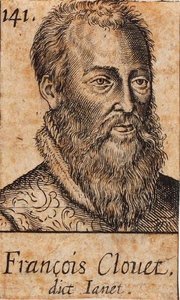
フランソワ・クルエ
1510 - 1572 , フランス
基本情報
- Artistic Movement Or Style: ルネサンス肖像画
- Artists Or Movements Influenced By This Artist: ['フランスの肖像画家']
- Artists Who Influenced This Artist:
- ジャン・クルエ
- レオナルド・ダ・ヴィンチ
- Date Of Birth: 1510年頃
- Date Of Death: 1572年
- Full Name: フランソワ・クルエ
- Nationality: フランス
- Notable Artworks:
- ラブレター
- アンリ2世の肖像
- フランス国王フランソワ1世
- スコットランド女王メアリー
- Place Of Birth: フランス、トゥール
関連記事
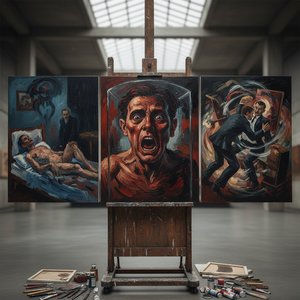
フランシス・ベーコン傑作25選:魂を揺さぶる絵画の世界 | ArtsDot
フランシス・ベーコンの傑作25選。魂を揺さぶる表現主義絵画の世界へ。人物画、三面図、ポープ・インノケンティウス10世など、美術史に残る名作をArtsDotで高精細複製画としてご紹介。インテリアに深みと個性を。今すぐコレクションをご覧ください。

Charles Bird King: Capturing Native American Dignity Through Portraiture & Cultural Exchange
Explore the captivating portraits of Charles Bird King, renowned for his depictions of Native American leaders. Discover the historical context, artistic techniques, and collecting value of these significant 19th-century artworks.
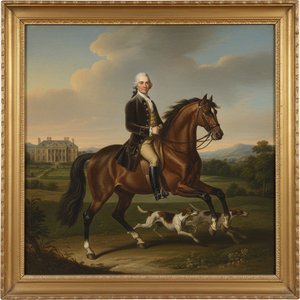
John Francis Sartorius II: Equestrian Elegance & the Rise of British Portraiture
Explore the captivating world of Francis Sartorius II (1734-1804), a leading British painter renowned for his exquisite equestrian portraits and hunting scenes. Discover his life, techniques & enduring legacy.
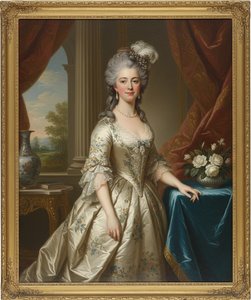
Francis Cotes: Elegance, Portraiture & the Rise of a Georgian Aesthetic
Explore the elegant world of Francis Cotes, pioneer of English pastel painting & celebrated Georgian portraitist. Discover his captivating portraits, artistic techniques, and lasting influence on 18th-century art.
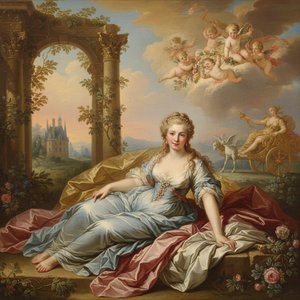
François Boucher: Rococo Master of Myth, Sensuality, and the French Court
Explore the captivating world of François Boucher, master of Rococo painting! Discover his iconic works, aristocratic patronage, and lasting influence on French art history. Learn more at ArtsDot.