

 プレビュー
プレビュー
 プリントを購入
 シェアする
シェアする シェアする
シェアする
 詳細を見る
詳細を見る

 ダウンロード
 似ている作品
 X線調査
X線調査 スライドショー
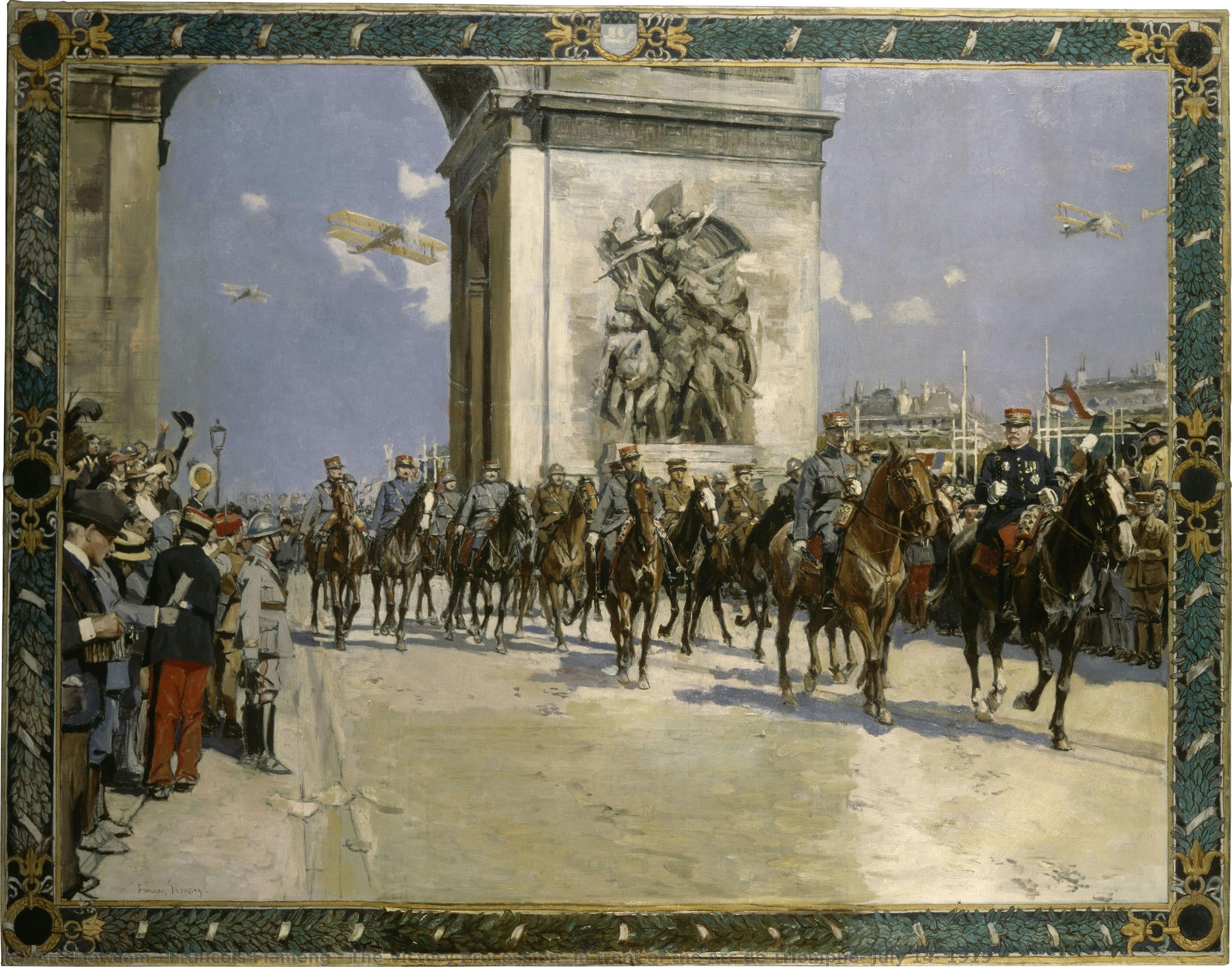
The Victory Procession, in front of the Arc de Triomphe, July 14, 1919


 詳細を見る
詳細を見る
オンラインプレビューをはるかに凌ぐ、高解像度で鮮明なデジタル画像をご購入いただけます。
各ファイルは、社内の専門家が高度なツールと熟練した手作業によるレタッチを用いて、細心の注意を払って準備されています。すべての画像において、卓越した鮮明度、正確な色彩再現性、そして繊細なディテールを保証いたします。
最終ファイルは、プロフェッショナルな編集・印刷環境ですぐにご利用いただけるよう最適化された状態で、72時間以内にメールにてお届けいたします。これは、一流のデザインスタジオ、出版社、ギャラリーから信頼されているものと同等の品質です。
デジタル画像のご注文に付随する特典
高品質なデジタル画像配信を、確かな品質で。
ArtsDot.com を選ぶことは、単に画像を手に入れることではありません。それは、プロの手によって精密に仕上げられ、満足保証が付いた高品質なデジタルアートワークを受け取ることを意味します。ご注文いただいた際に自動的に付随する内容は、以下の通りです:

メールですぐにお届け
ご注文から72時間以内に、高解像度のデジタル画像ファイルがメールでお手元に届きます。すぐにそのままご利用いただけます。

AI技術で最適化されたデジタルファイル
お客様の作品は、高度なAIツールと専門家による手作業の編集を組み合わせてプロフェッショナルに最適化されており、細部のディテール、鮮明さ、そして正確な色再現性を最大限に引き出しています。

一生涯無料の再送サービス
ファイルを誤って削除したり、紛失してしまったりしましたか?ご安心ください。いつでも無料で再送いたします。

輸入手数料は一切かかりません
関税や手数料、配送料を気にすることなく、お気に入りのアートワークをすぐにお楽しみいただけます。デジタルダウンロードは常に免税です。

色彩再現の保証
プロ仕様のツールとカラーマネジメント技術を用いることで、デジタル画像が元の色を最大限に忠実に再現することを保証いたします。

60日間満足保証
ご購入いただいたデジタル画像にご満足いただけない場合は、60日以内であれば、修正または100%の返金(理由を問う必要はありません)をさせていただきます。

100% 返金保証
ご満足いただけない場合は、デジタルファイルを受け取ってから60日以内であれば、理由を問わず全額返金いたします。

まとめ買い割引
3枚購入で10%OFF - 5枚購入で15%OFF - 10枚以上購入で20%OFF。クリエイティブなプロジェクト、ギャラリー、エージェンシーに最適です。
François Flameng’s Triumph: A Celebration of Victory in Parisian Art
The painting “The Victory Procession, in front of the Arc de Triomphe, July 14, 1919,” by François Flameng stands as a monumental testament to the spirit of resilience and triumph that characterized France following the First World War. Executed in 1923, this impressive canvas captures a pivotal moment – the jubilant procession commemorating the Allied victory over Germany, unfolding against the grandeur of Paris’s iconic Arc de Triomphe. Flameng's masterful depiction transcends mere historical record; it embodies an emotional response to the momentous occasion and reflects the artistic sensibilities of his time.A Symphony of Color and Composition
Flameng’s stylistic approach firmly adheres to the Beaux-Arts tradition, prioritizing meticulous detail and a convincingly realistic portrayal of light and texture. The artist skillfully employs a palette dominated by warm hues – golds, reds, and creams – mirroring the celebratory fervor of the event. These colors are strategically layered to create depth and dynamism, guiding the viewer’s eye across the expansive canvas. Compositionally, Flameng arranges the figures with deliberate precision, establishing a pyramidal structure that emphasizes the central procession led by Marshal Ferdinand Foch and Marshal Joseph Joffre. The positioning of the horses and riders contributes significantly to this visual hierarchy, reinforcing the grandeur and solemnity of the occasion.Historical Context: Echoes of Remembrance
The painting’s genesis lies in the immediate aftermath of the Great War, a period marked by profound grief and national introspection. Yet, amidst the sorrow, there emerged an unwavering determination to honor those who had sacrificed their lives for France's liberation. July 14th, 1919 – Bastille Day – served as the focal point for commemorating this victory, symbolizing freedom from oppression and reaffirming republican ideals. Flameng’s artwork captures not only the visual spectacle of the procession but also its symbolic significance: it represents the collective yearning for peace and prosperity after years of devastation. The Arc de Triomphe itself—constructed to honor Napoleon's military triumphs—becomes a poignant reminder of France’s enduring legacy of leadership and resilience.Technique and Detail: Flameng’s Artistic Virtuosity
Flameng’s technique is characterized by painstaking brushwork, meticulously rendering the musculature of the horses and the uniforms of the soldiers with remarkable accuracy. He utilizes glazing techniques—applying thin layers of translucent paint over underlying colors—to achieve luminous effects and imbue the scene with an ethereal quality. Close observation reveals subtle nuances in shading and texture, demonstrating Flameng’s dedication to capturing the materiality of his subjects. The artist's attention to detail extends beyond mere representation; he strives to convey a palpable sense of movement and energy, conveying the excitement and jubilation of the celebratory procession.Emotional Resonance: Triumph Over Adversity
Ultimately, “The Victory Procession” transcends its historical context to evoke a powerful emotional response in the viewer. Flameng’s masterful depiction captures the spirit of optimism and hope that permeated French society following the war—a desire to rebuild and honor those who had endured unimaginable hardship. The grandeur of the Arc de Triomphe serves as a visual anchor for this sentiment, symbolizing France's triumphant return to glory. More than just an illustration of a historical event, Flameng’s painting speaks to the universal human experience of overcoming adversity and celebrating victory—a timeless masterpiece that continues to inspire awe and admiration.関連作品
作家の略歴
François Flameng: A Life in Art
Early Life and Education
- Born: 1856, France.
- François Léopold Flameng was the son of Léopold Flameng, a celebrated engraver. This familial connection provided him with an early and thorough education in artistic techniques.
- He attended the École Nationale Supérieure des Beaux-arts, where he studied under Alexandre Cabanel.
- From 1870, Flameng began creating reproductions of works by renowned artists for the Durand-Ruel gallery catalogue.
Artistic Development and Style
- Flameng initially gained recognition for his history paintings and portraiture. His early style was firmly rooted in academic tradition, emphasizing precise draftsmanship and realistic representation.
- He exhibited at the Salon for the first time in 1875 with “The Lectern,” marking a significant step in his career.
- His work evolved over time to encompass broader themes, including depictions of military life and scenes from contemporary society.
Major Achievements and Commissions
- Flameng became a professor at the Academy of Fine Arts, demonstrating his standing within the artistic community.
- He received important commissions to decorate prominent civic buildings such as the Sorbonne and the Opéra-Comique.
- In 1891, he designed sketches for France’s first four-color bank notes (though the initial 1000 Franc note design wasn't issued until later in a modified form).
- He was invited to Russia in 1894 by Tsar Alexander III to paint portraits of members of the Imperial Court.
- In 1900, he created a decorative mural of Paris for Le Train Bleu, the restaurant at the Gare de Lyon.
- He was granted France’s highest civilian honor, the Légion d'Honneur.
- In 1908, he became an honorary commander of the Royal Victorian Order.
World War I and Later Work
- Flameng’s work took on a new dimension during World War I. He was named honorary president of the Society of Military Painters and an accredited documenter for the war ministry.
- His paintings from this period, while realistic, were initially criticized by some for lacking heroic drama – a testament to his commitment to portraying the realities of war.
- Many of these war paintings were later donated to the Musée de l'Armée.
- In 1919, he was elected into the National Academy of Design as an honorary corresponding academician.
Personal Life and Legacy
- Flameng married Marguerite Henriette Augusta Turquet in 1881. Their daughter, Marie, married tennis star Max Decugis, whom Flameng also painted.
- He was a friend of John Singer Sargent, who painted his portrait, and traveled with Jean-Léon Gérôme and Victor Clairin in Italy.
- François Flameng died in 1923, leaving behind a diverse body of work that reflects the artistic and historical currents of his time. His paintings offer valuable insights into French society during the Belle Époque and the realities of World War I.
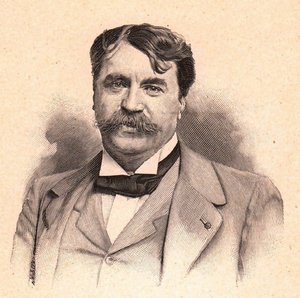
François Flameng
1856 - 1923 , France
プロフィール概要
- Birth_Date: 1856
- Birth_Place: France
- Death_Date: 1923
- Influenced_By:
- Alexandre Cabanel
- Léopold Flameng
- Movement:
- Academic art
- Belle Époque
- Name: François Flameng
- Nationality: French
- Notable_Works:
- Napoleon After The Battle Of Waterloo
- The Victory Procession, in front of the Arc de Triomphe, July 14, 1919
- Mily Portrait Of A Boy And His Two Sisters Admiring A Sketch Book

