

 プレビュー
プレビュー
 プリントを購入
 シェアする
シェアする シェアする
シェアする
 詳細を見る
詳細を見る

 ダウンロード
 似ている作品
 X線調査
X線調査 スライドショー
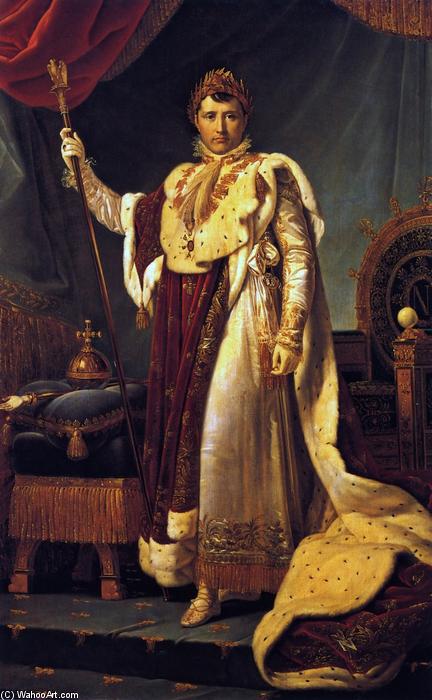
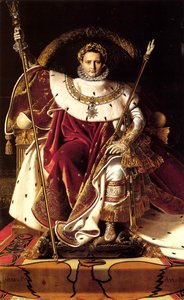
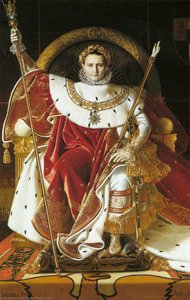
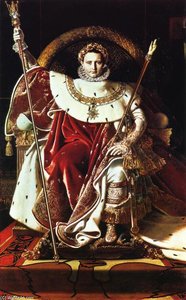
Napoleon I in His Imperial Robes
 Oil On Canvas
- WallArt
- Neoclassical
 1805
1805 227.0 x 145.0 cm
 ルーブル美術館
 詳細を見る
詳細を見る




P118B $10

P118H $10

P118W $10

P438Z $10

P508JH $12

P508YH $12

P805H $10

P805Z $10

P919BZ $10

P919G $10

P919XJ $10

P959ZH $10

P968JZ $12

W106C $8

W218G $10

W218JH $8

W218Y $10

W307PJ $10

W316G $10

W316PJ $8

W316Y $10

W398PJ $8

W4111J $10

W500HY $15

W500JH $15

W692G $12

W849H $8

W940BG $15

W953PJ $8




作品のオリジナル比率に合わせた、当店の規定サイズからお選びください。

特定のフレームやスペースに合わせて、ご希望のサイズをご入力いただけます。選択されたサイズが元の画像の比率と異なる場合、アートワークをトリミングするか、手描きで要素を追加して絵画を拡張いたします。デジタルモックアップ を制作し、制作開始前にご確認(承認)をいただきます。
画面上のプレビューは、実際のトリミングや拡張を正確に反映しているものではありません。最終的な構図は、モックアップによってのみ正確にご確認いただけます。
カスタムサイズもご利用いただけますが、元の比率を維持するためには、あらかじめ用意されたリストからサイズを選択することをお勧めいたします。
ご注文後、ArtsDot.com チームより詳細な指示をお送りするとともに、仕上がりイメージ(モックアップ)をご提供いたします。


 ガラスオプションは、110cm未満のサイズでのみご利用いただけます。

Napoleon I in His Imperial Robes
複製技法
複製画のサイズ
-


合計金額
$ 263
作品解説
A Regal Vision: Napoleon I in His Imperial Robes
François Gérard’s “Napoleon I in His Imperial Robes,” painted in 1805, is more than just a portrait; it's a meticulously crafted declaration of power and an embodiment of the burgeoning Napoleonic Empire. Commissioned during a pivotal moment in European history – a time when Napoleon was rapidly consolidating his authority across vast territories – this oil on canvas offers a profound glimpse into the emperor’s self-perception and his ambition to establish a new, distinctly Roman order. Gérard, a master of neoclassical style, skillfully blends meticulous detail with an underlying sense of grandeur, creating an image that resonates with both historical significance and enduring artistic merit.
The painting immediately commands attention through its sheer scale and the opulent richness of the subject’s attire. Napoleon is depicted in full ceremonial regalia – the “grand habillement” worn during his coronation at Notre Dame Cathedral – a deliberate reference to the legacy of Roman emperors. The heavy, gold-embroidered velvet mantle, the intricate laurel wreath crowning his head, and the gleaming chain of the Legion of Honour all speak to an assertion of imperial authority, echoing the traditions of ancient Rome while simultaneously forging a new identity for France under Napoleon’s rule.
The Artist's Hand: Technique and Style
Gérard’s technical prowess is evident in every brushstroke. He employs a carefully controlled palette, favoring deep reds, golds, and blues to create a sense of depth and luminosity. The fabric appears almost tactile, with the artist meticulously rendering the texture of the velvet, the sheen of the gold embroidery, and the delicate folds of the drapery. Notice particularly the subtle modeling of light and shadow, which gives volume and form to Napoleon’s figure, imbuing him with a palpable sense of presence.
The painting adheres closely to the principles of Neoclassicism, a style that drew inspiration from the art and architecture of ancient Greece and Rome. Gérard's composition is balanced and symmetrical, reflecting a desire for order and stability – qualities that were central to Napoleon’s vision for France. The pose itself—Napoleon standing tall and regal, with his gaze fixed directly on the viewer—is deliberately assertive, projecting an image of confidence and unwavering determination.
Symbolism and Historical Context
Beyond its aesthetic beauty, “Napoleon I in His Imperial Robes” is laden with symbolism. The choice of attire, referencing Roman imperial iconography, was a calculated move by Napoleon to legitimize his rule and establish himself as the rightful heir to the Roman tradition. The inclusion of symbols like the eagle on the Legion of Honour’s chain and the bees embroidered on the mantle further reinforce this connection to antiquity.
Painted during the height of the Napoleonic Empire, the portrait reflects a period of immense political and social upheaval in Europe. Napoleon's military victories had spread French influence across much of the continent, challenging the established order of monarchies and republics. This painting can be seen as an attempt to solidify his position as the dominant force on the European stage, projecting an image of strength, stability, and imperial grandeur.
A Timeless Masterpiece: Reproduction and Legacy
Today, “Napoleon I in His Imperial Robes” resides at the Musée du Louvre in Paris, a testament to its enduring artistic value. Numerous high-quality reproductions are now available, offering art enthusiasts and collectors the opportunity to bring this iconic image into their homes or offices. When selecting a reproduction, consider the materials used – a hand-painted oil on canvas will capture the nuances of Gérard’s original technique far more effectively than a digital print.
Whether you are an admirer of Napoleonic history, a devotee of neoclassical art, or simply seeking a stunning piece for your interior décor, “Napoleon I in His Imperial Robes” remains a captivating and profoundly evocative work. It is a window into a transformative era, a celebration of imperial power, and a lasting tribute to the artistic genius of François Gérard.
関連作品

アーティストの略歴
フランソワ・ブシェ:ロココの設計者
1703年にパリで生まれたフランソワ・ブシェは、フランス美術史における極めて重要な人物であり、ロココ様式の台頭と爛熟と不可分に結びついています。彼は単なる画家という枠を超え、室内装飾、衣装、そして装飾芸術を形作る名人であり、その時代の美意識そのものを定義したオーケストレーターでした。約五十年間にわたる彼のキャリアは、版画家というささやかな出発点から、ルイ15世に仕える中で最も称賛される芸術家へと進化を遂げた軌跡であり、それは彼比類なき技術と王室の庇護に対する鋭い洞察力の証左です。ブシェの遺産は個々の傑作に留まるものではなく、むしろロココという芸術運動全体に与えた深い影響の中に宿っており、壮大で形式的なバロック様式を、親密で官能的、そして遊び心あふれるロココの世界へと変貌させたのです。初期の生活と芸術的基盤
ブシェの初期の生活は、ある種の目立たなさの中にありました。ささやかな家庭に生まれ、当初は版画やエングレービングで生計を立てており、その技術は著名な出版業者であり版画商であったジャン・ド・ジュリアンのもとでの徒弟期間を通じて磨かれました。この時期は極めて重要であり、アントワーヌ・ワトーのような巨匠たちの作品に彼を触れさせ、その繊細な筆致や牧歌的な風景がブシェ自身の芸術的ビジョンを深く形作ることとなりました。決定的に重要な点として、ブシェは1728年から1730年にかけてイタリアへの長い旅に出ます。この経験は、フランスの伝統という制約を超えて彼の芸術的視野を広げました。彼はティツィアーノやヴェロネーゼといったベネチア派の画家たちの作品に没頭し、彼らの鮮やかな色彩パレット、躍動的な構図、そして光の巧みな使用法を吸収しました。同時に、オランダの巨匠たちの風景画も研究し、その緻密なディテールと大気的な効果に感銘を受けました。これらは後に彼の牧歌的な場面群において具現化される影響となりました。パリに戻ったブシェは画家としての地位を確立し始め、当初は肖像画や神話的主題を描き、優美な人物を捉え、視覚的に目を引く構図を生み出す初期の才能を発揮しました。ロココの台頭と王室の庇護
ブシェのキャリアが真に飛躍したのは、1734年に王立絵画彫刻アカデミーに入門した時でした。これは彼に王室からの認知をもたらし、 lucrativeな委嘱という扉を開いた画期的な瞬間でした。彼はすぐに勃興するロココ様式と結びつき、それは優雅さ、優美さ、官能性、そして遊び心あふれる題材を重視することで特徴づけられていました。バロックの厳粛さとは異なり、ロココは親密さ、装飾性、そして気まぐれな喜びの感覚を受け入れました。ブシェはこの原理を自身の作品に翻訳することに並外れた熟練度を発揮し、技術的に優れていると同時に感情的にも訴えかける絵画を生み出しました。彼の初期の作品、例えば『ヴィーナス戦勝』などは、色彩、構図、そして理想化された美しさにおける彼の習熟ぶりを示しており、これらはルイ15世の宮廷から非常に高く評価されました。彼は王の有力な愛人であったポンパドゥール夫人の厚い恩恵を急速に得て、彼女は重要な庇護者となり、ブシェのキャリアを促進する上で極めて重要な役割を果たしました。この王室からの支援は、彼に壮大な内装、精巧な衣装、そして豪華な装飾計画のための委嘱への比類なきアクセスを与え、彼の時代における第一人者としての地位を確固たるものにしたのです。主題と技法:影響の統合
ブシェの芸術的成果は驚くほど多様であり、神話的な場面、牧歌的な風景、肖像画、そして寓意的な構成を含んでいました。しかし、特定の繰り返されるテーマや様式的な要素が彼の独特な作品群を定義していました。彼は古典神話の場面を頻繁に描きましたが、それらの物語をロココ特有の感性で再構築し、古代の物語の厳しさを繊細な色彩、優美な人物像、そして官能的なニュアンスで和らげました。オランダの風景画の伝統とアルカディアのイタリア的な理想に触発された彼の牧歌的な絵画は、ロマンチックな追求に従事する魅力的な羊飼いや乙女たちで賑わう田園風景を描き出しました。ブシェの技術的な腕前も同様に印象的でした。彼は滑らかな筆致、色彩の微妙な階調、そして布地や質感の描写におけるほとんど写真のようなリアリズムを特徴とする緻密な技法を用いました。彼は光と影を巧みに操り、雰囲気的な効果を生み出し、場面の感情的なインパクトを高めました。特筆すべきは、彼がピンク、青、金色を基調とした明るいトーンのパレットを好んだことです。これらは王宮や貴族のサロンの豪華な内装と完璧に調和する色彩でした。遺産と歴史的重要性
フランソワ・ブシェがフランス美術に与えた影響は否定できません。彼はロココ様式を広めただけでなく、その優雅さ、官能性、そして装飾的な華やかさによって特徴づけられる新しい視覚言語を確立しました。彼の内装装飾、家具、テキスタイルに関するデザインは広く模倣され、ヨーロッパ全土の貴族の邸宅の美学を形作りました。晩年になって「真実味に欠ける」とデニ・ディドロなどから批判にさらされたにもかかわらず、ブシェは生涯を通じて非常に人気のある芸術家であり続けました。彼の作品は今なお、その美しさ、技術的な輝き、そして永続的な魅力によって称賛され続けています。彼はロココ運動の礎石であり、庇護の力の証しであり、18世紀フランスの洗練された趣味を体現する存在です。彼の遺産は個々の絵画を超えて広がり、ある世代の視覚言語を本質的に成文化し、美術史に消しがたい痕跡を残したのです。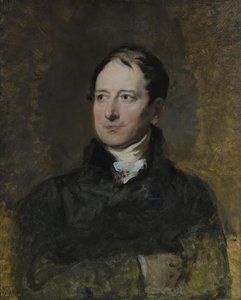
フランソワ・ジェラール
1770 - 1837 , イタリア
基本情報
- Artistic Movement Or Style: ロココ
- Artists Or Movements Influenced By This Artist:
- ワトー
- ロココ
- Artists Who Influenced This Artist:
- アントワーヌ・ワトー
- ジョヴァンニ・バッティスタ・ティエポロ
- Date Of Birth: 1703年
- Date Of Death: 1770年
- Full Name: フランソワ・ブシェ
- Nationality: フランス人
- Notable Artworks:
- ヴィーナスの凱旋
- キューピッドの口づけに蘇ったプシケ
- 葬送記念碑のデザイン
- Place Of Birth: パリ、フランス
関連記事
至高の芸術:新古典主義を象徴する10選 – 華麗なる巨匠と時代を彩る傑作の世界
新古典主義を代表する10選!ダビッド、アンジェリカーら巨匠の傑作を紐解き、時代を超えた美と知性を探求。油絵、版画など高精細なアートプリントで、お部屋を華やかに彩りませんか?ArtsDot.comで至高の芸術を体験してください。
Jacques-Louis David: Neoclassical Ideals & Revolutionary Witness
Explore the life & art of Jacques-Louis David, leading Neoclassical painter of the French Revolution. Discover iconic works like 'The Death of Marat' and his lasting impact on art history. Expert analysis & high-quality reproductions at ArtsDot.

Simon Vouet: A Baroque Master's Journey from Italian Influence to French Classicism
Explore the life & art of Simon Vouet, a pivotal French Baroque painter who introduced Italian styles to France. Discover his masterpieces and lasting influence on 17th-century art.
Charles Le Brun: Master of French Baroque Classicism & His Enduring Legacy
Explore the life & art of Charles Le Brun, master of French Baroque Classicism. Discover his royal commissions, influence on Versailles, and enduring legacy through detailed analysis & stunning artworks.
The Enduring Legacy of French Art: Movements, Masters & Cultural Impact
Explore the rich history of French art, from the Salon to Impressionism & beyond. Discover iconic masters, key movements, and expert guidance for collecting timeless masterpieces. ArtsDot.

