

 プレビュー
プレビュー
 プリントを購入
 シェアする
シェアする シェアする
シェアする
 詳細を見る
詳細を見る

 ダウンロード
 似ている作品
 X線調査
X線調査 スライドショー
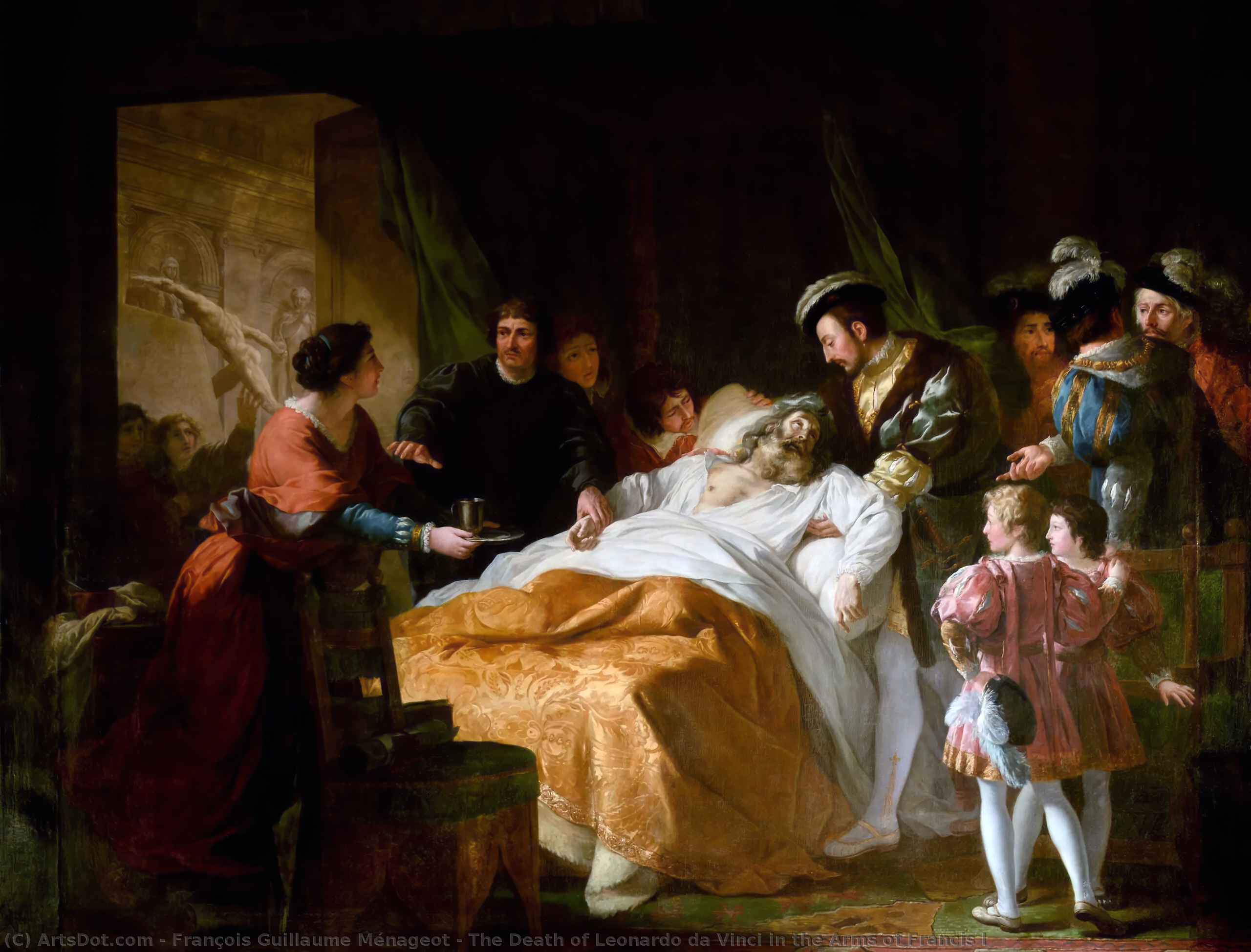
The Death of Leonardo da Vinci in the Arms of Francis I
 Baroque
 1781
1781 278.0 x 357.0 cm
 Musée de l'Hôtel de Ville
 詳細を見る
詳細を見る




































作品のオリジナル比率に合わせた、当店の規定サイズからお選びください。

特定のフレームやスペースに合わせて、ご希望のサイズをご入力いただけます。選択されたサイズが元の画像の比率と異なる場合、アートワークをトリミングするか、手描きで要素を追加して絵画を拡張いたします。デジタルモックアップ を制作し、制作開始前にご確認(承認)をいただきます。
画面上のプレビューは、実際のトリミングや拡張を正確に反映しているものではありません。最終的な構図は、モックアップによってのみ正確にご確認いただけます。
カスタムサイズもご利用いただけますが、元の比率を維持するためには、あらかじめ用意されたリストからサイズを選択することをお勧めいたします。
ご注文後、ArtsDot.com チームより詳細な指示をお送りするとともに、仕上がりイメージ(モックアップ)をご提供いたします。


 ガラスオプションは、110cm未満のサイズでのみご利用いただけます。

The Death of Leonardo da Vinci in the Arms of Francis I
複製技法
複製画のサイズ
-


合計金額
$ 463
Historical Context
The painting depicts the final moments of Leonardo da Vinci's life as he lies in the arms of Francis I, King of France. This scene is set against a backdrop of Renaissance humanism and artistic innovation. The work was commissioned by Louis XVI to serve as a model for a tapestry depicting the history of France at the Gobelins Manufactory.Artistic Significance
Ménageot's painting showcases his skill in capturing the emotional depth of the scene. The central focus is on the tender embrace between Leonardo and Francis, while the surrounding figures convey a sense of mourning and reverence. This work exemplifies the Neoclassical style, characterized by its emphasis on classical ideals and historical subjects.Key Elements
- Composition: The painting features a large group of people gathered around Leonardo's bed, creating a sense of intimacy and solemnity. - Color Palette: Muted tones dominate the scene, with an emphasis on earthy colors that evoke a sense of somberness. - Lighting: Soft, diffused light illuminates the figures, highlighting their expressions and interactions.Relevance in Art History
This painting is significant not only for its depiction of a pivotal moment in art history but also for its reflection of the artistic trends of the late 18th century. Ménageot's work was influenced by his time in Vien's studio, where he was exposed to the teachings of Jacques-Louis David.Conclusion
The Death of Leonardo da Vinci in the Arms of Francis I is a powerful representation of the intersection of art and history. It stands as a testament to Ménageot's skill and the enduring legacy of Renaissance ideals. For those interested in exploring more works by François Guillaume Ménageot, The Death of Leonardo da Vinci in the Arms of Francis I and Envy Plucking the Wings of Fame are available for viewing on ArtsDot. For a deeper understanding of Ménageot's contributions to Neoclassicism, refer to François Guillaume Ménageot on Wikipedia.関連作品
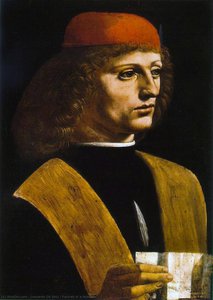
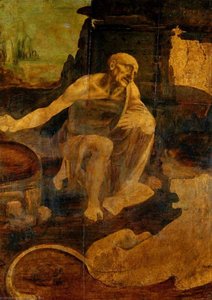
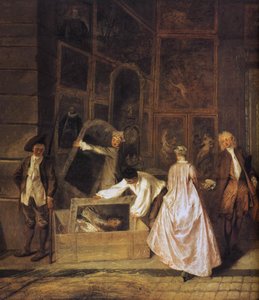

アーティストの略歴
The Grandeur of Neoclassicism: The Life and Legacy of François Guillaume Ménageot
François Guillaume Ménageot (1744–1816) stands as a monumental figure in the transition of European art, a painter whose brush captured the profound shift from the airy elegance of the Rococo to the stern, dramatic gravity of Neoclassicism. Born in London to Augustin Ménage or, as history remembers him, the son of an influential art dealer and advisor to the great Denis Diderot, François was destined for a life steeped in intellectual and aesthetic discourse. This early exposure to the leading minds of the Enlightenment provided the fertile soil from which his artistic vision would grow, blending a deep respect for classical antiquity with the technical rigor required by the French academic tradition. His formative years were shaped by a lineage of masters that defined the era's stylistic evolution. Initially training under Jean-Baptiste Deshays and Joseph Marie Vien, Ménageot first absorbed the nuanced play of light and color characteristic of their work. However, it was his apprenticeship with the legendary François Boucher that left an indelible mark on his early compositions. From Boucher, he inherited a mastery of warmth and fluid movement, yet Ménageot possessed a unique ambition to move beyond mere decorative beauty toward something more substantial and historically significant.A Triumph in Rome and the Pursuit of Academic Excellence
The trajectory of Ménageot’s career was irrevocly altered by his extraordinary success in the competitive arena of the French Academy. In 1766, he achieved the prestigious Grand Prix de Rome with his visceral and striking work, Tomyris Plunging the Head of Cyrus into a Bowl of Blood. This painting was more than a technical triumph; it was a declaration of intent, signaling his ability to handle intense, dramatic narratives with a sense of monumental scale. This victory granted him a transformative residency at the French Academy in Rome from 1769 to 1774, a period that allowed him to immerse himself directly in the classical ruins and Renaissance masterpieces that would become the bedrock of his style. During his Roman years, Ménageot’s work began to shed the lighter, more whimsical elements of his early training, replaced by a burgeoning interest in the structural clarity and emotional weight of the ancient world. His time in Italy solidified his reputation as a history painter capable of conveying complex human struggles through grand, architectural compositions. Upon his return to Paris, he was met with immediate acclaim, securing agréement from the Académie Royale and establishing himself as a vital voice in the Salon exhibitions that defined the cultural zeitopgraphy of late 18th-century France.Mastery of Narrative: Religious and Historical Vision
Ménageot’s oeuvre is characterized by its profound ability to breathe life into historical and religious chronicles. He possessed a rare talent for capturing the precise moment of highest tension—the breath held before a tragedy or the solemnity of a sacred event. His works often feature a sophisticated use of chiaroscuro, where deep shadows and piercing highlights serve to direct the viewer's eye toward the emotional core of the scene. Some of his most enduring contributions to the art world include:- The Death of Leonardo da Vinci in the Arms of Francis I: A poignant exploration of historical intimacy and the passing of a genius, rendered with profound dignity.
- The Martyrdom of St Sebastian: A powerful display of religious devotion and physical suffering, utilizing dramatic lighting to evoke a sense of spiritual transcendence.
- The Farewells of Polyxena to Hecuba: A masterpiece of narrative tension that showcases his ability to weave complex classical tragedy into a single, breathtaking canvas.
- Allegorical painting of the birth of Louis Joseph: A monumental work rich in symbolism, demonstrating his skill in blending political history with allegorical grandeur.
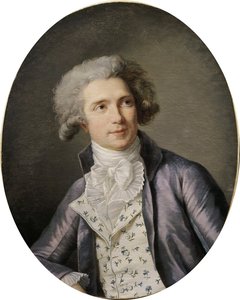
françois guillaume ménageot
1744 - 1816 , United Kingdom
基本情報
- Artistic Movement Or Style: Neoclassicism
- Artists Or Movements Influenced By This Artist: ['David']
- Artists Who Influenced This Artist: ['François Boucher']
- Date Of Birth: London, United Kingdom (1744)
- Date Of Death: 1816
- Full Name: François Guillaume Ménageot
- Nationality: French
- Notable Artworks:
- The Death of Leonardo da Vinci in the Arms of Francis I
- The Martyrdom of St Sebastian
- Allegorical painting of the birth of Louis Joseph
- Place Of Birth: London
関連記事
レオナルド・ダ・ヴィンチ:至高の25選 - 芸術、科学、そして不朽の名作の世界
レオナルド・ダ・ヴィンチの至宝25選。モナリザ、最後の晩餐…ルネサンス美術を代表する名画の世界へ。芸術史、技法、そして感動の物語を紐解き、お部屋に飾る高級複製画で特別な空間を。ArtsDot.comで全コレクションをご覧ください。
Leonardo da Vinci: A Renaissance Master’s Synthesis of Art, Science & Human Observation – Reinterpreted for the Collector
Explore Leonardo da Vinci’s timeless masterpieces with ArtsDot. Discover insights into his art, science, and legacy – trusted expertise for discerning collectors seeking authentic reproductions & investment opportunities.

ルーブル美術館の至宝25選:名画と芸術史を巡る旅 | ArtsDot
ルーブル美術館の至宝25選。レオナルド・ダ・ヴィンチ、ミロのヴィーナス…名画の歴史と感動を紐解きます。複製画やインテリアアートも豊富に。ArtsDotで、あなただけの芸術空間を。
Renaissance Humanism's Greatest Art: 10 Masterpieces for Your Home
Explore 10 Renaissance Humanism masterpieces by Leonardo da Vinci, Michelangelo & Raphael. Discover the stories behind these iconic paintings & sculptures and bring timeless art into your home with museum-quality reproductions from ArtsDot.com. Explore the full collection online!

ウフィツィ美術館の至宝25選:ルネサンス巨匠たちの傑作とアートデコレーション
ウフィツィ美術館の至宝25選:ボッティチェリ、レオナルド・ダ・ヴィンチ…ルネサンス巨匠たちの傑作と感動的な物語を紐解きます。高品質な絵画複製やアートプリントで、お部屋に名画の輝きを。ArtsDot.comで芸術の世界へ。