

 プレビュー
プレビュー
 プリントを購入
 シェアする
シェアする シェアする
シェアする
 詳細を見る
詳細を見る

 ダウンロード
 似ている作品
 X線調査
X線調査 スライドショー
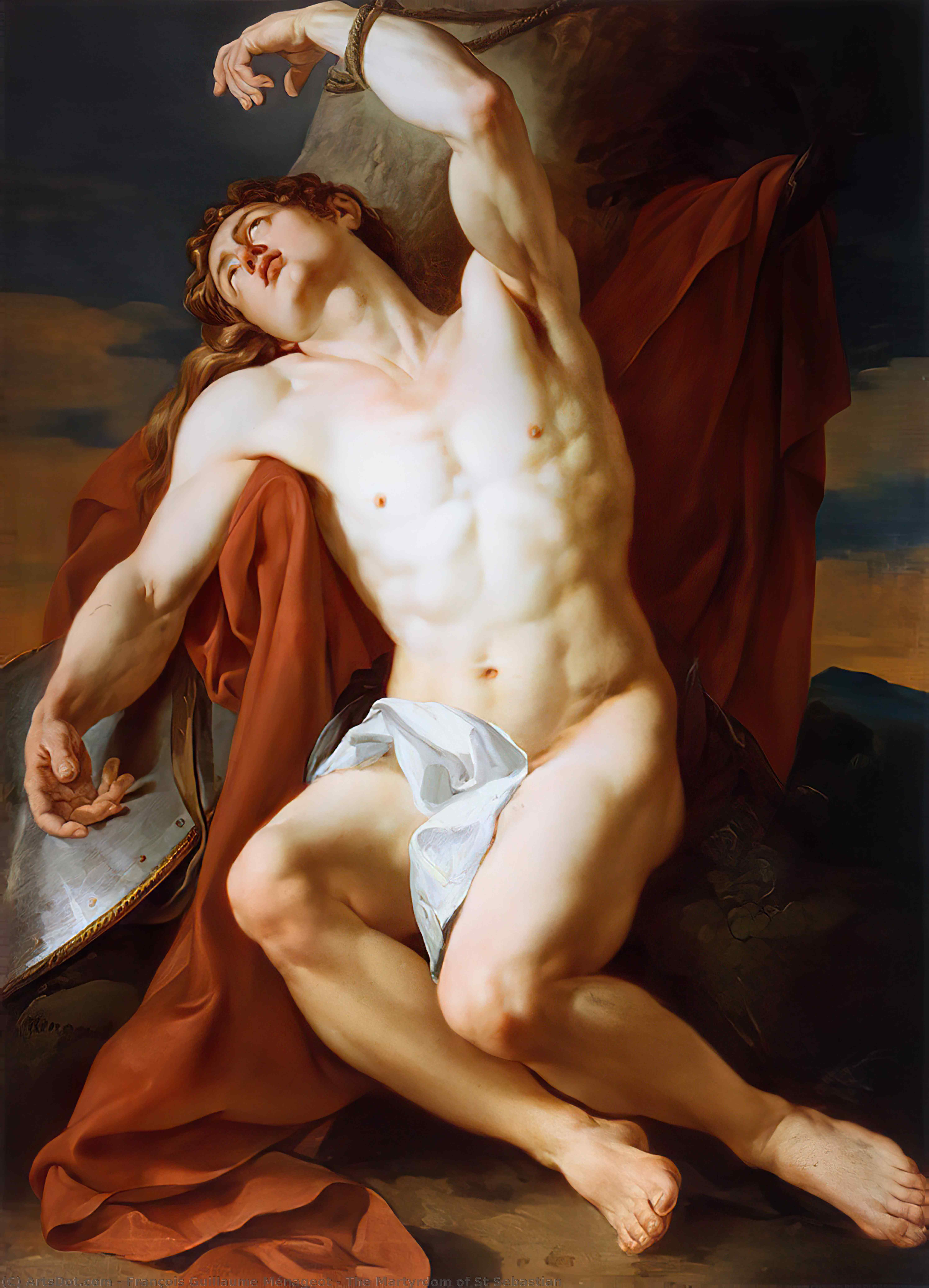
The Martyrdom of St Sebastian


 詳細を見る
詳細を見る
オンラインプレビューをはるかに凌ぐ、高解像度で鮮明なデジタル画像をご購入いただけます。
各ファイルは、社内の専門家が高度なツールと熟練した手作業によるレタッチを用いて、細心の注意を払って準備されています。すべての画像において、卓越した鮮明度、正確な色彩再現性、そして繊細なディテールを保証いたします。
最終ファイルは、プロフェッショナルな編集・印刷環境ですぐにご利用いただけるよう最適化された状態で、72時間以内にメールにてお届けいたします。これは、一流のデザインスタジオ、出版社、ギャラリーから信頼されているものと同等の品質です。
デジタル画像のご注文に付随する特典
高品質なデジタル画像配信を、確かな品質で。
ArtsDot.com を選ぶことは、単に画像を手に入れることではありません。それは、プロの手によって精密に仕上げられ、満足保証が付いた高品質なデジタルアートワークを受け取ることを意味します。ご注文いただいた際に自動的に付随する内容は、以下の通りです:

メールですぐにお届け
ご注文から72時間以内に、高解像度のデジタル画像ファイルがメールでお手元に届きます。すぐにそのままご利用いただけます。

AI技術で最適化されたデジタルファイル
お客様の作品は、高度なAIツールと専門家による手作業の編集を組み合わせてプロフェッショナルに最適化されており、細部のディテール、鮮明さ、そして正確な色再現性を最大限に引き出しています。

一生涯無料の再送サービス
ファイルを誤って削除したり、紛失してしまったりしましたか?ご安心ください。いつでも無料で再送いたします。

輸入手数料は一切かかりません
関税や手数料、配送料を気にすることなく、お気に入りのアートワークをすぐにお楽しみいただけます。デジタルダウンロードは常に免税です。

色彩再現の保証
プロ仕様のツールとカラーマネジメント技術を用いることで、デジタル画像が元の色を最大限に忠実に再現することを保証いたします。

60日間満足保証
ご購入いただいたデジタル画像にご満足いただけない場合は、60日以内であれば、修正または100%の返金(理由を問う必要はありません)をさせていただきます。

100% 返金保証
ご満足いただけない場合は、デジタルファイルを受け取ってから60日以内であれば、理由を問わず全額返金いたします。

まとめ買い割引
3枚購入で10%OFF - 5枚購入で15%OFF - 10枚以上購入で20%OFF。クリエイティブなプロジェクト、ギャラリー、エージェンシーに最適です。
A Vision of Devotion and Agony
In the profound depths of François Guillaume Ménageot’s The Martyrdom of St Sebastian, viewers are transported to a moment of visceral spiritual struggle and physical endurance. This oil on canvas masterpiece, dating from approximately 1760, serves as a breathtaking window into the era of religious intensity. The painting captures the saint in a state of profound vulnerability; he lies prone, his body stretched across the foreground, bearing the heavy weight of his martyrdom. The presence of blood upon his skin and the cold iron of a chain around his neck serve as harrowing reminders of his sacrifice, yet there is an undeniable grace in his suffering that transcends mere pain.
The composition is masterfully orchestrated to guide the eye through a landscape of both physical and emotional turmoil. By positioning Saint Sebastian centrally, Ménageot ensures that the viewer cannot escape the saint's plight. The background, featuring distant, imposing mountains, creates a sense of vast isolation, suggesting that while the world continues its rotation, the saint exists in a singular, eternal moment of trial. This use of depth and scale emphasizes the loneliness of the martyr, making the piece an ideal focal point for those who appreciate art that explores the human condition through a grand, cinematic lens.
The Mastery of Light and Neoclassical Drama
Technically, the work is a triumph of chiaroscuro, the dramatic interplay between light and shadow. Ménageot, having studied under masters like Jean-Baptiste Deshays and the Rococo legend François Boucher, utilizes light not merely to illuminate, but to sculpt. The way the light catches the contours of the saint's muscular form and the glint of the metal chain creates a three-dimensional realism that is both startling and beautiful. This technique draws the viewer’s gaze directly to the focal points of suffering—the face and the wounded flesh—while allowing the executioners in the periphery to recede into a mysterious, shadowy presence.
The color palette is equally evocative, utilizing warm, earthy tones that ground the scene in a sense of historical reality, contrasted against the starker, more dramatic highlights of the saint's skin. For the discerning collector or interior designer, this painting offers a sophisticated balance of movement and stillness. It possesses a monumental quality that commands attention in any gallery setting, yet its rich textures and deep shadows allow it to integrate seamlessly into classical or even contemporary spaces that seek to evoke a sense of history, drama, and intellectual depth.
A Legacy for the Modern Collector
Beyond its aesthetic brilliance, The Martyrdom of St Sebastian stands as a testament to the transition of 18th-century art toward the more structured and emotionally resonant Neoclassical movement. Ménageot’s ability to blend the decorative elegance learned from Boucher with the gravity required for religious subjects makes this work a rare jewel in his oeuvre. It is a piece that does not merely decorate a wall; it tells a story of resilience, faith, and the enduring strength of the human spirit.
Owning a high-quality reproduction of such a significant work allows one to bring this historical gravity into a modern home. Whether placed in a study, a library, or a formal living area, the painting acts as a conversation piece that invites contemplation. It is an investment in art that transcends trends, offering a timeless connection to the masters of French history and the profound emotional landscapes of the 1700s.
関連作品
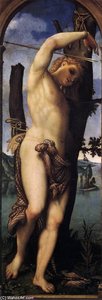
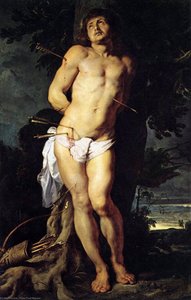

作家の略歴
The Grandeur of Neoclassicism: The Life and Legacy of François Guillaume Ménageot
François Guillaume Ménageot (1744–1816) stands as a monumental figure in the transition of European art, a painter whose brush captured the profound shift from the airy elegance of the Rococo to the stern, dramatic gravity of Neoclassicism. Born in London to Augustin Ménage or, as history remembers him, the son of an influential art dealer and advisor to the great Denis Diderot, François was destined for a life steeped in intellectual and aesthetic discourse. This early exposure to the leading minds of the Enlightenment provided the fertile soil from which his artistic vision would grow, blending a deep respect for classical antiquity with the technical rigor required by the French academic tradition. His formative years were shaped by a lineage of masters that defined the era's stylistic evolution. Initially training under Jean-Baptiste Deshays and Joseph Marie Vien, Ménageot first absorbed the nuanced play of light and color characteristic of their work. However, it was his apprenticeship with the legendary François Boucher that left an indelible mark on his early compositions. From Boucher, he inherited a mastery of warmth and fluid movement, yet Ménageot possessed a unique ambition to move beyond mere decorative beauty toward something more substantial and historically significant.A Triumph in Rome and the Pursuit of Academic Excellence
The trajectory of Ménageot’s career was irrevocly altered by his extraordinary success in the competitive arena of the French Academy. In 1766, he achieved the prestigious Grand Prix de Rome with his visceral and striking work, Tomyris Plunging the Head of Cyrus into a Bowl of Blood. This painting was more than a technical triumph; it was a declaration of intent, signaling his ability to handle intense, dramatic narratives with a sense of monumental scale. This victory granted him a transformative residency at the French Academy in Rome from 1769 to 1774, a period that allowed him to immerse himself directly in the classical ruins and Renaissance masterpieces that would become the bedrock of his style. During his Roman years, Ménageot’s work began to shed the lighter, more whimsical elements of his early training, replaced by a burgeoning interest in the structural clarity and emotional weight of the ancient world. His time in Italy solidified his reputation as a history painter capable of conveying complex human struggles through grand, architectural compositions. Upon his return to Paris, he was met with immediate acclaim, securing agréement from the Académie Royale and establishing himself as a vital voice in the Salon exhibitions that defined the cultural zeitopgraphy of late 18th-century France.Mastery of Narrative: Religious and Historical Vision
Ménageot’s oeuvre is characterized by its profound ability to breathe life into historical and religious chronicles. He possessed a rare talent for capturing the precise moment of highest tension—the breath held before a tragedy or the solemnity of a sacred event. His works often feature a sophisticated use of chiaroscuro, where deep shadows and piercing highlights serve to direct the viewer's eye toward the emotional core of the scene. Some of his most enduring contributions to the art world include:- The Death of Leonardo da Vinci in the Arms of Francis I: A poignant exploration of historical intimacy and the passing of a genius, rendered with profound dignity.
- The Martyrdom of St Sebastian: A powerful display of religious devotion and physical suffering, utilizing dramatic lighting to evoke a sense of spiritual transcendence.
- The Farewells of Polyxena to Hecuba: A masterpiece of narrative tension that showcases his ability to weave complex classical tragedy into a single, breathtaking canvas.
- Allegorical painting of the birth of Louis Joseph: A monumental work rich in symbolism, demonstrating his skill in blending political history with allegorical grandeur.
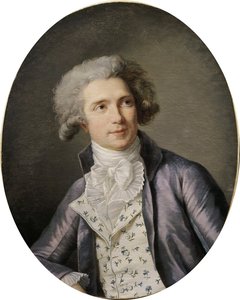
françois guillaume ménageot
1744 - 1816 , United Kingdom
プロフィール概要
- Artistic Movement Or Style: Neoclassicism
- Artists Or Movements Influenced By This Artist: ['David']
- Artists Who Influenced This Artist: ['François Boucher']
- Date Of Birth: London, United Kingdom (1744)
- Date Of Death: 1816
- Full Name: François Guillaume Ménageot
- Nationality: French
- Notable Artworks:
- The Death of Leonardo da Vinci in the Arms of Francis I
- The Martyrdom of St Sebastian
- Allegorical painting of the birth of Louis Joseph
- Place Of Birth: London

