

 プレビュー
プレビュー
 プリントを購入
 シェアする
シェアする シェアする
シェアする
 詳細を見る
詳細を見る

 ダウンロード
 似ている作品
 X線調査
X線調査 スライドショー
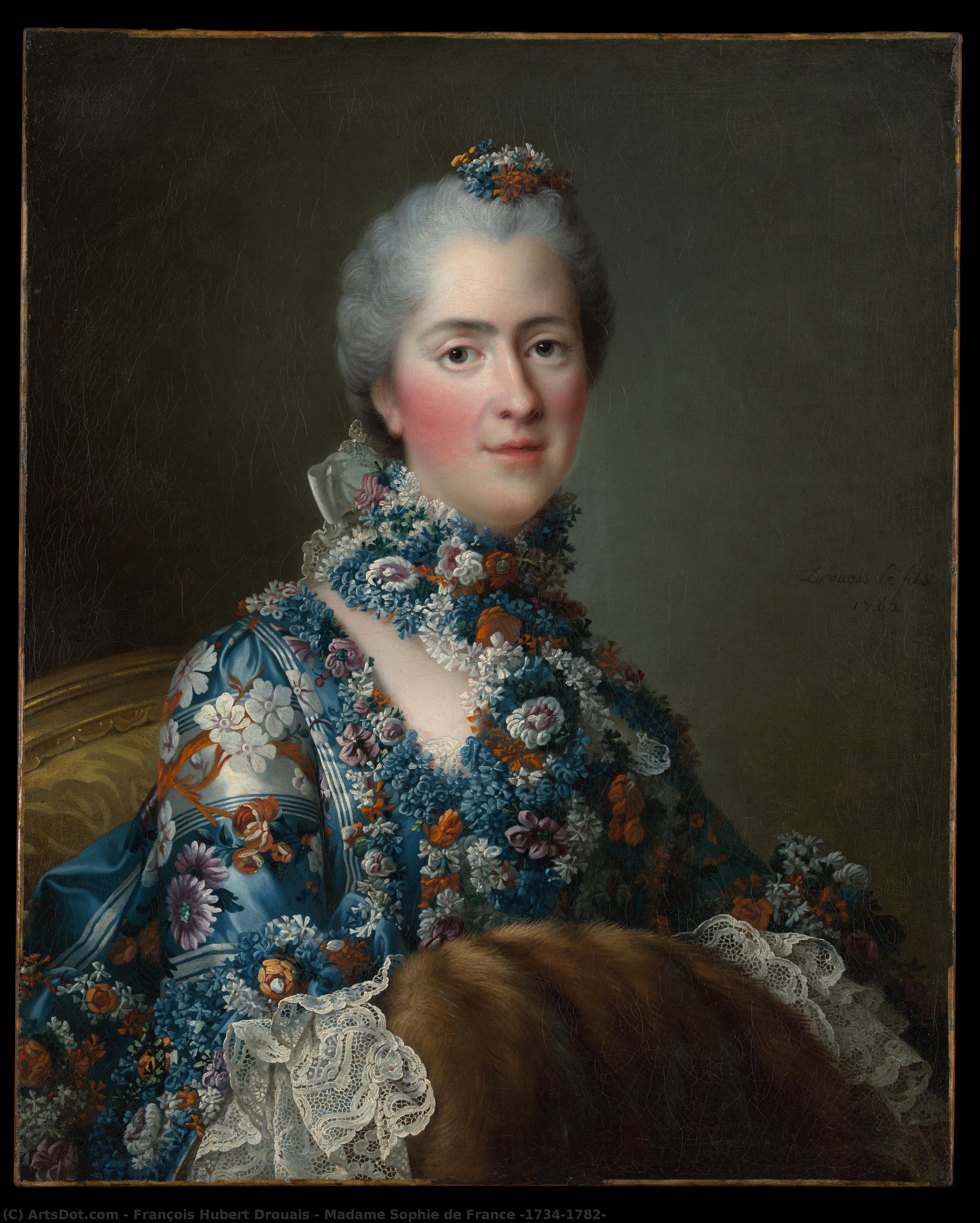
Madame Sophie de France (1734–1782)
 Oil On Canvas
- WallArt
- Rococo
 1762
1762 65.0 x 53.0 cm
 メトロポリタン美術館
 詳細を見る
詳細を見る




P118B $10

P118H $10

P118W $10

P438Z $10

P508JH $12

P508YH $12

P805H $10

P805Z $10

P919BZ $10

P919G $10

P919XJ $10

P959ZH $10

P968JZ $12

W106C $8

W218G $10

W218JH $8

W218Y $10

W307PJ $10

W316G $10

W316PJ $8

W316Y $10

W398PJ $8

W4111J $10

W500HY $15

W500JH $15

W692G $12

W849H $8

W940BG $15

W953PJ $8




作品のオリジナル比率に合わせた、当店の規定サイズからお選びください。

特定のフレームやスペースに合わせて、ご希望のサイズをご入力いただけます。選択されたサイズが元の画像の比率と異なる場合、アートワークをトリミングするか、手描きで要素を追加して絵画を拡張いたします。デジタルモックアップ を制作し、制作開始前にご確認(承認)をいただきます。
画面上のプレビューは、実際のトリミングや拡張を正確に反映しているものではありません。最終的な構図は、モックアップによってのみ正確にご確認いただけます。
カスタムサイズもご利用いただけますが、元の比率を維持するためには、あらかじめ用意されたリストからサイズを選択することをお勧めいたします。
ご注文後、ArtsDot.com チームより詳細な指示をお送りするとともに、仕上がりイメージ(モックアップ)をご提供いたします。


 ガラスオプションは、110cm未満のサイズでのみご利用いただけます。

Madame Sophie de France (1734–1782)
複製技法
複製画のサイズ
-


合計金額
$ 263
A Portrait of Royal Grace: Madame Sophie de France
François-Hubert Drouais’s “Madame Sophie de France” (1762) is more than simply a portrait; it's a meticulously crafted window into the opulent world of 18th-century French aristocracy. Painted during a period of significant social and political change, this work captures not just the likeness of a young woman but also embodies the grandeur, formality, and subtle anxieties of the era. The painting’s enduring appeal lies in its exquisite detail, masterful use of light and shadow, and the palpable sense of dignified composure it conveys.
The Rococo Setting: Versailles and its Daughters
Drouais’s work is firmly rooted in the Rococo style, a movement characterized by its elaborate ornamentation, pastel palettes, and emphasis on beauty and pleasure. This portrait was created within the context of the “Mesdames de France,” the eight daughters of King Louis XV – Sophie, Victoire, Louise, Élisabeth, Marie Thérèse, Isabelle, Augustine, and Felicité. These young women were patrons of the arts, establishing a vibrant artistic circle centered at Versailles. Drouais, along with Jean-Marc Nattier and Adélaïde Labille-Guiard, became their favored portraitists, documenting their lives and reflecting the values of the French court.
The painting itself was commissioned as part of a series, highlighting Sophie’s status as one of the most prominent of these royal daughters. Her position within the family—the sixth of eight—is subtly reflected in the composition, placing her amongst her sisters and contributing to the overall sense of familial importance.
A Symphony of Texture and Detail
Drouais’s technical skill is immediately apparent in the painting's remarkable detail. The artist masterfully renders the textures of Sophie’s elaborate gown – the shimmering silk, the heavy velvet of her shawl, and the intricate floral brocade that seems to bloom across her bodice. The use of layering and glazing creates a sense of depth and luminosity, bringing the fabrics to life with an almost tactile quality. The delicate lace adorning her sleeves and cuffs, the meticulously painted flowers, and even the subtle sheen on her jewelry all contribute to this overwhelming richness.
Furthermore, Drouais employs dramatic lighting – a strong light source illuminating Sophie’s face and upper torso while leaving the background in shadow. This technique not only emphasizes her features but also creates a sense of theatricality, drawing the viewer's attention directly to the subject. The shallow perspective further enhances this effect, focusing our gaze on the figure and minimizing any attempt at creating a vast spatial illusion.
Symbolism and Emotional Resonance
Beyond its technical brilliance, “Madame Sophie de France” is rich in symbolism. The lavish clothing and jewelry – furs, silks, jewels—are outward signs of wealth and status, reflecting the privileges enjoyed by members of the French aristocracy. The abundance of artificial flowers, particularly those woven into the bodice, represent beauty, fertility, and a connection to nature, albeit an idealized one. Sophie’s composed expression conveys dignity, grace, and perhaps a touch of vanity – qualities admired in aristocratic women of the time.
Despite the formality of the portrait, there's also a subtle sense of vulnerability in Sophie’s gaze. The painting captures a fleeting moment of quiet contemplation, inviting us to imagine her thoughts and feelings beyond the carefully constructed façade of royal composure. It is a poignant reminder that even within the gilded cage of Versailles, human emotions persisted.
関連作品


アーティストの略歴
トーマス・ゲインズボロー:光と生命を描いた画家
1727年5月14日、サドベリー(サフォーク)に生まれたトーマス・ゲインズボローは、18世紀後半のイギリス美術の発展において極めて重要な人物でした。彼の生涯の作品――肖像画と風景画という魅惑的な融合――は、ジョシュア・レイノルズと並び、同時代で最も影響力のある画家の一人としての地位を確立しました。ゲインズボローは単に主題を描写するだけでなく、自然主義的な感覚と、周囲の世界の儚い美しさへの深い認識をもって、イギリス生活のエッセンスを捉えようとしたのです。彼のキャリアは、社会の変化と芸術的なライバル関係という背景の中で展開し、最終的にイギリス絵画の道を形作っていきました。初期の年月と修行
ゲインズボローの初期の年月は、形式的な学術訓練というよりも、実用的な徒弟制度によって特徴づけられていました。13歳のとき、彼はロンドンへ送られ、著名なジャン=アントワーヌ・ワトーから学んだフランス人芸術家、ヒューベルト・グラヴォローの下でエングレービングを学びました。この経験は計り知れないほど貴重であり、ゲインズボローに描画とエッチングの技術を教え、それは後に彼の独特な筆致の基礎となりました。徒弟制度を終えた後、彼は短期間、銀細工師として働いたものの、やがて絵画そのものに完全に身を捧げます。初期の肖像画は主にサフォークの地元のジェントリー層からの依頼によるものであり、微妙なリアリズムをもって似姿を捉えることで評判を築きました。グラヴォローの作品の影響はゲインズボローの初期のスタイルに明白であり、それは後の彼の発展を予感させる、繊細でほとんどこの世のものとは思えないほどの質感を帯びていました。名声への飛躍:バサとロンドン
より大きな機会と認知を求めて、ゲインズボローは1759年にバサへと移住しました。この時期は彼の芸術的焦点に大きな転換点をもたらしました。彼は作家、俳優、そして流行の最先端を走るエリート層といった著名な人々の肖像画を描き始め、その個性を驚くほどの洞察力をもって捉えました。この間に彼のスタイルは進化し、より自由で表現豊かになり、バサの活気ある社交界に蔓延していたロココの影響を反映しています。光と色の使い方はますます重要性を増し、雰囲気と即時性の感覚を生み出しました。1768年頃には、彼は王立アカデミーの創設会員に選出され、この出来事は彼を一流の芸術家としての地位に確固たるものにしました。その後まもなく、彼はロンドンに移り、パルモール通りにあるショムバーグ・ハウスに住まいを構え、アトリエを設け、裕福なパトロンを引きつけ続けるのでした。光と風景の巨匠
肖像画家としての成功にもかかわらず、ゲインズボローは風景画に対する深い情熱を保ち続けました。彼は、自然を真に観察することが人間という存在を理解する上で不可欠だと信じていたのです。彼の描く風景画は、光と大気に対する驚異的な感受性によって特徴づけられ、色調やトーンの微妙な変化を並外れた技術で捉えています。しばしば古典的なモチーフを風景に取り入れたレイノルズとは対照的に、ゲインズボローはオランダやフランドルの巨匠たちから着想を得ており、特に彼らの大気効果を描写する能力に惹かれていました。彼の最も称賛される風景作品、『朝の散歩』(1789年)などは、静けさと美しさに満ち溢れ、イギリスの牧歌的な田園風景の一端を垣間見せてくれます。これらの絵画は単なる再現ではありませんでした。それらは自然の力と優雅さについての瞑想そのものだったのです。遺産と歴史的意義
トーマス・ゲインズボローは1788年8月2日にロンドンで亡くなり、今日なお観客を魅了し続ける驚くべき作品群を残しました。後世のイギリスの芸術家たちに対する彼の影響力は否定できません。彼は風景画というジャンルが真剣な芸術的追求であることを確立する一助となり、日常生活の機微を捉えることの重要性を示したのです。彼の肖像画は心理的な深さで、そして彼の風景画は雰囲気のある美しさで賞賛されています。特筆すべきことに、ゲインズボローの作品は奴隷貿易との関連性から近年精査の対象となっています。彼の依頼された肖像画のいくつかは、奴隷労働によって得られた富から恩恵を受けた個人を描いているのです。この事実は、彼の芸術的遺産に対する我々の理解に複雑な層を加え、美術史における倫理的な配慮について批判的な考察を促し、これらの作品を取り巻く歴史的文脈を吟味するよう私たちに挑戦を突きつけています。このような複雑さにもかかわらず、ゲインズボローはイギリス美術における巨星であり続けています――比類なき技術と感受性をもって、その時代の精神を捉えた画家なのです。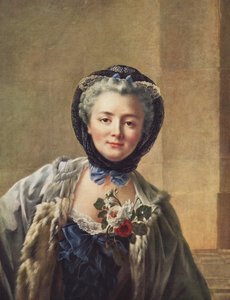
フランソワ・ユベール・ドゥルワ
1727 - 1775 , フランス
基本情報
- Artistic Movement Or Style: 絵画的、風景画
- Artists Or Movements Influenced By This Artist: ['オランダ風景画派']
- Artists Who Influenced This Artist:
- ヒューバート・グラヴォロ
- ジャン=アントワーヌ・ワトー
- Date Of Birth: 1727年5月14日
- Date Of Death: 1788年8月2日
- Full Name: トーマス・ゲインズボロー
- Nationality: イギリス人
- Notable Artworks:
- アンドリュー夫妻
- 青い少年
- 朝の散歩
- Place Of Birth: サドベリー、サフォーク、イングランド
関連記事

華麗なるロココ:芸術史を彩る10大傑作の世界
華麗なるロココ美術の世界へ。バロックから生まれた優雅な芸術、その10大傑作を徹底解説!ブーシェ、フロマンなど巨匠たちの技と物語を紐解き、お部屋を彩るアートを見つけよう。ArtsDot.comで至高の美術館品質レプリカとインテリアアイデアを発見。

The Rococo Aesthetic: Opulence, Rebellion & the Pursuit of Pleasure in 18th-Century Art
Explore the opulent world of Rococo art! Discover its origins, key artists like Watteau & Boucher, and lasting influence on design. Expert insights for collectors & enthusiasts.
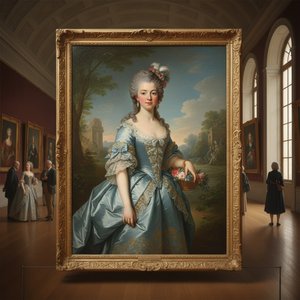
Jean-Marc Nattier: Rococo Portraiture & Aristocratic Patronage
Explore the exquisite Rococo portraits of Jean-Marc Nattier, favored by French aristocracy. Discover his artistic techniques, patronage network, and lasting legacy – a guide for discerning collectors.
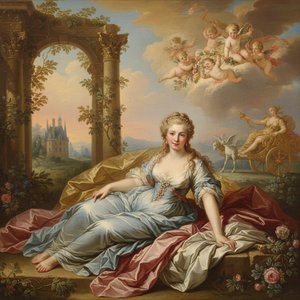
François Boucher: Rococo Master of Myth, Sensuality, and the French Court
Explore the captivating world of François Boucher, master of Rococo painting! Discover his iconic works, aristocratic patronage, and lasting influence on French art history. Learn more at ArtsDot.
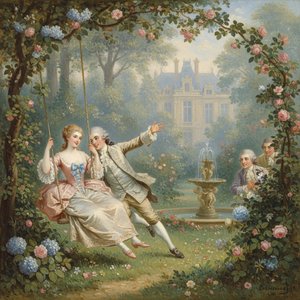
The Rococo Reverie of Fragonard: Love, Leisure & Pleasure in 18th-Century France
Explore the captivating world of Jean-Honoré Fragonard! Discover his Rococo masterpieces, intimate portraits & the allure of 18th-century French art. Learn about 'The Progress of Love' and more at ArtsDot.

