

 プレビュー
プレビュー
 プリントを購入
 シェアする
シェアする シェアする
シェアする
 詳細を見る
詳細を見る

 ダウンロード
 似ている作品
 X線調査
X線調査 スライドショー
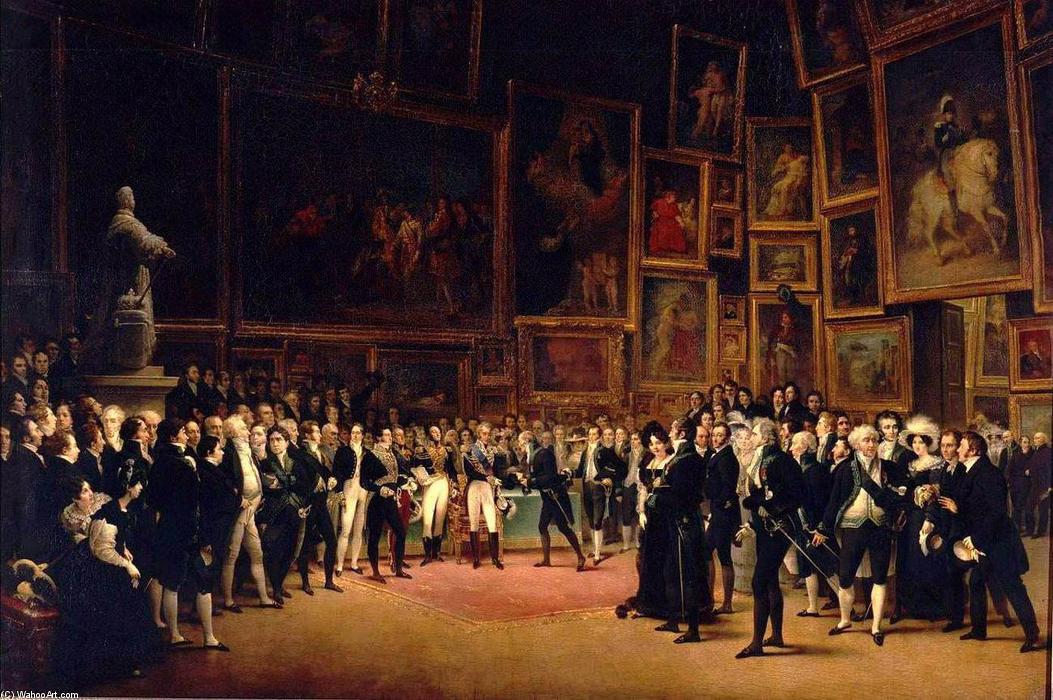
Charles V Distributing Awards to the Artists at the Close of the Salon of 1824
 Acrylic On Canvas
- WallArt
- Romantic History Painting
 1827
1827 173.0 x 256.0 cm
 ルーブル美術館
 詳細を見る
詳細を見る




P118B $10

P118H $10

P118W $10

P438Z $10

P508JH $12

P508YH $12

P805H $10

P805Z $10

P919BZ $10

P919G $10

P919XJ $10

P959ZH $10

P968JZ $12

W106C $8

W218G $10

W218JH $8

W218Y $10

W307PJ $10

W316G $10

W316PJ $8

W316Y $10

W398PJ $8

W4111J $10

W500HY $15

W500JH $15

W692G $12

W849H $8

W940BG $15

W953PJ $8




作品のオリジナル比率に合わせた、当店の規定サイズからお選びください。

特定のフレームやスペースに合わせて、ご希望のサイズをご入力いただけます。選択されたサイズが元の画像の比率と異なる場合、アートワークをトリミングするか、手描きで要素を追加して絵画を拡張いたします。デジタルモックアップ を制作し、制作開始前にご確認(承認)をいただきます。
画面上のプレビューは、実際のトリミングや拡張を正確に反映しているものではありません。最終的な構図は、モックアップによってのみ正確にご確認いただけます。
カスタムサイズもご利用いただけますが、元の比率を維持するためには、あらかじめ用意されたリストからサイズを選択することをお勧めいたします。
ご注文後、ArtsDot.com チームより詳細な指示をお送りするとともに、仕上がりイメージ(モックアップ)をご提供いたします。


 ガラスオプションは、110cm未満のサイズでのみご利用いただけます。

Charles V Distributing Awards to the Artists at the Close of the Salon of 1824
複製技法
複製画のサイズ
-


合計金額
$ 263
作品解説
A Royal Tableau: Charles V Distributing Awards at the Salon of 1824
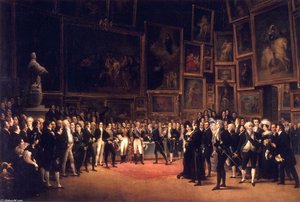
François Joseph Heim’s “Charles V Distributing Awards to the Artists at the Close of the Salon of 1824” is more than just a historical portrait; it's a meticulously crafted tableau vivant, a frozen moment brimming with courtly grandeur and subtle social commentary. Painted in 1827, this monumental canvas transports us to the opulent heart of post-revolutionary France, capturing the complex dynamics between monarchy, artistic patronage, and the burgeoning Romantic movement. The scene unfolds within a richly appointed chamber – details like the elaborate tapestries, the heavy velvet drapery, and the gleaming chandeliers all speak to the wealth and power of the Bourbon Restoration under King Charles X. Yet, beneath this veneer of regal splendor lies a carefully orchestrated narrative of recognition, obligation, and perhaps, a touch of veiled critique.The Scene Unfolds: Composition and Figures
At the center of the composition stands Charles X himself, depicted in the uniform of the National Guard – a deliberate choice that underscores his role as both sovereign and military leader. He’s not portrayed as a benevolent benefactor, however; rather, he's presented as an active participant in the distribution of honors, his hand outstretched to bestow medals upon the assembled artists. The arrangement is remarkably complex, a carefully constructed pyramid of figures. To his right, Ambroise-Polycarpe de La Rochefoucauld, the King’s official representative, extends his own hand, symbolizing the formal transfer of recognition. The artist, François Joseph Heim, masterfully captures the diverse expressions and postures of the assembled group – from the expectant gazes of the painters to the slightly awkward poses of the courtiers. Note the inclusion of Louis Nicolas Philippe Auguste de Forbin, the director of the Louvre, a key figure in managing the Salon’s operations and ensuring the King's satisfaction. The composition isn’t merely observational; it’s designed to convey a specific hierarchy and relationship between power and artistic merit.A Romantic Masterpiece: Technique and Style
Heim’s style is firmly rooted in the academic traditions of the 18th century, yet infused with the dramatic intensity characteristic of the Romantic era. His brushwork is remarkably detailed, particularly evident in the rendering of fabrics, textures, and the intricate folds of the clothing. The use of chiaroscuro – the interplay of light and shadow – creates a sense of depth and drama, drawing the viewer’s eye to key figures within the scene. The color palette is rich and warm, dominated by deep reds, golds, and browns, reflecting the opulence of the royal court. However, Heim subtly employs cooler tones in the background, creating a visual separation between the foreground action and the more distant figures. This technique enhances the sense of space and contributes to the overall feeling of grandeur. The painting’s scale – measuring 173 x 256 cm – further emphasizes its monumental quality, immersing the viewer within the scene.Symbolism and Context: Beyond a Royal Ceremony
The “Charles V Distributing Awards” is not simply a record of a formal event; it's laden with symbolic meaning. The act of awarding medals represents recognition for artistic achievement, but also highlights the King’s role as a patron of the arts – a crucial function in maintaining social stability and legitimizing his rule after the tumultuous years of the Revolution. The presence of numerous artists underscores the importance of art to the monarchy, while their varied expressions hint at the complex relationship between artist and court. The inclusion of figures like La Rochefoucauld and de Forbin suggests the administrative machinery that facilitated this patronage system. Furthermore, the painting can be interpreted as a subtle commentary on the limitations of artistic freedom within a restrictive political environment. While celebrating artistic talent, it also subtly acknowledges the constraints imposed by royal authority.A Legacy of Grandeur: Reproduction and Display
Today, “Charles V Distributing Awards to the Artists at the Close of the Salon of 1824” resides in the Louvre Museum, a testament to its enduring artistic merit. Reproductions offer an accessible way to experience the painting’s grandeur and complexity. When selecting a reproduction, consider the quality of the print – archival inks and high-resolution paper are essential for capturing the nuances of Heim's masterful brushwork. This artwork would be a stunning addition to any grand salon or study, evoking the atmosphere of 19th-century French courtly life while serving as a reminder of the enduring power of art and patronage.関連作品

アーティストの略歴
ロマン主義的先見者が放つ壮大さ
フランス美術史という壮大なタペストリーにおいて、フランソワ・ジョゼフ・エームは記念碑的な存在として君臨しています。彼はアカデミックな伝統の厳格な規律に深く根ざしながらも、ロマン主義時代特有の劇的な情熱をその身に宿していました。1787年、アルザス=ロレーヌ地方のベルフォールに生まれたエームの幼少期は、国境の変動やナポレオンの影響を受ける祖国の情勢とともに形作られました。彼の芸術への旅路は、デッサン(disegno)への深い心酔から始まり、ストラスブール中央学校での学びを通じてその情熱は育まれました。この地で彼は、後にパリの芸術界の中心へと彼を導くことになる類まれな才能を初めて現し、その後の全作品を定義づけることとなる技術的な精密さの礎を築いたのです。
エームのキャリアの軌跡を決定的に変えたのは、伝説的な画家ホラーース・ヴェルネとの出会いでした。この関係は単なる知人という枠を遥かに超え、深い絆と様式的な野心を共有する極めて重要な芸術的修行の場となりました。二人は共に、フランス新古典主義の競争的な情勢と、芽生えつつあったロマン主義の間を渡り歩きました。ヴェルネによる繊細な指導のもと、エームは物語画の技法を習得し、大規模な構図の中に、肌で感じられるほどの感情、空気感の深み、そして緻密な細部を吹き込む術を見出したのです。この師弟関係の期間は、パリ・サロンという厳しい審美眼にさらされる舞台に向けて、彼を準備させる上で不可欠なものでした。そこで古典的な構造と劇的な物語性を融合させる彼の能力は、まもなく国際的な名声をもたらすこととなります。
サロンでの勝利と歴史の習熟
フランスの権威ある芸術的階層におけるエームの躍進は、まさに流星のごとき速さでした。1807年の第2回サロンは、彼が公衆に華々しく紹介される舞台となり、その息を呑むような傑作『メソポタミアにおけるヤコブの到着』によって一等賞を獲得しました。影響力のあるヴィヴァン・ドノンから依頼されたこの記念碑的なキャンバスは、複雑な聖書の物語を、壮大なスケールと精神的な重厚感をもって描き出すエームの卓越した手腕を世に示しました。モーセがイスラエル人を率いて砂漠をゆく姿を描くことで、エームは当時の人々を魅了していた壮大な歴史的・宗教的主題を捉え、過去を伝える第一級の記録者としての地位を確立したのです。
彼の成功は単発的な出来事ではなく、持続的な卓越性の結実でした。1812年のサロンで授与された金メダルは、熟練した技法を通じて深遠な精神的真理を伝える彼独自の能力が認められたものであり、その名声をさらに強固なものにしました。彼の作品にはしばしば、次のような要素が見て取れます。
- 劇的な物語性:19世紀の公衆の想像力をかき立てる、聖書や歴史的年代記における決定的な瞬間への焦点。
- 技術的な精密さ:解剖学、光、そして質感というアカデミックな基準に対する揺るぎない献身。
- 感情的な共鳴:畏怖、悲劇、あるいは勝利の感情を呼び起こすための、空気感と構図の巧みな活用。
遺産と歴史的重要路
キャリアが進むにつれ、エームはフランス芸術界の定着した存在となり、批評家の知的な要求とコレクターの審美的な欲望の両方を満たす画家として知られるようになりました。名高い『聖ヨハネ』に代表される宗教的人物描写に見られる親密な表現力は、『ユダヤ人の虐殺』のような、より大規模で激動に満ちた歴史画の構図とは鮮やかな対照をなしていました。この多才さこそが、新古典主義の消えゆく残響とロマン主義の押し寄せる潮流との間で揺れ動いた、この世紀の移り変わる嗜好を彼が巧みに渡り歩くことを可能にしたのです。
究極的に、フランソワ・ジョゼフ・エームの重要性は、時代と時代を繋ぐ架け橋としての役割にあります。彼は単に流行に従ったのではなく、旧来の巨匠たちが持つ構造的な整合性と、同時代の画家たちが持つ感情的な強烈さを融合させたのです。壮大なサロン絵画や情緒豊かな肖像画を通じて、彼は19世紀フランスの視覚的言語を定義する一翼を担いました。その技術的な輝きと、鑑賞者を歴史の核心へと誘う深い力を持つ作品群は、今なお敬意を集め続けています。
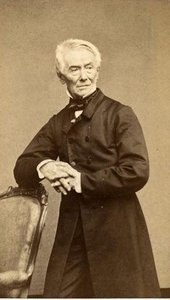
フランソワ・ジョゼフ・エーム
1787 - 1865 , フランス
基本情報
- Artistic Movement Or Style: アカデミック美術
- Artists Who Influenced This Artist: ['ヴァンサン']
- Date Of Birth: 1787年 フランス、ベルフォール
- Date Of Death: 1865年
- Full Name: フランソワ・ジョゼフ・エーム
- Nationality: フランス
- Notable Artworks:
- ローマ人によるエルサレムの略奪
- ヤコブに届けられたヨセフの血に染まった衣
- トロイアの陥落
- Place Of Birth: フランス、ベルフォール
関連記事
Secrets Beneath the Surface: How X-Rays Reveal the True Story of Masterpiece Paintings
Explore the hidden history of fine art through X-ray imaging. Discover how radiography reveals pentimento, secret layers, and the chemical alchemy of Old Master paintings, uncovering the untold stories beneath the surface of the world's most beloved masterpieces.
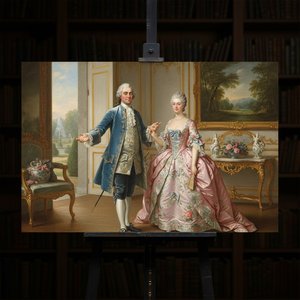
Charles-André van Loo: A Study in Rococo Portraiture & the French Court's Artistic Dynamics
Explore the elegant world of Charles-André van Loo, a master of Rococo portraiture at the French court. Discover his life, techniques, and enduring influence on 18th-century art. Hand-painted reproductions available.

Charles Fraser: A Life Immersed in Light and Landscape – Exploring the Scottish Colourist's Vision
Discover the captivating world of Charles Fraser (1782-1860), a leading American artist renowned for his serene landscapes and detailed portraits of Southern life. Explore his legacy & find museum-quality reproductions at ArtsDot.
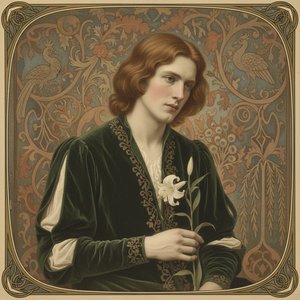
Charles Haslewood Shannon: A Study in Aestheticism, Symbolism & Fin-de-Siècle Portraiture
Explore the captivating portraits of Charles Haslewood Shannon, a leading figure of Aestheticism & Symbolism. Discover his classic style, influences, and lasting legacy in British art. View artworks & learn more.
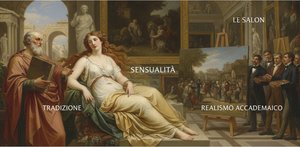
Alexandre Cabanel: Sensuality, Tradition & the Salon's Embrace of Academic Realism
Explore the captivating world of Alexandre Cabanel, master of French Academic painting. Discover his iconic works, Salon success & lasting influence on art history. High-quality reproductions available at ArtsDot.

