

 プレビュー
プレビュー
 プリントを購入
 シェアする
シェアする シェアする
シェアする
 詳細を見る
詳細を見る

 ダウンロード
 似ている作品
 X線調査
X線調査 スライドショー
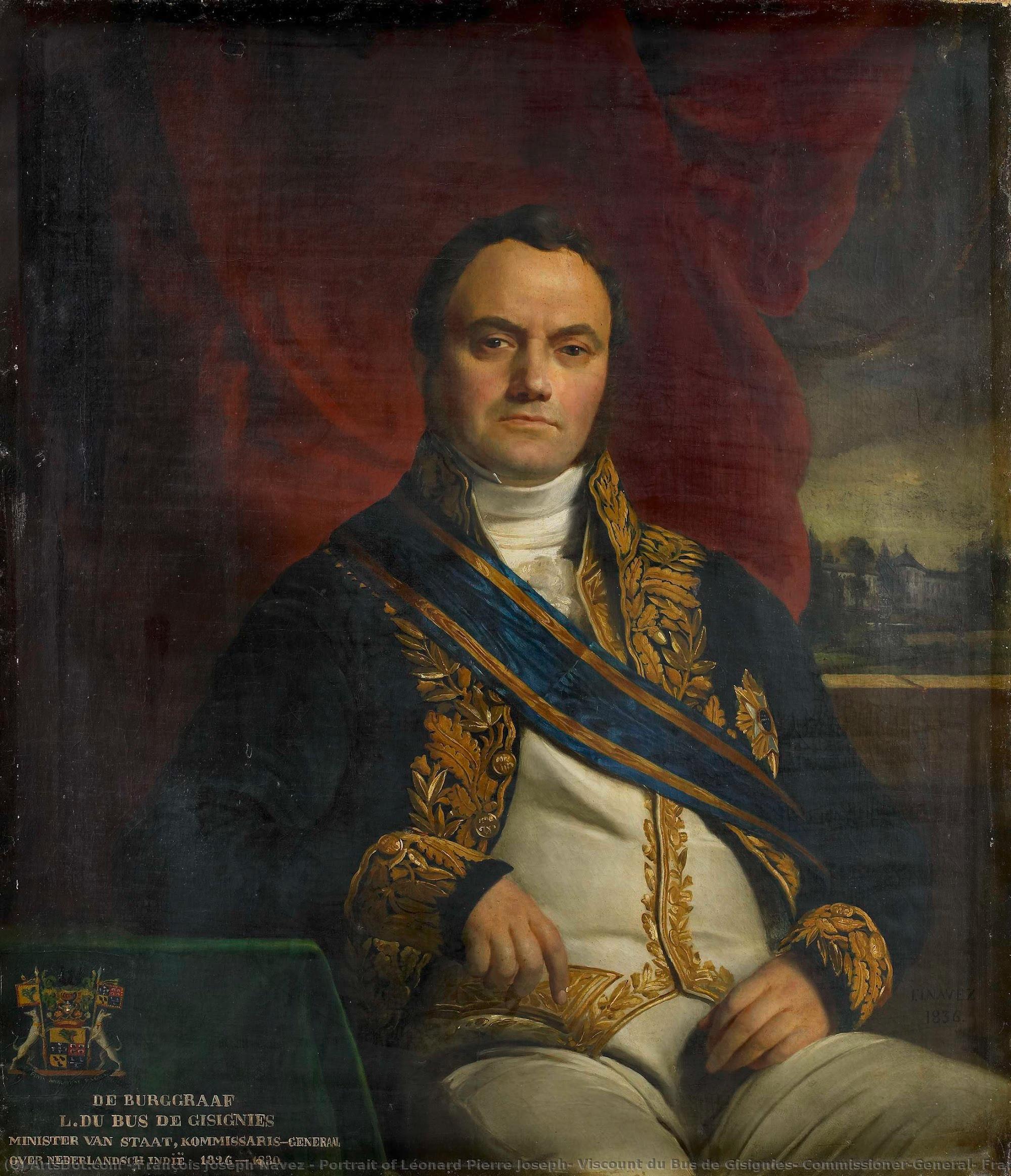
Portrait of Léonard Pierre Joseph, Viscount du Bus de Gisignies, Commissioner-General, François Joseph Navez, 1836
 Acrylic On Canvas
- WallArt
- Neoclassical Art
 1836
1836 114.0 x 98.0 cm
 詳細を見る
詳細を見る
オンラインプレビューをはるかに凌ぐ、高解像度で鮮明なデジタル画像をご購入いただけます。
各ファイルは、社内の専門家が高度なツールと熟練した手作業によるレタッチを用いて、細心の注意を払って準備されています。すべての画像において、卓越した鮮明度、正確な色彩再現性、そして繊細なディテールを保証いたします。
最終ファイルは、プロフェッショナルな編集・印刷環境ですぐにご利用いただけるよう最適化された状態で、72時間以内にメールにてお届けいたします。これは、一流のデザインスタジオ、出版社、ギャラリーから信頼されているものと同等の品質です。
デジタル画像のご注文に付随する特典
高品質なデジタル画像配信を、確かな品質で。
ArtsDot.com を選ぶことは、単に画像を手に入れることではありません。それは、プロの手によって精密に仕上げられ、満足保証が付いた高品質なデジタルアートワークを受け取ることを意味します。ご注文いただいた際に自動的に付随する内容は、以下の通りです:

メールですぐにお届け
ご注文から72時間以内に、高解像度のデジタル画像ファイルがメールでお手元に届きます。すぐにそのままご利用いただけます。

AI技術で最適化されたデジタルファイル
お客様の作品は、高度なAIツールと専門家による手作業の編集を組み合わせてプロフェッショナルに最適化されており、細部のディテール、鮮明さ、そして正確な色再現性を最大限に引き出しています。

一生涯無料の再送サービス
ファイルを誤って削除したり、紛失してしまったりしましたか?ご安心ください。いつでも無料で再送いたします。

輸入手数料は一切かかりません
関税や手数料、配送料を気にすることなく、お気に入りのアートワークをすぐにお楽しみいただけます。デジタルダウンロードは常に免税です。

色彩再現の保証
プロ仕様のツールとカラーマネジメント技術を用いることで、デジタル画像が元の色を最大限に忠実に再現することを保証いたします。

60日間満足保証
ご購入いただいたデジタル画像にご満足いただけない場合は、60日以内であれば、修正または100%の返金(理由を問う必要はありません)をさせていただきます。

100% 返金保証
ご満足いただけない場合は、デジタルファイルを受け取ってから60日以内であれば、理由を問わず全額返金いたします。

まとめ買い割引
3枚購入で10%OFF - 5枚購入で15%OFF - 10枚以上購入で20%OFF。クリエイティブなプロジェクト、ギャラリー、エージェンシーに最適です。
A Portrait of Governance: Léonard Pierre Burgrave du Bus de Gisignies
The portrait depicts Léonard Pierre Burgrave du Bus de Gisignies (1780-1849), a prominent figure in Dutch colonial administration during the reign of Willem I. Commissioned by Willem I himself, this artwork transcends mere representation; it embodies the ideals of Enlightenment governance and reflects the grandeur of the Dutch East Indies empire at its zenith. Painted in 1836 by François Joseph Navez, it stands as a testament to both artistic skill and political ambition.Neoclassical Style and Composition
Navez adhered rigorously to Neoclassical principles—a stylistic movement championed by Jacques-Louis David—characterized by idealized forms, balanced compositions, and subdued color palettes. The portrait’s pyramidal structure lends stability and formality, mirroring the hierarchical order of colonial society. Gisignies is seated in a chair draped with crimson velvet, symbolizing royal authority and prestige. His gaze directs towards the viewer with unwavering confidence, conveying an impression of dignity and intellectual prowess.Technique: Oil on Canvas – Precision and Detail
Navez employed oil paint on canvas—a technique favored by artists of his era—to achieve remarkable levels of detail and tonal nuance. Careful layering of glazes creates a luminous surface that captures the subtle textures of Gisignies’s clothing and facial features. The artist meticulously rendered the folds of his waistcoat, the sheen of his hair, and the delicate contours of his face, demonstrating mastery over chiaroscuro—the interplay between light and shadow—a cornerstone of Neoclassical painting.Historical Context: Willem I and Colonial Expansion
The portrait emerged during a period of intense colonial expansion for the Netherlands. Willem I sought to consolidate Dutch dominion over Southeast Asia, establishing Batavia (Jakarta) as the capital of the VOC’s territories. Gisignies served as Governor-General from 1826 to 1830, overseeing crucial administrative reforms aimed at strengthening the empire's economic and political clout. The inclusion of a landscape backdrop—a stylized depiction of the Dutch countryside—underscores the importance of domestic stability in supporting colonial endeavors.Symbolism: Velvet, Crimson, and Direct Gaze
The crimson velvet upholstery symbolizes royal power and wealth, reinforcing Gisignies’s position as a representative of the monarchy. The artist's deliberate placement of Gisignies’s gaze directly towards the viewer is laden with symbolic significance—representing authority, self-assurance, and engagement with the audience. This technique aligns perfectly with Neoclassical ideals of clarity and intellectual honesty, reflecting the Enlightenment’s emphasis on reason and virtue.Emotional Impact: Dignity and Confidence
Despite its formal aesthetic, the portrait possesses a palpable emotional resonance. Gisignies exudes an aura of dignity and confidence—qualities deemed essential for leadership during his time. The artist skillfully captures the statesman's inner composure, conveying an impression of unwavering resolve and intellectual conviction. Viewing this artwork evokes admiration for artistic excellence and appreciation for the historical legacy of Dutch colonialism—a complex narrative marked by both progress and exploitation.関連作品

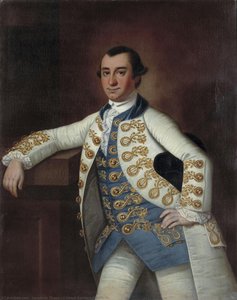
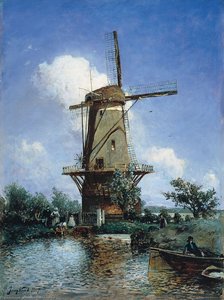
作家の略歴
フランソワ=ジョゼフ・ナヴェ:新古典主義芸術に捧げた生涯
幼少期と教育の歩み
- 誕生:1787年11月16日、ベルギー、シャルルロワ。
- ナヴェは恵まれた環境に生まれ、その特権的な背景によって、幼い頃から芸術への探求に全身全霊を捧げることができました。
- 1803年から1808年にかけて、ブリュッセルの王立美術アカデミーにてピエール・ジョゼフ・セレスタン・フランソワに師事し、正式な修行を開始しました。
- 1810年には「芸術愛好家協会(Société des amateurs d'arts)」を共同設立し、早くから芸術コミュニティの育成に情熱を注いでいました。
パリとローマ:影響とさらなる発展
- 1812年、ナヴェは歴史画部門で一等賞を受賞し、この栄誉が彼を芸術の都パリへと導くことになります。
- 決定的な影響:1813年から1816年にかけて、彼は新古典主義絵画の巨匠であるジャック=ルイ・ダヴィッドに師事しました。この師弟関係は、彼の作風と芸術的アプローチを決定づけるほど深い影響を与えました。
- その後、1817年から1822年にかけてローマへと渡り、そこでジャン=オーギュスト=ドミニク・アングロとの出会いを通じて、古典的な伝統の中での技術をさらに磨き上げました。
- イタリアで過ごした時間は、彼の作品の象徴となる、古典的な形態と主題に対する深い審美眼を彼の中に植え付けたのです。
キャリアと芸術的スタイル
- ベルギーへの帰国後、ナヴェは自身のスタジオを成功させ、才能溢れる肖像画家として瞬く間にその名を馳せました。
- 芸術の核心:彼の卓越した技量は、肖像画、歴史的場面、そして神話的な主題において発揮され、それらはすべて緻密な細部描写と優雅な構図によって描き出されました。
- そのスタイルは、形態の明晰さ、均衡のとれた構成、そして抑制された感情表現を特徴としており、これこそが新古典主義の真髄といえます。
- 彼は肖像画において、モデルの容貌のみならず、その内面的な性格までも捉える名人でした。
王立アカデミーにおける指導的役割
- ナヴェの影響力は、自身の創作活動に留まりませんでした。彼は1835年から1862年にかけて、ブリュッセルの王立美術アカデミックの学長を務めました。
- 教育への貢献:この重責において、彼は次世代のベルギー人芸術家たちを育成する上で極めて重要な役割を果たしました。
- 彼の教え子の中には、後に義理の息子となるジャン=フランソワ・ポルタエルや、ジャン・カロルスといった著名な画家たちが名を連ねています。
主要作品と不朽の遺産
- 代表作:彼の最も称賛される作品には、「無垢な人々の虐殺」、「ニンフのサルマキスとヘルマプロディトス」、「フォンディで糸を紡ぐ女たち」、そしてジャック=ルイ・ダヴィッドの肖像画などがあります。
- 彼の作品は現在も世界中の著名な美術館に収蔵されており、その永続的な芸術的価値を証明しています。
- 歴史的意義:ナヴェはベルギーの新古典主義絵画における先駆的な人物として君臨しています。彼は古典的な伝統と、19世紀に台頭しつつあったロマン主義的な傾向との架け橋となったのです。
- 1869年10月12日、ブリュッセルにてその生涯を閉じましたが、彼が遺した豊かな芸術的遺産は、今なお人々を魅了し、インスピレーションを与え続けています。
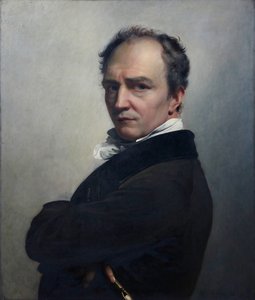
フランソワ=ジョゼフ・ナヴェ
1787 - 1869
プロフィール概要
- Birth Date: 1787年
- Birth Place: ベルギー、シャルルロワ
- Death Date: 1869年
- Influenced:
- ジャン=フランソワ・ポルタエルス
- ジャン・カロルス
- Influenced By: ジャック=ルイ・ダヴィッド
- Movement: 新古典主義
- Name: フランソワ=ジョセフ・ナヴェス
- Nationality: ベルギー
- Notable Works:
- 無垢な者たちの虐殺
- ニンフのサルマキスとヘルマプロディトス
- ジャック=ルイ・ダヴィッドの肖像

