

 プレビュー
プレビュー
 シェアする
シェアする シェアする
シェアする
 詳細を見る
詳細を見る

 ダウンロード
 似ている作品
 X線調査
X線調査 スライドショー
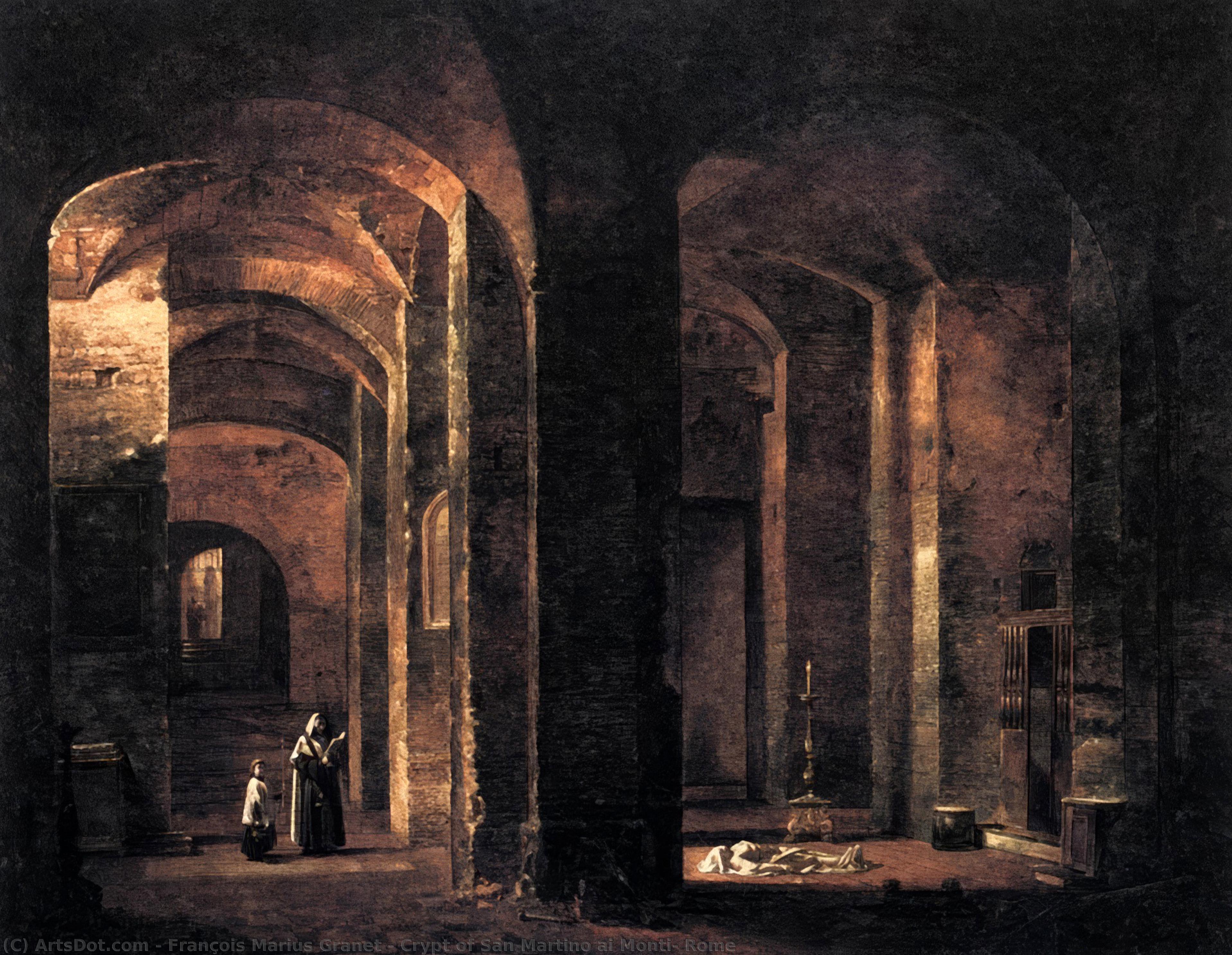
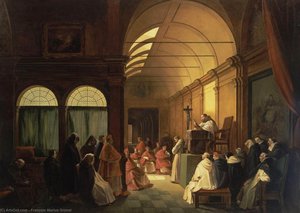
Crypt of San Martino ai Monti, Rome
 Oil On Canvas
- WallArt
- Romantic Revival
 1806
1806- 19th Century
 126.0 x 159.0 cm
 ミュゼ・ファーブル
 詳細を見る
詳細を見る
ジークレー/アートプリント
迅速な制作と多彩な仕上げオプションを備えた、ミュージアムクオリティのジークレーまたはキャンバスプリント。 ( 手描きの絵画を購入 画像を購入)




P118B $10

P118H $10

P118W $10

P438Z $10

P508JH $12

P508YH $12

P805H $10

P805Z $10

P919BZ $10

P919G $10

P919XJ $10

P959ZH $10

P968JZ $12

W106C $8

W218G $10

W218JH $8

W218Y $10

W307PJ $10

W316G $10

W316PJ $8

W316Y $10

W398PJ $8

W4111J $10

W500HY $15

W500JH $15

W692G $12

W849H $8

W940BG $15

W953PJ $8




作品のオリジナル比率に合わせた、当店の規定サイズからお選びください。

特定のフレームやスペースに合わせて、ご自身でサイズを指定することも可能です。選択されたサイズが元の画像の比率と一致しない場合、作品をトリミングするか、鏡面反射または単色での塗りつぶしによって画像を拡張いたします。制作を開始する前に、ご確認用のデジタルモックアップをお送りいたします。
画面上のプレビューには、実際のトリミングや拡張は反映されませんのでご注意ください。最終的な構図を正確に確認できるのは、モックアップのみとなります。
カスタムサイズも承っておりますが、元の比率を維持するためには、あらかじめ用意されたリストからサイズを選択することをお勧めいたします。


 ガラスオプションは、110cm未満のサイズでのみご利用いただけます。

Crypt of San Martino ai Monti, Rome
ジークレー/アートプリント
複製画のサイズ
-


合計金額
$ 62
A Descent into Devotion: The Soul of San Martino ai Monti
In the quiet, subterranean depths of Rome, where the air grows heavy with the scent of ancient stone and whispered prayers, François Marius Granet captured a moment of profound spiritual stillness. His 1806 masterpiece, Crypt of San Martino ai Monti, is far more than a mere architectural study; it is an invitation into a sacred sanctuary. As one gazes upon this canvas, the boundaries between the viewer and the Roman crypt begin to dissolve, replaced by a palpable sense of reverence. The painting transports us to a time when the shadows of the Napoleonic era were receding, giving way to a fervent artistic revival that sought beauty in the sublime and the eternal.
The subject matter centers on the interior of the San Martino ai Monti church, specifically focusing on its crypt—a space designed for solemnity and the housing of holy relics. Within this dim, arched chamber, Granet places figures that appear almost as ghosts of devotion, their presence lending a human scale to the overwhelming architectural grandeur. The composition guides the eye through a labyrinth of pillars and vaults, creating a sense of depth that pulls the observer into the very heart of the earth. It is a scene that celebrates the quiet power of contemplation, making it an ideal centerpiece for any collection seeking to evoke peace and intellectual depth.
The Mastery of Light and Romantic Shadow
Technically, Granet achieves a breathtaking balance between his Neoclassical training and the burgeoning Romantic movement. While his precision in rendering the structural elements of the crypt speaks to the rigorous discipline he learned under Jacques-Louis David, it is his use of chiaroscuro that truly defines the work's emotional resonance. He employs dramatic contrasts between deep, impenetrable shadows and sudden, piercing light to illuminate the figures and the textures of the stone. This interplay of light does not merely reveal form; it creates an atmosphere of mystery and intrigue, suggesting that much of the sacred truth remains hidden in the darkness.
The artist’s technique is further enriched by a meticulous application of oil on canvas. Granet utilized thick impasto to build up the surfaces, allowing the light to catch on the physical ridges of the paint. This tactile quality gives the architectural details—the weathered edges of the pillars and the ruggedness of the subterranean walls—a lifelike, three-dimensional presence. For the discerning collector or interior designer, this texture provides a sophisticated visual weight, ensuring that a high-quality reproduction retains the commanding presence and "soul" of the original masterpiece.
An Eternal Resonance for Modern Spaces
Beyond its historical significance, the Crypt of San Martino ai Monti serves as a profound symbol of the human search for meaning amidst the passage of time. The painting captures the tension between the permanence of stone and the fleeting nature of human life, represented by the small, contemplative figures within the vast space. It is an artwork that speaks to the enduring strength of faith and the beauty found in solitude.
For those looking to curate a space of distinction, this piece offers unparalleled versatility. Whether placed in a grand library, a formal study, or a contemporary living area, its moody palette and dramatic composition act as a focal point that commands attention without overwhelming the room. It provides a window into a bygone era of Romanticism, offering a sense of historical continuity and an emotional anchor that can transform any interior into a sanctuary of thought and elegance.
関連作品

アーティストの略歴
幼少期と芸術への第一歩
1775年12月17日、フランスのエクス=アン=プロヴァンスに生まれたフランソワ・マリウス・グラネは、慎ましい家庭に生を受けました。彼の父は控えめな建築業者であり、その生活は、後に息子を情熱の渦へと引き込む芸術の世界とはかけ離れたものでした。しかし、幼い頃からグラネには強烈な芸術的衝動が宿っており、両親はその才能を見込んで師を求めました。最初は通りすがりのイタリア人画家から、次いで尊敬を集める風景画家コンスタンタン氏が主宰する無料の学校へと導かれたのです。この初期の経験が彼の将来の礎となりましたが、彼の芸術的ヴィジョンを決定づけたのは、激動のフランス革命期における体験でした。1793年、グラネはトゥーロン包囲戦において、兵士としてではなく、兵器廠の装飾師としてエクス義勇軍に加わりました。この時期に培われた実用的な技術と、紛争の現実を目の当たりにした経験は、後の作品の底流に静かに漂うテーマとなりました。そして、若きフォルビン伯爵との運命的な出会いが、彼の人生を大きく変えることになります。伯爵の誘いを受け、1797年、グラネはパリへと旅立ち、ジャック=ルイ・ダヴィッドという名声高き巨匠のスタジオへと足を踏み入れたのです。ダヴィッドの工房とカプチン修道院
当初、グラネはダヴィッドの厳格な新古典主義様式に影響を受けていましたが、やがて彼は独自の道を切り拓き始めます。彼はかつて革命期の紙幣(アッシニア)の印刷所として使われていた、芸術家たちの隠れ家とも言える旧カプチン修道院の一室を拠点としました。古びた回廊に揺らめく光と影の戯れの中で、グラネは自身の生涯を決定づける傑作、「カプチン修道院の聖歌隊」を着想したのです。彼はこの作品に対して揺るぎない献身を捧げ、数十年にわたり、幾度となく描き直し、洗練させていきました。修道院は単なるアトリエ以上の存在となりました。そこは彼の芸術的感性に深い影響を与えた環境そのものだったのです。壮大な歴史物語やエリートの肖像画に没頭した当時の多くの同時代人とは異なり、グラ索は修道院生活の静かな厳粛さの中に美と意味を見出し、建築、光、そして人の存在が織りなす相互作用を探求しました。この探求は単なる審美的な追求にとどまらず、精神性や時の経過に対する深い関心を反映したものでした。ローマ時代とトナリズムの発展
1802年、グラネは芸術的成熟において極めて重要な時期となる、長期にわたるローマ滞在へと出発します。彼は1819年までその地に留まり、都市の古典的な遺産に身を浸し、その壮大さと衰退が混ざり合う独特の空気を吸収していきました。この年月を経て、彼は自身の代名詞となる「トナリズム(色調主義)」を完成させました。それは、緻密な細部よりも、光と影の繊細な階調を重視し、大気の効果を強調する技法です。「囚人の壁にマドンナを描くステラ」(1810年)や「病院におけるソドマ」(1815年)といったローマ時代の作品には、この進化し続けるアプローチが鮮明に表れています。彼は歴史的事実を写真のような正確さで再現することには関心がありませんでした。むしろ、緻密に構成された色調と構図を通じて、場面が持つ感情的な響きを捉えようとしたのです。彼の作品に登場する人物たちは、しばしば建築的な背景と一体化しており、まるで周囲の石や漆喰の延長であるかのように見えます。この色調へのこだわりこそが彼の署名となり、同時代の他の画家たちから彼を際立たせるものとなったのです。後年の活動と遺産
1819年にパリへ戻った後も、グラネは独自のスタイルを磨き続け、「サン・フランチェスコ・ダッシジ聖堂」(1823年)や「囚人の贖罪」(1831年)といった重要な連作を生み出しました。1829年にはローマのアカデミー・ド・フランスのディレクターに任命され、その名声が高まっていたことが証明されました。彼の絵画は一貫して、物語の明快さよりも、雰囲気と感情的な深みを優先させました。「プッサンの死」(1834年)のような歴史的あるいは宗教的な主題を扱った作品でさえ、色調の効果や建築的空間を探求するための好機として捉えられていたのです。この色調への執着は、時に批判を浴びることもありました。劇的な強さに欠けると評する者もいましたが、彼は自らの芸術的ヴィジョンを貫き通しました。彼は、情緒を創り出し、静かな瞑想のひとときを呼び起こす達人だったのです。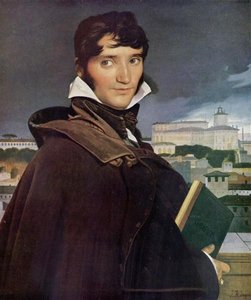
フランソワ・マリュス・グラネ
1775 - 1849
基本情報
- Artistic Movement Or Style: トナリズム(色調主義)
- Artists Who Influenced This Artist: ['ダヴィッド']
- Date Of Birth: 1775年12月17日
- Date Of Death: 1849年
- Full Name: フランソワ・マリウス・グラネ
- Nationality: フランス
- Notable Artworks:
- カプチン会の聖歌隊
- マドンナを描くステラ
- 病院のソドマ
- 囚人の贖い
- プッサンの死
- Place Of Birth: フランス、エクス=アン=プロヴァンス
関連記事

Baroque Classicism: Reconciling Drama & Order in 17th-Century Art
Explore the captivating world of Baroque Classicism! Discover its history, key artists like Caravaggio & Rubens, and defining characteristics. Expert insights & high-quality reproductions at ArtsDot.
Simon Vouet: A Baroque Master's Journey from Italian Influence to French Classicism
Explore the life & art of Simon Vouet, a pivotal French Baroque painter who introduced Italian styles to France. Discover his masterpieces and lasting influence on 17th-century art.
Guido Reni: A Study in Baroque Classicism & Artistic Perfection
Explore the life & work of Guido Reni, a master of Baroque classicism. Discover his iconic religious & mythological paintings, and understand his enduring influence on art history. Expert analysis for collectors.

The Visceral Stage: Exploring Dramatic Narratives & Emotional Intensity in Baroque Art
Explore the dramatic world of Baroque art! Discover iconic masters like Caravaggio & Rembrandt, their techniques, and the movement's lasting impact. Expert insights for collectors & enthusiasts at ArtsDot.

バロック美術を極めた至宝:時代を彩る10大名作の世界
バロック美術の華!カラヴァッジョ、ベルニーニら巨匠が創り上げた10大名作を徹底解剖。ドラマチックな色彩と豪華絢爛の世界観に触れ、至宝のアートプリントで空間を彩ろう。ArtsDot.comで美術館品質の複製と洗練されたインテリアを見つけましょう!

