

 プレビュー
プレビュー
 プリントを購入
 シェアする
シェアする シェアする
シェアする
 詳細を見る
詳細を見る

 ダウンロード
 似ている作品
 X線調査
X線調査 スライドショー
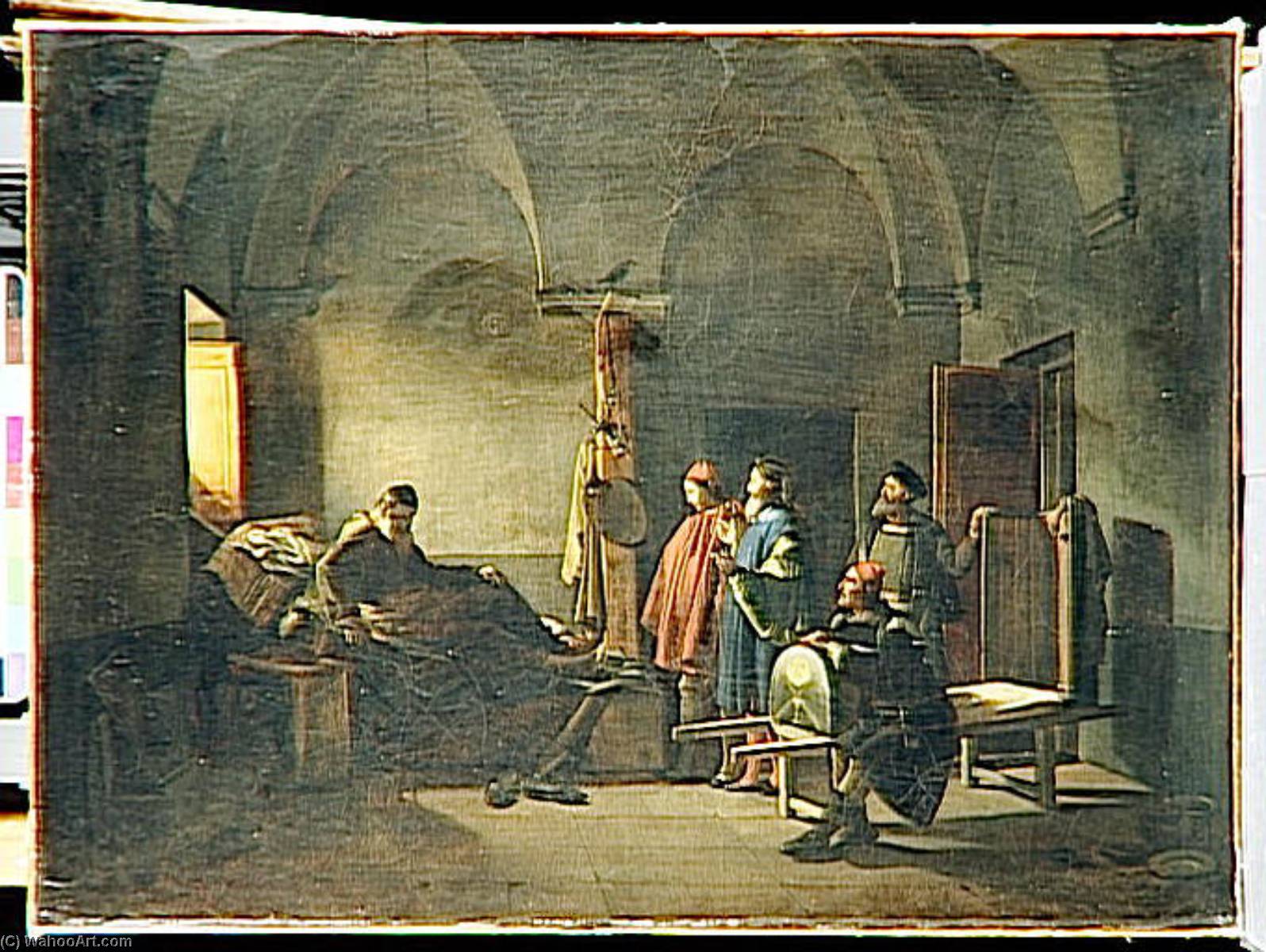
LE PEINTRE SODOMA PORTE A L'HOPITAL


 詳細を見る
詳細を見る




P118B $10

P118H $10

P118W $10

P438Z $10

P508JH $12

P508YH $12

P805H $10

P805Z $10

P919BZ $10

P919G $10

P919XJ $10

P959ZH $10

P968JZ $12

W106C $8

W218G $10

W218JH $8

W218Y $10

W307PJ $10

W316G $10

W316PJ $8

W316Y $10

W398PJ $8

W4111J $10

W500HY $15

W500JH $15

W692G $12

W849H $8

W940BG $15

W953PJ $8




作品のオリジナル比率に合わせた、当店の規定サイズからお選びください。

特定のフレームやスペースに合わせて、ご希望のサイズをご入力いただけます。選択されたサイズが元の画像の比率と異なる場合、アートワークをトリミングするか、手描きで要素を追加して絵画を拡張いたします。デジタルモックアップ を制作し、制作開始前にご確認(承認)をいただきます。
画面上のプレビューは、実際のトリミングや拡張を正確に反映しているものではありません。最終的な構図は、モックアップによってのみ正確にご確認いただけます。
カスタムサイズもご利用いただけますが、元の比率を維持するためには、あらかじめ用意されたリストからサイズを選択することをお勧めいたします。
ご注文後、ArtsDot.com チームより詳細な指示をお送りするとともに、仕上がりイメージ(モックアップ)をご提供いたします。


 ガラスオプションは、110cm未満のサイズでのみご利用いただけます。

LE PEINTRE SODOMA PORTE A L'HOPITAL
複製技法
複製画のサイズ
-


合計金額
$ 413
A Glimpse into Parisian Vice: François Marius Granet’s “Le Peintre Sodoma”
François Marius Granet's "Le Peintre Sodoma porté à l'hôpital" (The Painter Sodoma Brought to the Hospital) is not merely a painting; it’s a visceral plunge into the heart of 19th-century Parisian society, a scene brimming with decadence, intrigue, and a subtle critique of moral decay. Completed in 1815, this monumental work, now residing within the hallowed halls of the Louvre Museum, offers a captivating glimpse into a world of lavish indulgence and shadowed secrets – a world embodied by the figure of Sodoma himself, a notorious libertine and artist of the late Baroque era.
Granet, born in Aix-en-Provence in 1775, honed his skills under the tutelage of Antoine-Jean Dizier, a student of David. However, it was his time spent studying with the influential French painter, Jean-Baptiste Regnault, that profoundly shaped his artistic vision and led him to embrace a darker, more dramatic style. “Le Peintre Sodoma” exemplifies this shift – moving away from the idealized forms of Neoclassicism towards a Romantic sensibility characterized by heightened emotion, intense light and shadow, and a keen interest in portraying the complexities of human nature.
A Dramatic Composition: Light, Shadow, and Human Drama
The painting’s composition is immediately arresting. A dimly lit interior, likely a tavern or public space, dominates the scene, shrouded in a pervasive gloom punctuated by dramatic shafts of light. These beams illuminate a cluster of figures engaged in various activities – drinking, gambling, conversing, and perhaps even engaging in illicit affairs. The central group, centered around a table laden with wine and dice, is rendered with remarkable detail, capturing their expressions of intoxication, greed, and veiled desire. Notice the careful use of perspective; the room feels both expansive and claustrophobic simultaneously, drawing the viewer into this chaotic tableau.
Granet masterfully employs chiaroscuro – the dramatic contrast between light and shadow – to heighten the emotional impact of the scene. The deep shadows conceal secrets and suggest hidden transgressions, while the bright highlights draw attention to key figures and gestures. This technique not only creates a sense of realism but also imbues the painting with an atmosphere of suspense and intrigue. The artist’s brushstrokes are visible, adding texture and dynamism to the composition – a testament to his direct approach to painting.
Symbolism and Historical Context
The title itself is laden with symbolic weight. Sodoma, a figure from the Bible known for his alleged immorality and lavish lifestyle, represents the excesses of the aristocracy and the moral failings of society. Granet’s choice to depict him as a painter – a profession often associated with creativity and artistic license – suggests a critique of the role of art in perpetuating or reflecting societal decadence. The scene is not simply a depiction of tavern life; it's an allegory for the corruption and moral ambiguity that permeated Parisian society during the Restoration period.
The painting’s creation coincided with a time of significant social and political upheaval in France following the Napoleonic Wars. The Bourbon monarchy was attempting to reassert its authority, but beneath the surface lay widespread discontent and economic hardship. Granet's work reflects this atmosphere of uncertainty and moral questioning, capturing the anxieties and contradictions of the era.
A Masterpiece of Romantic Drama
"Le Peintre Sodoma porté à l'hôpital" is a powerful testament to Granet’s artistic skill and his ability to capture the essence of human experience. It’s a painting that invites contemplation, prompting viewers to consider the complexities of morality, the allure of pleasure, and the enduring power of art to both reflect and shape society. The work’s rich colors, dramatic lighting, and compelling composition combine to create an unforgettable visual experience – a timeless depiction of Parisian vice and a poignant commentary on the human condition.
Reproductions of this iconic painting offer a remarkable opportunity to bring its captivating drama into any setting, adding a touch of historical intrigue and artistic sophistication to your home or office.
関連作品



アーティストの略歴
幼少期と芸術への第一歩
1775年12月17日、フランスのエクス=アン=プロヴァンスに生まれたフランソワ・マリウス・グラネは、慎ましい家庭に生を受けました。彼の父は控えめな建築業者であり、その生活は、後に息子を情熱の渦へと引き込む芸術の世界とはかけ離れたものでした。しかし、幼い頃からグラネには強烈な芸術的衝動が宿っており、両親はその才能を見込んで師を求めました。最初は通りすがりのイタリア人画家から、次いで尊敬を集める風景画家コンスタンタン氏が主宰する無料の学校へと導かれたのです。この初期の経験が彼の将来の礎となりましたが、彼の芸術的ヴィジョンを決定づけたのは、激動のフランス革命期における体験でした。1793年、グラネはトゥーロン包囲戦において、兵士としてではなく、兵器廠の装飾師としてエクス義勇軍に加わりました。この時期に培われた実用的な技術と、紛争の現実を目の当たりにした経験は、後の作品の底流に静かに漂うテーマとなりました。そして、若きフォルビン伯爵との運命的な出会いが、彼の人生を大きく変えることになります。伯爵の誘いを受け、1797年、グラネはパリへと旅立ち、ジャック=ルイ・ダヴィッドという名声高き巨匠のスタジオへと足を踏み入れたのです。ダヴィッドの工房とカプチン修道院
当初、グラネはダヴィッドの厳格な新古典主義様式に影響を受けていましたが、やがて彼は独自の道を切り拓き始めます。彼はかつて革命期の紙幣(アッシニア)の印刷所として使われていた、芸術家たちの隠れ家とも言える旧カプチン修道院の一室を拠点としました。古びた回廊に揺らめく光と影の戯れの中で、グラネは自身の生涯を決定づける傑作、「カプチン修道院の聖歌隊」を着想したのです。彼はこの作品に対して揺るぎない献身を捧げ、数十年にわたり、幾度となく描き直し、洗練させていきました。修道院は単なるアトリエ以上の存在となりました。そこは彼の芸術的感性に深い影響を与えた環境そのものだったのです。壮大な歴史物語やエリートの肖像画に没頭した当時の多くの同時代人とは異なり、グラ索は修道院生活の静かな厳粛さの中に美と意味を見出し、建築、光、そして人の存在が織りなす相互作用を探求しました。この探求は単なる審美的な追求にとどまらず、精神性や時の経過に対する深い関心を反映したものでした。ローマ時代とトナリズムの発展
1802年、グラネは芸術的成熟において極めて重要な時期となる、長期にわたるローマ滞在へと出発します。彼は1819年までその地に留まり、都市の古典的な遺産に身を浸し、その壮大さと衰退が混ざり合う独特の空気を吸収していきました。この年月を経て、彼は自身の代名詞となる「トナリズム(色調主義)」を完成させました。それは、緻密な細部よりも、光と影の繊細な階調を重視し、大気の効果を強調する技法です。「囚人の壁にマドンナを描くステラ」(1810年)や「病院におけるソドマ」(1815年)といったローマ時代の作品には、この進化し続けるアプローチが鮮明に表れています。彼は歴史的事実を写真のような正確さで再現することには関心がありませんでした。むしろ、緻密に構成された色調と構図を通じて、場面が持つ感情的な響きを捉えようとしたのです。彼の作品に登場する人物たちは、しばしば建築的な背景と一体化しており、まるで周囲の石や漆喰の延長であるかのように見えます。この色調へのこだわりこそが彼の署名となり、同時代の他の画家たちから彼を際立たせるものとなったのです。後年の活動と遺産
1819年にパリへ戻った後も、グラネは独自のスタイルを磨き続け、「サン・フランチェスコ・ダッシジ聖堂」(1823年)や「囚人の贖罪」(1831年)といった重要な連作を生み出しました。1829年にはローマのアカデミー・ド・フランスのディレクターに任命され、その名声が高まっていたことが証明されました。彼の絵画は一貫して、物語の明快さよりも、雰囲気と感情的な深みを優先させました。「プッサンの死」(1834年)のような歴史的あるいは宗教的な主題を扱った作品でさえ、色調の効果や建築的空間を探求するための好機として捉えられていたのです。この色調への執着は、時に批判を浴びることもありました。劇的な強さに欠けると評する者もいましたが、彼は自らの芸術的ヴィジョンを貫き通しました。彼は、情緒を創り出し、静かな瞑想のひとときを呼び起こす達人だったのです。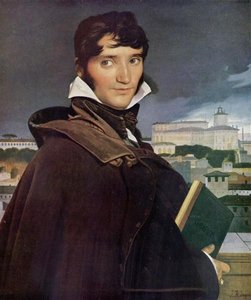
フランソワ・マリュス・グラネ
1775 - 1849
基本情報
- Artistic Movement Or Style: トナリズム(色調主義)
- Artists Who Influenced This Artist: ['ダヴィッド']
- Date Of Birth: 1775年12月17日
- Date Of Death: 1849年
- Full Name: フランソワ・マリウス・グラネ
- Nationality: フランス
- Notable Artworks:
- カプチン会の聖歌隊
- マドンナを描くステラ
- 病院のソドマ
- 囚人の贖い
- プッサンの死
- Place Of Birth: フランス、エクス=アン=プロヴァンス
関連記事

バロックのドラマ:現代のインテリアに壮麗さと情感を取り込む
バロック様式の歴史、絵画、家具の魅力をご紹介。ArtsDotでは、高品質な油絵複製やカスタムポートレートをご提供し、現代のインテリアに壮麗さと情感を取り入れます。アートコンサルテーションも承ります。

バロック美術を極めた至宝:時代を彩る10大名作の世界
バロック美術の華!カラヴァッジョ、ベルニーニら巨匠が創り上げた10大名作を徹底解剖。ドラマチックな色彩と豪華絢爛の世界観に触れ、至宝のアートプリントで空間を彩ろう。ArtsDot.comで美術館品質の複製と洗練されたインテリアを見つけましょう!

The Dramatic Flourish: Exploring the Baroque Movement's Enduring Legacy in Art History
Explore the dramatic world of Baroque art! Discover iconic artists like Caravaggio & Rubens, defining techniques, and its lasting impact on art history. Expert insights for collectors & enthusiasts at ArtsDot.

The Visceral Stage: Exploring Dramatic Narratives & Emotional Intensity in Baroque Art
Explore the dramatic world of Baroque art! Discover iconic masters like Caravaggio & Rembrandt, their techniques, and the movement's lasting impact. Expert insights for collectors & enthusiasts at ArtsDot.
Decoding Baroque Grandeur: A Guide to the Drama and Emotion of 17th-Century Art
Explore the breathtaking drama of 17th-century Baroque art. Our expert guide decodes the use of chiaroscuro, emotional intensity, and historical grandeur to help you appreciate and curate timeless masterpieces for your collection.

