

 プレビュー
プレビュー
 プリントを購入
 シェアする
シェアする シェアする
シェアする
 詳細を見る
詳細を見る

 ダウンロード
 似ている作品
 X線調査
X線調査 スライドショー
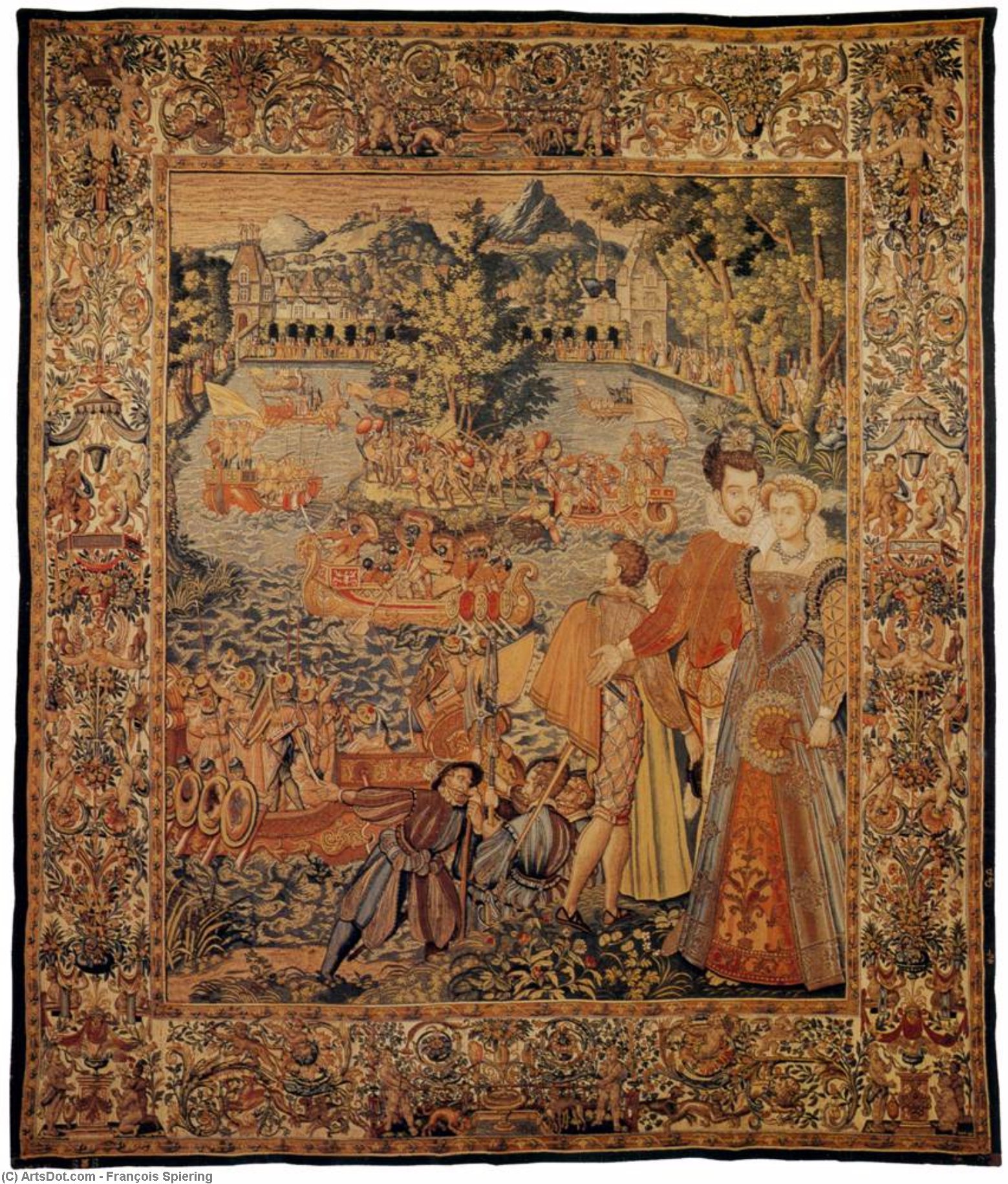
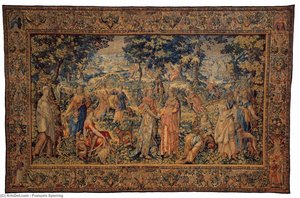
ヴァロワのタペストリー:水の祭り
 キャンバスにアクリル絵具
- ウォールアート
- Northern Renaissance
 1582
1582 403.0 x 339.0 cm
 ウフィツィ美術館
 詳細を見る
詳細を見る
オンラインプレビューをはるかに凌ぐ、高解像度で鮮明なデジタル画像をご購入いただけます。
各ファイルは、社内の専門家が高度なツールと熟練した手作業によるレタッチを用いて、細心の注意を払って準備されています。すべての画像において、卓越した鮮明度、正確な色彩再現性、そして繊細なディテールを保証いたします。
最終ファイルは、プロフェッショナルな編集・印刷環境ですぐにご利用いただけるよう最適化された状態で、72時間以内にメールにてお届けいたします。これは、一流のデザインスタジオ、出版社、ギャラリーから信頼されているものと同等の品質です。
デジタル画像のご注文に付随する特典
高品質なデジタル画像配信を、確かな品質で。
ArtsDot.com を選ぶことは、単に画像を手に入れることではありません。それは、プロの手によって精密に仕上げられ、満足保証が付いた高品質なデジタルアートワークを受け取ることを意味します。ご注文いただいた際に自動的に付随する内容は、以下の通りです:

メールですぐにお届け
ご注文から72時間以内に、高解像度のデジタル画像ファイルがメールでお手元に届きます。すぐにそのままご利用いただけます。

AI技術で最適化されたデジタルファイル
お客様の作品は、高度なAIツールと専門家による手作業の編集を組み合わせてプロフェッショナルに最適化されており、細部のディテール、鮮明さ、そして正確な色再現性を最大限に引き出しています。

一生涯無料の再送サービス
ファイルを誤って削除したり、紛失してしまったりしましたか?ご安心ください。いつでも無料で再送いたします。

輸入手数料は一切かかりません
関税や手数料、配送料を気にすることなく、お気に入りのアートワークをすぐにお楽しみいただけます。デジタルダウンロードは常に免税です。

色彩再現の保証
プロ仕様のツールとカラーマネジメント技術を用いることで、デジタル画像が元の色を最大限に忠実に再現することを保証いたします。

60日間満足保証
ご購入いただいたデジタル画像にご満足いただけない場合は、60日以内であれば、修正または100%の返金(理由を問う必要はありません)をさせていただきます。

100% 返金保証
ご満足いただけない場合は、デジタルファイルを受け取ってから60日以内であれば、理由を問わず全額返金いたします。

まとめ買い割引
3枚購入で10%OFF - 5枚購入で15%OFF - 10枚以上購入で20%OFF。クリエイティブなプロジェクト、ギャラリー、エージェンシーに最適です。
作品の詳細
フランス・スパイリングのヴァロワ織物:水の祭典
フランス・スパイリングの「ヴァロワ織物:水の祭典」は、16世紀末のフランス王室における華やかな祝賀や盛事を描いた傑作であり、その鮮やかな色彩と劇的な構図は当時の美術界に大きな衝撃を与えました。この絵画は、広大な水面を背景に多くの人々が様々な活動に参加する様子を捉えています。特に印象的なのは、巨大な象を使った祭典シーンで、豪華絢爛な衣装や動きのある人物たちが織りなす情熱的な表現です。 スパイリングの作品は、アントワープを中心に活躍したフランドルの画家であり、彼のスタイルは他の画家とは異なり、ドラマチックな構図と緻密な描写によって特徴づけられます。彼は特に聖書に基づいた劇的なビジョンを描くことで知られ、フォントボナールやシャルブルイなどの美術館でその作品は今もなお多くの人々を魅了しています。彼の絵画技法は、当時の織物産業に大きな影響を与え、特に豪華な絨毯の制作において優れた技術と創造性を発揮しました。「ヴァロワ織物」はまさにその技術的卓越性と芸術的な表現力の結晶と言えるでしょう。 この作品が生まれた背景には、フランス王室における政治的な情勢がありました。カテリーナ・デメディシ女王は、愛する孫クリスティンを結婚させるためにイタリアへ赴いた際、彼女にこれらの織物を贈りました。これは当時のフランス王室の権威と美意識を示すものであり、スパイリングの作品が持つ歴史的意義を深く理解することができます。織物産業は当時ヨーロッパにおいて重要な役割を果たしており、画家たちはその美しいパターンや技法にインスピレーションを受けました。この絵画は単なる風景画ではなく、当時の社会情勢と芸術文化が融合した貴重な遺産です。 さらに、「ヴァロワ織物」の象徴的な意味合いにも注目してみましょう。水の祭典は、生命力と豊穣を象徴しており、特に象は仏教における智慧と慈愛を表します。この絵画に登場する象は、単なる動物ではなく、信仰と希望のシンボルとして見るべきです。スパイリングの作品は、その美しい色彩とドラマチックな構図によって見る人に感動を与え、歴史的な背景と宗教的な意味合いを同時に表現しています。これはまさに芸術家が持ち合わせた卓越した技術と深い思想が融合した傑作と言えるでしょう。 この絵画は現在、フォントボナール美術館やシャルブルイ美術館で展示されており、多くの人々がその美しさを堪能することができます。「ヴァロワ織物:水の祭典」はフランス美術史における重要な作品であり、スパイリングの芸術家としての功績を称えるとともに、当時の社会文化と宗教的な価値観を伝える貴重な遺産です。この絵画を通して、私たちは過去の芸術家の創造性と情熱を感じることができるでしょう。関連作品

作家の略歴
François Spiering: Master of Dramatic Biblical Visions
Born in Flanders, Belgium, around 1549 and passing away in 1631, François Spiering remains a captivating figure within the history of Northern Renaissance art. While often overshadowed by his contemporaries, Spiering’s distinctive style – characterized by dramatic compositions, meticulous detail, and a masterful command of color – secured him a prominent place as a leading painter of biblical scenes and portraits during his time. His legacy is particularly evident in the collections of institutions like Fontainebleau and Cherbourg, where his works continue to draw admiration for their emotional intensity and technical brilliance.
Spiering’s early life remains somewhat shrouded in mystery, though it's believed he honed his skills within the bustling artistic environment of Antwerp. The city was a major center for textile production, particularly carpet weaving, and many painters found employment designing intricate patterns and figurative scenes for these luxurious creations. This connection to the tapestry workshop profoundly shaped Spiering’s career, influencing his compositional choices and his ability to render complex narratives with remarkable clarity. He arrived in Delft around 1592, seeking new opportunities after disruptions in Antwerp, establishing a thriving business that quickly gained renown.
The Tapestry Master: Technique and Influence
Spiering’s most celebrated work lies within the realm of tapestry design. He wasn't merely a decorator; he was a storyteller who translated biblical narratives into visually arresting images. His tapestries, often commissioned by wealthy patrons, were not simply decorative objects but powerful statements of faith and artistic skill. A key element of his technique involved meticulous attention to detail – from the folds of drapery to the expressions on the faces of his figures – creating a sense of palpable realism that was remarkably advanced for its time. He employed a vibrant color palette, utilizing rich reds, blues, and golds to heighten the drama and emotional impact of each scene.
Spiering’s workshop attracted talented assistants, most notably Karel van Mander the Younger, whose designs contributed significantly to the company's output. Van Mander’s ambition led him to eventually establish his own workshop, a move that resulted in a notable dispute over commissions. The influence of Spiering is also seen in the work of Pieter and Aert Spiering, his sons, who continued the family business after his death, preserving and expanding upon their father's artistic legacy.
Notable Works: Dramatic Narratives
Several of Spiering’s works offer compelling glimpses into his artistic vision. “Amadigi Rescuing Oriana” (1598) exemplifies his ability to convey intense emotion through dynamic composition and carefully rendered figures. The scene, drawn from Amadigi di Gaula by Tasso, is filled with dramatic tension as Amadigi attempts to rescue his beloved Oriana. “The Meeting between David and Abigail” showcases his skill in depicting intimate moments of human interaction, capturing the vulnerability and uncertainty of the characters involved. His “Scenes from the Amadigi di Gaula” further demonstrate his capacity for complex storytelling, bringing the epic poem to life with vivid detail and emotional resonance.
Legacy and Historical Significance
François Spiering’s contribution to 16th-century art extends beyond his individual works. He represents a pivotal link between the Mannerist style of Fontainebleau and the emerging Baroque aesthetic. His dramatic compositions, rich color palettes, and meticulous attention to detail foreshadowed many of the characteristics that would define later generations of artists. His tapestries, now housed in museums like Fontainebleau and Cherbourg, provide invaluable insights into the artistic practices and cultural values of his time. Furthermore, research by institutions like the RKD (Koninklijk Instituut voor Kunstgeschiedenis) continues to shed light on the life and work of this often-overlooked master, ensuring that his legacy endures.
His connection to Delft’s artistic community is also noteworthy; he was a respected figure within the city's guild system, contributing significantly to its vibrant cultural landscape. The influence of Spiering can be seen in the work of subsequent generations of artists, solidifying his place as a key player in the development of Northern Renaissance art.
françois spiering
1549 - 1631 , Belgium
プロフィール概要
- Artistic Movement Or Style: Renaissance, Mannerism
- Artists Who Influenced This Artist: ['None],\n "Artists or movements influenced by this artist": [None']
- Date Of Birth: 1549, Flanders, Belgium
- Date Of Death: 1631
- Full Name: François Spiering
- Nationality: Flemish
- Notable Artworks:
- Amadigi Rescuing Oriana
- The Meeting between David and Abigail
- Scenes from the Amadigi di Gaula
- Place Of Birth: Flanders, Belgium

