

 プレビュー
プレビュー
 シェアする
シェアする シェアする
シェアする
 詳細を見る
詳細を見る

 ダウンロード
 似ている作品
 X線調査
X線調査 スライドショー
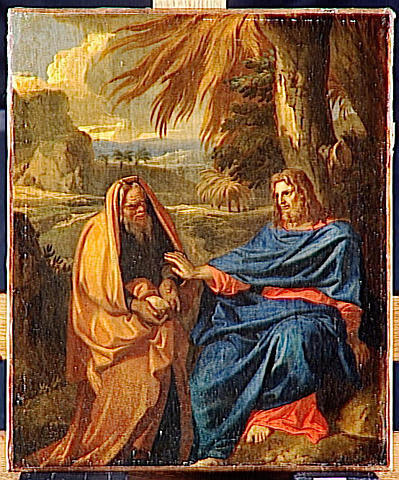
LA TENTATION DU CHRIST


 詳細を見る
詳細を見る
ジークレー/アートプリント
迅速な制作と多彩な仕上げオプションを備えた、ミュージアムクオリティのジークレーまたはキャンバスプリント。 ( 手描きの絵画を購入 画像を購入)




P118B $10

P118H $10

P118W $10

P438Z $10

P508JH $12

P508YH $12

P805H $10

P805Z $10

P919BZ $10

P919G $10

P919XJ $10

P959ZH $10

P968JZ $12

W106C $8

W218G $10

W218JH $8

W218Y $10

W307PJ $10

W316G $10

W316PJ $8

W316Y $10

W398PJ $8

W4111J $10

W500HY $15

W500JH $15

W692G $12

W849H $8

W940BG $15

W953PJ $8




作品のオリジナル比率に合わせた、当店の規定サイズからお選びください。

特定のフレームやスペースに合わせて、ご自身でサイズを指定することも可能です。選択されたサイズが元の画像の比率と一致しない場合、作品をトリミングするか、鏡面反射または単色での塗りつぶしによって画像を拡張いたします。制作を開始する前に、ご確認用のデジタルモックアップをお送りいたします。
画面上のプレビューには、実際のトリミングや拡張は反映されませんのでご注意ください。最終的な構図を正確に確認できるのは、モックアップのみとなります。
カスタムサイズも承っておりますが、元の比率を維持するためには、あらかじめ用意されたリストからサイズを選択することをお勧めいたします。


 ガラスオプションは、110cm未満のサイズでのみご利用いただけます。

LA TENTATION DU CHRIST
ジークレー/アートプリント
複製画のサイズ
-


合計金額
$ 62
François Verdier’s “La Tentation du Christ”: A Baroque Masterpiece Reflecting Faith and Doubt
“La Tentation du Christ,” attributed to François Verdier, is a monumental oil painting completed around 1700 that resides within the Louvre Museum's collection (RF 3835), offering an arresting glimpse into the artistic sensibilities of the Baroque period. More than just a depiction of biblical narrative, this artwork embodies the complex interplay between faith and doubt—a characteristic tension prevalent in European art during the Enlightenment’s nascent stages. The painting immediately captivates with its dramatic composition and masterful use of chiaroscuro, techniques honed by Verdier's collaboration with Rubens himself, cementing Antwerp’s reputation as a crucible for artistic innovation.Composition and Setting: A Wilderness of Emotion
The canvas presents a meticulously crafted landscape backdrop—a desolate wilderness dominated by a towering tree—serving not merely as an ornamental element but as a crucial component of the artwork’s emotional resonance. This deliberate choice underscores the psychological drama unfolding within the scene, mirroring the internal struggles faced by Christ amidst temptation. Two figures occupy the central space: an older woman cradling a baby on the left and Christ seated opposite her on the right. The positioning is deliberately asymmetrical, directing the viewer's gaze towards Christ’s face—illuminated with radiant light—emphasizing his vulnerability and resilience. Verdier skillfully employs perspective to create depth, drawing the eye into the scene and amplifying its sense of grandeur.Style and Technique: Baroque Elegance Infused with Psychological Depth
Verdier’s artistic style firmly anchors itself within the Baroque tradition, characterized by theatricality and an obsession with conveying emotion through visual means. The painting's execution demonstrates exceptional technical prowess—particularly evident in the meticulous rendering of drapery folds and skin tones—reflecting the prevailing standards of Flemish artmaking at the time. Verdier’s masterful manipulation of light and shadow—the hallmark of chiaroscuro—transforms the landscape into a stage for psychological exploration, highlighting Christ's inner turmoil while simultaneously conveying a profound sense of solemnity. The artist’s brushstrokes are deliberate and expressive, capturing subtle nuances of emotion that transcend mere visual representation.Symbolism: Temptation, Innocence, and Divine Resistance
“La Tentation du Christ” is laden with symbolic significance. The woman represents temptation—a force attempting to undermine faith and virtue—while the baby symbolizes innocence and vulnerability—representing Christ’s divine compassion amidst suffering. The tree serves as a visual metaphor for resilience and endurance, mirroring Christ's unwavering commitment to his mission despite facing adversity. Verdier skillfully integrates these symbols into the broader narrative, prompting contemplation on themes of morality, spirituality, and human experience.Historical Context: Antwerp’s Artistic Legacy
Painted during Antwerp’s golden age—a period marked by unparalleled artistic flourishing—Verdier's masterpiece reflects the intellectual currents shaping European culture. Rubens’ influence is palpable in Verdier’s stylistic choices, demonstrating the interconnectedness of artistic traditions within the Flemish Republic. The painting stands as a testament to Antwerp’s enduring legacy as a center for Baroque art and its contribution to the broader canon of Western visual culture. Its enduring appeal lies not only in its aesthetic beauty but also in its profound exploration of human psychology and spiritual conviction—a timeless reflection on faith, doubt, and the struggle for moral integrity.関連作品

アーティストの略歴
Cornelis de Vos: A Master of Dutch Portraiture
Cornelis de Vos, born in Hulst, Zeeland around 1584 and passing away in Antwerp in 1651, stands as a pivotal figure in the history of Dutch painting. More than simply a portraitist, he was a versatile artist who excelled across multiple genres – historical scenes, religious works, genre paintings, and, most notably, intimate family portraits that capture a remarkable sensitivity for his subjects. His career unfolded against the backdrop of Antwerp’s vibrant artistic community, a city renowned as a hub of creativity during the Dutch Golden Age, and he benefited immensely from collaborations with luminaries like Peter Paul Rubens. De Vos' legacy rests primarily on his exquisitely rendered depictions of individuals, particularly children and families, offering glimpses into the lives and social dynamics of 17th-century Netherlands.Early Life and Training
The precise details of de Vos’s early life remain somewhat elusive, shrouded in the typical gaps of historical records for artists of that era. He was born in Hulst, a small town near Antwerp, and his family relocated to the bustling city by 1596. His artistic education began under the tutelage of David Remeeus, a lesser-known painter whose workshop provided a foundation in technique and observation. De Vos’s brothers, Paul and Jan (or Hans), also studied with Remeeus, suggesting a shared learning environment. Crucially, de Vos sought further training abroad, petitioning the Antwerp City Council for permission to travel – a common practice for aspiring artists at the time. While the exact destination remains uncertain, this desire for broader experience underscores his ambition and commitment to honing his craft. He joined the Guild of Saint Luke in 1608, signifying his full acceptance into the professional art world and solidifying his position within Antwerp’s artistic ecosystem. His marriage to Susanna Cock, the half-sister of landscape painter Jan Wildens, further cemented his place within this influential network, linking him to other prominent artists like Frans Snyders.Style and Technique
De Vos's style is characterized by a remarkable blend of realism and elegance. He possessed an exceptional ability to capture the nuances of human expression – the subtle shifts in mood, the fleeting emotions reflected in eyes and gestures. His portraits are not merely likenesses; they are imbued with personality and warmth. He employed a technique known as “wet-on-wet,” a hallmark of Dutch painting during this period, which allowed for rapid execution and a luminous quality to his paintings. This method involved working on wet paint, blending colors directly on the canvas, creating soft transitions and atmospheric effects. De Vos’s compositions are typically balanced and harmonious, reflecting a meticulous attention to detail and a deep understanding of perspective. His use of light is particularly noteworthy – it illuminates his subjects with a gentle radiance, enhancing their beauty and adding depth to the scenes.Notable Works and Commissions
De Vos’s prolific output included numerous portraits for wealthy merchants and members of the gentry. He created elaborate family cycles, documenting generations within a single household – a testament to his skill in capturing likenesses and conveying familial relationships. A particularly striking example is the portrait of Abraham Grapheus, commissioned by the painter himself and now housed at the Royal Museum of Fine Arts Antwerp, showcasing de Vos’s ability to portray both subject and artist with equal finesse. He also received commissions from prominent patrons like Joris Vekemans, who ordered a series of portraits depicting his family, including his son Jan. His work for the royal court, particularly the *Company of Cornelis de Graeff*, further elevated his status within Antwerp’s artistic circles. His painting *Granida and Daifilo* is now housed in the Brukenthal National Museum in Sibiu, Romania.Legacy and Historical Significance
Cornelis de Vos's influence on Dutch portraiture is undeniable. He demonstrated a rare sensitivity to his subjects, capturing not just their physical appearance but also their inner lives. His intimate portraits of children are particularly cherished for their warmth and authenticity, offering poignant glimpses into the domestic sphere of 17th-century Netherlands. De Vos’s collaboration with Rubens further solidified his reputation as one of Antwerp's leading artists, contributing to the city’s flourishing artistic scene. While he may not be as widely celebrated as some of his contemporaries – such as Rembrandt or Vermeer – de Vos remains a significant figure in Dutch art history, admired for his technical skill, his nuanced portrayals of human character, and his enduring contribution to the genre of portraiture. His work continues to resonate with viewers today, offering a valuable window into the lives and customs of a bygone era.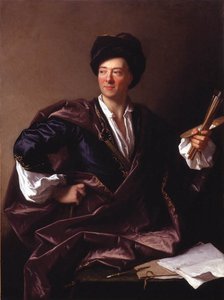
françois verdier
1651 - 1730 , France
基本情報
- Artistic Movement Or Style: Portraiture, History, Genre
- Artists Or Movements Influenced By This Artist: ['Rubens']
- Artists Who Influenced This Artist: ['David Remeeus']
- Date Of Birth: 1584
- Date Of Death: 1651
- Full Name: Cornelis de Vos
- Nationality: Flemish
- Notable Artworks:
- Portrait of Abraham Grapheus
- Family portraits (Vekemans)
- Place Of Birth: Hulst, Netherlands
関連記事
From Grandeur to Grace: Exploring the Evolution of Baroque & Rococo Art
Explore the captivating evolution from Baroque's drama to Rococo's grace! Discover key artists, characteristics & lasting influence of these art movements with expert insights at ArtsDot.

華麗なるロココ:芸術史を彩る10大傑作の世界
華麗なるロココ美術の世界へ。バロックから生まれた優雅な芸術、その10大傑作を徹底解説!ブーシェ、フロマンなど巨匠たちの技と物語を紐解き、お部屋を彩るアートを見つけよう。ArtsDot.comで至高の美術館品質レプリカとインテリアアイデアを発見。

The Dramatic Flourish: Exploring the Baroque Movement's Enduring Legacy in Art History
Explore the dramatic world of Baroque art! Discover iconic artists like Caravaggio & Rubens, defining techniques, and its lasting impact on art history. Expert insights for collectors & enthusiasts at ArtsDot.

Evocations of Place: A Historical Journey Through Landscape Art
Explore the rich history of landscape art with ArtsDot. Discover renowned artists, movements like Impressionism & Romanticism, and expert guidance for collecting timeless pieces. Find your perfect serene escape today!

ロマン派ランドスケープ:時代を彩る巨匠の10選|アートとインテリアの世界
ロマン派絵画の時代を彩る10選。巨匠たちの風景が織りなす感動の世界へ。ターナー、ルーベンスなど、名作の裏話と高精細複製でアートをお部屋に。ArtsDot.comで至福のアート体験を。