

 プレビュー
プレビュー
 プリントを購入
 シェアする
シェアする シェアする
シェアする
 詳細を見る
詳細を見る

 ダウンロード
 似ている作品
 X線調査
X線調査 スライドショー
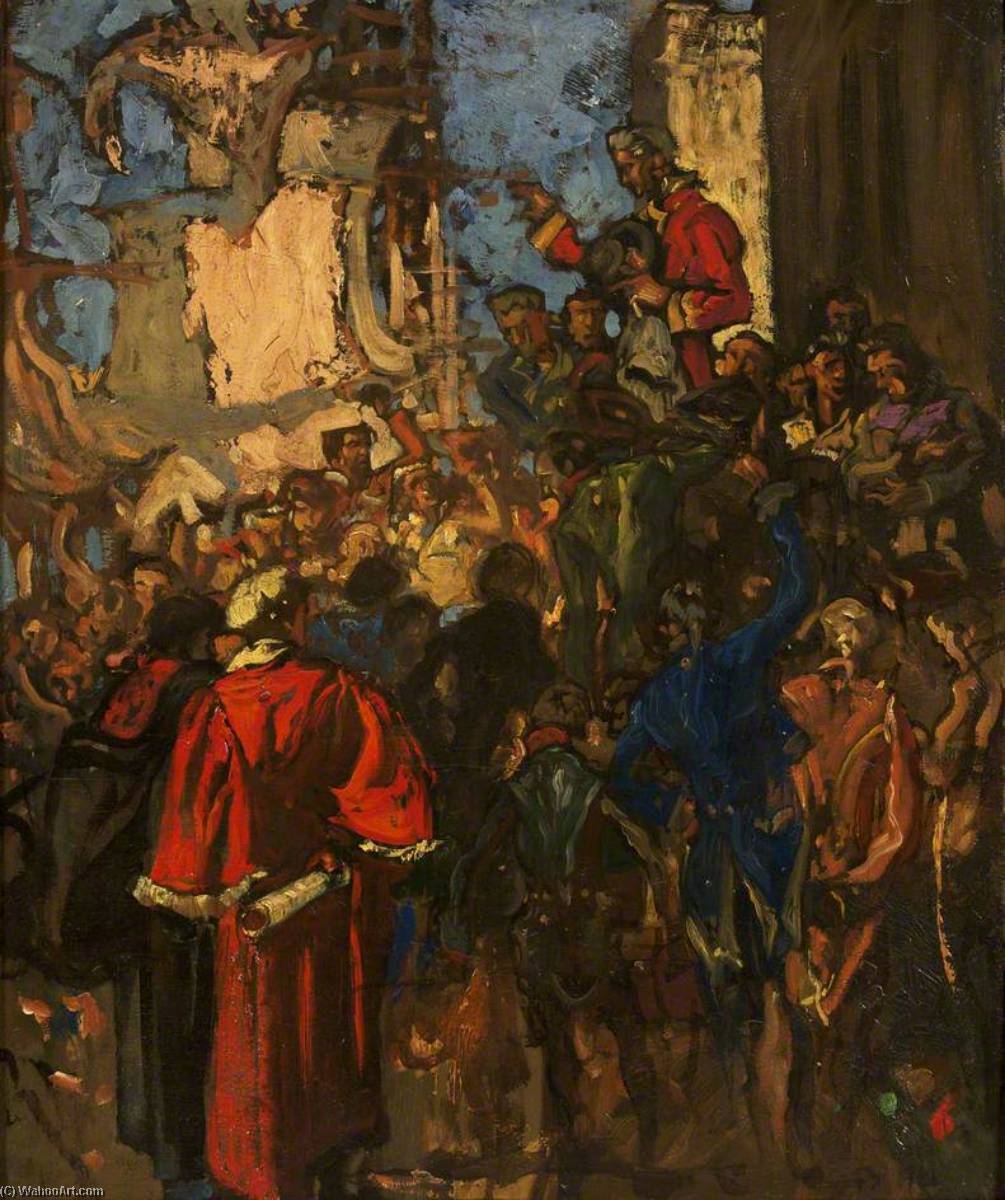
The Chairing of Edmund Burke in 1774
 Oil On Panel
- Arts & Crafts
 1921
1921 54.0 x 45.0 cm
 Bristol Museum - Art Gallery
 詳細を見る
詳細を見る




P118B $10

P118H $10

P118W $10

P438Z $10

P508JH $12

P508YH $12

P805H $10

P805Z $10

P919BZ $10

P919G $10

P919XJ $10

P959ZH $10

P968JZ $12

W106C $8

W218G $10

W218JH $8

W218Y $10

W307PJ $10

W316G $10

W316PJ $8

W316Y $10

W398PJ $8

W4111J $10

W500HY $15

W500JH $15

W692G $12

W849H $8

W940BG $15

W953PJ $8




作品のオリジナル比率に合わせた、当店の規定サイズからお選びください。

特定のフレームやスペースに合わせて、ご希望のサイズをご入力いただけます。選択されたサイズが元の画像の比率と異なる場合、アートワークをトリミングするか、手描きで要素を追加して絵画を拡張いたします。デジタルモックアップ を制作し、制作開始前にご確認(承認)をいただきます。
画面上のプレビューは、実際のトリミングや拡張を正確に反映しているものではありません。最終的な構図は、モックアップによってのみ正確にご確認いただけます。
カスタムサイズもご利用いただけますが、元の比率を維持するためには、あらかじめ用意されたリストからサイズを選択することをお勧めいたします。
ご注文後、ArtsDot.com チームより詳細な指示をお送りするとともに、仕上がりイメージ(モックアップ)をご提供いたします。


 ガラスオプションは、110cm未満のサイズでのみご利用いただけます。

The Chairing of Edmund Burke in 1774
複製技法
複製画のサイズ
-


合計金額
$ 263
The Chairing of Edmund Burke in 1774 – A Tableau of Political Turmoil
Frank Brangwyn’s “The Chairing of Edmund Burke in 1774” is more than just a depiction of a historical event; it's a vibrant, almost theatrical rendering of political upheaval and the burgeoning spirit of dissent. Painted in 1921, this oil on panel captures a pivotal moment – the public humiliation and symbolic “chairing” of Burke, a prominent Member of Parliament, following his controversial speech against the Stamp Act. The scene unfolds within a bustling London streetscape, rendered with Brangwyn’s signature blend of meticulous detail and expressive brushwork. The composition is dynamic, pulling the viewer into the heart of the commotion, where Burke, seated in an ornate chair, is surrounded by a throng of onlookers – some supportive, others openly hostile. The sheer energy of the crowd, their faces etched with varying degrees of outrage and curiosity, immediately establishes a sense of dramatic tension.
Brangwyn’s style leans heavily into the Orientalist tradition he was known for, yet here it's skillfully adapted to portray a distinctly British scene. He employs a rich, layered palette – deep reds, browns, and ochres dominate, creating an atmosphere of both warmth and intensity. The use of light is particularly masterful; it’s not uniformly bright but strategically applied to highlight key figures and areas of interest, drawing the eye to Burke's stoic expression and the faces in the crowd. Notice how he uses subtle gradations of color to suggest depth and movement within the densely packed scene – a testament to his technical skill.
A Portrait of a Political Dissenter
Edmund Burke himself is presented with remarkable dignity amidst the chaos. He’s not depicted as a victim, but rather as a man of principle, calmly enduring public censure. The chair itself—a symbol of humiliation and forced silence—becomes a focal point, emphasizing his position as a voice challenging established authority. The figures surrounding him are equally compelling; some wear expressions of fervent support, brandishing pamphlets and banners, while others display open hostility, their faces contorted with anger. This juxtaposition highlights the deep divisions within British society at the time – a period marked by intense debate over taxation, representation, and the future of the empire.
The historical context is crucial to understanding the painting’s significance. Burke's speech, delivered in 1774, argued against the Stamp Act, advocating for colonial rights and challenging the notion of parliamentary supremacy. His stance resonated with many colonists and fueled the growing movement towards independence. “The Chairing” wasn’t simply a public shaming; it was a deliberate attempt by the British government to silence dissent and intimidate opposition. Brangwyn's painting serves as a powerful visual record of this moment in history, capturing not just the event itself but also the underlying political tensions that were shaping the course of events.
Symbolism and Artistic Technique
Beyond its historical subject matter, “The Chairing of Edmund Burke” is rich in symbolic detail. The horse-drawn carriages, the elaborate clothing of some onlookers, and even the positioning of the figures all contribute to a complex visual narrative. Brangwyn’s meticulous attention to detail extends beyond mere representation; he uses his brushwork to convey emotion and atmosphere. Observe how he employs loose, expressive strokes in the depiction of the crowd, contrasting them with more controlled, precise rendering of Burke himself. This technique effectively communicates the sense of chaos and control within the scene.
The painting’s composition is carefully balanced, creating a dynamic yet stable image. The diagonal lines created by the street and the figures contribute to this sense of movement, while the central placement of Burke anchors the composition and draws the viewer's attention. Furthermore, Brangwyn’s use of color—particularly the vibrant reds and browns—evokes a sense of drama and intensity, reflecting the emotional turmoil at the heart of the scene. The inclusion of several horses adds to the overall feeling of movement and excitement.
A Timeless Reflection on Power and Protest
“The Chairing of Edmund Burke in 1774” remains a compelling work of art because it transcends its historical context. It’s not simply a portrait of a political event; it's an enduring meditation on power, protest, and the struggle for freedom. Brangwyn masterfully captures the energy and complexity of this pivotal moment in British history, creating an image that continues to resonate with viewers today. Reproductions of this painting offer a remarkable opportunity to bring this dramatic scene into any space, serving as a potent reminder of the importance of dissent and the enduring power of visual storytelling.
関連作品
アーティストの略歴
光と労働の中で鍛えられた人生:フランク・ブランウィンの世界
1867年、ベルギーのブルージュにギヨーム・フランソワ・ブランウィンとして生まれたサー・フランク・ブランウィンの芸術への旅は、絶え間ない探求と多作な創造によって特徴づけられました。彼の父、ウィリアム・カーティス・ブランウィンは、ベルギーの教区教会を設計するコンペに優勝した才能あるデザイナーであり、幼い頃から彼の中に職人技と視覚的形態への感謝の念を植え付けました。1875年のイギリスへの家族の帰国は画期的な出来事となり、若いフランクはロンドンの勃興する芸術界に触れることになりました。彼の正式な教育は必ずしも順調に進んだわけではありません—ウェストミンスター・シティ・スクールの授業を頻繁に欠席し、父の工房に没頭したり、サウス・ケンジントン博物館の宝物の中に迷い込んだりしました—しかし、この自発的な学習は、彼のキャリアを定義する独立した精神を育みました。アーサー・ヘイゲート・マックマードーとウィリアム・モリスへの初期の見習いは、当初、ステンドグラス、刺繍、壁紙デザインなどの実践的なスキルに焦点を当てていましたが、日常生活への芸術の統合を強調するアーツ・アンド・クラフツ運動の原則の基礎を築きました。しかし、ブランウィンの真の天職は絵画にあり、1891年のパリサロンで「葬送」がメダルを受賞したことがきっかけとなり、彼の芸術的な道への献身が確固たるものとなりました。海洋風景からオリエンタリズムの世界へ
ブランウィンの初期の主題は深く海洋世界に根ざしており、個人的な魅力と当時の流行の両方を反映していました。彼は海の生活のドラマと苦労を細心の注意を払って捉え、詳細への鋭い観察眼と大気効果を示しました。しかし、1890年代を通してイスタンブール(コンスタンティノープル)、スペイン、エジプト、トルコ、モロッコへの旅行は彼の芸術的な地平線を劇的に広げました。これらの旅は変革をもたらし、彼の作品に鮮やかな色彩、異国情緒あふれるモチーフ、そして新たな光の感覚を吹き込みました。オリエンタリズムの影響は、「コンスタンティノープルの黄金角」のような絵画にはっきりと表れており、初期の「葬送」などの陰鬱な色調とは対照的です。この変化は美的だけではありませんでした—それはブランウィンが従来の芸術的な境界から解放され、より表現力豊かなパレットを受け入れようとする願望を反映していました。彼は非常に多才なアーティストとなり、いかなる単一のメディアにも縛られることを拒否しました。絵画は確かに中心でしたが、ドローイング、版画、イラストレーション、ステンドグラスデザイン、家具デザイン、陶芸、さらには建築プロジェクトにおいても優れた才能を発揮しました。この多面的なアプローチは彼を同時代の人々から際立たせ、装飾芸術の真のポリマスとして確立しました。驚異的な生産量と壮大な依頼作品
ブランウィンの作品の膨大な量は驚くべきものであり—絵画、ドローイング、エッチング、木版画、リトグラフ、建築デザインなど、1万2千点を超える作品が含まれています。この絶え間ない生産性は、たゆまぬ労働倫理と飽くなき好奇心によって推進されました。彼は大規模な壁画の依頼で知られるようになり、その特徴は鮮やかな色彩、複雑なディテール、そしてしばしば壮大なスケールでした。特に重要な瞬間は1895年にジーフリード・ビングからパリのアール・ヌーヴォー・ギャラリーの外装を装飾する依頼を受けたことであり、より広範な装飾芸術の機会への扉が開かれました。1896年にエドワード・ウィリアム・レーンの「千夜一夜物語」の六巻本のためのイラストレーションは、彼のナラティブなディテールと異国情緒あふれるイメージに対する才能をさらに示しました。日本のアーティストであるウルシバラ・モクチュとの木版画でのコラボレーションは、さまざまな技術や文化的影響を実験する意欲を示しています。しかし、おそらく最も野心的な—そして最終的に物議を醸した—プロジェクトは、1924年に貴族院のためにイギリス帝国のシーンを描いた一連の壁画の依頼でした。当初は歓迎されましたが、パネルは最終的には議会によって不適切と判断され却下されました。これらの壮大な作品はスワンジーのギルドホールに新たな家を見つけ、ブランウィンの永続的な遺産を証明するブランクウィン・ホールの中核となりました。遺産と歴史的意義
フランク・ブランウィンの芸術への旅は、彼の時代の美的潮流と深く結びついていました。初期にウィリアム・モリスとアーツ・アンド・クラフツ運動に触れたことは、彼の中に職人技とデザイン統合に対する敬意を植え付けました。そして東方への旅行は、ヨーロッパ全体で異国情緒あふれる文化に対する関心を高めたオリエンタリズムのテーマに対する情熱を呼び起こしました。時折、ブランウィンの多様なスタイルを分類するのに苦労したイギリスの批評家たちに無視されたこともありましたが、彼は大陸やアメリカの聴衆からかなりの評価を受けました。彼は伝統的な絵画と現代のデザインとのギャップを埋め、歴史的な主題と現代のトレンドの両方を受け入れました。特に彼の壁画は、英国の芸術界に消えない足跡を残し、公共空間を色彩と想像力豊かなショーケースに変えました。ブランウィンの多作な作品と多様性は、19世紀後半から20世紀初頭の芸術における重要な人物として彼を確立しました—それは長くて傑出したキャリアを通して適応し革新する驚くべき能力を示しています。彼は単なるアーティストではありませんでした—彼はデザイナーであり、職人であり、周囲の世界を美と芸術で豊かにしようとしたビジョナリーでした。彼の影響は今日まで感じられており、実験を受け入れ、多様性を祝い、あらゆる努力において卓越性を追求するようにアーティストやデザイナーにインスピレーションを与え続けています。個人的な考察
芸術的な業績を超えて、ブランウィンの私生活は情熱と複雑さの両方によって特徴づけられました。エレン・ケイト・チェスターフィールドとの不倫関係の結果として息子ジェームズ・バロン・チェスターフィールド=ブランウィンが生まれ、1896年に看護師のルーシー・レイと結婚したことで安定した家庭生活が提供されましたが、二人の間には子供はいませんでした。彼は1900年から約1937/38年までロンドンのハマーズミスにあるテンプル・ロッジに住み、1918年にはサセックス州ディッチリングのザ・ジョインチュアを購入し、都市での活動と田舎での隠遁の両方を求める彼の願望を反映していました。ブランウィンの人生は献身、革新、そして揺るぎない芸術的表現へのコミットメントの力—今日まで畏敬の念と賞賛を呼び起こす遺産—の証です。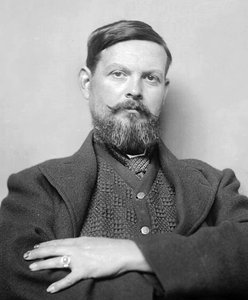
フランク・ブラングウィン
1867 - 1956 , ベルギー
基本情報
- Artistic Movement Or Style: アーツ・アンド・クラフツ運動、東洋主義
- Artists Or Movements Influenced By This Artist: ['イギリス装飾芸術']
- Artists Who Influenced This Artist: ['ウィリアム・モリス']
- Date Of Birth: 1867年
- Date Of Death: 1956年
- Full Name: サー・フランク・ウィリアム・ブランギュン
- Nationality: イギリス人
- Notable Artworks:
- 海葬
- 黄金の角
- アラブ音楽家
- ベゴニア
- Place Of Birth (City And Country): ベルギー、ブルージュ
関連記事
Frank Brangwyn: A Life Immersed in Colour, Craft & the Spirit of Modern British Art
Explore the vibrant life & prolific work of Frank Brangwyn, a master of British art. Discover his stunning paintings, designs, and monumental Empire Panels – a celebration of colour, craft, and artistic innovation.
Oil on Panel Masters: 10 Paintings That Revolutionized Art |
Journey through 10 legendary 'Oil on Panel' masterpieces by Van Eyck, Bosch & Bruegel. Explore the stories behind these iconic Renaissance & Baroque paintings and find museum-quality art reproductions to elevate your home decor. Discover all masterpieces on !
Oil on Panel: A Historical Survey of Technique, Support & Aesthetic Evolution
Explore the rich history of oil on panel painting! Discover Renaissance techniques, support structures & aesthetic evolution. Expert insights for art collectors and enthusiasts.
Oil on Panel: A Historical Survey of Technique, Support, and Aesthetic Impact
Explore the rich history of oil on panel painting! Discover Renaissance techniques, support construction, & the enduring legacy of this masterful art form. Expert insights for collectors and enthusiasts.

The Enduring Legacy of Oil on Canvas: Technique, History & Aesthetic Impact
Explore the rich history & techniques of oil painting – from Renaissance masters to Impressionism. Discover pigments, layering methods, and why this timeless medium endures. Expert insights for artists & art enthusiasts.

