

 プレビュー
プレビュー
 プリントを購入
 シェアする
シェアする シェアする
シェアする
 詳細を見る
詳細を見る

 ダウンロード
 似ている作品
 X線調査
X線調査 スライドショー
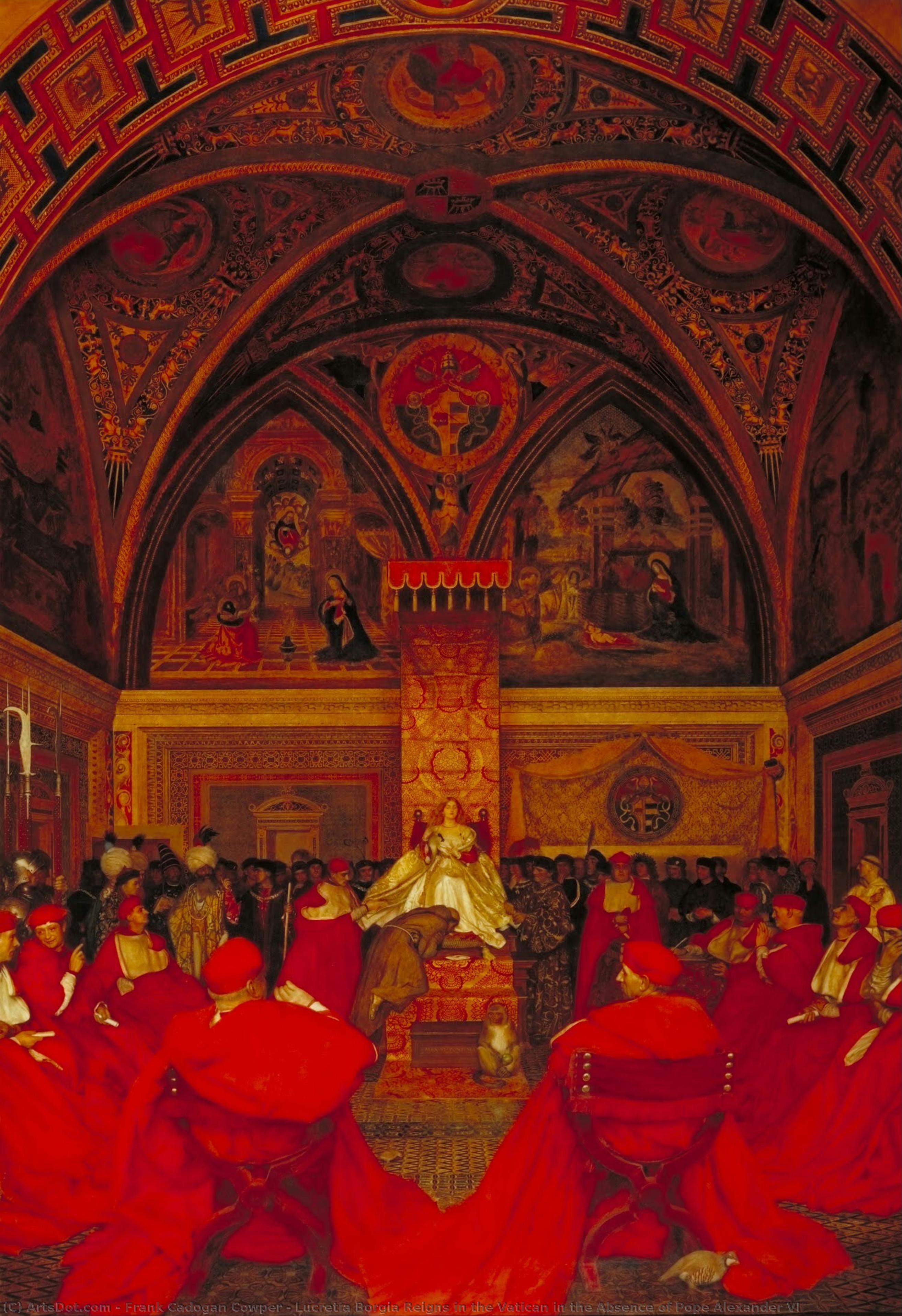
Lucretia Borgia Reigns in the Vatican in the Absence of Pope Alexander VI
 Oil On Canvas
- WallArt
- Romantic Revival
 1910
1910- 19th Century
 53.0 x 22.0 cm
 テート・ブリテン
 詳細を見る
詳細を見る
オンラインプレビューをはるかに凌ぐ、高解像度で鮮明なデジタル画像をご購入いただけます。
各ファイルは、社内の専門家が高度なツールと熟練した手作業によるレタッチを用いて、細心の注意を払って準備されています。すべての画像において、卓越した鮮明度、正確な色彩再現性、そして繊細なディテールを保証いたします。
最終ファイルは、プロフェッショナルな編集・印刷環境ですぐにご利用いただけるよう最適化された状態で、72時間以内にメールにてお届けいたします。これは、一流のデザインスタジオ、出版社、ギャラリーから信頼されているものと同等の品質です。
デジタル画像のご注文に付随する特典
高品質なデジタル画像配信を、確かな品質で。
ArtsDot.com を選ぶことは、単に画像を手に入れることではありません。それは、プロの手によって精密に仕上げられ、満足保証が付いた高品質なデジタルアートワークを受け取ることを意味します。ご注文いただいた際に自動的に付随する内容は、以下の通りです:

メールですぐにお届け
ご注文から72時間以内に、高解像度のデジタル画像ファイルがメールでお手元に届きます。すぐにそのままご利用いただけます。

AI技術で最適化されたデジタルファイル
お客様の作品は、高度なAIツールと専門家による手作業の編集を組み合わせてプロフェッショナルに最適化されており、細部のディテール、鮮明さ、そして正確な色再現性を最大限に引き出しています。

一生涯無料の再送サービス
ファイルを誤って削除したり、紛失してしまったりしましたか?ご安心ください。いつでも無料で再送いたします。

輸入手数料は一切かかりません
関税や手数料、配送料を気にすることなく、お気に入りのアートワークをすぐにお楽しみいただけます。デジタルダウンロードは常に免税です。

色彩再現の保証
プロ仕様のツールとカラーマネジメント技術を用いることで、デジタル画像が元の色を最大限に忠実に再現することを保証いたします。

60日間満足保証
ご購入いただいたデジタル画像にご満足いただけない場合は、60日以内であれば、修正または100%の返金(理由を問う必要はありません)をさせていただきます。

100% 返金保証
ご満足いただけない場合は、デジタルファイルを受け取ってから60日以内であれば、理由を問わず全額返金いたします。

まとめ買い割引
3枚購入で10%OFF - 5枚購入で15%OFF - 10枚以上購入で20%OFF。クリエイティブなプロジェクト、ギャラリー、エージェンシーに最適です。
Lucretia Borgia Reigns in the Vatican: A Romantic Echo of Scandalous Intrigue
Frank Cadogan Cowper’s “Lucretia Borgia Reigns in the Vatican in the Absence of Pope Alexander VI” isn't merely a depiction of a historical event; it’s an exquisitely crafted tableau that captures the simmering tension and opulent grandeur of Renaissance Rome. Painted around 1908-14, this oil on canvas exemplifies the enduring legacy of the Pre-Raphaelite Brotherhood—a movement obsessed with meticulous detail, luminous color palettes, and narratives imbued with psychological depth.
- Subject Matter: The painting portrays a pivotal moment in papal history. Lucrezia Borgia, daughter of Pope Alexander VI, skillfully usurped his position during a meeting at St Peter’s Basilica when he was incapacitated by illness. This audacious act—a brazen assertion of power disguised as piety—became the subject of considerable scandal and fascination.
- Style: Cowper adheres faithfully to Pre-Raphaelite principles. The composition prioritizes dramatic lighting, casting shadows that heighten the emotional intensity of the scene. There’s a palpable sense of stillness amidst movement, reflecting the careful observation characteristic of the Brotherhood’s aesthetic.
- Technique: Cowper employed a masterful glazing technique—layering thin washes of color over underpaintings—to achieve remarkable tonal subtlety and luminosity. The resulting surface possesses an ethereal quality, mirroring the idealized beauty favored by Pre-Raphaelite artists.
The scene unfolds within a richly decorated church interior. A towering vaulted ceiling adorned with frescoes dominates the background, symbolizing divine authority and reinforcing the solemn atmosphere. Several chairs are strategically positioned—one central to the composition—suggesting deliberation and importance. The figures themselves are rendered with painstaking accuracy, capturing subtle expressions of emotion and conveying an air of aristocratic composure.
Symbolism:- Color Palette: Cowper’s palette leans heavily on reds and golds—colors traditionally associated with papal power and wealth. These hues contribute to the painting's dramatic impact, emphasizing the central figures and highlighting the opulent surroundings.
- The Chair: The prominent chair serves as a focal point, representing Lucrezia’s assumed role as Pope. Its positioning underscores her defiance of convention and symbolizes the usurpation of authority.
“Lucretia Borgia Reigns in the Vatican” transcends its historical subject matter to resonate with broader themes of ambition, deception, and the complexities of human desire. Cowper’s meticulous rendering—combined with his masterful use of light and color—creates an immersive experience for the viewer, transporting them back to a time of political intrigue and artistic brilliance. It remains a testament to the Pre-Raphaelite commitment to capturing not just what is seen but also what is felt.
関連作品
作家の略歴
A Lingering Echo of Romanticism: The Life and Art of Frank Cadogan Cowper
Frank Cadogan Cowper, often hailed as “The Last Pre-Raphaelite,” occupies a unique position in the landscape of British art. Born in 1877 in the tranquil village of Wickham, Northamptonshire, his life unfolded across an era of dramatic artistic shifts, yet he remained steadfastly devoted to the principles of beauty, narrative detail, and romantic sensibility championed by the Pre-Raphaelite Brotherhood. His father, Frank Cowper, a celebrated author and pioneer of yacht cruising, instilled in him a love for adventure and observation, while his lineage—descending from the Rector of Wicken—rooted him in a tradition of intellectual and spiritual contemplation. This blend of influences would profoundly shape both his life and artistic vision. From an early age, Cowper demonstrated a clear aptitude for art, embarking on formal training at St John's Wood Art School in 1896 before continuing his studies at the prestigious Royal Academy Schools until 1902. These formative years provided him with a solid foundation in technique and a deep understanding of artistic history, setting the stage for his emergence as a significant figure in the art world.Forging a Path Between Tradition and Modernity
Cowper’s early success was remarkable. He first exhibited at the Royal Academy in 1899, but it was “An Aristocrat Answering the Summons to Execution, Paris 1791” (1901) that truly established his reputation. The painting, a dramatic depiction of a scene from the French Revolution, showcased his mastery of composition, meticulous attention to detail, and ability to evoke powerful emotions. This initial acclaim opened doors for further study; in 1902, he spent six months under the tutelage of Edwin Austin Abbey, absorbing valuable insights into narrative painting and decorative techniques. A subsequent journey to Italy proved equally transformative, exposing him to the masterpieces of the Renaissance and solidifying his commitment to classical ideals of beauty and form. Cowper’s versatility extended beyond oils; he also excelled in watercolors and contributed significantly as a book illustrator, notably providing illustrations for Sir Sidney Lee’s comprehensive edition of Shakespeare's works. This diverse range of projects allowed him to hone his skills and explore different facets of artistic expression. He became known for his evocative depictions of historical and literary subjects, often imbued with a romantic sensibility that resonated deeply with audiences.Themes of History, Literature, and the Human Condition
Throughout his career, Cowper gravitated towards themes steeped in history, literature, and mythology. Paintings like “Lucretia Borgia Reigns in the Vatican,” “La Belle Dame Sans Merci,” and “The Golden Bowl” demonstrate his fascination with complex characters, dramatic narratives, and moral ambiguities. He wasn’t merely illustrating stories; he was delving into the psychological depths of his subjects, exploring themes of power, love, betrayal, and redemption. His commitment to narrative painting set him apart from many of his contemporaries who were increasingly drawn towards abstraction and experimentation. In 1910, Cowper contributed to a monumental mural project in the Houses of Parliament alongside other prominent artists like Byam Shaw and Ernest Board, further cementing his position within the established art world. However, it was “Our Lady of the Fruits of the Earth” (1917) that brought him particular acclaim—and financial success—achieving a record price of £469,250 at Christie’s in London in 2011, a testament to its enduring appeal and artistic merit. As art fashions evolved, Cowper skillfully adapted, accepting portrait commissions while continuing to produce his signature historical and literary pieces, demonstrating both pragmatism and unwavering dedication to his artistic vision.The Last Bastion of Pre-Raphaelite Ideals
Cowper’s style is instantly recognizable—characterized by a meticulous attention to detail, rich and luminous colors, and a romantic sensibility that echoes the works of Dante Gabriel Rossetti, John Everett Millais, and Edward Burne-Jones. He earned the title “The Last Pre-Raphaelite” not simply because he painted in a similar style, but because he remained committed to the movement’s core principles—truth to nature, moral seriousness, and an emphasis on beauty—long after they had faded from mainstream popularity. His work represents a bridge between Victorian Romanticism and early 20th-century art, preserving a tradition of narrative painting and detailed realism in an era increasingly dominated by abstraction and modernism. He wasn’t merely imitating the Pre-Raphaelites; he was carrying their torch, adapting their techniques to his own unique vision and ensuring that their legacy would endure. In 2005, public recognition came again when his painting “The Ugly Duckling” was voted the favorite artwork by visitors to the Cheltenham Art Gallery & Museum, a heartwarming affirmation of his enduring appeal.A Legacy of Beauty and Narrative
In his later years, Cowper retired from London and sought solace in the picturesque countryside of Gloucestershire, where he continued to paint until his death in 1958. His final works retain the same technical skill, narrative power, and romantic sensibility that defined his earlier career. Though often overshadowed by more avant-garde movements, Cowper’s contribution to British art is significant. He stands as a testament to the enduring power of tradition, the importance of craftsmanship, and the timeless appeal of beauty. His paintings continue to captivate audiences with their intricate detail, evocative storytelling, and profound emotional resonance.- Cowper's work offers a window into a bygone era.
- His dedication to narrative painting is a refreshing counterpoint to the abstract trends of his time.
- He remains an important figure for those who appreciate the beauty and craftsmanship of Victorian Romantic art.
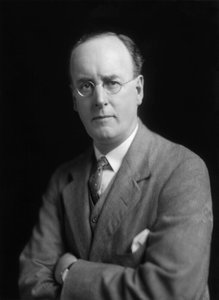
Frank Cadogan Cowper
1877 - 1958

