

 プレビュー
プレビュー
 シェアする
シェアする シェアする
シェアする
 詳細を見る
詳細を見る

 ダウンロード
 似ている作品
 X線調査
X線調査 スライドショー
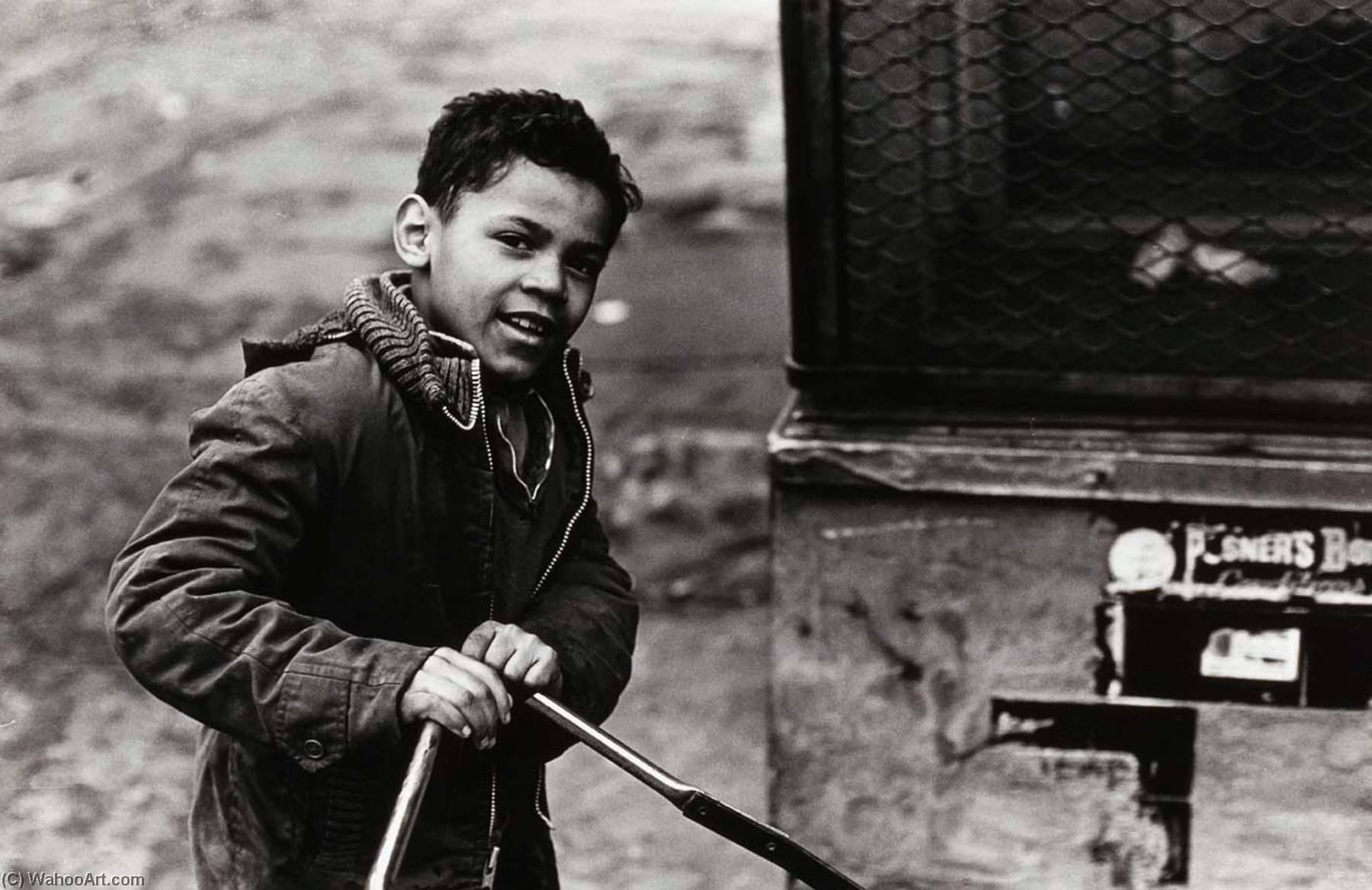
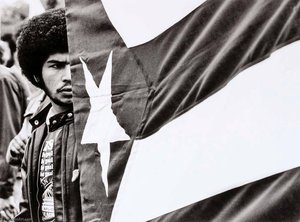
Tito (Blake Avenue, East New York)
 1963
1963 28.0 x 36.0 cm
 詳細を見る
詳細を見る
ジークレー/アートプリント
迅速な制作と多彩な仕上げオプションを備えた、ミュージアムクオリティのジークレーまたはキャンバスプリント。 ( 手描きの絵画を購入 画像を購入)




































作品のオリジナル比率に合わせた、当店の規定サイズからお選びください。

特定のフレームやスペースに合わせて、ご自身でサイズを指定することも可能です。選択されたサイズが元の画像の比率と一致しない場合、作品をトリミングするか、鏡面反射または単色での塗りつぶしによって画像を拡張いたします。制作を開始する前に、ご確認用のデジタルモックアップをお送りいたします。
画面上のプレビューには、実際のトリミングや拡張は反映されませんのでご注意ください。最終的な構図を正確に確認できるのは、モックアップのみとなります。
カスタムサイズも承っておりますが、元の比率を維持するためには、あらかじめ用意されたリストからサイズを選択することをお勧めいたします。


 ガラスオプションは、110cm未満のサイズでのみご利用いただけます。

Tito (Blake Avenue, East New York)
ジークレー/アートプリント
複製画のサイズ
-


合計金額
$ 62
Artist's Inspiration
Frank Espada was known for his documentation of social and political issues, particularly in the 1960s. His work often focused on the lives of marginalized communities, and Tito (Blake Avenue, East New York) is a prime example of this. The artist's use of photography as a medium allowed him to capture the raw emotion and reality of his subjects.Artistic Style
The photograph is characterized by its simplicity and intimacy. The composition is straightforward, with the subject placed prominently in the center of the frame. The use of black and white adds a sense of timelessness to the image, allowing the viewer to focus on the subject's expression and demeanor.- The painting is part of the collection at the Smithsonian American Art Museum in the United States.
- Frank Espada's work has been exhibited alongside other notable artists, including Ernest Clifford Peixotto and Paul Manship.
- For more information on Frank Espada and his work, visit the ArtsDot.com website.
The story behind Tito (Blake Avenue, East New York) is a fascinating one, and the painting itself is a testament to the power of photography as an art form. For those interested in learning more about Frank Espada and his work, visit the ArtsDot.com website or explore the collection at the Smithsonian American Art Museum.
関連作品







アーティストの略歴
The Lens of Resilience: The Life and Legacy of Frank Espada
In the bustling, often overlooked corners of New York City’s history, few figures captured the pulse of urban struggle and triumph as intimately as Francisco Luis Espada Roig. Known to the world as Frank Espada, this Puerto Rican-born photojournalist did not merely observe the streets; he lived them, documenting the profound textures of the human experience through a lens shaped by activism and empathy. Born in 1930 in Utuado, Puerto Rico, Espada’s early years were steeped in a deep connection to his heritage—a foundation that would later allow him to navigate the complex social landscapes of the Bronx, Harlem, and beyond with unparalleled sensitivity. His journey from the lush landscapes of Puerto Rico to the concrete canyons of New York City was more than a migration; it was the beginning of a lifelong mission to give a visual voice to the marginalized.
Espada’s artistic development was inextricably linked to his personal evolution as a citizen and an advocate. After serving in the United States Air Force during the Korean War, he pursued formal training at the New York Institute of Photography, honing a technical precision that would serve his documentary goals. However, it was his legal background—having earned a Juris Doctorate from Northeastern University—that provided him with a unique vantage point. As a specialist in tenant law, Espada witnessed the systemic inequities and the fight for housing justice firsthand. This dual identity as both a legal defender of the vulnerable and a visual chronicler allowed him to approach his subjects not as mere specimens of poverty or decay, but as protagonists in an ongoing struggle for dignity and civil rights.
A Visual Chronicle of the Diaspora
The work of Frank Espada is characterized by a profound sense of social realism. He did not seek out the spectacular or the staged; instead, he found greatness in the mundane and the monumental in the everyday. His photography often focused on the Puerto Rican diaspora, capturing the nuances of community life amidst the backdrop of urban change. Through his lens, we see the quiet strength of mothers, the unbrid/unbridled joy of children playing in Long Island City, and the gritty reality of graffiti-laden streets in Williamsburg. His ability to find beauty within decay—what many scholars call urban resilience—is perhaps his greatest technical and emotional achievement.
His photographic oeuvre is marked by several defining characteristics:
- The Power of Black and White: By utilizing monochrome tones, Espada stripped away the distractions of color to focus on contrast, texture, and the raw emotion of his subjects.
- Documentary Authenticity: His work avoids the voyeuristic; instead, it feels like an invitation into a community, often captured through his involvement with grassroots organizations like East New York Action.
- Narrative Depth: Each image, such as his poignant Man with Flag or his studies of youth in Hartford, tells a larger story of patriotism, struggle, and the search for identity within the American landscape.
Historical Significance and Lasting Impact
Frank Espada’s contribution to the history of American photojournalism lies in his ability to bridge the gap between art and activism. He was not a detached observer but an active participant in the movements he documented. His photographs serve as vital historical archives, preserving the faces and places of a New York City that has been irrevocably transformed by time. The presence of his work in prestigious institutions like the Smithsonian American Art Museum and the National Gallery of Art underscores his importance not just as a local chronicler, but as a significant figure in the broader canon of American documentary art.
Ultimately, the legacy of Frank Espada is one of visibility. He used the camera to ensure that the struggles of the underserved were seen, heard, and remembered. His life, spanning from the mountains of Puerto Rico to the heart of the Civil Rights Movement in America, remains a testament to the power of the visual narrative to foster empathy and inspire social change. Through his work, the ephemeral moments of urban life are granted a permanent, dignified existence, reminding us that even in the midst of hardship, there is an enduring spirit of resilience.
frank espada
1930 - 2014
基本情報
- Artistic Movement Or Style: Street Portrait Artist
- Artists Or Movements Influenced By This Artist: ['Social Realism']
- Artists Who Influenced This Artist: ['Edward Hopper']
- Date Of Birth: December 21, 1930
- Date Of Death: February 16, 2014
- Full Name: Francisco Luis Espada Roig
- Nationality: Puerto Rican
- Notable Artworks: ['Untitled Street Portrait']
- Place Of Birth: Utuado, Puerto Rico