

 プレビュー
プレビュー
 プリントを購入
 シェアする
シェアする シェアする
シェアする
 詳細を見る
詳細を見る

 ダウンロード
 似ている作品
 X線調査
X線調査 スライドショー
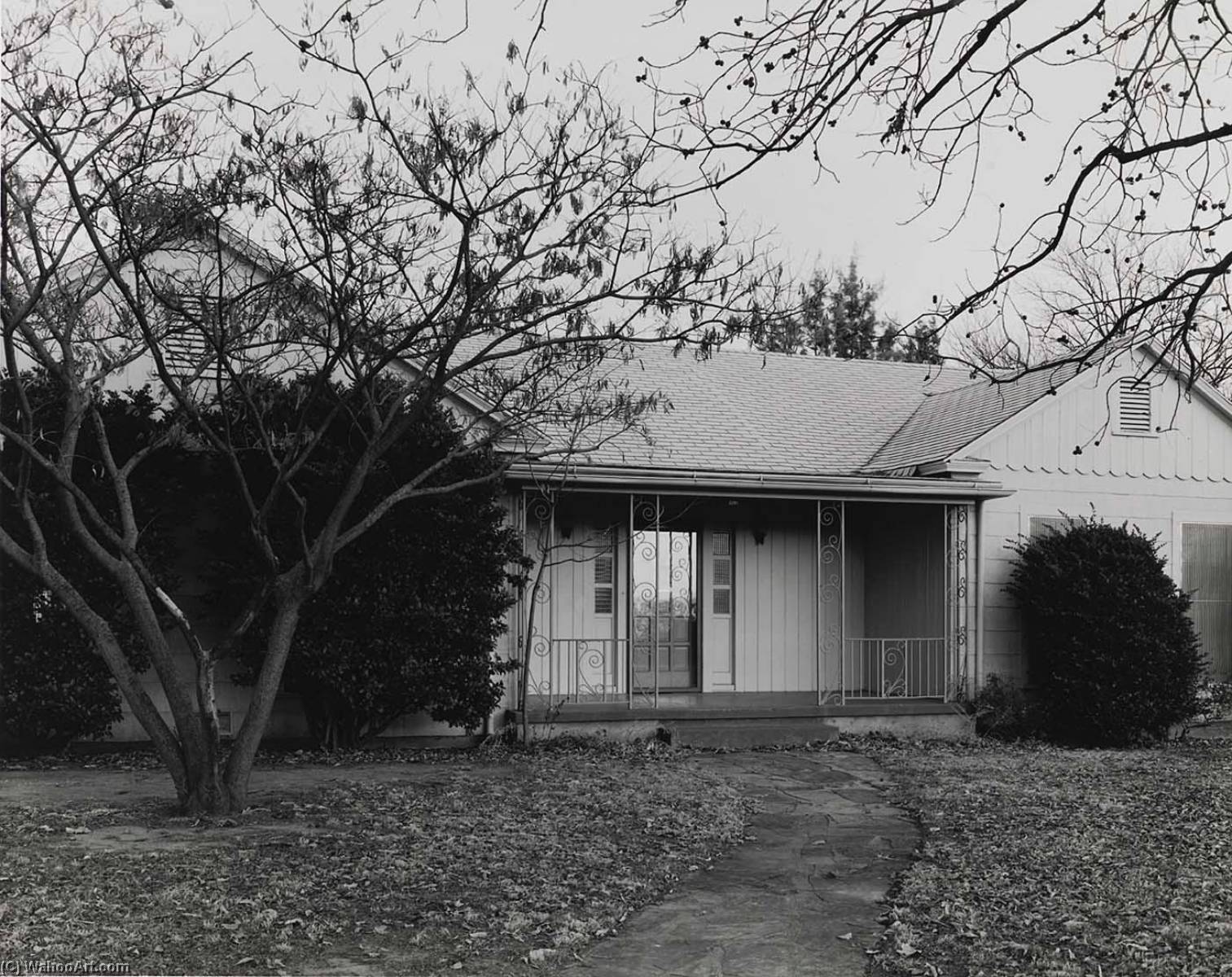
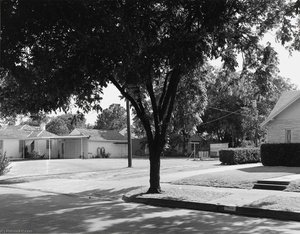
Front entrance of my parents' home, Wenonah and Kessler, Wichita Falls, 1978
 New Topographics
 2008
2008 41.0 x 51.0 cm
 詳細を見る
詳細を見る
オンラインプレビューをはるかに凌ぐ、高解像度で鮮明なデジタル画像をご購入いただけます。
各ファイルは、社内の専門家が高度なツールと熟練した手作業によるレタッチを用いて、細心の注意を払って準備されています。すべての画像において、卓越した鮮明度、正確な色彩再現性、そして繊細なディテールを保証いたします。
最終ファイルは、プロフェッショナルな編集・印刷環境ですぐにご利用いただけるよう最適化された状態で、72時間以内にメールにてお届けいたします。これは、一流のデザインスタジオ、出版社、ギャラリーから信頼されているものと同等の品質です。
デジタル画像のご注文に付随する特典
高品質なデジタル画像配信を、確かな品質で。
ArtsDot.com を選ぶことは、単に画像を手に入れることではありません。それは、プロの手によって精密に仕上げられ、満足保証が付いた高品質なデジタルアートワークを受け取ることを意味します。ご注文いただいた際に自動的に付随する内容は、以下の通りです:

メールですぐにお届け
ご注文から72時間以内に、高解像度のデジタル画像ファイルがメールでお手元に届きます。すぐにそのままご利用いただけます。

AI技術で最適化されたデジタルファイル
お客様の作品は、高度なAIツールと専門家による手作業の編集を組み合わせてプロフェッショナルに最適化されており、細部のディテール、鮮明さ、そして正確な色再現性を最大限に引き出しています。

一生涯無料の再送サービス
ファイルを誤って削除したり、紛失してしまったりしましたか?ご安心ください。いつでも無料で再送いたします。

輸入手数料は一切かかりません
関税や手数料、配送料を気にすることなく、お気に入りのアートワークをすぐにお楽しみいただけます。デジタルダウンロードは常に免税です。

色彩再現の保証
プロ仕様のツールとカラーマネジメント技術を用いることで、デジタル画像が元の色を最大限に忠実に再現することを保証いたします。

60日間満足保証
ご購入いただいたデジタル画像にご満足いただけない場合は、60日以内であれば、修正または100%の返金(理由を問う必要はありません)をさせていただきます。

100% 返金保証
ご満足いただけない場合は、デジタルファイルを受け取ってから60日以内であれば、理由を問わず全額返金いたします。

まとめ買い割引
3枚購入で10%OFF - 5枚購入で15%OFF - 10枚以上購入で20%OFF。クリエイティブなプロジェクト、ギャラリー、エージェンシーに最適です。
関連作品
作家の略歴
Frank Gohlke: A Chronicle of the American Landscape
Born in Wichita Falls, Texas, in 1942, Frank Gohlke’s artistic journey began not with grand ambitions but with a simple camera and an early fascination with capturing the world around him. His initial foray into photography as a teenager, fueled by membership in the Wichita Falls Camera Club, quickly evolved beyond family snapshots, leading to a deep engagement with process – learning to enlarge prints and mastering the technical aspects of gelatin silver development. This foundational period, marked by a subsequent abandonment of photography before graduating high school, reveals a complex relationship with the medium: an initial disinterest followed by a powerful return driven by a desire to truly *see* and document.
Gohlke’s formal education provided a crucial springboard for his artistic development. He initially attended Davidson College in North Carolina before transferring to the University of Texas at Austin, where he earned a Bachelor's degree in English Literature in 1964. Further enriching his intellectual and aesthetic grounding, he completed an M.A. in English Literature at Yale University in 1966. It was during this period of writer’s block that photography reemerged as a vital outlet, initially through the creation of near-still films using a Super 8 camera – a deliberate shift towards capturing fleeting moments and atmospheric qualities before transitioning to the more controlled medium of 35mm still photography.
A pivotal encounter with Walker Evans, then a Yale professor, profoundly shaped Gohlke’s approach. Evans's emphasis on documenting the American vernacular landscape—its everyday realities and subtle narratives—became a guiding principle for Gohlke’s own work. This influence is particularly evident in his early explorations of the Great Plains, culminating in his ambitious project to photograph the grain elevators that dominated the region’s agricultural heartland between 1972 and 1977. These towering structures, symbols of both prosperity and isolation, became central subjects, prompting Gohlke to consider their relationship to the surrounding landscape—a complex interplay of scale, function, and cultural significance.
The New Topographics and Beyond
Gohlke’s work gained significant recognition in 1975 with his inclusion in “New Topographics: Photographs of a Man-Altered Landscape,” a landmark exhibition at the International Museum of Photography at George Eastman House (now the George Eastman Museum). This movement, characterized by its unflinching documentation of the effects of human intervention on the natural world—roads, dams, and industrial landscapes—established Gohlke as a key figure in contemporary landscape photography. The exhibition’s focus on the often-overlooked vernacular landscape – the ordinary, everyday places shaped by human activity – resonated deeply with Gohlke's own artistic concerns.
Following “New Topographics,” Gohlke continued to explore themes of transformation and recovery. The devastating 1979 tornado that ravaged his hometown of Wichita Falls served as a catalyst for a powerful series of photographs documenting the city’s aftermath, meticulously reconstructing previous views to illustrate the scale of destruction and the arduous process of rebuilding. This project demonstrated Gohlke's commitment to confronting difficult subjects with honesty and precision, employing sequential photography—rephotography—to reveal the passage of time and the enduring impact of trauma.
Documenting Catastrophes and Transformations
Gohlke’s photographic interests extended beyond local events. His documentation of Mount St. Helens following its 1980 eruption showcased his ability to capture both the immediate devastation and the long-term changes occurring in the landscape. Employing aerial and panoramic views, as well as sequential photography over several years, he created a comprehensive record of the volcano’s impact—a testament to nature's power and resilience. This work reflects a broader fascination with geological processes and their interaction with human settlements.
Beyond these monumental events, Gohlke has also documented agricultural landscapes in central France, capturing the rhythms of rural life and the relationship between farmers and their land. His journey to Kazakhstan in 2013-2014 resulted in a compelling series of photographs exploring the region’s wild apple forests—a rapidly disappearing ecosystem threatened by development. These diverse projects reveal a consistent commitment to documenting landscapes undergoing transformation, whether through natural disasters or human activity.
Legacy and Recognition
Frank Gohlke's work has been exhibited extensively in museums and galleries around the world, including the Museum of Modern Art (MoMA) in New York, the Metropolitan Museum of Art, and the Art Institute of Chicago. His photographs are included in numerous permanent collections, a testament to their enduring significance. He has received prestigious awards, including two Guggenheim Fellowships, two National Endowment for the Arts Fellowships, and a Fulbright Scholar Grant—recognizing his contributions to American photography.
Gohlke’s influence extends beyond his individual work; he is considered a key figure in the development of landscape photography as a serious artistic medium. His meticulous approach, combined with a keen eye for detail and a profound understanding of place, has left an indelible mark on the genre. His photographs invite viewers to contemplate the complex relationship between humans and the natural world—a theme that remains profoundly relevant in the 21st century.
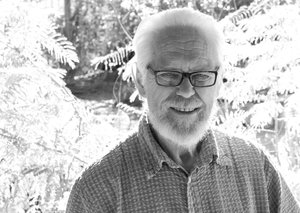
Frank Gohlke
1942 - , United States of America
プロフィール概要
- Artistic Movement Or Style: Landscape photography; New Topographics
- Artists Or Movements Influenced By This Artist: ['New Topographics']
- Artists Who Influenced This Artist:
- Walker Evans
- Paul Caponigro
- Date Of Birth: April 3, 1942
- Full Name: Frank William Gohlke
- Nationality: American
- Notable Artworks:
- Aerial View Tulsa
- Heat & Shade Milby Ave
- Measure of Emptiness
- Place Of Birth: Wichita Falls, Texas

