

 プレビュー
プレビュー
 プリントを購入
 シェアする
シェアする シェアする
シェアする
 詳細を見る
詳細を見る

 ダウンロード
 似ている作品
 X線調査
X線調査 スライドショー
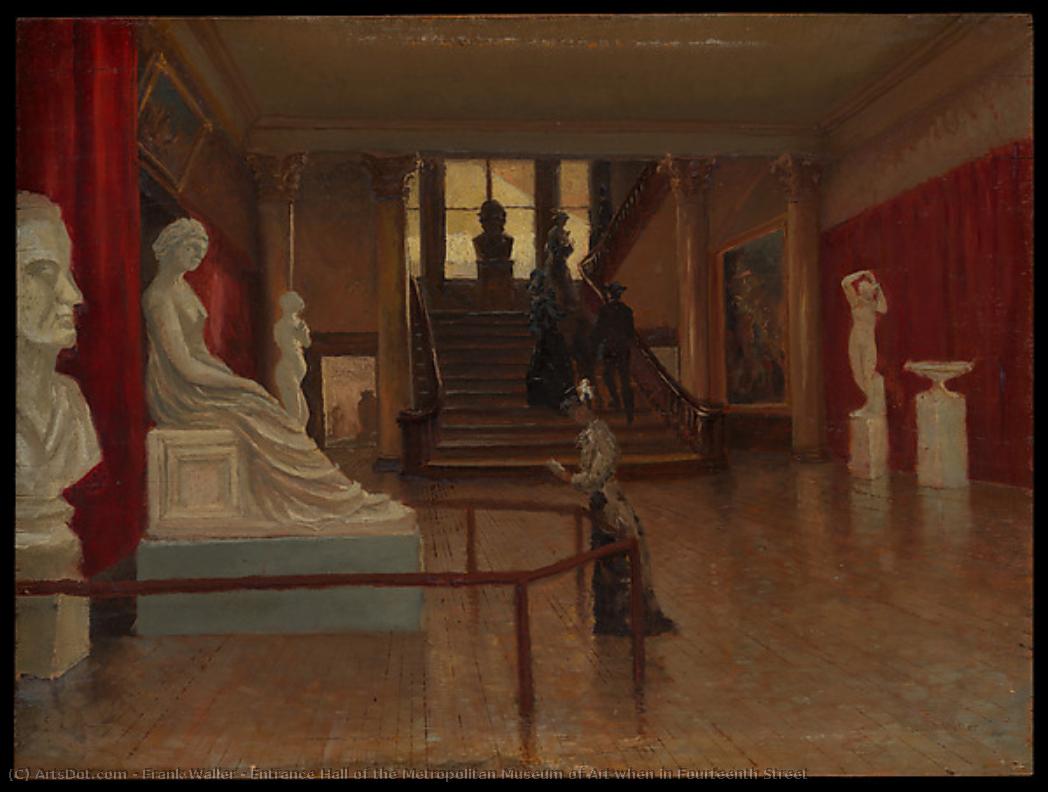
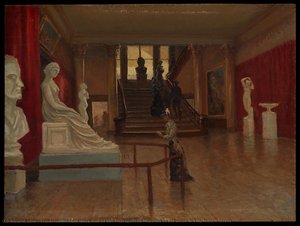
Entrance Hall of the Metropolitan Museum of Art when in Fourteenth Street
 Oil On Canvas
- WallArt
- Realism
 1881
1881- 19th Century
 31.0 x 41.0 cm
 メトロポリタン美術館
 詳細を見る
詳細を見る
オンラインプレビューをはるかに凌ぐ、高解像度で鮮明なデジタル画像をご購入いただけます。
各ファイルは、社内の専門家が高度なツールと熟練した手作業によるレタッチを用いて、細心の注意を払って準備されています。すべての画像において、卓越した鮮明度、正確な色彩再現性、そして繊細なディテールを保証いたします。
最終ファイルは、プロフェッショナルな編集・印刷環境ですぐにご利用いただけるよう最適化された状態で、72時間以内にメールにてお届けいたします。これは、一流のデザインスタジオ、出版社、ギャラリーから信頼されているものと同等の品質です。
デジタル画像のご注文に付随する特典
高品質なデジタル画像配信を、確かな品質で。
ArtsDot.com を選ぶことは、単に画像を手に入れることではありません。それは、プロの手によって精密に仕上げられ、満足保証が付いた高品質なデジタルアートワークを受け取ることを意味します。ご注文いただいた際に自動的に付随する内容は、以下の通りです:

メールですぐにお届け
ご注文から72時間以内に、高解像度のデジタル画像ファイルがメールでお手元に届きます。すぐにそのままご利用いただけます。

AI技術で最適化されたデジタルファイル
お客様の作品は、高度なAIツールと専門家による手作業の編集を組み合わせてプロフェッショナルに最適化されており、細部のディテール、鮮明さ、そして正確な色再現性を最大限に引き出しています。

一生涯無料の再送サービス
ファイルを誤って削除したり、紛失してしまったりしましたか?ご安心ください。いつでも無料で再送いたします。

輸入手数料は一切かかりません
関税や手数料、配送料を気にすることなく、お気に入りのアートワークをすぐにお楽しみいただけます。デジタルダウンロードは常に免税です。

色彩再現の保証
プロ仕様のツールとカラーマネジメント技術を用いることで、デジタル画像が元の色を最大限に忠実に再現することを保証いたします。

60日間満足保証
ご購入いただいたデジタル画像にご満足いただけない場合は、60日以内であれば、修正または100%の返金(理由を問う必要はありません)をさせていただきます。

100% 返金保証
ご満足いただけない場合は、デジタルファイルを受け取ってから60日以内であれば、理由を問わず全額返金いたします。

まとめ買い割引
3枚購入で10%OFF - 5枚購入で15%OFF - 10枚以上購入で20%OFF。クリエイティブなプロジェクト、ギャラリー、エージェンシーに最適です。
A Glimpse of Early Majesty: Waller’s Vision for The Met
Frank Waller's “Entrance Hall of the Metropolitan Museum of Art when in Fourteenth Street” isn’t merely a depiction of a museum space; it’s a carefully constructed tableau of ambition, cultural aspiration, and the nascent pride of a young nation. Painted in 1881, this oil on canvas transports us back to The Met's formative years – a time when the institution was still establishing its identity and solidifying its role as a cornerstone of American art and scholarship. Waller, an architect deeply invested in the educational mission of museums, sought to capture not just the physical architecture but also the *feeling* of encountering such a monumental space for the first time. The scene unfolds within the Douglas Mansion, then serving as The Met’s temporary home, a period brimming with experimentation and a palpable sense of building towards something grander.
The painting immediately establishes a feeling of controlled elegance. Waller masterfully employs atmospheric perspective – the subtle shift in color and detail as objects recede into the distance – to create an illusion of immense depth within the hall. The sweeping staircase, rendered with meticulous attention to form and light, draws the eye upwards, inviting the viewer to ascend into the museum’s heart. The diffused natural light filtering through the large windows contributes significantly to this sense of spaciousness, bathing the scene in a soft, almost reverent glow. It's a deliberate choice, suggesting an atmosphere conducive to contemplation and appreciation of art.
A Symphony of Classical Detail: Technique and Composition
Waller’s technique is characterized by a remarkable blend of realism and impressionism. He meticulously observes the details – the texture of the wooden floorboards, the folds in the drapery, the subtle expressions on the faces of the visitors – yet simultaneously employs loose brushstrokes and a muted color palette to evoke a sense of atmosphere and mood. The composition is carefully balanced, with the central focus firmly placed on William Wetmore Story’s “Polyxena,” a Roman sculpture depicting the daughter of Achilles, prominently displayed for viewing by museum patrons. The placement of the woman consulting the guidebook anchors the scene, highlighting the active engagement between art and audience.
Notice how Waller utilizes lines to define architectural elements – the straight edges of the windows, the geometric forms of the sculptures, and the precise angles of the staircase. These linear structures provide a sense of order and stability within the composition, contrasting subtly with the softer, more atmospheric rendering of light and shadow. The brushwork itself is deliberately textured, adding a tactile quality to the painting and reinforcing the impression of a richly detailed environment.
Symbolism and the American Spirit
Beyond its technical merits, “Entrance Hall” carries significant symbolic weight. The inclusion of “Polyxena,” a classical sculpture deeply rooted in Roman mythology, speaks to America’s fascination with antiquity and its desire to emulate the achievements of past civilizations. Waller's decision to depict this particular artwork underscores the museum’s commitment to preserving and celebrating Western artistic heritage. The presence of the woman studying the guidebook represents the burgeoning interest in art education within American society – a key element of Waller’s own advocacy for museums as centers of learning.
Furthermore, the scene embodies the spirit of progress and optimism characteristic of late 19th-century America. The grand scale of the hall, combined with the attentive engagement of its visitors, suggests a nation confident in its future and eager to embrace the transformative power of art and culture. Waller’s painting serves as a visual testament to this burgeoning sense of national identity.
A Timeless Masterpiece: Reproduction and Legacy
Reproduced faithfully today, “Entrance Hall of the Metropolitan Museum of Art when in Fourteenth Street” remains a captivating window into a pivotal moment in American art history. Its enduring appeal lies not only in its technical brilliance but also in its ability to evoke a powerful emotional response – a sense of wonder, curiosity, and appreciation for the beauty and significance of artistic creation. This artwork offers a unique glimpse into the early days of one of the world’s leading museums, reminding us of the vital role that institutions like The Met play in shaping our understanding of the past and inspiring our vision for the future.
関連作品





作家の略歴
american architect, orientalist, and landscape painter (1842-1923)
in the realm of american art, few names shine as brightly as frank waller (painter), a multifaceted artist whose contributions to architecture, orientalism, and landscape painting are undeniable. born in 1842 in new york city and passing away in morristown, nj in 1923, waller's life was a testament to his passion for the arts.early life and education
waller's artistic journey began with the study of commercial art at the new york free academy from 1857 to 1861. this foundational education laid the groundwork for his future endeavors. he first exhibited his work at the national academy of design in 1870, marking the beginning of a prolific career.european influences and architectural pursuits
undertaking a study trip to europe, waller spent time in rome, studying under john gadsby chapman. this exposure broadened his artistic horizons, influencing his later work. initially, he worked as an architect from 1885 and was a member of the architectural league of new york, reflecting his diverse skill set.landscape painting and legacy
from 1895 until his death in 1923, waller dedicated himself to landscape painting. this period saw the creation of numerous pieces, including entrance hall of the metropolitan museum of art when in fourteenth street, a testament to his skill in capturing the essence of new york city's architectural landmarks.- notable works:
- entrance hall of the metropolitan museum of art when in fourteenth street (the metropolitan museum of art, new york, united states)
- other notable pieces include studies from nature and landscapes reflecting his deep connection with the american landscape.
- influences:
- european art movements
- orientalism
- american architectural styles
- museums and collections:
- the metropolitan museum of art, new york, united states
- other institutions holding his works include the smithsonian american art museum, washington, united states.
conclusion
frank waller (painter) leaves behind a legacy that is as multifaceted as the man himself. from his architectural beginnings to his eventual dedication to landscape painting, each piece serves as a window into the soul of america during its most formative years.- explore more of frank waller's works on ArtsDot.
- discover other american artists and their contributions to the art world through ArtsDot's artist directory.
frank waller (painter)
1842 - 1923 , United States of America
プロフィール概要
- Artistic Movement Or Style: Orientalism, Landscape painting
- Artists Or Movements Influenced By This Artist: ['European art movements']
- Artists Who Influenced This Artist: ['John Gadsby Chapman']
- Date Of Birth: June 12, 1842
- Date Of Death: March 9, 1923
- Full Name: Frank Waller
- Nationality: American
- Notable Artworks:
- Entrance Hall of the Metropolitan Museum of Art when in Fourteenth Street
- Egyptian Life
- Place Of Birth: New York City, United States

