

 プレビュー
プレビュー
 プリントを購入
 シェアする
シェアする シェアする
シェアする
 詳細を見る
詳細を見る

 ダウンロード
 似ている作品
 X線調査
X線調査 スライドショー
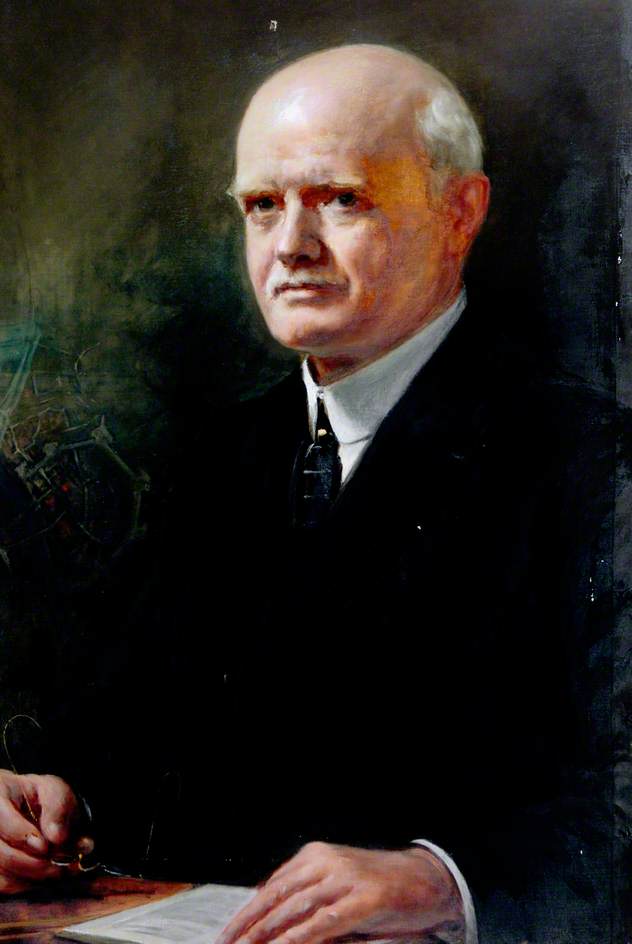
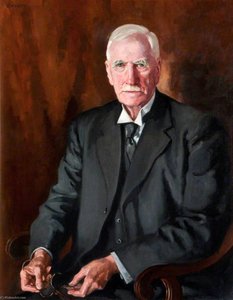
Robert Dickinson, Borough Surveyor (1890–1929)
 Other
Other 73.0 x 52.0 cm
 Berwick-upon-tweed Town Hall
 詳細を見る
詳細を見る




P118B $10

P118H $10

P118W $10

P438Z $10

P508JH $12

P508YH $12

P805H $10

P805Z $10

P919BZ $10

P919G $10

P919XJ $10

P959ZH $10

P968JZ $12

W106C $8

W218G $10

W218JH $8

W218Y $10

W307PJ $10

W316G $10

W316PJ $8

W316Y $10

W398PJ $8

W4111J $10

W500HY $15

W500JH $15

W692G $12

W849H $8

W940BG $15

W953PJ $8




作品のオリジナル比率に合わせた、当店の規定サイズからお選びください。

特定のフレームやスペースに合わせて、ご希望のサイズをご入力いただけます。選択されたサイズが元の画像の比率と異なる場合、アートワークをトリミングするか、手描きで要素を追加して絵画を拡張いたします。デジタルモックアップ を制作し、制作開始前にご確認(承認)をいただきます。
画面上のプレビューは、実際のトリミングや拡張を正確に反映しているものではありません。最終的な構図は、モックアップによってのみ正確にご確認いただけます。
カスタムサイズもご利用いただけますが、元の比率を維持するためには、あらかじめ用意されたリストからサイズを選択することをお勧めいたします。
ご注文後、ArtsDot.com チームより詳細な指示をお送りするとともに、仕上がりイメージ(モックアップ)をご提供いたします。


 ガラスオプションは、110cm未満のサイズでのみご利用いただけます。

Robert Dickinson, Borough Surveyor (1890–1929)
複製技法
複製画のサイズ
-


合計金額
$ 263
関連作品
アーティストの略歴
Frank Watson Wood: A Northumberland Master of Light and Sea
Francis Watson Wood (1862-1953) wasn’t merely a painter; he was a chronicler of his beloved Northumberland, a meticulous observer of the shifting light on its landscapes and the ever-changing moods of its coastline. Born in Berwick-upon-Tweed, a town steeped in history and strategically positioned at the confluence of England, Scotland, and Wales, Wood’s artistic journey began with a grounding in practical skills – initially as a grocer's apprentice – but quickly revealed a profound talent that demanded expression beyond the mundane. This early shift towards art marked the beginning of a career defined by an unwavering dedication to capturing the essence of his surroundings, particularly the dramatic interplay between land and sea.
Wood’s formal artistic training commenced at the Berwick School of Art, followed by studies at the South Kensington Art School in London and later the Newcastle School of Art. These formative years instilled in him a rigorous approach to observation and technique, coupled with an appreciation for the academic traditions of watercolour painting. However, it was his time serving as a Royal Navy officer that truly shaped his artistic vision. Witnessing firsthand the grandeur and power of naval vessels against the backdrop of Northumberland’s rugged coastline ignited a lifelong passion for depicting ships at sea – not just as static objects, but as dynamic participants in a constantly evolving drama of light, wind, and water.
The Navy and the Landscape: A Dual Focus
Wood's naval service wasn’t simply a source of subject matter; it profoundly influenced his artistic style. His years amongst officers aboard various ships provided him with unparalleled access to detailed observations of ship design, rigging, and the subtle nuances of maritime life. This intimate knowledge translated into remarkably accurate and evocative paintings – not just of warships themselves, but also of their interactions with the surrounding environment. He became renowned for his ability to capture the shimmering reflections on a wet deck, the billowing sails catching the wind, and the dramatic interplay of light and shadow across the water’s surface.
However, Wood was far from solely dedicated to maritime subjects. A deep love for Northumberland's landscapes – its rolling hills, heather-clad moors, and picturesque villages – remained a constant thread throughout his career. He frequently returned to paint scenes familiar from his childhood, imbuing them with the same meticulous detail and atmospheric sensitivity that characterized his naval works. These landscape paintings offer a poignant glimpse into a Northumberland slowly changing in the late 19th and early 20th centuries, reflecting both the beauty of the region and Wood’s personal connection to it.
Technique and Style: Light, Color, and Detail
Wood's distinctive style is characterized by a remarkable command of watercolour technique. He employed a layered approach, building up washes of color gradually to create luminous effects and subtle tonal variations. His use of light was particularly masterful – he expertly captured the shifting qualities of sunlight across water and landscape, creating paintings that seem to shimmer with an inner radiance. He paid meticulous attention to detail, rendering every element—from the rigging of a ship to the texture of heather—with astonishing accuracy.
Furthermore, Wood’s work demonstrates a keen understanding of composition and perspective. He often employed atmospheric perspective – using lighter colors and softer edges to suggest distance – to create a sense of depth and scale. His paintings are not merely representations of scenes; they are carefully constructed narratives that invite the viewer to immerse themselves in the world he depicts.
Legacy and Recognition
Frank Watson Wood’s work gained considerable recognition during his lifetime, with exhibitions at prestigious venues such as the Royal Academy, the Royal Society of Artists, and the Royal Watercolour Society. His paintings are now held in public collections across Britain, including the National Maritime Museum in Greenwich, and private collections worldwide. His legacy extends beyond his individual artistic achievements; he is remembered as a key figure in the revival of watercolour painting in Britain during the early 20th century.
Wood’s paintings continue to resonate with viewers today because they capture not only the beauty of Northumberland but also the spirit of a bygone era. They offer a poignant reminder of the enduring power of art to transport us to other times and places, and to connect us to the landscapes and communities that shape our lives.
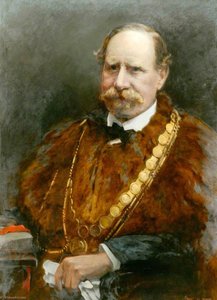
frank watson wood
1862 - 1953
基本情報
- Artistic Movement Or Style: Marine painting, landscapes
- Artists Or Movements Influenced By This Artist: ['Romanticism']
- Artists Who Influenced This Artist: ['William Wyllie']
- Date Of Birth: 19 September 1862
- Date Of Death: 23 March 1953
- Full Name: Francis Watson Wood
- Nationality: British
- Notable Artworks:
- The 'Susan' with Fishing Boats
- Lieutenant Colonel Pennyman
- Robert Dickinson
- Place Of Birth: Berwick-upon-Tweed, UK
関連記事

Dark Masterpieces: 10 Iconic Paintings Dominated by Black Tones |
Explore 10 iconic paintings dominated by black tones, from Rembrandt’s chiaroscuro to Goya's dark expressions. Discover the stories behind these masterpieces & find museum-quality art reproductions for your home at .

Mars Black Masterpieces: 10 Iconic Paintings & Timeless Art Decor Ideas
Delve into the power of 'Mars Black' with 10 iconic paintings by masters like Rembrandt & Caravaggio. Explore dramatic chiaroscuro, gothic art, and timeless beauty. Find museum-quality reproductions & elevate your home decor on .

Hubert Robert: Picturing Ruins, Preserving Memory – A Study of Romantic Antiquarianism & Artistic Innovation
Explore the captivating world of Hubert Robert, master of Romantic landscape painting & 'capriccio' ruins. Discover his historical context, artistic innovations, and collecting insights with ArtsDot.
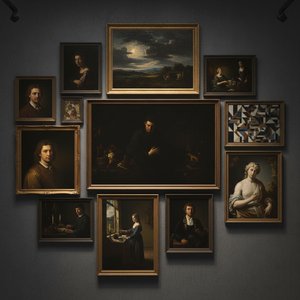
Lamp Black & Masterpieces: 10 Paintings That Define Shadow & Light |
Delve into the captivating world of 'Lamp Black' tones with 10 iconic paintings by masters like Rembrandt & Caravaggio. Explore Baroque chiaroscuro, dramatic lighting & shadow in art history. Find museum-quality reproductions at

David Roberts: A Scottish Pioneer of Topographical Art & Orientalist Vision
Explore the captivating world of David Roberts, a pioneering Scottish painter renowned for his detailed Orientalist scenes & stunning Egyptian landscapes. Discover his legacy and find museum-quality reproductions at ArtsDot.

