

 プレビュー
プレビュー
 シェアする
シェアする シェアする
シェアする
 詳細を見る
詳細を見る

 ダウンロード
 似ている作品
 X線調査
X線調査 スライドショー
 統計情報
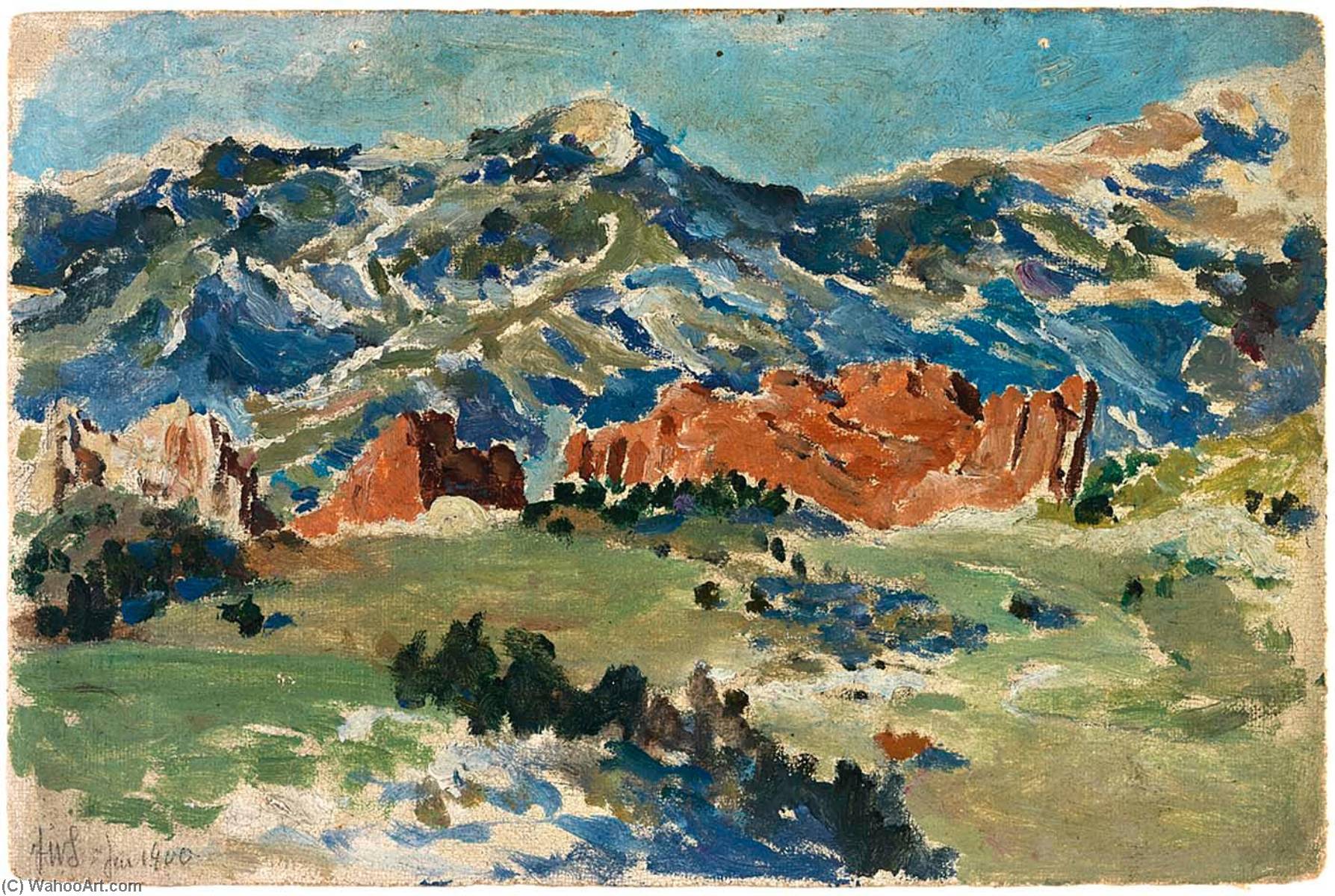
統計情報Garden of the Gods, Colorado
 1900
1900 15.0 x 23.0 cm
 詳細を見る
詳細を見る
オンラインプレビューをはるかに凌ぐ、高解像度で鮮明なデジタル画像をご購入いただけます。
各ファイルは、社内の専門家が高度なツールと熟練した手作業によるレタッチを用いて、細心の注意を払って準備されています。すべての画像において、卓越した鮮明度、正確な色彩再現性、そして繊細なディテールを保証いたします。
最終ファイルは、プロフェッショナルな編集・印刷環境ですぐにご利用いただけるよう最適化された状態で、72時間以内にメールにてお届けいたします。これは、一流のデザインスタジオ、出版社、ギャラリーから信頼されているものと同等の品質です。
デジタルアート
個人での鑑賞、印刷、クリエイティブなプロジェクト用に、高解像度ファイルをダウンロードできます。 ( プリント版に切り替え 手描きの絵画を購入)
デジタル画像のご注文に付随する特典
高品質なデジタル画像配信を、確かな品質で。
ArtsDot.com を選ぶことは、単に画像を手に入れることではありません。それは、プロの手によって精密に仕上げられ、満足保証が付いた高品質なデジタルアートワークを受け取ることを意味します。ご注文いただいた際に自動的に付随する内容は、以下の通りです:

メールですぐにお届け
ご注文から72時間以内に、高解像度のデジタル画像ファイルがメールでお手元に届きます。すぐにそのままご利用いただけます。

AI技術で最適化されたデジタルファイル
お客様の作品は、高度なAIツールと専門家による手作業の編集を組み合わせてプロフェッショナルに最適化されており、細部のディテール、鮮明さ、そして正確な色再現性を最大限に引き出しています。

一生涯無料の再送サービス
ファイルを誤って削除したり、紛失してしまったりしましたか?ご安心ください。いつでも無料で再送いたします。

輸入手数料は一切かかりません
関税や手数料、配送料を気にすることなく、お気に入りのアートワークをすぐにお楽しみいただけます。デジタルダウンロードは常に免税です。

色彩再現の保証
プロ仕様のツールとカラーマネジメント技術を用いることで、デジタル画像が元の色を最大限に忠実に再現することを保証いたします。

100日間満足保証
ご購入いただいたデジタル画像にご満足いただけない場合は、100日以内であれば、理由を問わず修正または100%の返金対応をさせていただきます。

100% 返金保証
ご満足いただけない場合は、デジタルファイルを受け取ってから100日以内であれば、理由を問わず全額返金いたします。

まとめ買い割引
3枚購入で10%OFF - 5枚購入で15%OFF - 10枚以上購入で20%OFF。クリエイティブなプロジェクト、ギャラリー、エージェンシーに最適です。
Artistic Style and Technique
Frank Wilbert Stokes was an American sketch artist and painter who specialized in illustrations of arctic and antarctic themes. His work on Garden of the Gods, Colorado showcases his ability to capture the beauty of nature with precision and detail. The painting is set in a valley, where a group of trees can be seen scattered throughout the scene. These trees add to the natural beauty and tranquility of the landscape. Key Features of the Painting:- The majestic mountain range with snow-capped peaks
- The red rock formations that create an interesting contrast against the blue sky
- The serene valley with a group of trees scattered throughout the scene
Similar Paintings and Artists
Other notable paintings that showcase the beauty of Colorado include Grand Canyon of the Colorado by Thomas Moran, available at /art/list/?Filter=grand+canyon+of+the+colorado,grand,canyon,colorado&, and On the Cache la Poudre River, Colorado by Thomas Worthington Whittredge, available at /art/list/?Filter=8DP9G6-Thomas-Worthington-Whittredge-On-the-Cache-la-Poudre-River-Colorado. The American Museum of Western Art in Colorado is also a great resource for learning about Western art, visit /art/list/?Filter=A@D3C4V3-Discover-the-American-Museum-of-Western-Art-(Colorado-Brazil)-and-its-Maste..The Garden of the Gods, Colorado is a must-see for anyone who appreciates landscape paintings and the beauty of nature. With its stunning mountain range, serene valley, and red rock formations, this painting is a true masterpiece.
関連作品








作家の略歴
Frank Wilbert Stokes: Pioneer of Arctic and Antarctic Art
Born in Nashville, Tennessee, in 1858, Frank Wilbert Stokes emerged as a singular figure in the late 19th and early 20th centuries – an American artist uniquely dedicated to capturing the stark beauty and challenging conditions of the Arctic and Antarctic. His career wasn’t defined by grand, sweeping landscapes typical of many artists of his era; instead, Stokes meticulously documented expeditions, scientific discoveries, and the subtle nuances of frozen environments, establishing himself as a crucial chronicler of these remote regions. His work stands as a testament to both artistic skill and an unwavering fascination with the unexplored corners of our planet.
Stokes’s early artistic training laid the foundation for his distinctive style. He began his formal studies at the Pennsylvania Academy of the Fine Arts under the renowned Thomas Eakins, absorbing classical techniques and principles of observation. However, it was a nine-year sojourn in England and France that profoundly shaped his approach. In Paris, he immersed himself in the ateliers of the École nationale supérieure des beaux-arts, learning from Jean-Léon Gérôme – known for his historical paintings – the Académie Colarossi under Raphaël Collin, and the Académie Julian under Gustave Boulanger. Crucially, Stokes wasn’t merely replicating established styles; he was actively engaging with the burgeoning Impressionist movement, evident in his use of light, color, and a looser brushstroke that sought to capture fleeting moments and atmospheric effects. This blend of classical discipline and modern sensibility became a hallmark of his oeuvre.
Expeditions and Scientific Collaboration
Stokes’s artistic pursuits were inextricably linked to scientific exploration. His career truly blossomed during a period of intense Arctic and Antarctic research, and he actively sought opportunities to participate in these groundbreaking expeditions. In 1886 and 1892-1894, he joined Robert Peary's team on several ventures into northern Greenland, meticulously sketching the landscapes and documenting the challenges faced by the explorers. This experience instilled in him a deep respect for the harsh realities of the Arctic environment – its unrelenting cold, treacherous ice, and the resilience required to survive.
His most significant contribution came during the Swedish Antarctic Expedition led by Otto Nordenskjöld in 1902. While stationed on Snow Hill Island, Stokes didn’t just observe; he actively collected specimens of Mesozoic fossils – ammonites, bivalves, and a lobster (later identified as *Hoploparia stokesi*, named in his honor) – providing invaluable evidence for paleontological research. This collaboration between artist and scientist was rare at the time and demonstrated Stokes’s commitment to both artistic expression and scientific understanding. Later, he participated in the Amundsen-Ellsworth expeditions of 1909 and 1910, further solidifying his reputation as a skilled observer and documentarian.
Artistic Style and Techniques
Stokes’s artistic style can be characterized by its meticulous detail, atmospheric perspective, and a subtle yet powerful sense of drama. His sketches, often rendered in chalk or charcoal, captured the textures of ice, snow, and rock with remarkable accuracy. He employed a muted color palette – predominantly blues, grays, and whites – to convey the coldness and vastness of the Arctic and Antarctic landscapes. While influenced by Impressionism, his work never succumbed to fleeting effects; instead, he carefully constructed compositions that conveyed a sense of stability and permanence, reflecting the enduring nature of these frozen environments.
His paintings, particularly those created during the American Museum of Natural History murals in 1909 and 1910, showcased his ability to translate three-dimensional space onto a two-dimensional surface. He skillfully used light and shadow to create depth and volume, capturing the dramatic interplay of sunlight on ice and snow. The influence of classical composition is evident in his carefully balanced arrangements and attention to detail.
Legacy and Recognition
Frank Wilbert Stokes’s work has been recognized for its historical significance and artistic merit. A substantial collection of his sketches and paintings resides within the Smithsonian American Art Museum, a testament to his enduring legacy. His meticulous documentation of Arctic and Antarctic expeditions provided invaluable visual records of these remote regions during a period when exploration was still in its early stages.
Beyond his artistic achievements, Stokes’s collaboration with scientists like Stuart Weller highlights the importance of interdisciplinary research. *Hoploparia stokesi*, named after him, stands as a lasting reminder of his contribution to paleontology and underscores the interconnectedness of art and science. Frank Wilbert Stokes remains an important figure in American art history – a pioneer who dared to venture into the frozen frontiers and capture their beauty with unwavering dedication.
frank wilbert stokes
1858 - 1955
プロフィール概要
- Artistic Movement Or Style: Impressionist & Sketching
- Artists Or Movements Influenced By This Artist:
- Impressionism
- Arctic Art
- Artists Who Influenced This Artist:
- Thomas Eakins
- Jean-Léon Gérôme
- Raphaël Collin
- Gustave Boulanger
- Date Of Birth: November 27, 1858
- Date Of Death: 1955
- Full Name: Frank Wilbert Stokes
- Nationality: American
- Notable Artworks:
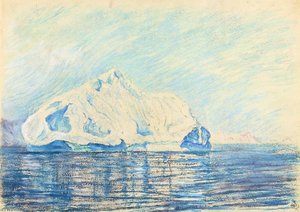
- Iceberg Summer Arctic
- King Oscar II Land
- An Iceberg off Palmer Island
- Place Of Birth: Nashville, Tennessee, USA