

 プレビュー
プレビュー
 プリントを購入
 シェアする
シェアする シェアする
シェアする
 詳細を見る
詳細を見る

 ダウンロード
 似ている作品
 X線調査
X線調査 スライドショー
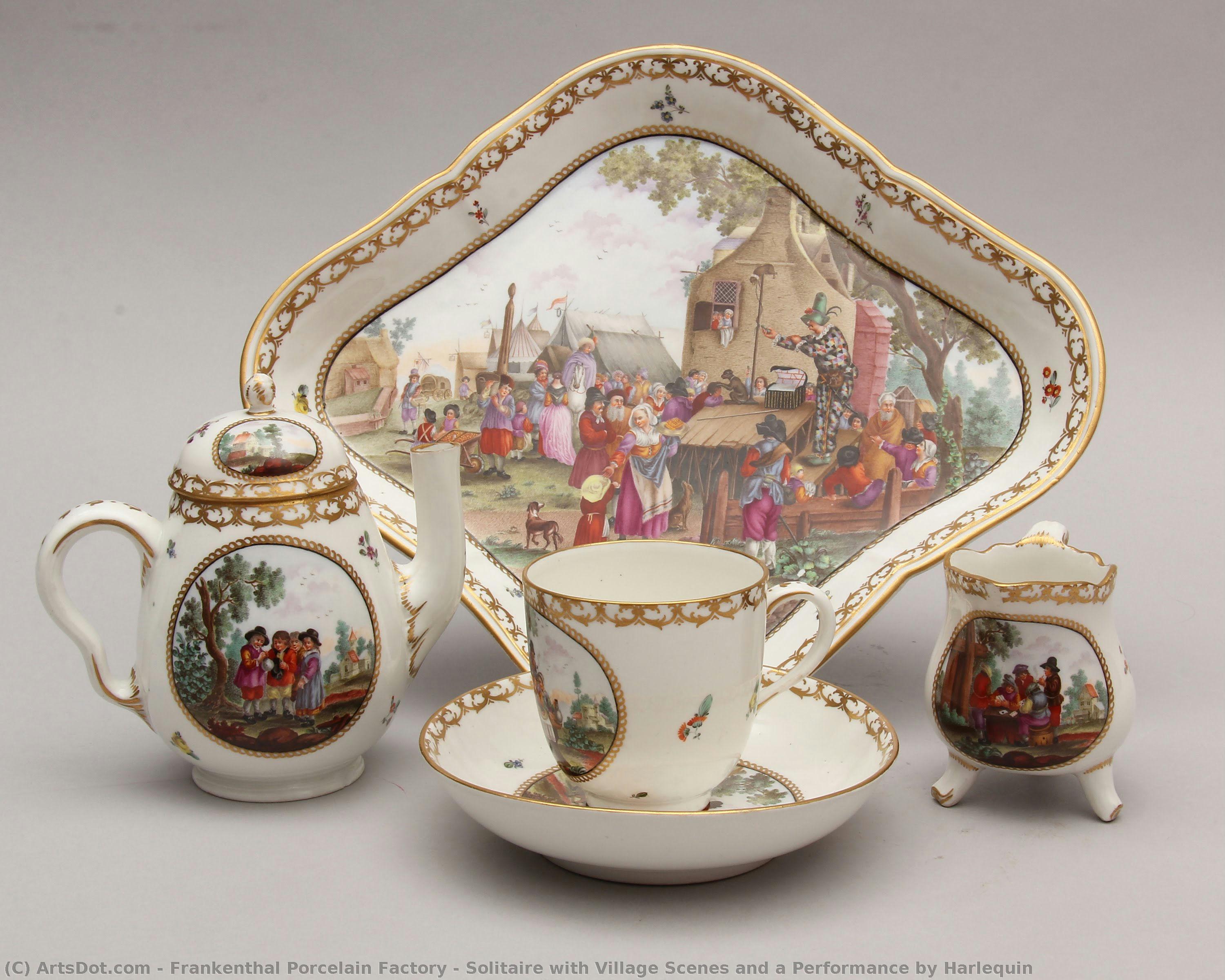
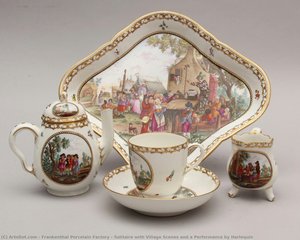
Solitaire with Village Scenes and a Performance by Harlequin
 Rococo
 1770
1770 3.0 x 29.0 cm
 Gardiner Museum of Ceramic Art
 詳細を見る
詳細を見る
オンラインプレビューをはるかに凌ぐ、高解像度で鮮明なデジタル画像をご購入いただけます。
各ファイルは、社内の専門家が高度なツールと熟練した手作業によるレタッチを用いて、細心の注意を払って準備されています。すべての画像において、卓越した鮮明度、正確な色彩再現性、そして繊細なディテールを保証いたします。
最終ファイルは、プロフェッショナルな編集・印刷環境ですぐにご利用いただけるよう最適化された状態で、72時間以内にメールにてお届けいたします。これは、一流のデザインスタジオ、出版社、ギャラリーから信頼されているものと同等の品質です。
デジタル画像のご注文に付随する特典
高品質なデジタル画像配信を、確かな品質で。
ArtsDot.com を選ぶことは、単に画像を手に入れることではありません。それは、プロの手によって精密に仕上げられ、満足保証が付いた高品質なデジタルアートワークを受け取ることを意味します。ご注文いただいた際に自動的に付随する内容は、以下の通りです:

メールですぐにお届け
ご注文から72時間以内に、高解像度のデジタル画像ファイルがメールでお手元に届きます。すぐにそのままご利用いただけます。

AI技術で最適化されたデジタルファイル
お客様の作品は、高度なAIツールと専門家による手作業の編集を組み合わせてプロフェッショナルに最適化されており、細部のディテール、鮮明さ、そして正確な色再現性を最大限に引き出しています。

一生涯無料の再送サービス
ファイルを誤って削除したり、紛失してしまったりしましたか?ご安心ください。いつでも無料で再送いたします。

輸入手数料は一切かかりません
関税や手数料、配送料を気にすることなく、お気に入りのアートワークをすぐにお楽しみいただけます。デジタルダウンロードは常に免税です。

色彩再現の保証
プロ仕様のツールとカラーマネジメント技術を用いることで、デジタル画像が元の色を最大限に忠実に再現することを保証いたします。

60日間満足保証
ご購入いただいたデジタル画像にご満足いただけない場合は、60日以内であれば、修正または100%の返金(理由を問う必要はありません)をさせていただきます。

100% 返金保証
ご満足いただけない場合は、デジタルファイルを受け取ってから60日以内であれば、理由を問わず全額返金いたします。

まとめ買い割引
3枚購入で10%OFF - 5枚購入で15%OFF - 10枚以上購入で20%OFF。クリエイティブなプロジェクト、ギャラリー、エージェンシーに最適です。
関連作品
作家の略歴
The Enigmatic World of the Frankenthal Porcelain Factory
The Frankenthal Porcelain Factory, though not a single artist in the traditional sense, represents a remarkable chapter in 18th-century European ceramics and decorative arts. Established in 1754 in Frankenthal, Palatinate (present-day Germany), this manufactory quickly rose to prominence for its innovative approach to porcelain production, particularly its charming and often whimsical figurines depicting scenes of everyday life, mythology, and allegorical subjects. Unlike many other porcelain centers that relied heavily on imitating established styles – Meissen’s Rococo elegance or Sèvres’ refined classicism – Frankenthal cultivated a distinctly playful aesthetic, blending Baroque exuberance with emerging Rococo sensibilities.
The factory's origins are intertwined with the entrepreneurial spirit of Johann Valentin Nething, who initially sought to establish a glassworks. Recognizing the burgeoning demand for porcelain, he pivoted his focus and secured skilled artisans from Vienna, including Konrad Link, whose influence would prove pivotal in shaping Frankenthal’s early style. The initial years were marked by experimentation; the factory mastered soft-paste porcelain, a technique that allowed for vibrant colors and delicate forms but also presented unique challenges in terms of durability. This pursuit of technical excellence was coupled with an equally ambitious artistic vision.
A Flourishing of Rococo Charm
Frankenthal’s signature style quickly emerged – characterized by its lightheartedness, intricate detail, and a penchant for narrative scenes. The factory produced a wide range of wares, from elaborate dinner services adorned with floral motifs to exquisitely sculpted figurines. However, it was the figurines that truly captured the public imagination. These were not merely decorative objects; they were miniature dramas frozen in porcelain, often depicting amorous encounters, theatrical performances, and allegorical tales. A particularly beloved series featured figures of Harlequin and Columbine, their playful interactions embodying the spirit of the commedia dell'arte. The factory’s sculptors possessed a remarkable ability to imbue these figures with personality and movement, creating a sense of intimacy and charm that set them apart from their contemporaries.
The influence of Balthasar Permoser, the renowned sculptor whose work graced the Zwinger Palace in Dresden, is evident in Frankenthal’s dynamic compositions and expressive figures. Furthermore, the factory drew inspiration from contemporary print culture, adapting popular engravings and paintings into three-dimensional form. This willingness to embrace diverse sources of inspiration contributed to the unique eclecticism of Frankenthal porcelain.
Technical Innovations and Artistic Collaboration
The success of the Frankenthal Porcelain Factory was not solely attributable to its artistic talent; it also benefited from a series of technical innovations. The factory developed a distinctive enamel palette, renowned for its rich colors and subtle gradations. They were particularly adept at producing *blanc de chine* porcelain – a pure white variety prized for its translucence and delicate texture. This mastery of materials allowed the sculptors to create figures with an exceptional level of detail and refinement.
Collaboration was central to Frankenthal’s production process. While individual sculptors were responsible for designing and modeling the figurines, painters, gilders, and kiln workers all played crucial roles in bringing these creations to life. This collaborative spirit fostered a sense of shared artistic vision and contributed to the consistently high quality of Frankenthal porcelain.
Decline and Legacy
Despite its initial success, the Frankenthal Porcelain Factory faced increasing competition from other European manufactories throughout the late 18th century. Economic challenges and shifting tastes led to a gradual decline in production. The factory was sold several times before finally closing its doors in 1800. However, the legacy of Frankenthal porcelain endures.
Today, Frankenthal figurines are highly sought after by collectors worldwide. They represent a unique moment in European decorative arts – a time when playful charm and technical innovation converged to create objects of exceptional beauty and enduring appeal. The factory’s willingness to embrace diverse influences and its commitment to artistic collaboration set it apart from its contemporaries, leaving an indelible mark on the history of porcelain production. The surviving examples offer a fascinating glimpse into the social and cultural values of 18th-century Europe – a world where leisure, entertainment, and refined artistry were highly prized.
プロフィール概要
- Artistic Movement Or Style: Rococo
- Date Of Death: Living
- Full Name: Frankenthal Porcelain Factory
- Notable Artworks: ['Solitaire with Village Scenes & Harlequin']

