 プレビュー
プレビュー
 プリントを購入
 シェアする
シェアする シェアする
シェアする
 詳細を見る
詳細を見る

 ダウンロード
 似ている作品
 X線調査
X線調査 スライドショー
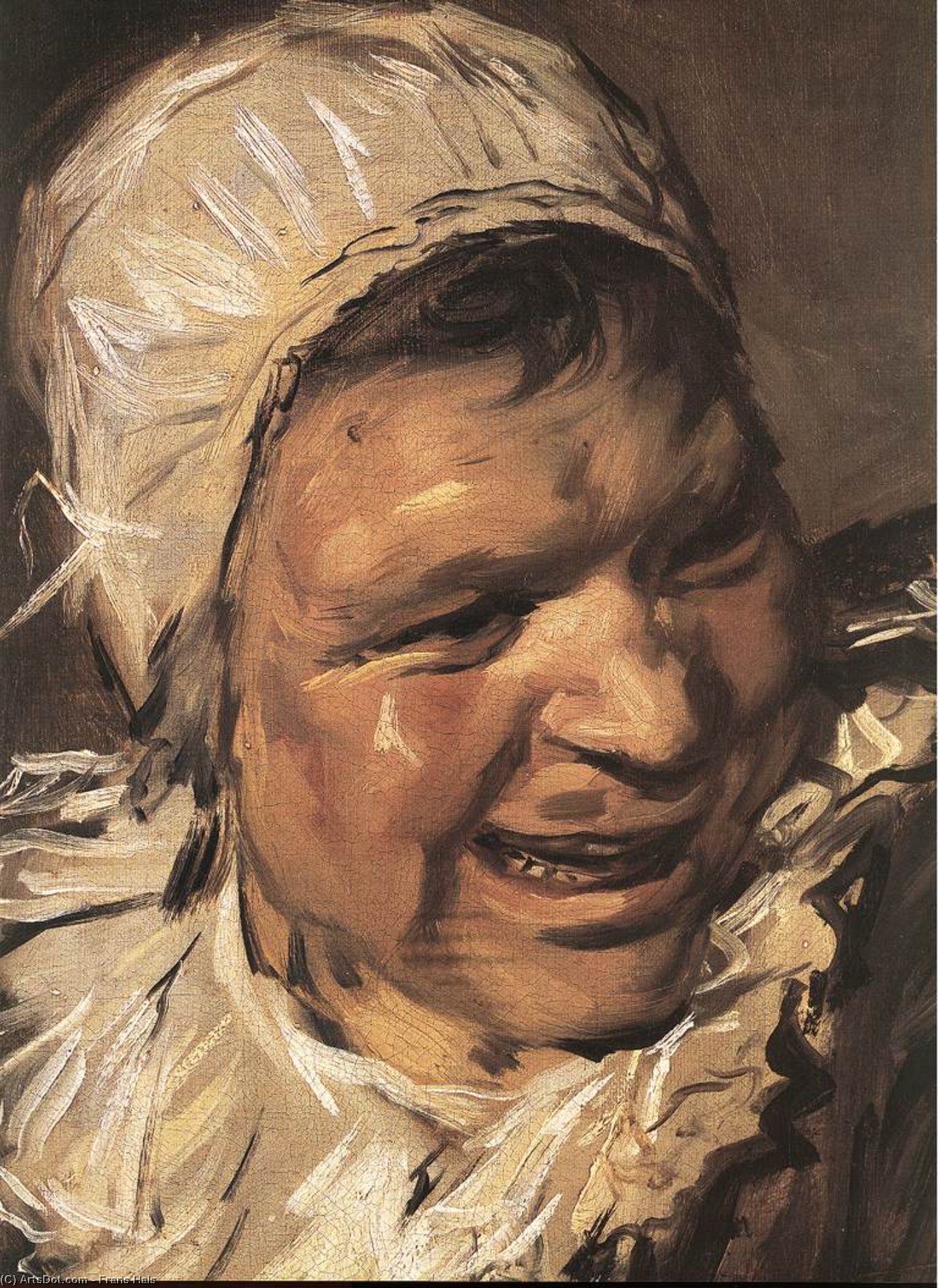
Malle Babbe (detail)


 詳細を見る
詳細を見る




P118B $10

P118H $10

P118W $10

P438Z $10

P508JH $12

P508YH $12

P805H $10

P805Z $10

P919BZ $10

P919G $10

P919XJ $10

P959ZH $10

P968JZ $12

W106C $8

W218G $10

W218JH $8

W218Y $10

W307PJ $10

W316G $10

W316PJ $8

W316Y $10

W398PJ $8

W4111J $10

W500HY $15

W500JH $15

W692G $12

W849H $8

W940BG $15

W953PJ $8




作品のオリジナル比率に合わせた、当店の規定サイズからお選びください。

特定のフレームやスペースに合わせて、ご希望のサイズをご入力いただけます。選択されたサイズが元の画像の比率と異なる場合、アートワークをトリミングするか、手描きで要素を追加して絵画を拡張いたします。デジタルモックアップ を制作し、制作開始前にご確認(承認)をいただきます。
画面上のプレビューは、実際のトリミングや拡張を正確に反映しているものではありません。最終的な構図は、モックアップによってのみ正確にご確認いただけます。
カスタムサイズもご利用いただけますが、元の比率を維持するためには、あらかじめ用意されたリストからサイズを選択することをお勧めいたします。
ご注文後、ArtsDot.com チームより詳細な指示をお送りするとともに、仕上がりイメージ(モックアップ)をご提供いたします。


 ガラスオプションは、110cm未満のサイズでのみご利用いただけます。

Malle Babbe (detail)
複製技法
複製画のサイズ
-


合計金額
$ 263
作品解説
A Glimpse of Madness: Frans Hals’ ‘Malle Babbe’
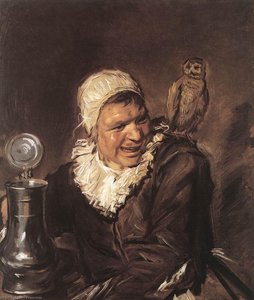
Frans Hals' “Malle Babbe,” painted around 1635, isn’t merely a portrait; it’s an arresting psychological study, a fleeting moment captured with astonishing immediacy. This captivating work, currently residing at the Staatliche Museen in Berlin, immediately draws the viewer into a world of unsettling amusement and quiet tragedy. Hals, a master of the Dutch Golden Age, eschewed the meticulous detail favored by many of his contemporaries, instead opting for a remarkably loose and expressive brushstroke – a technique that imbues the painting with a palpable sense of life and spontaneity. The result is an image brimming with emotional depth, inviting us to contemplate the complexities of human nature.
The subject herself, Barbara Claes – nicknamed “Malle Babbe” due to her reputation for madness – is presented in a remarkably unconventional manner. Hals doesn’t offer a formal, dignified portrait; instead, he depicts her mid-laughter, holding a large tankard of beer and engaging in what appears to be an animated conversation. Her face is dominated by a wide, almost manic grin, a stark contrast to the somberness often associated with depictions of mental illness at the time. This deliberate choice challenges conventional notions of beauty and social decorum, suggesting that even within the confines of societal expectations, there exists a vibrant, albeit unconventional, spirit.
The Language of Brushstrokes: Hals’ Revolutionary Technique
Hals' distinctive style is immediately apparent in the painting’s energetic brushwork. Notice how he builds up layers of paint with rapid, short strokes, creating a sense of movement and immediacy. The colors are vibrant yet muted, contributing to the overall atmosphere of both excitement and unease. Unlike many artists who meticulously blended their pigments, Hals allowed his brushstrokes to remain visible, adding texture and dynamism to the surface. This technique wasn’t simply about capturing likeness; it was about conveying feeling – the joy, the confusion, and perhaps even a hint of melancholy that permeates Malle Babbe's expression.
The use of white paint is particularly noteworthy. Hals employs it strategically to define shapes, create highlights, and suggest movement. The stark contrast between the white veil draped over her head and the darker tones of her clothing draws attention to her face and eyes, further emphasizing her expressive gaze. Furthermore, the owl perched on her shoulder carries a potent symbolic weight – a reference to the Dutch proverb “zoo beschonken als een uil,” meaning "as drunk as an owl," but also linked to the imagery of witchcraft and darkness. This detail adds another layer of intrigue to the painting’s already complex narrative.
A Window into 17th-Century Haarlem
“Malle Babbe” offers a fascinating glimpse into the social and cultural landscape of 17th-century Haarlem, a bustling center of commerce, art, and brewing. The painting reflects the city’s reputation for both prosperity and its darker undercurrents – a place where wealth coexisted with poverty, and where individuals deemed “mad” or unconventional were often marginalized. Barbara Claes herself was confined to the workhouse due to her erratic behavior, highlighting the precariousness of social standing during that era.
Interestingly, Frans Hals’ son, Pieter, also resided in the Haarlem workhouse, further suggesting a family history intertwined with mental illness and societal exclusion. This biographical detail adds a poignant layer of complexity to the painting, transforming it from a simple portrait into a meditation on family, madness, and the limitations imposed by social norms. The painting’s creation during this time underscores Hals' willingness to portray subjects outside the traditional elite, offering a more nuanced and humanistic perspective on society.
Bringing ‘Malle Babbe’ Home
ArtsDot offers meticulously hand-painted reproductions of Frans Hals’ “Malle Babbe,” allowing you to experience this iconic masterpiece in stunning detail. Whether you're an art collector, a design enthusiast seeking inspiration for your interior space, or simply someone captivated by the beauty and complexity of Dutch Golden Age painting, our reproduction captures the essence of Hals’ revolutionary style and emotional depth. Each reproduction is created with the same care and attention to detail as the original, ensuring that you own a truly exceptional piece of art history. Explore our collection today and bring this unforgettable portrait into your world.
関連作品

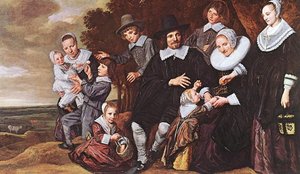
アーティストの略歴
フランツ・ハルス1世:光と人生を描いた画家
フランツ・ハルス1世は、1580年頃にベルギーのアントワープで生まれたオランダの画家です。彼の生い立ちは謎に包まれていますが、オランダ黄金時代の最も重要な人物の一人として台頭し、革新的な肖像画と風俗画で称賛されました。宗教的・政治的な混乱の中で家族はハーレムに移住し、1610年にハーレムの聖ルカ組合に加入し、プロとしてのキャリアを正式に開始しました。
初期の生活と思想
ハルスが幼少期にどのような教育を受けていたのか詳細は不明ですが、当時の絵画の中心地であったアントワープで初期の芸術的訓練を受けたと考えられています。ハーレムに移住後も、彼は独自のスタイルを確立するために努力しました。彼の作品には、当時のオランダ社会の活気と個性が反映されています。ハルスは、単なる技巧的な表現にとどまらず、人間の内面や感情を描き出すことに情熱を注ぎました。
芸術的様式と発展
ハルスは、驚くほど新鮮で自発的なスタイルによって際立っていました。同時代の多くの画家が綿密な描写を好んだのに対し、ハルスは緩やかで表現力豊かな筆致を用いました。この技法は彼の絵画に即時性と生命力を与え、被写体の個性とキャラクターを革命的に捉えました。特に肖像画においては、単なる容姿を描くのではなく、心理的な側面や感情までも描き出すことに成功しました。
- 彼の肖像画は単なる似顔絵ではなく、心理学的な研究でした。
- 彼は笑い、会話、熟考など、つかの間の瞬間を描き出すことに優れていました。
- ハルスは光と影を巧みに使い、構成に深みとドラマを与えました。
代表作
ハルスは幅広い作品を生み出しましたが、最もよく知られているのは肖像画です。彼の最も有名な絵画には次のようなものがあります。
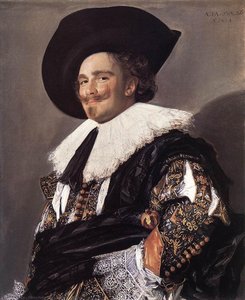
- 笑う騎兵 (1624年) – 彼のキャラクターと動きを捉える能力の典型的な例です。
- マッレ・バベ (約1633-1635年) – 老婦人の印象的な肖像画で、ハルスの年齢と個性を描くスキルを示しています。
- ハーレム老人ホームの評議員たちの肖像画 (1664年) - 彼のグループ肖像画の習熟度を示しています。
彼はまた、オランダ社会の一端を垣間見ることができる魅力的な風俗画も制作しました。
影響と遺産
ハルスの直接的な影響を特定することは困難です。なぜなら彼は非常に個性的なスタイルを発展させたからです。しかし、初期のフランドルの画家たち、例えばピーテル・ブリューゲルの作品を知っていた可能性はあります。彼の革新的な肖像画のアプローチは、後世の多くの世代の芸術家に大きな影響を与えました。
- 彼はアドリアン・ブロウワーやヨハネス・フェルメールなどの画家たちに影響を与えました。
- 彼が個性を捉えることに重点を置いたことは、より親密で心理的な肖像画への道を開きました。
- 後の芸術家たちは、特に印象派の画家たちは、彼の緩やかな筆致と光への集中力を高く評価しました。
歴史的意義
フランツ・ハルス1世は、オランダ黄金時代における絵画の形成において重要な役割を果たしました。彼の作品は、当時のオランダ社会の繁栄と個人主義を反映しています。彼は厳格な形式から離れ、より自然で表現力豊かなスタイルへと移行し、芸術の世界に永続的な遺産を残しました。
今日、彼の絵画は高く評価されており、ハーレムにあるフランツ・ハルス美術館を含む世界中の主要な美術館で見ることができます。彼の貢献は今もなお芸術家たちを刺激し、何世紀にもわたって観客を魅了しています。
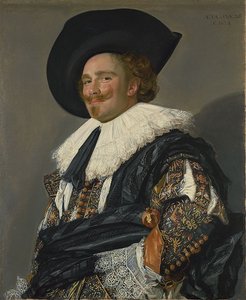
ハルス
1580 - 1585 , ベルギー
基本情報
- Artistic Movement Or Style: オランダ黄金時代
- Artists Or Movements Influenced By This Artist: ['アドリアン・ブロウワー']
- Date Of Birth: 1580年頃
- Date Of Death: 1585年
- Full Name: フランツ・ハルス1世
- Nationality: オランダ
- Notable Artworks (List Of Titles):
- 笑う騎兵
- マッレ・バベ
- Place Of Birth (City And Country): アントワープ、ベルギー
関連記事
Frans Hals I: Innovation, Intimacy & the Dutch Golden Age Portrait
Explore the revolutionary portraiture of Frans Hals I, a master of the Dutch Golden Age. Discover his innovative techniques, captivating character studies & lasting impact on art history. Learn more at ArtsDot.

黄金世紀の巨匠たち:バロック絵画が彩る10選|ArtsDot
オランダ黄金時代の10大傑作を紐解く!レンブラント、フェルメール…バロック絵画の魅力と時代背景を深く探求。ArtsDotで、至高のアートコレクションと空間演出のヒントを見つけよう。高品質なアートプリントで、お部屋を華やかに。

Illuminating Innovation: Exploring the Dutch Golden Age of Painting
Explore the Dutch Golden Age of painting with ArtsDot. Discover Rembrandt, Vermeer & other Masters. Learn about key characteristics, iconic artworks, and lasting influence. Expert insights for collectors & enthusiasts.
Illuminating Realism: Exploring the Dutch Golden Age of Painting (1600-1700)
Explore the Dutch Golden Age of painting (1600-1700) with ArtsDot. Discover Rembrandt, Vermeer & other masters. Learn about techniques, history & find museum-quality reproductions.

Golden Age Reflections: Dutch Baroque Painting & Cultural Innovation
Explore the Dutch Golden Age of painting! Discover key artists like Vermeer & ter Borch, their innovative techniques, and the rich cultural context behind these Baroque masterpieces. Learn about collecting & appreciating this iconic art period.