 プレビュー
プレビュー
 シェアする
シェアする シェアする
シェアする
 詳細を見る
詳細を見る

 ダウンロード
 似ている作品
 X線調査
X線調査 スライドショー
 統計情報
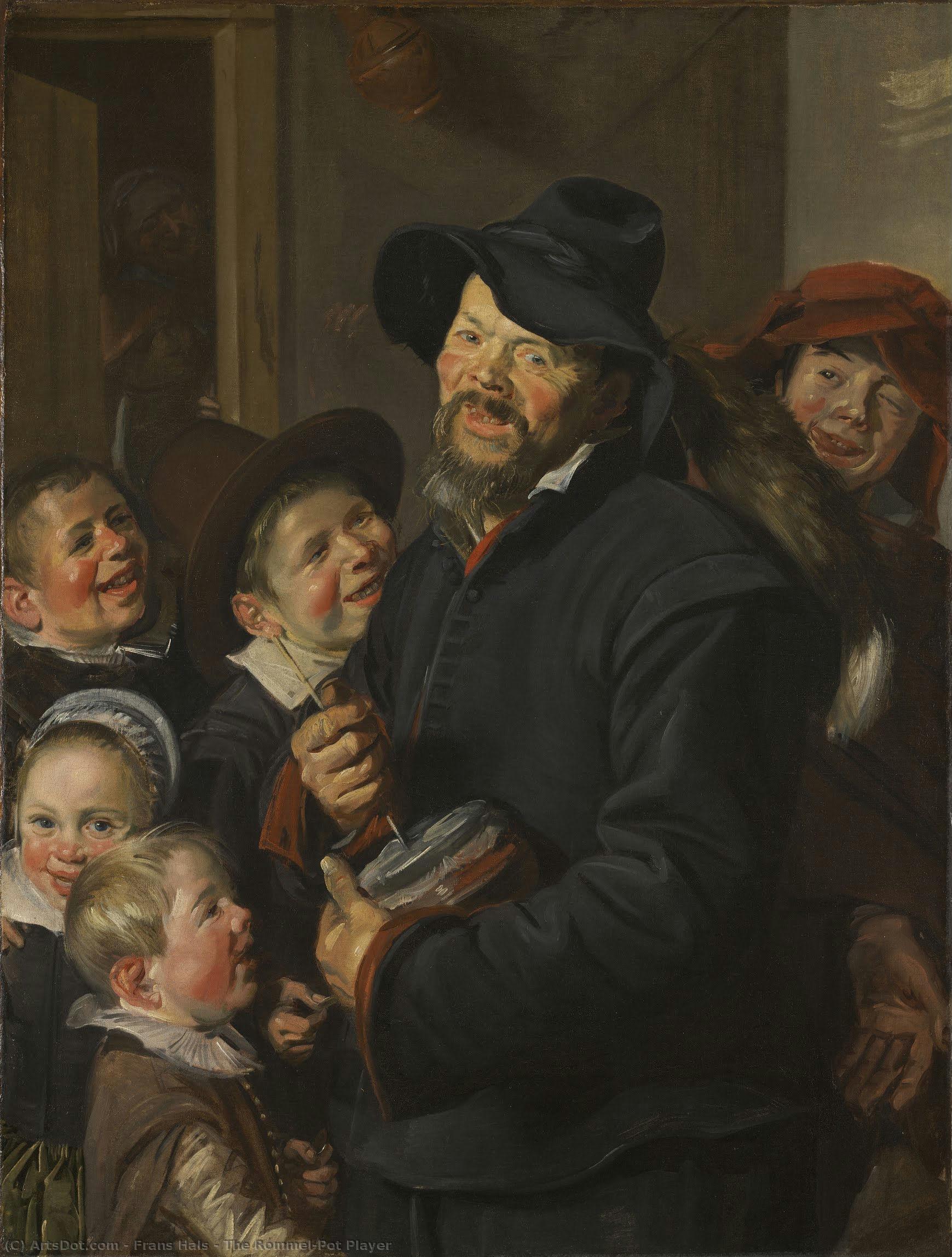
統計情報The Rommel-Pot Player
 Oil On Canvas
- WallArt
- Dutch Golden Age
 1618
1618 106.0 x 80.0 cm
 Kimbell Art Museum
 詳細を見る
詳細を見る
手描き油彩複製画
当社のアーティストが、お客様のご希望のサイズと額縁に合わせて、キャンバスに手描きで制作する油彩画です。 ( プリント版に切り替え デジタル画像販売へ切り替え)




P118B $10

P118H $10

P118W $10

P438Z $10

P508JH $12

P508YH $12

P805H $10

P805Z $10

P919BZ $10

P919G $10

P919XJ $10

P959ZH $10

P968JZ $12

W106C $8

W218G $10

W218JH $8

W218Y $10

W307PJ $10

W316G $10

W316PJ $8

W316Y $10

W398PJ $8

W4111J $10

W500HY $15

W500JH $15

W692G $12

W849H $8

W940BG $15

W953PJ $8




作品のオリジナル比率に合わせた、当店の規定サイズからお選びください。

特定のフレームやスペースに合わせて、ご希望のサイズをご入力いただけます。選択されたサイズが元の画像の比率と異なる場合、アートワークをトリミングするか、手描きで要素を追加して絵画を拡張いたします。デジタルモックアップ を制作し、制作開始前にご確認(承認)をいただきます。
画面上のプレビューは、実際のトリミングや拡張を正確に反映しているものではありません。最終的な構図は、モックアップによってのみ正確にご確認いただけます。
カスタムサイズもご利用いただけますが、元の比率を維持するためには、あらかじめ用意されたリストからサイズを選択することをお勧めいたします。
ご注文後、ArtsDot.com チームより詳細な指示をお送りするとともに、仕上がりイメージ(モックアップ)をご提供いたします。


 ガラスオプションは、110cm未満のサイズでのみご利用いただけます。

The Rommel-Pot Player
複製技法
複製画のサイズ
-


合計金額
$ 263
A Moment of Merriment: Frans Hals’s “The Rommel-Pot Player”
Frans Hals's "The Rommelpot Player," painted in 1618–1620 and now residing within the hallowed halls of the Kimbell Art Museum, isn’t merely a portrait; it’s a vibrant snapshot of Dutch life, brimming with humor, social commentary, and an astonishingly intimate portrayal of human interaction. The painting immediately draws the eye to its central figure – a man, likely a street musician, holding a peculiar instrument known as a “rommelpot.” This wasn't a refined musical device; rather, it was a crude creation fashioned from a pig’s bladder stretched over an earthenware jug, partially filled with water. A reed, skillfully manipulated within the bladder, produced a distinctive, rumbling sound – a truly unforgettable auditory experience, and one that elicited delighted shrieks from the surrounding children. Hals masterfully captures this scene not just visually but also aurally, inviting the viewer to imagine the chaotic, joyful sounds emanating from this humble instrument.The Details of a Lively Scene
The composition is remarkably dynamic, teeming with life and movement. A group of children, ranging in age and dressed in varying degrees of poverty, surround the musician, offering him coins in exchange for his peculiar performance. Their expressions are a delightful mix of amusement and delight – some clapping their hands with glee, others pointing and laughing at the instrument’s unsettling sounds. Hals's brushwork is instantly recognizable: loose, energetic, and imbued with an almost palpable sense of spontaneity. He doesn’t meticulously render every detail; instead, he focuses on capturing the essence of the scene—the light, the movement, and most importantly, the emotions of the participants. Notice how the figures are not formally posed but rather seem caught in a spontaneous moment of shared amusement. The inclusion of two dogs, one near the center and another towards the right, adds an unexpected layer of charm to the composition, further emphasizing the scene’s lively atmosphere.Symbolism and Context: Shrovetide Merriment
“The Rommelpot Player” is deeply rooted in the traditions surrounding Shrovetide (or *Vastenavond*), a pre-Lenten celebration that marked the end of indulgence and the beginning of fasting. The rommelpot itself was a quintessential symbol of this period, its grating sound considered both amusing and slightly unsettling – a reminder of the excesses of the previous season. Hals’s depiction of the fool's foxtail worn by the musician further reinforces this connection to Shrovetide, immediately signaling the festive nature of the scene. The painting isn’t simply a portrait; it’s a miniature theatrical performance, capturing a fleeting moment of communal joy and social interaction. It speaks volumes about the lives of ordinary people in 17th-century Haarlem – their humor, their resourcefulness, and their ability to find amusement even in the most unconventional circumstances.Frans Hals’s Innovation: A Revolutionary Approach to Portraiture
Frans Hals stands as a towering figure in Dutch art history, renowned for his groundbreaking approach to portraiture. Unlike many of his contemporaries who favored meticulous detail and idealized representations, Hals embraced a looser, more expressive style—a technique that imbued his paintings with an unparalleled sense of immediacy and vitality. He prioritized capturing the character and personality of his subjects above all else, often employing rapid brushstrokes and vibrant colors to convey their emotions and mannerisms. “The Rommelpot Player” exemplifies this approach perfectly; Hals doesn’t attempt to create a flawless likeness but rather captures the essence of the musician's boisterous spirit and the delight of the children surrounding him. His work was revolutionary for its time, paving the way for future generations of artists who sought to capture the fleeting moments of life with raw emotion and uninhibited brushwork. The painting’s enduring appeal lies in its ability to transport us back to a vibrant, bustling scene—a testament to Hals's genius and his remarkable talent for capturing the human spirit.関連作品
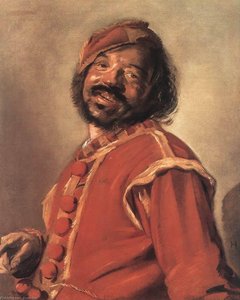
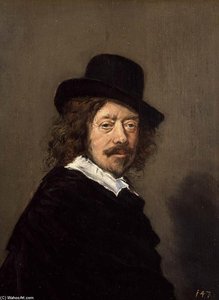
アーティストの略歴
フランツ・ハルス1世:光と人生を描いた画家
フランツ・ハルス1世は、1580年頃にベルギーのアントワープで生まれたオランダの画家です。彼の生い立ちは謎に包まれていますが、オランダ黄金時代の最も重要な人物の一人として台頭し、革新的な肖像画と風俗画で称賛されました。宗教的・政治的な混乱の中で家族はハーレムに移住し、1610年にハーレムの聖ルカ組合に加入し、プロとしてのキャリアを正式に開始しました。
初期の生活と思想
ハルスが幼少期にどのような教育を受けていたのか詳細は不明ですが、当時の絵画の中心地であったアントワープで初期の芸術的訓練を受けたと考えられています。ハーレムに移住後も、彼は独自のスタイルを確立するために努力しました。彼の作品には、当時のオランダ社会の活気と個性が反映されています。ハルスは、単なる技巧的な表現にとどまらず、人間の内面や感情を描き出すことに情熱を注ぎました。
芸術的様式と発展
ハルスは、驚くほど新鮮で自発的なスタイルによって際立っていました。同時代の多くの画家が綿密な描写を好んだのに対し、ハルスは緩やかで表現力豊かな筆致を用いました。この技法は彼の絵画に即時性と生命力を与え、被写体の個性とキャラクターを革命的に捉えました。特に肖像画においては、単なる容姿を描くのではなく、心理的な側面や感情までも描き出すことに成功しました。
- 彼の肖像画は単なる似顔絵ではなく、心理学的な研究でした。
- 彼は笑い、会話、熟考など、つかの間の瞬間を描き出すことに優れていました。
- ハルスは光と影を巧みに使い、構成に深みとドラマを与えました。
代表作
ハルスは幅広い作品を生み出しましたが、最もよく知られているのは肖像画です。彼の最も有名な絵画には次のようなものがあります。
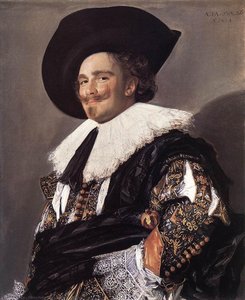
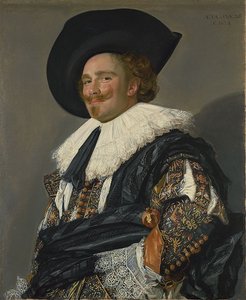
- 笑う騎兵 (1624年) – 彼のキャラクターと動きを捉える能力の典型的な例です。
- マッレ・バベ (約1633-1635年) – 老婦人の印象的な肖像画で、ハルスの年齢と個性を描くスキルを示しています。
- ハーレム老人ホームの評議員たちの肖像画 (1664年) - 彼のグループ肖像画の習熟度を示しています。
彼はまた、オランダ社会の一端を垣間見ることができる魅力的な風俗画も制作しました。
影響と遺産
ハルスの直接的な影響を特定することは困難です。なぜなら彼は非常に個性的なスタイルを発展させたからです。しかし、初期のフランドルの画家たち、例えばピーテル・ブリューゲルの作品を知っていた可能性はあります。彼の革新的な肖像画のアプローチは、後世の多くの世代の芸術家に大きな影響を与えました。
- 彼はアドリアン・ブロウワーやヨハネス・フェルメールなどの画家たちに影響を与えました。
- 彼が個性を捉えることに重点を置いたことは、より親密で心理的な肖像画への道を開きました。
- 後の芸術家たちは、特に印象派の画家たちは、彼の緩やかな筆致と光への集中力を高く評価しました。
歴史的意義
フランツ・ハルス1世は、オランダ黄金時代における絵画の形成において重要な役割を果たしました。彼の作品は、当時のオランダ社会の繁栄と個人主義を反映しています。彼は厳格な形式から離れ、より自然で表現力豊かなスタイルへと移行し、芸術の世界に永続的な遺産を残しました。
今日、彼の絵画は高く評価されており、ハーレムにあるフランツ・ハルス美術館を含む世界中の主要な美術館で見ることができます。彼の貢献は今もなお芸術家たちを刺激し、何世紀にもわたって観客を魅了しています。
ハルス
1580 - 1585 , ベルギー
基本情報
- Artistic Movement Or Style: オランダ黄金時代
- Artists Or Movements Influenced By This Artist: ['アドリアン・ブロウワー']
- Date Of Birth: 1580年頃
- Date Of Death: 1585年
- Full Name: フランツ・ハルス1世
- Nationality: オランダ
- Notable Artworks (List Of Titles):
- 笑う騎兵
- マッレ・バベ
- Place Of Birth (City And Country): アントワープ、ベルギー
関連記事
Frans Hals I: Innovation, Intimacy & the Dutch Golden Age Portrait
Explore the revolutionary portraiture of Frans Hals I, a master of the Dutch Golden Age. Discover his innovative techniques, captivating character studies & lasting impact on art history. Learn more at ArtsDot.

Illuminating Realism: Exploring the Dutch Golden Age of Painting (1600-1700)
Explore the Dutch Golden Age of painting (1600-1700) with ArtsDot. Discover Rembrandt, Vermeer & other masters. Learn about techniques, history & find museum-quality reproductions.

Dutch Baroque Masters: 10 Paintings That Shaped an Era | ArtsDot
Journey through the Golden Age with our guide to the Top 10 Dutch Baroque masterpieces! Explore iconic paintings by Rembrandt, Vermeer & Frans Hals. Find museum-quality art reproductions and elevate your home decor at ArtsDot.com.

Illuminating Innovation: Exploring the Dutch Golden Age of Painting
Explore the Dutch Golden Age of painting with ArtsDot. Discover Rembrandt, Vermeer & other Masters. Learn about key characteristics, iconic artworks, and lasting influence. Expert insights for collectors & enthusiasts.

黄金世紀の巨匠たち:バロック絵画が彩る10選|ArtsDot
オランダ黄金時代の10大傑作を紐解く!レンブラント、フェルメール…バロック絵画の魅力と時代背景を深く探求。ArtsDotで、至高のアートコレクションと空間演出のヒントを見つけよう。高品質なアートプリントで、お部屋を華やかに。