

 プレビュー
プレビュー
 プリントを購入
 シェアする
シェアする シェアする
シェアする
 詳細を見る
詳細を見る

 ダウンロード
 似ている作品
 X線調査
X線調査 スライドショー
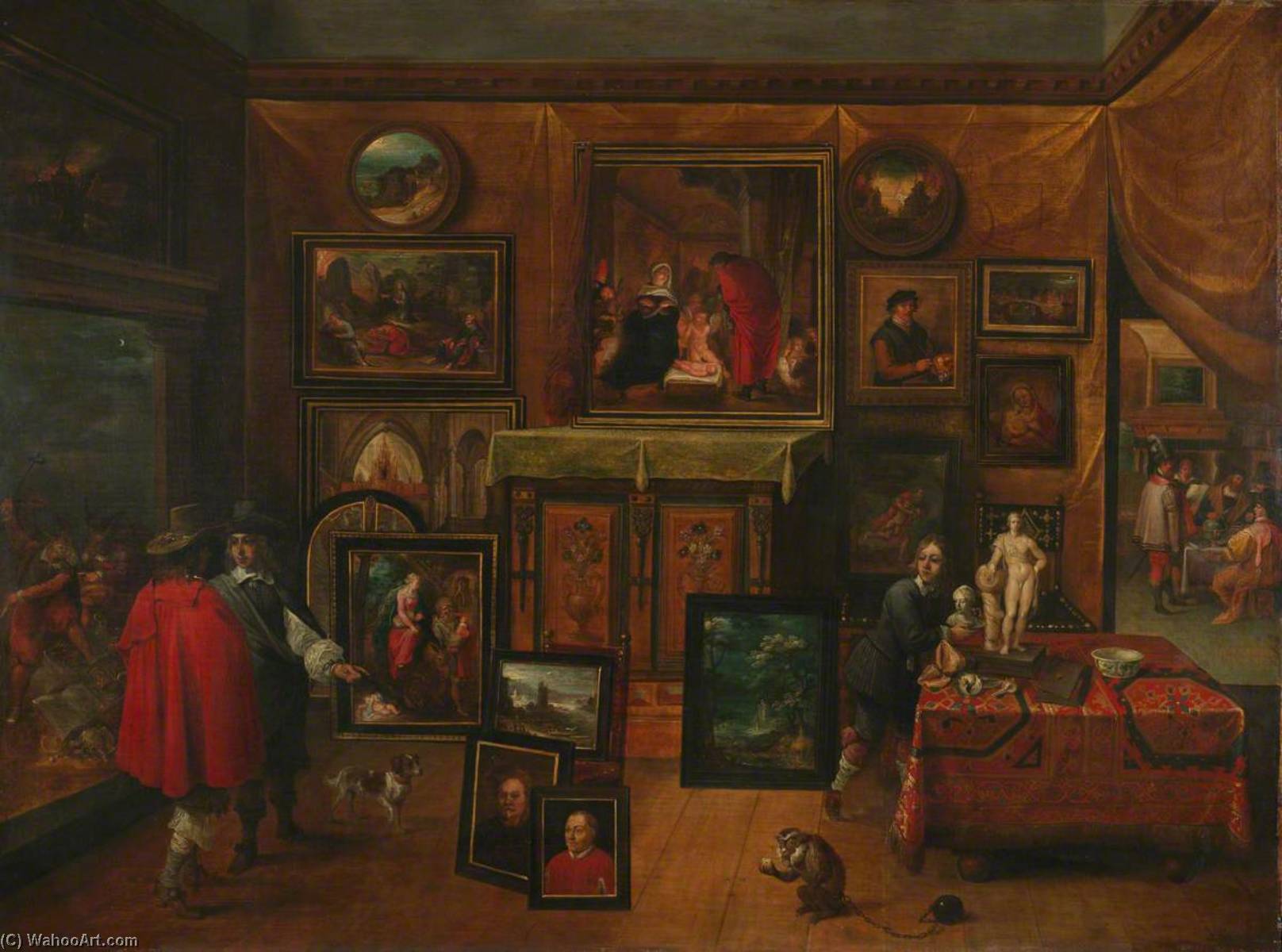
The Interior of a Picture Gallery
 Oil On Canvas
- WallArt
- Baroque
 1640
1640 59.0 x 79.0 cm
 Courtauld Gallery
 詳細を見る
詳細を見る




P118B $10

P118H $10

P118W $10

P438Z $10

P508JH $12

P508YH $12

P805H $10

P805Z $10

P919BZ $10

P919G $10

P919XJ $10

P959ZH $10

P968JZ $12

W106C $8

W218G $10

W218JH $8

W218Y $10

W307PJ $10

W316G $10

W316PJ $8

W316Y $10

W398PJ $8

W4111J $10

W500HY $15

W500JH $15

W692G $12

W849H $8

W940BG $15

W953PJ $8




作品のオリジナル比率に合わせた、当店の規定サイズからお選びください。

特定のフレームやスペースに合わせて、ご希望のサイズをご入力いただけます。選択されたサイズが元の画像の比率と異なる場合、アートワークをトリミングするか、手描きで要素を追加して絵画を拡張いたします。デジタルモックアップ を制作し、制作開始前にご確認(承認)をいただきます。
画面上のプレビューは、実際のトリミングや拡張を正確に反映しているものではありません。最終的な構図は、モックアップによってのみ正確にご確認いただけます。
カスタムサイズもご利用いただけますが、元の比率を維持するためには、あらかじめ用意されたリストからサイズを選択することをお勧めいたします。
ご注文後、ArtsDot.com チームより詳細な指示をお送りするとともに、仕上がりイメージ(モックアップ)をご提供いたします。


 ガラスオプションは、110cm未満のサイズでのみご利用いただけます。

The Interior of a Picture Gallery
複製技法
複製画のサイズ
-


合計金額
$ 363
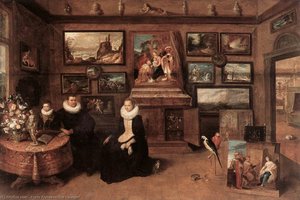
A Window into Wealth and Taste: Frans Francken III’s ‘Interior of a Picture Gallery’
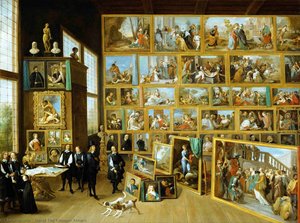
Frans Francken III's “Interior of a Picture Gallery” (circa 1640) isn’t merely a painting; it’s a meticulously crafted tableau vivant, a frozen moment within the opulent world of a wealthy collector. Painted during the height of the Flemish Baroque period, this work transports us to a lavish interior—likely an art gallery or private study—overflowing with the tangible symbols of status and refined taste. It's a scene brimming with quiet activity, suggesting a gathering of discerning individuals appreciating the fruits of their considerable wealth, and it speaks volumes about the values and aesthetics of 17th-century Europe.
The composition immediately draws the eye into a carefully orchestrated space. The perspective is subtly flattened, creating an illusion of depth through layering – multiple framed paintings, imposing sculptures, and figures engaged in various activities all vying for attention. Francken masterfully employs light to enhance this sense of volume; it seems to emanate from several sources, casting dramatic shadows that add a remarkable three-dimensionality to the scene. The color palette is rich and saturated—deep reds, browns, and golds dominate, punctuated by touches of blue and green within the artworks themselves – reflecting the luxurious materials and refined sensibilities of its imagined patrons.
The Baroque Vision: Style and Technique
Francken’s style firmly places this work within the Baroque tradition. Notice the dynamism in the arrangement of objects, the dramatic lighting, and the meticulous detail with which each element is rendered. The brushwork is remarkably fine, creating a sense of texture that invites close inspection – one can almost feel the velvet upholstery, the polished marble, and the intricate details of the paintings themselves. The figures are not idealized; they possess a certain realism, conveying a sense of human interaction and engagement with their surroundings. This isn’t a static portrait but a lively scene capturing a specific moment in time.
Technically, Francken demonstrates a remarkable understanding of color theory and glazing techniques. The layering of translucent paint creates a luminous quality, particularly evident in the reflections on the polished surfaces. The artist's skill is further showcased in his ability to depict complex textures – from the folds of fabric to the rough surface of stone sculptures – with astonishing accuracy. This level of detail speaks to Francken’s dedication and mastery of his craft.
Symbolism and Social Commentary
Beyond its aesthetic beauty, “Interior of a Picture Gallery” offers a subtle commentary on the social dynamics of the era. The scene depicts a gathering of men – presumably wealthy merchants or collectors – admiring a collection of artworks. The presence of several figures engaged in conversation suggests an exchange of ideas and opinions, highlighting the importance of intellectual pursuits within this elite circle. The inclusion of objects like sculptures and tapestries further reinforces the notion that wealth was not merely about material possessions but also about demonstrating cultural refinement and erudition.
Interestingly, a closer look reveals a touch of irony. The figures are dressed in elaborate attire, yet one figure on the left is depicted with a donkey’s head, a potent symbol of ignorance and folly. This detail subtly challenges the notion that wealth automatically equates to wisdom or virtue, suggesting a critical awareness of societal values.
A Legacy of Grandeur: Historical Context
Painted in 1640, this work reflects the flourishing art market of Antwerp during the Dutch Golden Age. The city was a major center for artistic production and trade, attracting wealthy patrons from across Europe who sought to acquire prestigious artworks. Frans Francken III’s “Interior of a Picture Gallery” exemplifies this trend, capturing the spirit of an era defined by both economic prosperity and artistic innovation. The painting's popularity is testament to its ability to capture the essence of a particular social milieu – a world where art was not just admired but actively consumed as a symbol of status and sophistication.
関連作品

アーティストの略歴
アントワープの心臓部で築かれた遺産
1581年、アントワープの芸術家一族に生を受けたフランス・フランケン3世は、フランドル・バロックの伝統において極めて魅力的な存在感を放っています。彼の人生は、スペイン領ネーデルラント時代の絵画と商業の重要拠点であり、芸術的なエネルギーに満ちあふれた都市の中で展開されました。その創造的な旅の礎を築いたのは、優れた画家であった両親、フランス・フランケン2世とエリザベート・プラケットでした。この芸術に浸った家庭環境は、単なる才能の継承にとどまりませんでした。それは、観察眼、技法、そして自らの世界を形作る芸術的潮流への深い理解を育む、至高の学び舎だったのです。当時のアントワプリは宗教的・政治的な激動から立ち直る過程にありましたが、依然として革新が花開く活気ある中心地であり、特に絵画の分野においてはその傾向が顕著でした。フランケン家はこの舞台において、世代を超えて極めて重要な役割を果たし、フランス3世が独自の輝かしいキャリアを築き上げるための強固な基盤を確立したのです。修業時代と芸術的発展
フランス・フランケン3世の芸術教育は、父の工房という親密な空間から始まりました。そこで彼は、技術的なスキルのみならず、当時のフランドル人画家たちが好んだ様式や主題を吸収していきました。この初期の訓練が、デッサン力、色彩理論、そして構図という、成功する画家にとって不可欠な要素の強固な土台となったのです。1639年にはアントワープの聖ルカ・ギルドに正式に入会し、依頼を引き受け自らの工房を運営できる独立した巨匠として認められました。後に1656年から1666年にかけてはギルドの長(デーン)を務めており、これは芸術界における彼の地位と指導者としての資質を証明しています。この時期の彼は、自らの作品を生み出すだけでなく、弟子の育成にも携わり、芸術的伝統の継承に尽力しました。彼のスタイルは、緻密な細部描写、鮮やかなパレット、そしてダイナミックな構図によって瞬く間に知られるようになり、それこそが彼の全作品を定義づける特質となりました。「ルーベンス風」の筆致と独自の主題
フランケン3世の作品はフランドル・バロックの美学に深く根ざしていますが、その伝統の中で彼は唯一無二の声を獲得しました。彼は、道徳的な含みを持つ日常風景を描いた風俗画、著名な市民の容貌を捉えた肖像画、そして彼の代名詞とも言える「キャビネット・ペインティング」を得意としました。これらの小規模な作品は、個人のコレクションのために特別に制作されたもので、家庭内のインテリアや絵画ギャラリー、あるいは寓意的な物語を覗き見るような親密な体験を鑑賞者に提供しました。また、ピーター・パウル・ルーベンスの多大な影響を受けていたことから、「ルーベンス風フランケン」という愛称で呼ばれることもありました。これは単なる模倣ではありません。フランケンは、ルーベンスの劇的な光の演出、躍動感あふれる人物像、そして豪華な色彩設計を、巧みに自身の芸術的ビジョンへと融合させたのです。アルカディア ― 黄金時代 は、贅を尽くした宴の場面とダイナミックな人物配置によって、この「ルーベンス風」の華やかさを体現しています。これらの主要なテーマに加え、彼は聖書の物語や古典神話からインスピレーションを得て、歴史的・宗教的な主題も探求しました。しかし、彼を真に際立たせたのは、絵画ギャラリーを描いた作品群でした。愛好家たちが自慢のコレクションに囲まれる様子を精緻に描いたこれらの作品は、17世紀の収集習慣や芸術的嗜好を知るための、魅惑的な窓となっているのです。フランドル美術に刻まれた不朽の足跡
フランス・フランケン3世の多作な活動は、フランドル・バロック絵画の風景に消えることのない足跡を残しました。鮮やかな風俗画、洞察に満ちた肖像画、そして革新的なギャラリー・ペインティングを通じて時代精神を捉える彼の能力は、重要な芸術家としての地位を不動のものにしました。彼は単に現実を記録していたのではありません。社会の習俗、芸術へのパトロネージュ、そして収集という行為の本質そのものに対して、独自の批評を提示していたのです。その影響は自らの創作にとどまりませんでした。尊敬される教師として、カースティアン・ルイクスやヤン・バプティスト・セガールトといった志ある若き芸術家たちに知識を授け、彼の技法と美意識が次世代へと響き続けることを確かなものにしました。ルーベンスという巨大な存在の影に隠れがちなこともありますが、フランケン3世はフランドル美術史における重要な語り手であり続けています。17世紀の生活と芸術文化に対し、独自の視点を提供しているのです。彼の作品は、当時のフランドルの社会的、文化的、芸術的な景観に対する貴重な洞察を与えてくれます。特に、芸術収集の実態や社会における画家の地位の変遷を伝える歴史的記録としてのギャラリー・ペインティングは、その価値を物語っています。彼はこのジャンルを普及させ、後世の画家たちが芸術鑑賞と展示の世界を探求する道筋を作ったのです。代表作
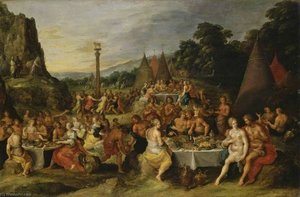
- アルカディア ― 黄金時代:彼の「ルーベンス風」のスタイルを象徴する、豪華絢爛な宴の場面。
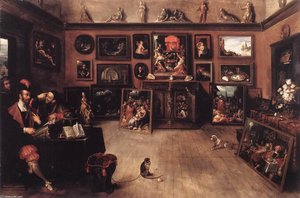
- 絵画ギャラリーの内部 (1640年):芸術収集家の周囲を描いた詳細な描写であり、贅沢な美術品と社交界の様子を伝えています。
- 黄金の仔牛の崇拝:構図と色彩の卓越した技量を示す、劇的な聖書の場面。
- 東方三博士の礼拝:緻密なリアリズムと豊かな象徴性を備えた、素晴らしいルネサンス様式の傑作。
- 手紙を持つ若い貴婦人と騎士:謎めいた雰囲気、豊かな色彩、そして見事な細部描写に満ちた、魅惑的なバロック油彩画。
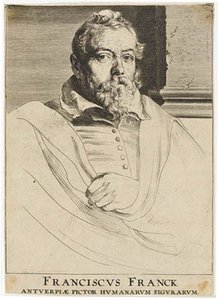
フランス・フランケン3世
1581 - 1642 , ベルギー
基本情報
- Artistic Movement Or Style: フランドル・バロック
- Artists Or Movements Influenced By This Artist: ['デイヴィッド・テニエール(子)']
- Artists Who Influenced This Artist: ['ピーテル・パウル・ルーベンス']
- Date Of Birth: 1581年
- Date Of Death: 1642年
- Full Name: フランス・フランケン3世
- Nationality: フランドル
- Notable Artworks:
- アルカディア — 黄金時代
- 東方三博士の礼拝
- 黄金の子牛の崇拝
- Place Of Birth: ベルギー、アントウェルペン
関連記事

Golden Age Reflections: Dutch Baroque Painting & Cultural Innovation
Explore the Dutch Golden Age of painting! Discover key artists like Vermeer & ter Borch, their innovative techniques, and the rich cultural context behind these Baroque masterpieces. Learn about collecting & appreciating this iconic art period.

黄金世紀の巨匠たち:バロック絵画が彩る10選|ArtsDot
オランダ黄金時代の10大傑作を紐解く!レンブラント、フェルメール…バロック絵画の魅力と時代背景を深く探求。ArtsDotで、至高のアートコレクションと空間演出のヒントを見つけよう。高品質なアートプリントで、お部屋を華やかに。

Dutch Baroque Masters: 10 Paintings That Shaped an Era | ArtsDot
Journey through the Golden Age with our guide to the Top 10 Dutch Baroque masterpieces! Explore iconic paintings by Rembrandt, Vermeer & Frans Hals. Find museum-quality art reproductions and elevate your home decor at ArtsDot.com.

Illuminating Innovation: Exploring the Dutch Golden Age of Painting
Explore the Dutch Golden Age of painting with ArtsDot. Discover Rembrandt, Vermeer & other Masters. Learn about key characteristics, iconic artworks, and lasting influence. Expert insights for collectors & enthusiasts.

Illuminating Realism: Exploring the Dutch Golden Age of Painting (1600-1700)
Explore the Dutch Golden Age of painting (1600-1700) with ArtsDot. Discover Rembrandt, Vermeer & other masters. Learn about techniques, history & find museum-quality reproductions.

