

 プレビュー
プレビュー
 プリントを購入
 シェアする
シェアする シェアする
シェアする
 詳細を見る
詳細を見る

 ダウンロード
 似ている作品
 X線調査
X線調査 スライドショー
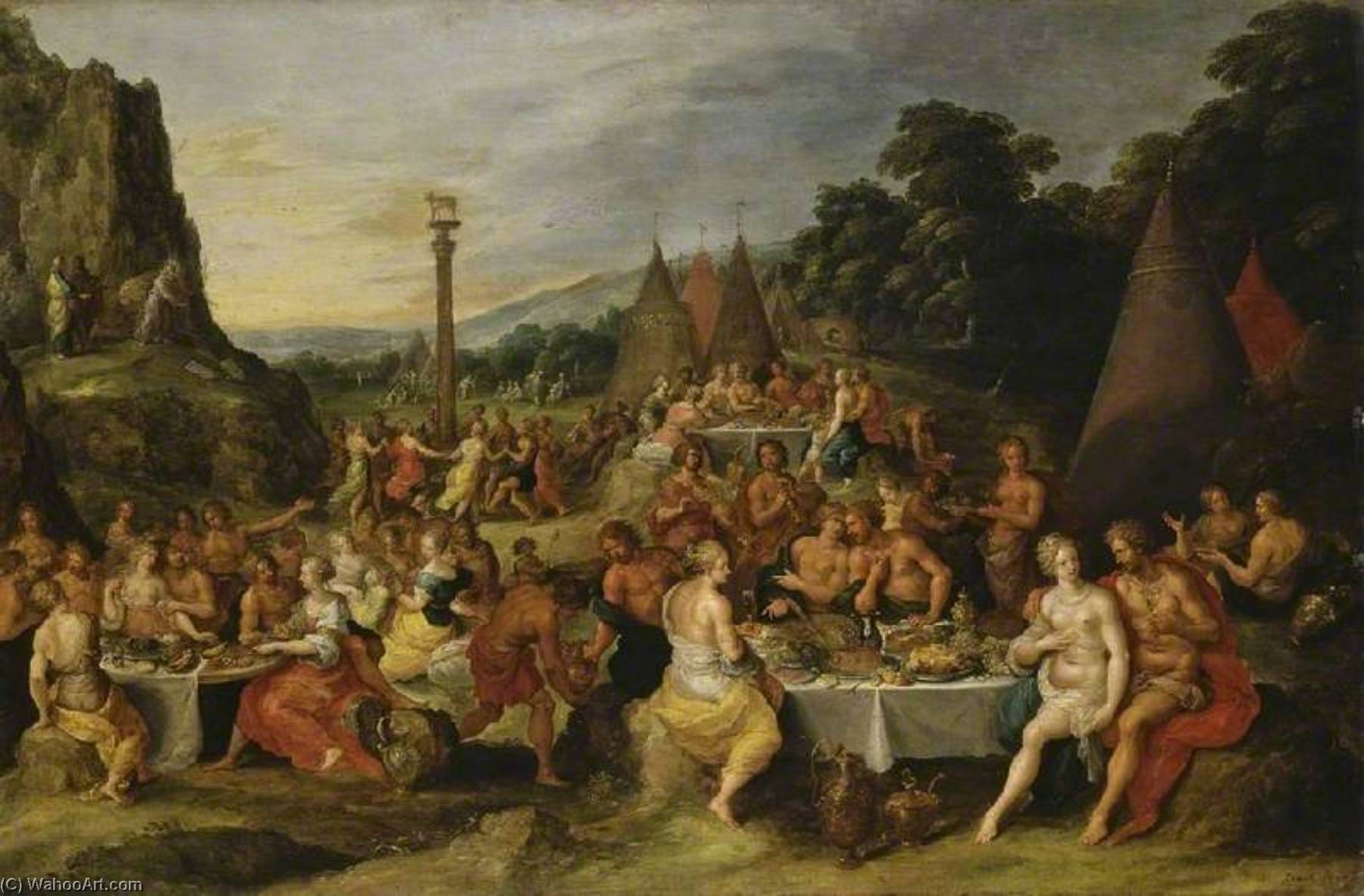
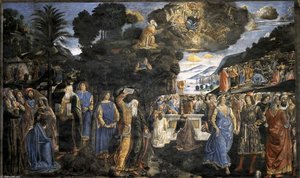
The Worship of the Golden Calf
 Acrylic On Canvas
- WallArt
- Baroque
 1635
1635 57.0 x 86.0 cm
 Fitzwilliam College
 詳細を見る
詳細を見る




P118B $10

P118H $10

P118W $10

P438Z $10

P508JH $12

P508YH $12

P805H $10

P805Z $10

P919BZ $10

P919G $10

P919XJ $10

P959ZH $10

P968JZ $12

W106C $8

W218G $10

W218JH $8

W218Y $10

W307PJ $10

W316G $10

W316PJ $8

W316Y $10

W398PJ $8

W4111J $10

W500HY $15

W500JH $15

W692G $12

W849H $8

W940BG $15

W953PJ $8




作品のオリジナル比率に合わせた、当店の規定サイズからお選びください。

特定のフレームやスペースに合わせて、ご希望のサイズをご入力いただけます。選択されたサイズが元の画像の比率と異なる場合、アートワークをトリミングするか、手描きで要素を追加して絵画を拡張いたします。デジタルモックアップ を制作し、制作開始前にご確認(承認)をいただきます。
画面上のプレビューは、実際のトリミングや拡張を正確に反映しているものではありません。最終的な構図は、モックアップによってのみ正確にご確認いただけます。
カスタムサイズもご利用いただけますが、元の比率を維持するためには、あらかじめ用意されたリストからサイズを選択することをお勧めいたします。
ご注文後、ArtsDot.com チームより詳細な指示をお送りするとともに、仕上がりイメージ(モックアップ)をご提供いたします。


 ガラスオプションは、110cm未満のサイズでのみご利用いただけます。

The Worship of the Golden Calf
複製技法
複製画のサイズ
-


合計金額
$ 263
A Scene of Frenzy and Divine Displeasure: Frans Francken III’s “The Worship of the Golden Calf”
Frans Francken III's "The Worship of the Golden Calf," painted in 1635, is not merely a depiction of an ancient event; it’s a visceral portrayal of human fallibility and divine wrath. This monumental oil on panel captures a chaotic moment – the immediate aftermath of the Israelites’ idolatrous worship of a golden calf after Moses' ascent to Mount Sinai. The painting isn’t a straightforward historical record, but rather a carefully constructed drama brimming with psychological intensity and symbolic weight. Francken masterfully utilizes dramatic lighting, dynamic composition, and richly detailed figures to convey both the immediate frenzy of the scene and the profound spiritual consequences that follow.

Baroque Drama and the Power of Gesture
Francken’s style firmly places this work within the vibrant tradition of Flemish Baroque painting, heavily influenced by the dramatic compositions of Peter Paul Rubens. The artist employs a highly theatrical approach, prioritizing movement and gesture over strict realism. Notice how every figure is caught in a moment of intense action – some reaching for the calf, others consumed with ecstatic dancing, while still others appear bewildered or attempting to justify their actions. The figures are rendered with an almost frenzied energy, their bodies contorted and limbs flailing, reflecting the overwhelming emotional state of the scene. Francken’s use of chiaroscuro—the dramatic contrast between light and shadow—further amplifies this sense of drama, highlighting key figures and creating a palpable atmosphere of chaos and impending doom.
- Composition: The painting is organized around a central table laden with food and drink, serving as the focal point for the revelry. The arrangement draws the eye into the heart of the scene, emphasizing the hubris of the act.
- Color Palette: Rich reds, golds, and browns dominate the palette, symbolizing wealth, indulgence, and the allure of earthly pleasures – all contributing to the painting’s sense of decadence.
- Technique: Francken's masterful brushwork creates a remarkable level of detail, from the intricate folds of the clothing to the textures of the food and drink. This meticulousness adds to the realism and immediacy of the scene.
Symbolism and Spiritual Significance
Beyond its immediate depiction of the event, “The Worship of the Golden Calf” carries profound symbolic weight. The golden calf itself represents a rejection of the true God – Yahweh – in favor of earthly idols. It’s a potent reminder of humanity's tendency to stray from divine guidance and embrace fleeting pleasures. The birds perched on the scene—one at the top left, another at the bottom right—are often interpreted as symbols of temptation and distraction, further emphasizing the dangers of idolatry. The painting serves as a cautionary tale about the consequences of disobedience and the importance of maintaining faith.
A Legacy of Flemish Art: Francken’s Place in History
Frans Francken III was a pivotal figure within the prolific Francken family, renowned for their contributions to Flemish art during the 17th century. He built upon the artistic legacy established by his father and grandfather, developing a distinctive style characterized by dynamic compositions, dramatic lighting, and an emphasis on human emotion. His work reflects the cultural and religious climate of Antwerp at the time – a city grappling with the aftermath of religious upheaval while simultaneously embracing artistic innovation. Reproductions of “The Worship of the Golden Calf” offer a captivating glimpse into this fascinating period in art history, showcasing the skill and vision of one of Flanders’ most celebrated masters. Consider adding this powerful image to your collection or interior design scheme – its dramatic intensity and symbolic depth will undoubtedly command attention.
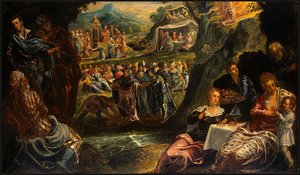
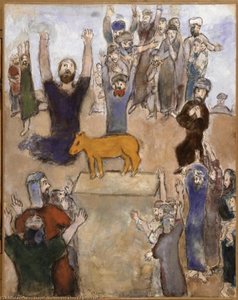
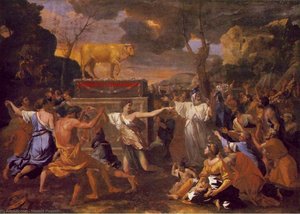
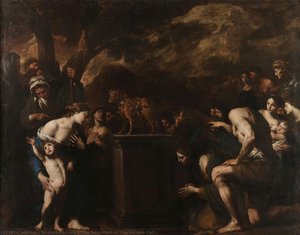
関連作品

アーティストの略歴
アントワープの心臓部で築かれた遺産
1581年、アントワープの芸術家一族に生を受けたフランス・フランケン3世は、フランドル・バロックの伝統において極めて魅力的な存在感を放っています。彼の人生は、スペイン領ネーデルラント時代の絵画と商業の重要拠点であり、芸術的なエネルギーに満ちあふれた都市の中で展開されました。その創造的な旅の礎を築いたのは、優れた画家であった両親、フランス・フランケン2世とエリザベート・プラケットでした。この芸術に浸った家庭環境は、単なる才能の継承にとどまりませんでした。それは、観察眼、技法、そして自らの世界を形作る芸術的潮流への深い理解を育む、至高の学び舎だったのです。当時のアントワプリは宗教的・政治的な激動から立ち直る過程にありましたが、依然として革新が花開く活気ある中心地であり、特に絵画の分野においてはその傾向が顕著でした。フランケン家はこの舞台において、世代を超えて極めて重要な役割を果たし、フランス3世が独自の輝かしいキャリアを築き上げるための強固な基盤を確立したのです。修業時代と芸術的発展
フランス・フランケン3世の芸術教育は、父の工房という親密な空間から始まりました。そこで彼は、技術的なスキルのみならず、当時のフランドル人画家たちが好んだ様式や主題を吸収していきました。この初期の訓練が、デッサン力、色彩理論、そして構図という、成功する画家にとって不可欠な要素の強固な土台となったのです。1639年にはアントワープの聖ルカ・ギルドに正式に入会し、依頼を引き受け自らの工房を運営できる独立した巨匠として認められました。後に1656年から1666年にかけてはギルドの長(デーン)を務めており、これは芸術界における彼の地位と指導者としての資質を証明しています。この時期の彼は、自らの作品を生み出すだけでなく、弟子の育成にも携わり、芸術的伝統の継承に尽力しました。彼のスタイルは、緻密な細部描写、鮮やかなパレット、そしてダイナミックな構図によって瞬く間に知られるようになり、それこそが彼の全作品を定義づける特質となりました。「ルーベンス風」の筆致と独自の主題
フランケン3世の作品はフランドル・バロックの美学に深く根ざしていますが、その伝統の中で彼は唯一無二の声を獲得しました。彼は、道徳的な含みを持つ日常風景を描いた風俗画、著名な市民の容貌を捉えた肖像画、そして彼の代名詞とも言える「キャビネット・ペインティング」を得意としました。これらの小規模な作品は、個人のコレクションのために特別に制作されたもので、家庭内のインテリアや絵画ギャラリー、あるいは寓意的な物語を覗き見るような親密な体験を鑑賞者に提供しました。また、ピーター・パウル・ルーベンスの多大な影響を受けていたことから、「ルーベンス風フランケン」という愛称で呼ばれることもありました。これは単なる模倣ではありません。フランケンは、ルーベンスの劇的な光の演出、躍動感あふれる人物像、そして豪華な色彩設計を、巧みに自身の芸術的ビジョンへと融合させたのです。アルカディア ― 黄金時代 は、贅を尽くした宴の場面とダイナミックな人物配置によって、この「ルーベンス風」の華やかさを体現しています。これらの主要なテーマに加え、彼は聖書の物語や古典神話からインスピレーションを得て、歴史的・宗教的な主題も探求しました。しかし、彼を真に際立たせたのは、絵画ギャラリーを描いた作品群でした。愛好家たちが自慢のコレクションに囲まれる様子を精緻に描いたこれらの作品は、17世紀の収集習慣や芸術的嗜好を知るための、魅惑的な窓となっているのです。フランドル美術に刻まれた不朽の足跡
フランス・フランケン3世の多作な活動は、フランドル・バロック絵画の風景に消えることのない足跡を残しました。鮮やかな風俗画、洞察に満ちた肖像画、そして革新的なギャラリー・ペインティングを通じて時代精神を捉える彼の能力は、重要な芸術家としての地位を不動のものにしました。彼は単に現実を記録していたのではありません。社会の習俗、芸術へのパトロネージュ、そして収集という行為の本質そのものに対して、独自の批評を提示していたのです。その影響は自らの創作にとどまりませんでした。尊敬される教師として、カースティアン・ルイクスやヤン・バプティスト・セガールトといった志ある若き芸術家たちに知識を授け、彼の技法と美意識が次世代へと響き続けることを確かなものにしました。ルーベンスという巨大な存在の影に隠れがちなこともありますが、フランケン3世はフランドル美術史における重要な語り手であり続けています。17世紀の生活と芸術文化に対し、独自の視点を提供しているのです。彼の作品は、当時のフランドルの社会的、文化的、芸術的な景観に対する貴重な洞察を与えてくれます。特に、芸術収集の実態や社会における画家の地位の変遷を伝える歴史的記録としてのギャラリー・ペインティングは、その価値を物語っています。彼はこのジャンルを普及させ、後世の画家たちが芸術鑑賞と展示の世界を探求する道筋を作ったのです。代表作
- アルカディア ― 黄金時代:彼の「ルーベンス風」のスタイルを象徴する、豪華絢爛な宴の場面。
- 絵画ギャラリーの内部 (1640年):芸術収集家の周囲を描いた詳細な描写であり、贅沢な美術品と社交界の様子を伝えています。
- 黄金の仔牛の崇拝:構図と色彩の卓越した技量を示す、劇的な聖書の場面。
- 東方三博士の礼拝:緻密なリアリズムと豊かな象徴性を備えた、素晴らしいルネサンス様式の傑作。
- 手紙を持つ若い貴婦人と騎士:謎めいた雰囲気、豊かな色彩、そして見事な細部描写に満ちた、魅惑的なバロック油彩画。
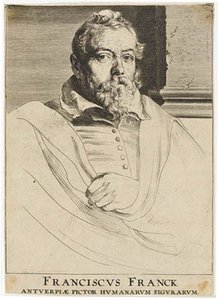
フランス・フランケン3世
1581 - 1642 , ベルギー
基本情報
- Artistic Movement Or Style: フランドル・バロック
- Artists Or Movements Influenced By This Artist: ['デイヴィッド・テニエール(子)']
- Artists Who Influenced This Artist: ['ピーテル・パウル・ルーベンス']
- Date Of Birth: 1581年
- Date Of Death: 1642年
- Full Name: フランス・フランケン3世
- Nationality: フランドル
- Notable Artworks:
- アルカディア — 黄金時代
- 東方三博士の礼拝
- 黄金の子牛の崇拝
- Place Of Birth: ベルギー、アントウェルペン
関連記事
Decoding Baroque Grandeur: A Guide to the Drama and Emotion of 17th-Century Art
Explore the breathtaking drama of 17th-century Baroque art. Our expert guide decodes the use of chiaroscuro, emotional intensity, and historical grandeur to help you appreciate and curate timeless masterpieces for your collection.

Dutch Baroque Masters: 10 Paintings That Shaped an Era | ArtsDot
Journey through the Golden Age with our guide to the Top 10 Dutch Baroque masterpieces! Explore iconic paintings by Rembrandt, Vermeer & Frans Hals. Find museum-quality art reproductions and elevate your home decor at ArtsDot.com.

バロック美術を極めた至宝:時代を彩る10大名作の世界
バロック美術の華!カラヴァッジョ、ベルニーニら巨匠が創り上げた10大名作を徹底解剖。ドラマチックな色彩と豪華絢爛の世界観に触れ、至宝のアートプリントで空間を彩ろう。ArtsDot.comで美術館品質の複製と洗練されたインテリアを見つけましょう!

The Dramatic Flourish: Exploring the Baroque Movement's Enduring Legacy in Art History
Explore the dramatic world of Baroque art! Discover iconic artists like Caravaggio & Rubens, defining techniques, and its lasting impact on art history. Expert insights for collectors & enthusiasts at ArtsDot.

Baroque Classicism: Reconciling Drama & Order in 17th-Century Art
Explore the captivating world of Baroque Classicism! Discover its history, key artists like Caravaggio & Rubens, and defining characteristics. Expert insights & high-quality reproductions at ArtsDot.

