

 プレビュー
プレビュー
 プリントを購入
 シェアする
シェアする シェアする
シェアする
 詳細を見る
詳細を見る

 ダウンロード
 似ている作品
 X線調査
X線調査 スライドショー
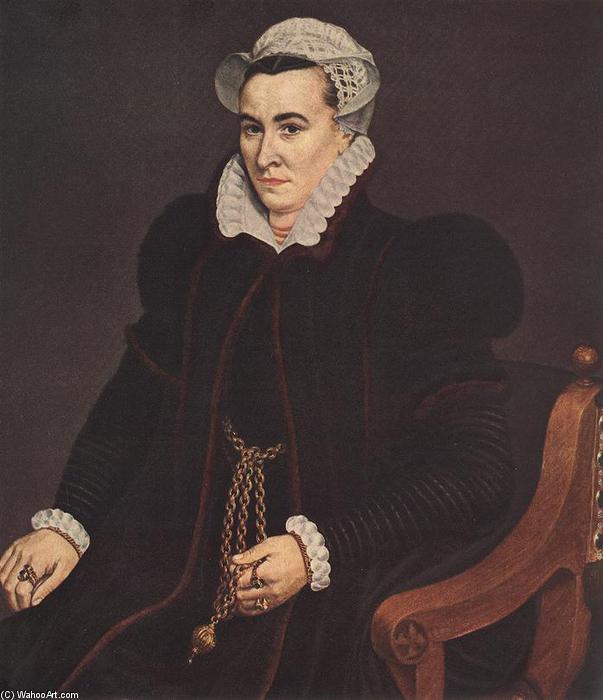
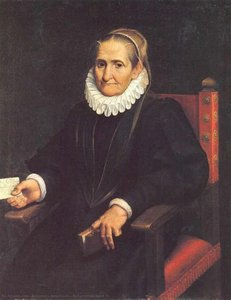
Portrait of a Woman
 Oil On Canvas
- WallArt
- Baroque
 87.0 x 78.0 cm
 エルミタージュ美術館
 詳細を見る
詳細を見る




P118B $10

P118H $10

P118W $10

P438Z $10

P508JH $12

P508YH $12

P805H $10

P805Z $10

P919BZ $10

P919G $10

P919XJ $10

P959ZH $10

P968JZ $12

W106C $8

W218G $10

W218JH $8

W218Y $10

W307PJ $10

W316G $10

W316PJ $8

W316Y $10

W398PJ $8

W4111J $10

W500HY $15

W500JH $15

W692G $12

W849H $8

W940BG $15

W953PJ $8




作品のオリジナル比率に合わせた、当店の規定サイズからお選びください。

特定のフレームやスペースに合わせて、ご希望のサイズをご入力いただけます。選択されたサイズが元の画像の比率と異なる場合、アートワークをトリミングするか、手描きで要素を追加して絵画を拡張いたします。デジタルモックアップ を制作し、制作開始前にご確認(承認)をいただきます。
画面上のプレビューは、実際のトリミングや拡張を正確に反映しているものではありません。最終的な構図は、モックアップによってのみ正確にご確認いただけます。
カスタムサイズもご利用いただけますが、元の比率を維持するためには、あらかじめ用意されたリストからサイズを選択することをお勧めいたします。
ご注文後、ArtsDot.com チームより詳細な指示をお送りするとともに、仕上がりイメージ(モックアップ)をご提供いたします。


 ガラスオプションは、110cm未満のサイズでのみご利用いただけます。

Portrait of a Woman
複製技法
複製画のサイズ
-


合計金額
$ 263
作品解説
A Window into Bruges’ Renaissance Soul: Frans Pourbus the Elder's Portrait of a Woman
Frans Pourbus the Elder stands as a pivotal figure in the flourishing artistic landscape of Bruges during the late 16th century, embodying the spirit of Flemish Renaissance painting. Born in 1545 to Pieter Pourbus and Anna Blondeel—a lineage steeped in artistic accomplishment—his formative years were nurtured within a workshop brimming with creative fervor, ensuring he absorbed the foundational principles of his father’s masterful craft. This heritage instilled in him an unwavering dedication to tradition, shaping his distinctive style and cementing his place amongst the era's most respected artists.- Subject Matter: The portrait depicts an elderly woman seated gracefully, radiating dignity and introspection. Her gaze directs downwards, inviting contemplation—a gesture common in aristocratic portraits of the period.
- Style & Composition: Pourbus adheres to classical conventions, mirroring the grandeur of Venetian art while retaining a distinctly Flemish sensibility. Central placement within the frame maximizes visual impact, emphasizing the woman’s face and upper body. Linear perspective guides the eye towards a dark background, enhancing depth and creating an atmosphere of solemnity.
Technique & Material Considerations
Pourbus's meticulous approach to painting is evident in every brushstroke. Utilizing oil paints on canvas—a technique perfected during this era—he achieves remarkable realism through layering and blending pigments with painstaking precision. The artist skillfully employs shading techniques to sculpt form, capturing subtle nuances of light and shadow that imbue the portrait with palpable presence. Texture is rendered convincingly, particularly noticeable on fabrics like the woman’s dress and headdress, demonstrating a mastery of surface detail.- Color Palette: The muted tones of the background serve to heighten the luminosity of the woman's complexion and attire—a deliberate choice reflecting artistic ideals of beauty and refinement.
- Brushwork: Loose yet controlled brushstrokes contribute to a textured surface, conveying an impression of warmth and materiality.
Symbolism & Contextual Significance
Beyond its aesthetic qualities, the portrait carries symbolic weight. The woman’s inclusion of a rosary—a devotional emblem—suggests piety and adherence to religious beliefs prevalent during Pourbus's time. Such symbols were frequently incorporated into aristocratic portraits to convey status and moral virtue, reinforcing societal values within the artwork itself. Furthermore, the composition aligns with established artistic conventions of the Renaissance, reflecting an interest in humanist ideals and portraying individuals as embodiments of intellectual and spiritual excellence.Emotional Resonance & Artistic Legacy
“Portrait of a Woman” transcends mere representation; it evokes a profound sense of serenity and contemplation. The artist’s ability to capture the inner life of his subject—his gaze, posture, and subtle expressions—demonstrates an unparalleled understanding of human psychology. Frans Pourbus the Elder's masterpiece remains a testament to the enduring power of classical portraiture, inspiring admiration for its beauty and prompting reflection on themes of dignity, faith, and artistic mastery. It stands as a cornerstone of Flemish Renaissance art, securing his legacy as one of Bruges’ most celebrated painters.関連作品
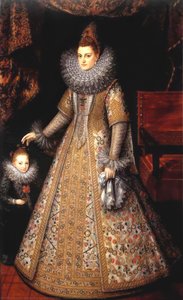
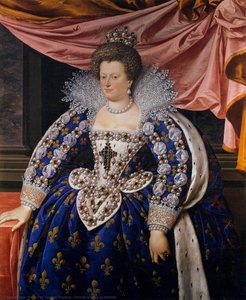
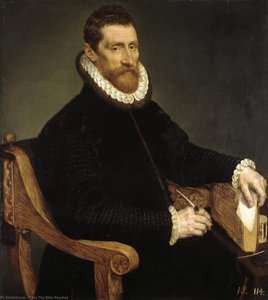
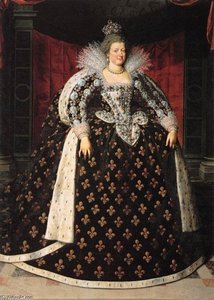
アーティストの略歴
A Legacy Forged in Bruges: The Life and Art of Frans Pourbus the Elder
Frans Pourbus the Elder, a name resonating within the annals of Flemish Renaissance art, emerged from the artistic heartland of Bruges in 1545. Born into a family deeply entrenched in the world of painting – his father, Pieter Pourbus, was a respected artist who had migrated from Gouda – Frans’s path seemed predetermined. His mother, Anna Blondeel, further solidified this creative lineage as the daughter of Lancelot Blondeel, a multifaceted talent encompassing painting, architecture, surveying, and cartography. This rich artistic heritage provided young Frans with an immersive environment where he received his initial training directly from his father, absorbing the traditional Flemish techniques that would form the foundation of his style. By approximately 1550, at just fifteen years of age, he had already ascended to a position of significant responsibility within his father’s workshop, demonstrating an early aptitude and dedication to the craft.Antwerpian Influences and Artistic Development
The trajectory of Pourbus' artistic development took a pivotal turn in 1564 when he ventured to Antwerp and entered the studio of Frans Floris. This marked a crucial period of exposure to the burgeoning “Romanist” movement, characterized by a fascination with the Italian High Renaissance masters – Michelangelo and Raphael foremost among them. Floris, a leading figure in this artistic current, instilled within Pourbus an appreciation for a more dynamic and painterly approach, moving beyond the meticulous detail often associated with earlier Flemish painting. Pourbus wasn’t merely a passive observer; he actively participated in completing unfinished canvases under Floris's guidance, honing his skills and absorbing the master’s stylistic nuances. A planned journey to Italy in 1566 was curiously abandoned after a visit to Lucas de Heere in Ghent, reportedly captivated by the painter-poet’s niece – a romantic detour that ultimately led to marriage with Suzanna Floris, niece of Frans Floris and daughter of Cornelis Floris de Vriendt, a prominent sculptor and architect. This union further cemented Pourbus's position within Antwerp’s artistic elite. The arrival of his son, also named Frans (Frans Pourbus the Younger) in 1569, would ensure the continuation of this distinguished family tradition.Guild Recognition and a Flourishing Career
By 1569, Frans Pourbus had firmly established himself as a master craftsman, gaining admittance to both the Bruges and Antwerp Guilds of Saint Luke – a testament to his skill and reputation. He actively took on apprentices, nurturing the next generation of artists, including Roctus Gabrelius da Bresson in 1572 and Peeter Cobbe in 1575. His career flourished with commissions for both religious works and portraits, catering to the rising mercantile class of Bruges and Antwerp. The influence of Anthonis Mor, a celebrated portraitist, is also believed to have subtly shaped Pourbus’s mature style, though direct evidence remains elusive. A significant undertaking came in 1572 with the commission for fourteen panels depicting the life of Saint Andrew for St Bavo's Cathedral in Ghent, alongside a triptych portraying Vigilius Aytta, also destined for the same cathedral. In 1574, he undertook an even more ambitious project: redecorating the choir of St Martin’s Abbey in Tournai with seventeen works divided into three series – a Passion of Christ cycle, a depiction of the Crucifixion, and illustrations from the life of Saint Martin.Religious Shifts and a Lasting Legacy
The latter part of Pourbus's life was marked by personal loss and religious change. Following his wife Suzanna’s death in 1578, he remarried Anna Mahieu, daughter of the painter Jan Mahieu. The birth of their son, Moses, suggests a growing embrace of Calvinism within the family – a shift that likely influenced Pourbus's artistic focus towards portraiture, as religious painting was often discouraged by Protestant communities. Tragically, Frans Pourbus’s life was cut short on September 19, 1581, while performing his duties with the civil guard in Antwerp. He succumbed to typhoid fever contracted near a sewer pipe – an ignominious end for a man of such artistic talent. Despite his untimely death, Frans Pourbus the Elder left behind a substantial body of work and, more importantly, a legacy carried forward by his son, Frans Pourbus the Younger, who would achieve international renown as a portraitist to European royalty. Pourbus’s ability to blend traditional Flemish techniques with Italianate influences ensured his place as a significant figure in the transition between Renaissance and Baroque art, leaving an indelible mark on the artistic landscape of the Low Countries.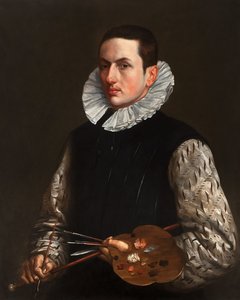
Frans Pourbus the Elder
1545 - 1581 , Belgium
基本情報
- Artistic Movement Or Style: Renaissance portraiture
- Artists Or Movements Influenced By This Artist: ['Frans Pourbus the Younger']
- Artists Who Influenced This Artist:
- Frans Floris
- Anthonis Mor
- Date Of Birth: 1545
- Date Of Death: 1581
- Full Name: Frans Pourbus the Elder
- Nationality: Flemish
- Notable Artworks:
- Saint Andrew Panels
- Viglius Aytta Triptych
- Portrait of an Old Man
- Portraits of Archduke Albrecht and Archduchess Isabella
- Place Of Birth: Bruges, Belgium
関連記事
Neo-Classicism's Greatest Hits: 10 Masterpieces for Your Home |
Journey through Neo-Classicism's finest! Explore 10 iconic masterpieces by David, Ingres & Canova. Discover art history, techniques & timeless beauty – perfect for inspiring your home decor. Find museum-quality reproductions at
Timeless Elegance: The Ultimate Buyer's Guide to Choosing Classical Portraits for Sophisticated Interiors
Discover how to select the perfect classical portrait for your home. Our expert guide explores matching art styles to interiors, choosing between hand-painted oils and Giclée prints, and transforming personal photos into timeless masterpieces with professional artistry.

The Enduring Legacy of Oil on Canvas: Technique, History & Aesthetic Impact
Explore the rich history & techniques of oil painting – from Renaissance masters to Impressionism. Discover pigments, layering methods, and why this timeless medium endures. Expert insights for artists & art enthusiasts.

Oil on Canvas: A Historical & Technical Exploration of a Timeless Artistic Medium
Explore the rich history & enduring techniques of oil painting on canvas. Discover the science behind its longevity, conservation practices, and contemporary relevance. Expert insights for art enthusiasts.
The Digital Portrait Renaissance: Transforming Personal Photography into Timeless Oil Paintings Through Artistic Reproduction
Transform your cherished photos into timeless oil paintings with ArtsDot's expert artists. Museum-quality reproductions & custom portraits, crafted to last a lifetime. Discover the art of personal legacy.

