

 プレビュー
プレビュー
 プリントを購入
 シェアする
シェアする シェアする
シェアする
 詳細を見る
詳細を見る

 ダウンロード
 似ている作品
 X線調査
X線調査 スライドショー
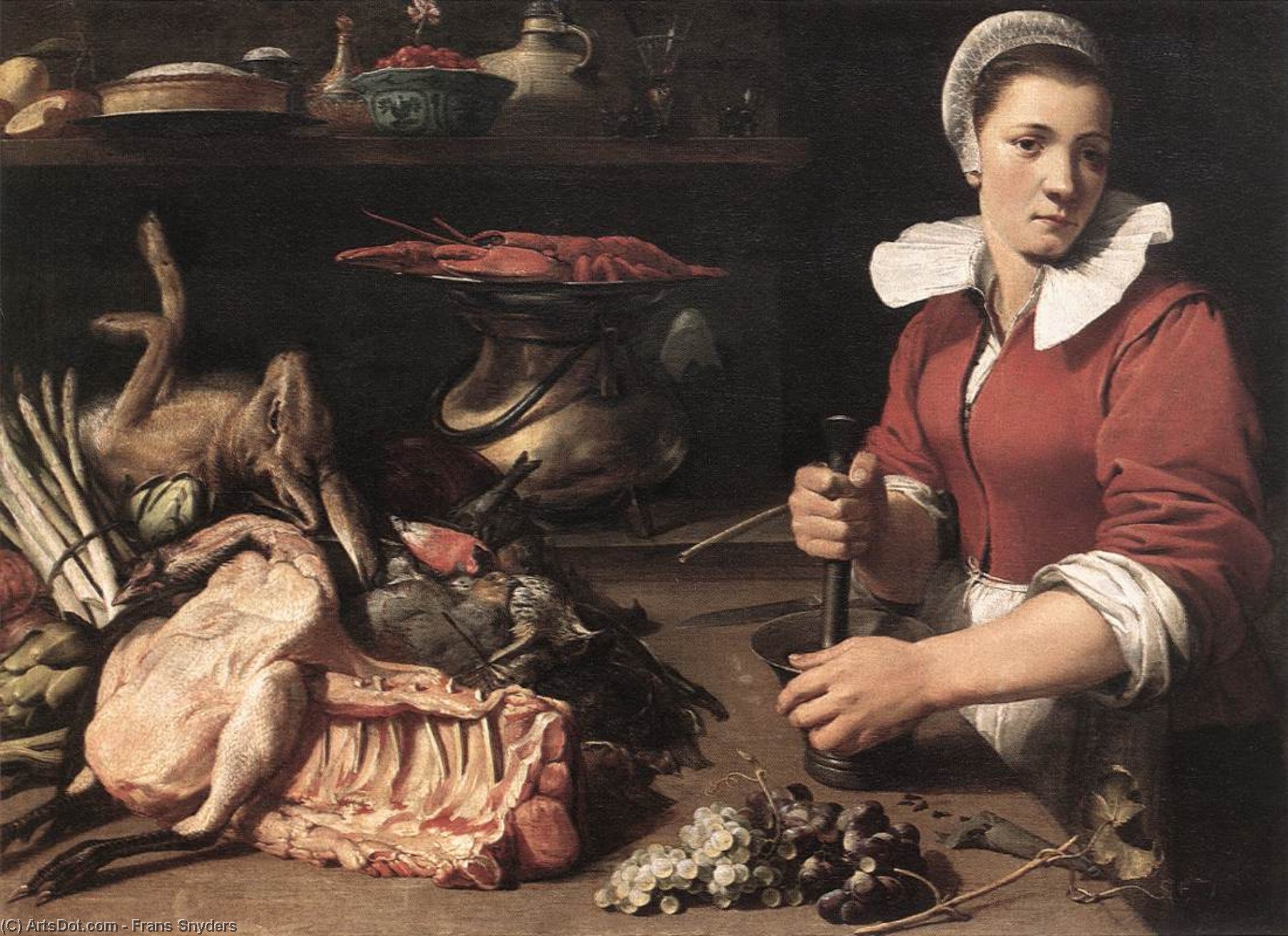
Cook with Food
 Oil On Canvas
- WallArt
- Baroque
 1630
1630 88.0 x 120.0 cm
 ウォールラフ・リヒャルトス美術館
 詳細を見る
詳細を見る




P118B $10

P118H $10

P118W $10

P438Z $10

P508JH $12

P508YH $12

P805H $10

P805Z $10

P919BZ $10

P919G $10

P919XJ $10

P959ZH $10

P968JZ $12

W106C $8

W218G $10

W218JH $8

W218Y $10

W307PJ $10

W316G $10

W316PJ $8

W316Y $10

W398PJ $8

W4111J $10

W500HY $15

W500JH $15

W692G $12

W849H $8

W940BG $15

W953PJ $8




作品のオリジナル比率に合わせた、当店の規定サイズからお選びください。

特定のフレームやスペースに合わせて、ご希望のサイズをご入力いただけます。選択されたサイズが元の画像の比率と異なる場合、アートワークをトリミングするか、手描きで要素を追加して絵画を拡張いたします。デジタルモックアップ を制作し、制作開始前にご確認(承認)をいただきます。
画面上のプレビューは、実際のトリミングや拡張を正確に反映しているものではありません。最終的な構図は、モックアップによってのみ正確にご確認いただけます。
カスタムサイズもご利用いただけますが、元の比率を維持するためには、あらかじめ用意されたリストからサイズを選択することをお勧めいたします。
ご注文後、ArtsDot.com チームより詳細な指示をお送りするとともに、仕上がりイメージ(モックアップ)をご提供いたします。


 ガラスオプションは、110cm未満のサイズでのみご利用いただけます。

Cook with Food
複製技法
複製画のサイズ
-


合計金額
$ 263
作品解説
Frans Snyders’ “Cook with Food”: A Baroque Tableau of Abundance and Mortality
“Cook with Food,” painted circa 1630 by the Flemish master Frans Snyders, is not merely a still life; it's a vibrant, unsettling microcosm of 17th-century domesticity interwoven with stark reminders of mortality. Housed within the Wallraf-Richartz Museum in Cologne, Germany, this oil on canvas offers a captivating glimpse into the world of a wealthy household, meticulously rendered with Snyders’ signature blend of opulent detail and dramatic realism. The painting immediately assaults the senses – a riot of color emanating from glistening meats, vibrant fruits, and the rich crimson of the cook's dress—yet beneath the surface lies a subtle undercurrent of decay and transience, characteristic of the Baroque period’s fascination with both earthly pleasures and the inevitability of death.
Snyders was a pivotal figure in the evolution of still life painting. Initially trained by Pieter Brueghel the Younger, he quickly surpassed his mentor, developing a unique style that moved beyond simple depictions of objects to create dynamic compositions teeming with activity and symbolic weight. He wasn’t simply recording what was present; he was constructing a narrative—a fleeting moment captured in time, imbued with layers of meaning. His work frequently featured hunting scenes, market gatherings, and elaborate feasts, reflecting his interest in the abundance and spectacle of life, but also hinting at the darker realities that often accompanied such displays.
A Domestic Scene Steeped in Symbolism
The central figure is a woman, likely a cook or maidservant, dressed in a striking red gown with white sleeves—a color combination historically associated with both wealth and mourning. She’s engaged in the laborious task of grinding spices with a pestle and mortar, her movements suggesting a focused intensity. The presence of various food items – a plump rabbit, glistening fish, artichokes, asparagus, turnips, lemons, strawberries, and a collection of earthenware—is not haphazard; each element carries symbolic weight. The rabbit, stretched out in a pose reminiscent of rigor mortis, is a potent reminder of death and the passage of time, its extended limbs emphasizing the fragility of life. The abundance of food itself speaks to prosperity and indulgence, while the carefully arranged fruits and vegetables suggest an appreciation for nature’s bounty.
The background reveals a wealth of domestic details: shelves laden with bottles, cups, and other kitchen utensils—a testament to the household's resources. A partially visible pie hints at culinary delights, while the green jug, almost obscured by the shadows, adds an element of mystery and perhaps even foreboding. The overall composition is meticulously constructed, demonstrating Snyders’ mastery of perspective and his ability to create a sense of depth and realism within a relatively small space.
Baroque Drama and Artistic Technique
Snyders' technique is characterized by its dramatic lighting, rich colors, and meticulous attention to detail. He employs chiaroscuro—the use of strong contrasts between light and shadow—to create a sense of volume and drama, drawing the viewer’s eye to key elements within the composition. The artist’s brushwork is loose and expressive, conveying a sense of movement and vitality. Notice how he renders the textures of the food – the glistening sheen of the fish, the rough surface of the earthenware—with remarkable accuracy. The painting's scale (88 x 120 cm) further contributes to its impact, enveloping the viewer in this bustling scene.
A Window into a Lost World
“Cook with Food” offers a rare and intimate glimpse into the daily life of a wealthy household during the Baroque period. It’s a painting that simultaneously celebrates abundance and confronts mortality—a poignant reminder of the fleeting nature of earthly pleasures. The work's historical context is crucial to understanding its deeper meaning; it reflects the prevailing attitudes towards death, wealth, and domesticity in 17th-century Europe. Snyders’ masterful execution and symbolic richness ensure that this painting continues to captivate viewers centuries later, inviting us to contemplate the complexities of human existence.
関連作品
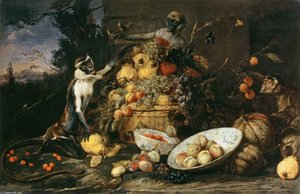
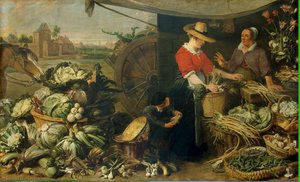
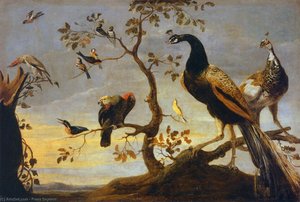
アーティストの略歴
フランドルの豊穣:フラン・スナイデルスの生涯と芸術
1579年にアントワープで生まれたフラン・スナイデルスは、フランドル・バロック絵画のパノラマの中で独特かつ鮮やかな地位を占めています。ルーベンスやファン・ダイクといった巨匠たちが時代を席巻する中、スナイデルスの貢献—静物画、動物画、そして賑やかな市場風景への目覚ましい専門性—は決して見過ごせないものでした。彼は単に物体を描写したのではなく、豊穣を祝福し、テクスチャを堪能し、世俗的な喜びの瞬間を捉えました。彼の父、ヤン・スナイデルスは人気のあるワイン居酒屋を経営しており、若いフランは幼い頃から創造的なエネルギーの世界に浸っていました。この環境が間違いなく彼の芸術的才能を育み、有名な画家であるフランス・フローリスがかつてその店内で財産を浪費したという逸話も、スナイデルスの生い立ちを取り巻く活気に満ちた雰囲気を物語っています。彼は当初、ピーテル・ブリューゲル2世のもとで構図と細部に関する教訓を受け、その後、アンソニー・ファン・ダイクも指導を受けたヘンドリック・ファン・バレンのもとで技術を磨きました。この確かな基礎により、1602年にはアントワープの聖ルカ組合にマスターとして認められ、彼の多作なキャリアが正式に始まりました。コラボレーションと革新:スナイデルスの芸術的発展
スナイデルスの芸術的な旅は孤独な探求ではありませんでした。コラボレーションは彼の実践の中心でした。彼はすぐに当時の主要なアーティストから求められるパートナーとしての地位を確立し、特にピーター・ポール・ルーベンスとの関係は非常に実りあるものでした。彼らの協力関係は目覚ましい成果をもたらし、スナイデルスは頻繁にルーベンスの壮大な構図における動物や静物画を担当しました。スペインのトレ・デ・ラ・パラダ狩猟パビリオンはその両者の才能を証明する証であり、スナイデルスはルーベンスのデザインに基づいて60以上の動物画を描きました。このパートナーシップは単なる依頼の遂行ではなく、アイデアのダイナミックな交換であり、両アーティストを新たな技術的および表現的な高みへと押し上げました。ルーベンス以外にも、アンソニー・ファン・ダイク、ヤコブ・ヨルダーンス、アブラハム・ヤンセンスと協力し、彼の多様性と適応性を示しました。しかし、彼は単にこれらの巨匠のアクセサリーとして存在していたわけではありません。彼は、躍動的な構図、果物の光沢から獲物の粗い皮まで見事なテクスチャの表現、そして被写体に命を吹き込む鮮やかなリアリズムによって特徴づけられる独自のスタイルを開拓しました。スナイデルスは本質的に独立した動物静物画というジャンルを発明し、伝統的な狩猟戦利品の描写を超えて自然界の固有の美と活力を探求しました。目のごちそう:テーマと技法
スナイデルスの作品の中心となるテーマは、世俗的な喜び—市場の豊穣、狩りの興奮、そして十分に備えられたパントリーのシンプルな優雅さです。彼の市場風景は特に魅力的で、人物が溢れ、かごがいっぱいで、ほとんど触覚的に感じられるようなエネルギーに満ちています。彼は食料生産の現実から目を背けません。完璧な果物や野菜の隣には、むき出しになった家禽や新鮮な魚が見られ、生命と糧のサイクルを視聴者に思い出させます。彼の静物は静的な配置ではなく、むしろ相互作用を誘うようなダイナミックなディスプレイです。スナイデルスは光と影を捉える並外れた能力を持っており、被写体がほとんど触れることができるような深みとボリュームを生み出しました。彼は特に毛皮や羽を描く際に緩やかで絵画的な筆致を使用し、芸術的表現を犠牲にすることなく驚くべきリアリズムを実現しました。たとえば、パントリーは、劇的な光の中で照らされた食料品や台所の道具の混沌としていながらも調和のとれた配置を示す素晴らしい例です。アーティストの細部へのこだわりは綿密ですが、過度に気取った感じはありません。むしろ、それは全体的な豊穣と活気に貢献します。遺産と永続的な影響
フラン・スナイデルスの静物画や動物画の開発に対する影響は、彼の生涯を超えて広がっています。彼はこれらのジャンルにおけるリアリズムとダイナミズムの新たな基準を確立し、後の世代のアーティストに影響を与えました。彼の作品は、後に動物肖像画を洗練させたジャン=バティスト・ウードリーやフランソワ・デスポルトといった巨匠たちの道を切り開きました。スナイデルスの影響はまた、オランダ黄金時代の静物画の伝統に見られ、ウィレム・クラースゾーン・ヘーダやピーテル・クラエスのようなアーティストが同様にテクスチャ、光、構図に焦点を当てました。彼は熟練した技術者であるだけでなく、自然界を鋭く観察し、その美と複雑さを驚くべき感性で捉えました。彼の絵画は今日でも観客を魅了し続け、17世紀のアントワープの活気に満ちた芸術的風景の一端を垣間見せてくれます。そして、アートが人生のささやかな喜びを祝う永続的な力を思い出させてくれます。彼の死後、1657年にマティス・ムッソンによって収集された広範なコレクションは、彼の遺産が何世紀にもわたってアーティストにインスピレーションを与え続けることを保証しました。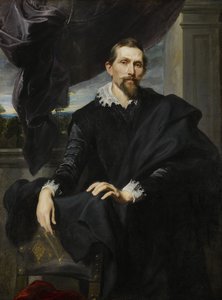
フラン・スナイデルス
1579 - 1657 , ベルギー
基本情報
- Artistic Movement Or Style: バロック様式
- Artists Or Movements Influenced By This Artist:
- ジャン=バティスト・ウードリー
- フランソワ・デザポート
- Artists Who Influenced This Artist:
- ピーテル・ブリューゲル2世
- ヘンドリック・ファン・バーレン
- Date Of Birth: 1579年
- Date Of Death: 1657年
- Full Name: フランツ・スナイデルス
- Nationality: フランドル人
- Notable Artworks:
- 食糧庫
- 市場の場面
- 狩猟の場面
- Place Of Birth (City And Country): アントワープ、ベルギー
関連記事
Silent Narratives: Exploring the Enduring Appeal of Still Life Painting Across Centuries
Explore the rich history of still life painting with ArtsDot. Discover Dutch Masters, decode vanitas symbolism & learn about collecting timeless art. Expert insights and museum-quality reproductions.

バロック美術を極めた至宝:時代を彩る10大名作の世界
バロック美術の華!カラヴァッジョ、ベルニーニら巨匠が創り上げた10大名作を徹底解剖。ドラマチックな色彩と豪華絢爛の世界観に触れ、至宝のアートプリントで空間を彩ろう。ArtsDot.comで美術館品質の複製と洗練されたインテリアを見つけましょう!

The Dramatic Flourish: Exploring the Baroque Movement's Enduring Legacy in Art History
Explore the dramatic world of Baroque art! Discover iconic artists like Caravaggio & Rubens, defining techniques, and its lasting impact on art history. Expert insights for collectors & enthusiasts at ArtsDot.

バロックのドラマ:現代のインテリアに壮麗さと情感を取り込む
バロック様式の歴史、絵画、家具の魅力をご紹介。ArtsDotでは、高品質な油絵複製やカスタムポートレートをご提供し、現代のインテリアに壮麗さと情感を取り入れます。アートコンサルテーションも承ります。

The Visceral Stage: Exploring Dramatic Narratives & Emotional Intensity in Baroque Art
Explore the dramatic world of Baroque art! Discover iconic masters like Caravaggio & Rembrandt, their techniques, and the movement's lasting impact. Expert insights for collectors & enthusiasts at ArtsDot.

