

 プレビュー
プレビュー
 シェアする
シェアする シェアする
シェアする
 詳細を見る
詳細を見る

 ダウンロード
 似ている作品
 X線調査
X線調査 スライドショー
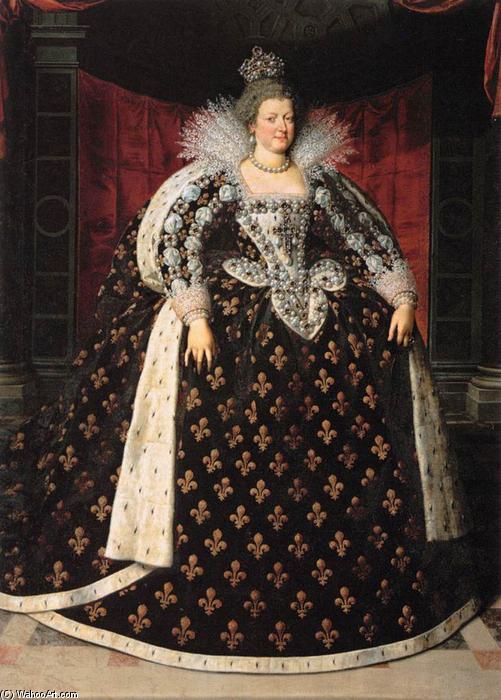
Marie de Médicis, Queen of France
 Oil On Canvas
- WallArt
- Baroque Portraiture
 1609
1609 307.0 x 186.0 cm
 ルーブル美術館
 詳細を見る
詳細を見る
ジークレー/アートプリント
迅速な制作と多彩な仕上げオプションを備えた、ミュージアムクオリティのジークレーまたはキャンバスプリント。 ( 手描きの絵画を購入 画像を購入)




P118B $10

P118H $10

P118W $10

P438Z $10

P508JH $12

P508YH $12

P805H $10

P805Z $10

P919BZ $10

P919G $10

P919XJ $10

P959ZH $10

P968JZ $12

W106C $8

W218G $10

W218JH $8

W218Y $10

W307PJ $10

W316G $10

W316PJ $8

W316Y $10

W398PJ $8

W4111J $10

W500HY $15

W500JH $15

W692G $12

W849H $8

W940BG $15

W953PJ $8




作品のオリジナル比率に合わせた、当店の規定サイズからお選びください。

特定のフレームやスペースに合わせて、ご自身でサイズを指定することも可能です。選択されたサイズが元の画像の比率と一致しない場合、作品をトリミングするか、鏡面反射または単色での塗りつぶしによって画像を拡張いたします。制作を開始する前に、ご確認用のデジタルモックアップをお送りいたします。
画面上のプレビューには、実際のトリミングや拡張は反映されませんのでご注意ください。最終的な構図を正確に確認できるのは、モックアップのみとなります。
カスタムサイズも承っておりますが、元の比率を維持するためには、あらかじめ用意されたリストからサイズを選択することをお勧めいたします。


 ガラスオプションは、110cm未満のサイズでのみご利用いただけます。

Marie de Médicis, Queen of France
ジークレー/アートプリント
複製画のサイズ
-


合計金額
$ 62
The Regal Presence: Marie de’ Medici and Frans Pourbus the Younger
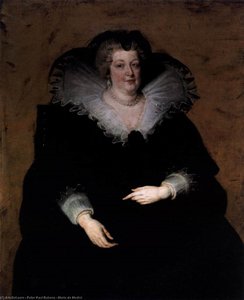
Frans Pourbus the Younger’s portrait of Marie de’ Medici, Queen of France, is more than a simple likeness; it's a carefully constructed tableau of power, piety, and the calculated grace demanded by her position. Painted in 1609, this oil-on-canvas masterpiece offers a glimpse into the opulent world of the French court during the early Baroque period, revealing both the queen’s inherent dignity and the meticulous artistry that defined Pourbus's style. The painting isn’t merely a representation of a woman; it’s an embodiment of her role as sovereign, a testament to her influence, and a subtle declaration of her lineage – a direct link to the powerful Medici family of Florence.
Pourbus, a master portraitist working across Europe for influential patrons including Archdukes Albert and Isabella, the Duke of Mantua, and ultimately Queen Marie herself, possessed an exceptional ability to capture the nuances of human expression and the luxurious details of attire. His work is characterized by a refined realism, a careful attention to texture – from the shimmering silk of her gown to the delicate folds of her headdress – and a subtle use of light and shadow that lends depth and volume to his subjects. Unlike some of his contemporaries who favored dramatic poses or elaborate backgrounds, Pourbus often opted for a more restrained approach, focusing instead on conveying an aura of quiet authority and serene composure.
A Symphony of Silk and Shadow: Technique and Composition
The painting’s composition is meticulously balanced. Marie de' Medici dominates the canvas, her figure rendered in exquisite detail against a dark, almost velvety background. This strategic use of darkness serves to heighten the impact of her presence, drawing the viewer’s eye directly to her face – a portrait of controlled elegance and subtle melancholy. The artist skillfully employs chiaroscuro, the dramatic contrast between light and shadow, to sculpt her features, emphasizing the delicate curve of her jawline, the gentle slope of her eyes, and the slight upward tilt of her head.
Pourbus’s technique is equally impressive. He masterfully renders the textures of the fabrics – the intricate lace at the neckline, the heavy velvet of her robe, the shimmering pearls adorning her headdress – with remarkable precision. The folds and drapes are depicted with a sense of weight and volume, creating a tactile quality that invites the viewer to reach out and touch the painting. The use of layered glazes builds up the colors gradually, resulting in a rich, luminous surface that captures the light beautifully.
Symbolism and Context: A Queen's Narrative
Beyond its technical brilliance, the portrait is laden with symbolic meaning. The white headdress, a traditional symbol of royalty, underscores Marie’s status as queen. The crown or tiara further reinforces this assertion of power. The elaborate gown, adorned with rich fabrics and intricate embellishments, speaks to her wealth and influence – a reflection of the vast resources at her disposal during her reign. Even the dark background can be interpreted symbolically, representing the weight of responsibility and the challenges she faced as regent of France.
Marie de’ Medici's position was inherently complex. She arrived in France as a refugee after the death of her husband, Henry IV, navigating a court rife with political intrigue and religious tensions. The portrait, therefore, can be seen not just as an image of a queen, but also as a statement of resilience and determination – a visual declaration of her enduring power amidst turbulent times. It’s a poignant reminder of the delicate balance between personal ambition and public duty, a theme that resonated deeply within the lives of European monarchs during the 17th century.
A Legacy Preserved: Reproduction and Artistic Appreciation
Originally housed at the Louvre in Paris, this iconic portrait has captivated viewers for centuries. Today, high-quality reproductions, such as those offered by ArtsDot.com, allow art lovers to experience the beauty and artistry of Pourbus’s masterpiece firsthand. The meticulous attention to detail – faithfully recreated through modern printing techniques – captures the essence of the original painting, offering a tangible connection to this remarkable work of Baroque portraiture. Exploring the works of Frans Pourbus the Younger further reveals his mastery of capturing the spirit of his subjects and his significant contribution to the artistic landscape of Europe.
関連作品

アーティストの略歴
ピーテル・ブリューゲル:人間性のヴィジョン
16世紀フランドルの鮮やかな営みを象徴する名、ピーテル・ブリューゲル。彼は西洋美術史において、最も深く、そして永続的な影響力を放ち続ける巨匠の一人です。1525年頃、ブレダにて(正確な出生地については諸説ありますが)その生涯は始まりました。質素な出自から、時代を代表する偉大な画家へと登り詰めた彼の遺したレガシーは、時を超えて今なお観る者の心に響き続けています。彼の作品は単なる写実の域を超えています。それは、ユーモアと鋭い洞察力に満ちた、人間が溢れんばかりに息づく世界への窓なのです。生と死、そして農村の営みのリズムを、親しみやすくも深い感銘をもって描き出すその視点は、唯一無二のものです。
ブリューゲルの芸術的旅路は、確立されたフランドル・ルネサンスの枠組みの中から始まりましたが、彼は瞬く間に独自の道を切り拓いていきました。アントウェルペンの巨匠ピーテル・クーケ・ファン・アルストに師事した初期の作品には、当時の風景画の伝統への敬意が色濃く反映されています。しかし、ほどなくして彼は、これらの風景の中に自らの急進的なヴィジョンを注入し始めました。静止した背景に過ぎなかった風景を、日常のドラマが繰り広げられるダイナミックな舞台へと変貌させたのです。この転換は美術史における決定的な瞬間となり、後に「風俗画」と呼ばれることになる、驚くべきリアリズムと心理的洞察を備えた庶民の生活を描く手法の礎を築きました。
農民と諺の画家
ブリューゲルが最も高く評価された主題は、間違いなくフランドルの農村共同体の中にありました。彼は当時の主流であった壮大な物語を避け、代わりに農民や農夫、労働者たちの生活に焦点を当てました。これは、当時の芸術的慣習に挑戦する意図的な選択でした。彼のキャンバスには、小麦の脱穀、婚礼の祝祭、遊び、家畜の手入れ、あるいはただ淡々と過ぎゆく日常に従事する、驚くほど多様な人々が描かれています。これらの情景は単に絵画的に美しいだけでなく、人間の行動に対する鋭い意識に満ちており、農民生活の喜びと悲しみ、栄光と苦難の両面を捉えています。
さらに、ブリューゲルは作品の中に道徳的、あるいは風刺的なメッセージを織り込む類まれな才能を持っていました。彼は、人々の知恵を凝縮した短い「諺(ことわざ)」を視覚的なメタファーとして頻繁に用い、風景の中に埋め込むことで、人間の愚かさや社会規範に対する繊細な批判を提示しました。その傑作である『オランダの諺』(1563年)は、この技法の極めて輝かしい例です。一つの広大な構図の中に100を超える異なる諺が描き出されており、複雑な概念を親しみやすい視覚的形態へと昇華させる彼の芸術的創意工夫の証となっています。その圧倒的なスケールと緻密なディテールは、観る者を繰り返し画面へと引き込み、出会うたびに新たな意味の層を明らかにしていきます。
イタリアへの旅とボスの影響
1548年頃、ブリューゲルはイタリアへの重要な旅に出ました。この経験は彼の芸術的発展に決定的な影響を与えました。彼はイタリア美術の壮大さや古典的な理想に感銘を受けましたが、同時にヒエロニムス・ボスの作品に強く惹きつけられました。幻想的なイメージと道徳的な寓意の巨匠であるボスの、地獄のような風景や奇怪な怪物たちの不穏なヴィジョンは、ブリューゲルに強烈な影響を与え、自身の作品にシュルレアリスム的な要素や象徴的な表現を取り入れるインスピレーションを与えたのです。この繋がりは、『イカロスの墜落』のような作品に顕著に見られます。悲劇的な英雄の最期が、ボスの夜想的なヴィジョンを彷彿とさせる、広大で荒涼とした風景の中で展開されています。
しかし、ブリューゲルは単にボスを模倣したわけではありません。彼はこれらの影響を、自らの芸術的ヴィジョンに合わせて適応させ、変容させたのです。ボスの象徴主義や道徳的寓意への関心は継承しつつも、そこに明確なフランドル的な感性――すなわち、普通の人々の日常的な生活と自然界への鋭い意識――を吹き込みました。彼の風景画は、同時代の多くの画家とは異なり、理想化されたりロマンチックに美化されたりしていません。それは、農村生活の美しさと過酷さの両方を捉えた、泥臭くもリアルな描写なのです。
遺産と永続的な意義
1569年9月、ブリューゲルはブリュッセルでその生涯を閉じ、極めて膨大な作品群を後世に残しました。彼の絵画は当初、その技術的な巧みさと鮮烈なイメージゆえに高く評価されましたが、その真の天才性が完全に認められたのは18世紀後半になってからのことでした。ジャン=オーギュスト=ドミニク・アングルやフランシスコ・ゴヤといった巨匠たちがブリューゲルの作品を支持し、彼をレンブラントやルーベンスと肩を並べるマスターの地位へと押し上げたのです。今日、ブリューゲルは人間体験の本質を捉える比類なき能力――庶民への共感、鋭い機知、そして自然界に対する深い理解――によって称えられています。
彼の及ぼした影響は、絵画という領域を遥かに超えています。日常的な生活に焦点を当てたブリューゲルの姿勢は、19世紀美術におけるリアリズムの発展への道を開き、物語の装置としての風景画の巧みな活用は、今なおアーティストたちにインスピレーションを与え続けています。単にフランドルの農村風景を描いたに留まらず、ブリューゲルは人類の普遍的な肖像を作り上げたのです。それは、比類なき技術と深い洞察力によって描き出された、私たちの共有する喜び、悲しみ、そして闘いの証なのです。
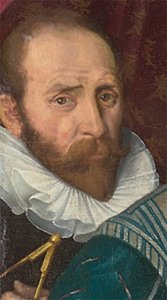
フランス・ド・プールブス(子)
1569 - 1622 , ベルギー
基本情報
- Artistic Movement Or Style: 北Renaissance
- Artists Or Movements Influenced By This Artist:
- ボス
- オランダ黄金時代
- Artists Who Influenced This Artist: ['ピーテルール・コーケ・ヴァン・アールスト']
- Date Of Birth: 1525年頃、ブレダ
- Date Of Death: 1569年9月5/9日、ブリュッセル
- Full Name: ピーテル・ブリューゲル(父)
- Nationality: フランドル
- Notable Artworks:
- イカロスの墜落のある風景
- 農民の婚礼
- ニューフォレストの狩人
- Place Of Birth: ブレダ、ブラバント(オランダ)
関連記事

ゴヤ傑作25選:スペインの魂を揺さぶる、深遠な芸術の世界 | ArtsDot
ゴヤ傑作25選:ロマン主義を代表するスペインの巨匠、フランシスコ・デ・ゴヤの世界へ。黒衣の女からマハまで、魂を揺さぶる絵画の物語と技法を紐解きます。ArtsDotで高品質なアートレプリカを見つけ、インテリアに深みと風格を。今すぐコレクションをご覧ください。

About Us
Discover our story! We bring world-class art into your life through expert curation, personalized creations, and free previews. Trusted by individuals and businesses since 2000.
Pierre Puvis de Chavannes: Symbolism, Mural Painting, and the Pursuit of Ideal Beauty
Explore the life & work of Pierre Puvis de Chavannes, a pivotal Symbolist painter renowned for his monumental murals. Discover his aesthetic principles, key artworks like 'Hope,' and lasting influence on modern art. A deep dive into 19th-century French painting.
Jacob Henricus Maris: A Master of Dutch Atmospheric Realism & the Intimate Landscape
Explore the captivating world of Jacob Henricus Maris, a leading figure of the Dutch Hague School. Discover his atmospheric landscapes, signature brushstrokes & lasting influence on 19th-century art. Learn more at ArtsDot.
Philip de László: A Portrait of Aristocratic Society & the Cosmopolitan Painter's Evolution
Explore the life & art of Philip de László, master portraitist of European aristocracy. Discover his stunning paintings, royal commissions, and enduring legacy. A guide for discerning collectors.

